
The perils of a captured United States government are beginning to see greater public light, but what secrets are still concealed below surface level headlines?
In 2023, Canadian police raided a fentanyl lab in British Columbia, uncovering ties between the Sinaloa Cartel and Asian triads. This wasn’t an isolated bust—it was a glimpse into Canada’s role as a criminal corridor threatening the North American continent.
President Donald Trump announced tariffs on Canada, Mexico and China at the end of his second week of his second term. The devastation to U.S. citizens from illegal immigration and the flood of fentanyl would no longer be tolerated by an America First administration; he threatened a 25% tariff on items from Canada and Mexico, and 10% on China’s oil and gas. Days later on phone calls, both Mexico and Canada made agreements to the Commander-in-Chief to earn a 1 month delay on implementing a crippling tariff. Prime Minister Trudeau on behalf of Canada made commitments that Mexico didn’t. Why? Those details were published by President Trump on Truth Social, he said:
Canada is making new commitments to appoint a Fentanyl Czar, we will list cartels as terrorists, ensure 24/7 eyes on the Border, launch a Canada-U.S. Joint Strike Force to combat organized crime, fentanyl and money laundering.
While on the Andrews Airforce Base tarmac returning to Washington, D.C. for his 3rd week in office, President Trump expressed his frustrations during impromptu press questions:
We subsidize Canada by the tune of about $200 billion a year, and for what? What do we get out of it?
I love the people of Canada. I disagree with the leadership of Canada and something's going to happen there, but if they want to play the game, I don't mind. We can play the game all they want.
Canada wrestles with a money-laundering operation that fuels the illegal drug economy plaguing the North American continent, with chemicals from China to produce fentanyl imported to Mexico or Canada, an emerging exporter.
China is the primary country used by actors based in Canada for sourcing precursor chemicals and lab equipment.
- Project Guardian
Canada is a node for Money Laundering which is commingled with the drug trade profits made by transnational criminal enterprises. But how?
British Columbia’s casinos and real estate markets are soft soil to plant a money laundering plans, utilizing the model that follows these steps:
Buy casino chips with the Dirty Money, then cash out what can be declared winnings.
Laundered winnings are deposited in bank accounts to legitimize funds and utilized to purchase real estate enabled by Canada’s relaxed oversight laws.
Profits from the real estate transaction are reinvested into fentanyl and drug distribution, fueling the opioid crisis.
The Vancouver Model is enabled by laws allowing for anonymous ownership in real estate, and the reality of limited enforcement. This allows criminal organizations to wash money and hide their identities in Canada’s corporate and real estate laws. Entities can buy real estate through anonymous numbered companies, trusts or proxy buyers (like lawyers). Shell companies can be registered without revealing their true owner, making it simple to launder illegal funds. All without a mandate to report suspicious transactions, and enforcement is reactive instead of proactive.
Canada’s laws enable disguising illicit cash through purchasing and selling property, or businesses, making it harder for authorities to trace.
Is Canada a cash washing machine for the City of London and the global Deep State operation?
At what point do you call laws enabling corruption intentional?
In the year 2016 alone, real estate prices in Vancouver grew by 30%. Incidents of inflated income on mortgages were uncovered by a whistleblower who spoke out about HSBC Bank Canada, with the majority of cases linked to China. He found the employees were being paid off to ensure these home loans were approved. The relaxed oversight is well known which has enticed individuals with extensive capital from China and Hong Kong, and criminal organizations in Canada fill in the gap to launder the money into clean Canadian dollars. Not only does this process facilitate large-scale capital flight from China, but it also feeds the North American opioid crisis. (HSBC Bank Canada was sold to the Royal Bank of Canada in 2024.)
These methods were uncovered in July of 2019 when Canadian authorities launched Project Sindacato, a powerful operation to take down organized crime groups in Ontario and Quebec. They made 15 arrests and seized about $35 million CAD in assets from the Italian Figliomeni crime family, including luxury homes and high-end vehicles. Canadian legal loopholes like the use of numbered companies and trusts were used by the criminals to hide the origins of dirty money and the identities of the actual owners. These techniques combined to make it difficult for law enforcement to track the source of the laundered money. Unfortunately, the 2019 arrests and charges fell apart in 2021. Perhaps by design?
Canada's corporate and real estate laws contain loopholes that enable individuals to launder money while concealing their identities. These loopholes exist due to weak transparency regulations, anonymous ownership structures, and limited enforcement mechanisms. In many Canadian provinces, buyers of real estate do not have to disclose the true (beneficial) owner of a property.
Investigations into snow-washing found that more than $100 billion CAD a year might be sloshing through money laundering operations in the country. Contributing to inflated housing prices, which harm local residents.
The government of British Columbia commissioned an inquiry into money laundering which determined that more than $7 billion dollars CAD were laundered through their economy in 2018 alone, distorting real estate values, enabling criminal networks to flourish. So we must look at the banks.
In December 2023, the Royal Bank of Canada faced a penalty from the Financial Transactions and Reports Analysis Centre of Canada (FINTRAC) for approximately $7.5 million CAD for non-compliance with its anti-money laundering policies. They had insufficient reporting in place to detect illicit financial activity. They are one of Canada’s top 5 banks selected for dominance by their government through previous bailouts and strict regulations stifling competition.
Four of the Big Five banks in Canada have been fined related to money laundering. This includes Canadian Imperial Bank of Commerce who was penalized $1.3 million CAD in 2023.
The Panama Papers leak in 2021 revealed tax evasion and money laundering from 370 clients of the law firm Mossack Fonseca, who were referred by Royal Bank of Canada (RBC). Mortgages held by RBC for Toronto mafia boss Angelo Figliomeni, exposed in 2019, he was charged with organized crime and money laundering. It was later reported that both RBC and Toronto-Dominion Bank held mortgages on properties owned by Figliomeni.
The Panama Papers also revealed a Canadian citizen living in Hong Kong by the name Deng Jiagui, he is the brother-in-law of Chinese President Xi Jinping. It was disclosed that he held two shell companies in the British Virgin Islands while Xi was a member of the Politburo Standing Committee. The leak names 912 offshore entities connected to Canadian corporations or individuals.
In 2025, another one of the top 5, Toronto-Dominion Bank of Canada reached a $3.36 billion U.S. settlement for facilitating money laundering. They pleaded guilty to conspiracy to commit money laundering in one of their U.S. branches. They did not alert authorities to suspicious transactions and failed to uphold regulations, employees are reported to have openly joked about how easy it was for criminal conduct.
Exchange Bank of Canada, who handles currency exchange, was fined $2.46 million CAD in late 2024 for anti-money laundering failures. While most major breaches were related to the failure to file Suspicious Transaction Reports.
In its 2022/2023 report, FINTRAC (Canada's financial crimes watchdog) found that only 106 out of 237 financial institutions complied with the Proceeds of Crime and Terrorist Financing Act. THAT IS LESS THAN 50% OF BANKS! Negligence. A problem the Canadian government has been slow to solve, as reform legislation has been denied.
“The greatest long-term threat to our nation’s information and intellectual property, and to our economic vitality, is the counterintelligence and economic espionage threat from China.”
- FBI Director Christopher Wray
Military cooperation between Canada and China has led to Washington D.C. expressing their disdain. Internal documents reveal Canada made invitations to the People’s Liberation Army to partake in winter survival training at Canadian Forces Base Petawawa. U.S. officials contend that exchanging advanced training techniques and deepening military relations with a country frequently regarded as a strategic rival of the West, could enhance the Chinese military's capabilities and upend the balance of power in areas of joint interest.

Hackers acting on behalf of the Chinese Communist Party have penetrated Canadian government networks, gaining access to sensitive information that can be used to get into systems in the United States. Between 2020 to 2024, a minimum of 20 Canadian government agencies were breached by Chinese hackers, exposing weaknesses in North American cyberdefense capabilities. The Canadian Centre for Cyber Security (CCCS) said Beijing’s operations “serve high-level political and commercial objectives, including espionage, IP theft, malign influence, and transnational repression.”
Investigations have found that China interfered in Canada’s 2019 and 2021 federal elections. Such actions not only undermine Canadian sovereignty, but they highlight concerns of blowback to the United States.
Most electronic devices, especially those connected to the internet carry a risk of exploitation to hackers with the skills to penetrate defenses. Canada can be the easiest access point to damage and disrupt U.S. interests through espionage by China. We must secure the border!
In the face of increasing concern over transnational organized crime, President Donald Trump has made a public case for the urgent need of a “Joint Strike Force to combat organized crime,” highlighting the dangers of what is operating within the North America continent. Criminal enterprises have been allowed to grow unfettered in the U.S. during Joe Biden’s presidential term, they capitalize on drug trafficking, money laundering and identity fraud gaps to conduct illicit operations to thrive.
Canada itself has turned into a major battleground for cartels and organized crime, with groups from Mexico, China and the Middle East taking advantage of lax enforcement mechanisms to carry out large-scale illicit businesses. The Sinaloa Cartel and the Jalisco New Generation Cartel (CJNG) have built extensive drug trafficking networks in Toronto, Vancouver and Montreal, employing Canada as a market and a transit center for fentanyl, cocaine and methamphetamine. An Royal Canadian Mounted Police operation in 2023 detected a Sinaloa Cartel fentanyl lab in British Columbia, where members were working with Asian triads to produce synthetic opioids for transit across North America.
Canada is the best country in the world for organized criminals.
- Antonio Nicaso, Crime Expert
The ‘Ndrangheta, an Italian mafia group, has also been heavily involved in the cocaine trade in Montreal, striking deals with Hells Angels and street gangs like the West End Gang (Irish Mob) to secure smuggling routes running through the Port of Montreal.
That's a lot of transatlantic ships coming into the port of Montreal.
British Columbia, you've got the Hell's Angels there but you've got two opposing groups, one group is called the Red Scorpion gang the other group is called the U.N. gang, they made very good contacts with the Sinaloa Cartel.
- Brad Hunter, Toronto Sun
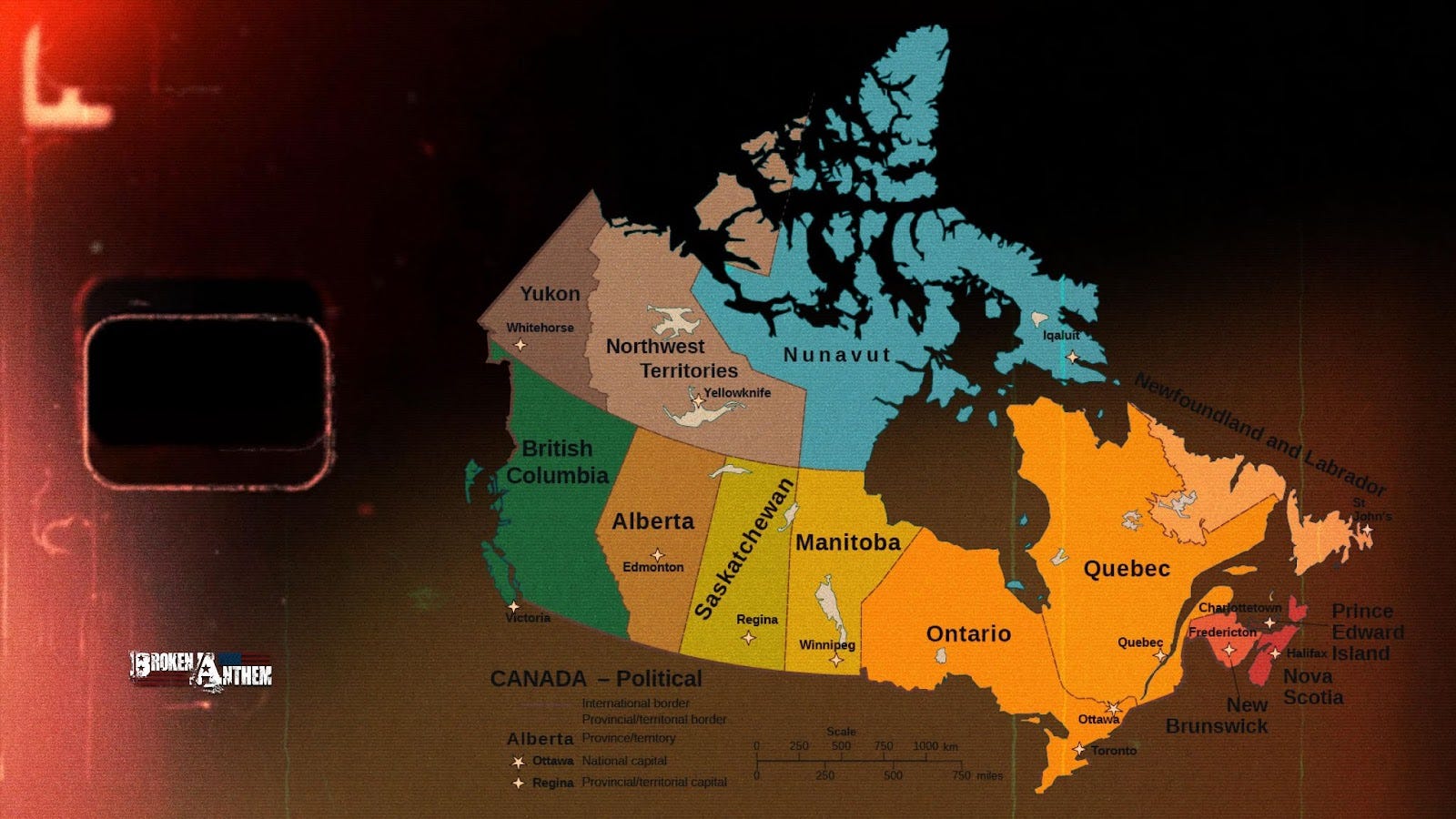
The Cullen Commission is a 2022 groundbreaking report funded by the British Columbia government that details the infiltration of organized crime in the province’s casino and real estate sectors by Chinese triads, laundering billions of dollars in the process through illegal “loan-back” operations that allow drug money to be funneled and disguised as a legitimate investment. The report highlights how organized crime is an underground map of world power, and how Canada is an important node.
Independent Journalist Sam Cooper of The Bureau News has diligently reported on Canada’s criminal problems. He published an analysis of the testimony of Dr. David Asher (former senior investigator working with the State Department, CIA, and DEA Special Operations Division) who revealed how Chinese Narcos in Toronto are "command and control" for the entire North America money laundering networks. Dr. Asher reports:
In almost all the investigations as far as money laundering, we’d seize their phones, and see Canada light up like a Christmas tree.
His testimony and the collected facts beg the question, has China’s deep state revived the CIA-mafia collaboration operation playbook in Canada?

The most significant organized crime groups in Canada are Chinese Triads, especially in cities like Vancouver and Toronto. With different factions from Hong Kong and mainland China. One of the best documented is the Hong Kong originating Big Circle Gang, a splinter group of former Red Guards that supported Mao Zedong, that carved out a foothold in Canada in the years leading up to 2000. During the 1990s, this group was alleged to be involved in the high volume trafficking of heroin, Canada was its major shipping point for heroin from Southeast Asia. That led to a high-profile 1998 bust of an international heroin operation connected to the infamous Tse Chi Lop that implicated a Vancouver resident and resulted in multiple arrests and the seizure of millions of dollars worth of drugs.
In 2022, a large-scale operation by Canadian law enforcement named Project Endgame, targeted transnational crime, that arrested Chinese Triad-affiliated members connected to money laundering in Toronto and Vancouver. These operations channeled hundreds of millions of dollars in illicit funds without the cover of formal banking, directly linked to organized criminal gangs in China and Hong Kong, who then use the Vancouver Model and Snow Washing to insert illicit funds into the Canadian economy. A 2024 arrest of three human traffickers reveals how deeply depraved these criminal networks are.
The word Triad represents their three-pronged symbol traditionally associated with secret societies. The triad is essentially a triangle, like a pyramid.
The Combating Money Laundering in BC Real Estate report published in 2019 reveals $7.4 billion CAD was laundered in British Columbia in 2018; about 2.5% of the province’s GDP. Much of the money, up to $5.3 billion CAD, was laundered through real estate purchases, driving up housing costs by an estimated 3.7% to 7.5%. The report also highlights international flows of illicit funds that include the U.S., Europe, South America, Asia and China.
The findings highlight the vulnerabilities of BC’s financial and property sectors, with money laundering networks able to extract money from organized crime into the legitimate economy due to weak regulatory frameworks, with methods such as the Vancouver Model.
The report concludes that urgent enforcement, transparency of property ownership, and financial intelligence capabilities must be improved to stop the flow of criminal proceeds being laundered into BC’s economy.
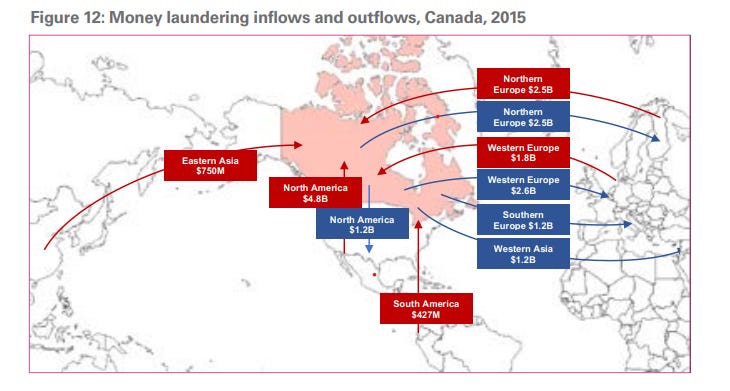
The report addresses Suspicious Transaction Reports (STRs) and made a concerning statement:
Canada is the only country for which the gravity model has been run that was unable to provide data about the proportion of STRs by country or a ranking of the money laundering threat posed by other countries.
This deficit in financial intelligence puts Canada in a weak position in confronting international money laundering, lacking country-specific tracking measures. This allowed Canada to be the host of illegal activity associated with foreign criminal organizations and state actors, due to poor regulatory oversight of analyzing financial intelligence.
In response to recommendations of this report Canada established the Financial Transactions and Reports Analysis Centre of Canada (FINTRAC) and introduced the Land Owner Transparency Act (LOTA), which created the Land Owner Transparency Registry (LOTR). This was Canada's first public registry for disclosing individuals with direct and indirect interests in land. However, these legislative efforts have not ended the use of anonymity in property ownership in Canada. The use of bare trusts, where the legal title of property is held by trustees for the benefit of beneficiaries, with no requirement to disclose beneficiaries' identities to the public. In practice, due to these limitations full transparency is not always achieved, and properties can be owned by entities that obscure the true identity of the beneficial owners.
Following President Trump’s 2024 U.S. elections victory, Canada significantly tightened its anti-money laundering and counter-terrorist financing framework amid rising international pressures. In November 2024, Canada put forward amendments to the Proceeds of Crime and Terrorist Financing Act in order to bring sectors previously unregulated under oversight. By December 2024, major compliance failures at Canadian banks prompted the Canadian government to push for stiffer penalties and increased coordination among FINTRAC and other financial agencies. FINTRAC also announced that they will be implementing a scorecard system to leverage artificial intelligence to provide real time feedback on money laundering risks, which is expected to enhance monitoring capabilities.
Although these efforts signal a more aggressive approach to combating financial crimes, Canada has not remedied its gaps in Suspicious Transaction Reports, a long-standing issue that prevents it from fully addressing international money laundering networks allowing loopholes to persist. This underscored the necessity of President Trump to apply pressure to Canada early in his 2nd term with the threat of a substantial 25% tariff. His call for a Joint Strike Force to combat organized crime is needed to unify Border Security agencies, intelligence and law enforcement to push back against the growth of criminal networks on the North American continent.
The reputation of mobs and cartels paying off dock workers to overlook certain containers is affirmed in present tactics. The Canadian government acknowledges that only a “small percentage” of shipping containers are actually checked, others report just 1% oversight. This is a contributing issue with imported chemicals from China to facilitate the production of fentanyl, which can be snuck into shipping crates.
Ports in Canada are a vital marketplace for transnational criminal organizations. The Big Circle Gang, another Hong Kong organized crime group in Canada, have played a role in human trafficking, by exploiting Canadian ports along with the financial system. These ports also are points of entry for precursor chemicals from China that are needed to synthesize synthetic opioids, like fentanyl, that Mexican cartels oversee the production and distribution of. While the Chinese government denies blame, they possess the largest chemical manufacturing sector globally, approximately 45% market share. When drug cartels want chemical ingredients, China is a first stop.
An investigation by Presia Security Consulting was commissioned to assess organized crimes access to operate in ports. Their 2011 publishing confirms that corruption is a contributing cause, as well as a willingness to work together between distinct criminal factions. They report:
the use of corrupt labours working at port terminals. These employees were often in influential positions critical to unloading, storing, and moving shipping containers from ports.
An Organized Crime Research Brief published in 2022 by Public Safety of Canada, reveals the types of material being shipped in, and from who. They affirm:
Increased precursor chemical shipments for domestic synthetic drug production.
Export of domestically-manufactured synthetic drugs to marine ports abroad.
The Port of Vancouver is the principal marine gateway into Canada, and inbound (precursor chemicals) and outbound (synthetic drugs) smuggling is largely controlled by Chinese criminal networks.
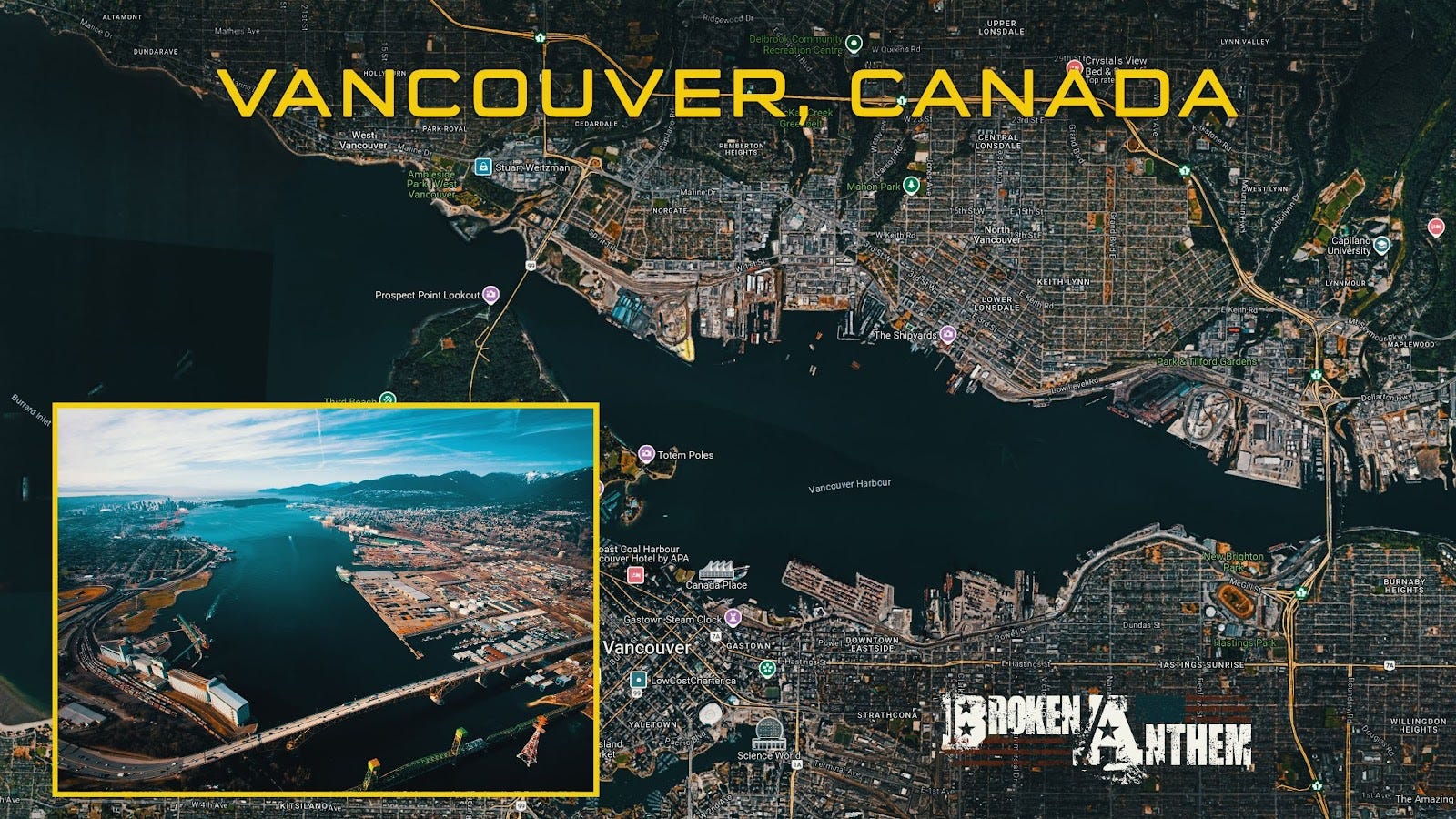
Reports Publicly disclosed in 2023 of investigations by the Canada Border Services Agency (CBSA) and Canadian Security Intelligence Service (CSIS) reaffirm port operations being exploited for organized crime and smuggling. Delta Mayor George Harvie in British Columbia affirms, along with local law enforcement, that ports are largely unpoliced, and this enables the fentanyl crisis.
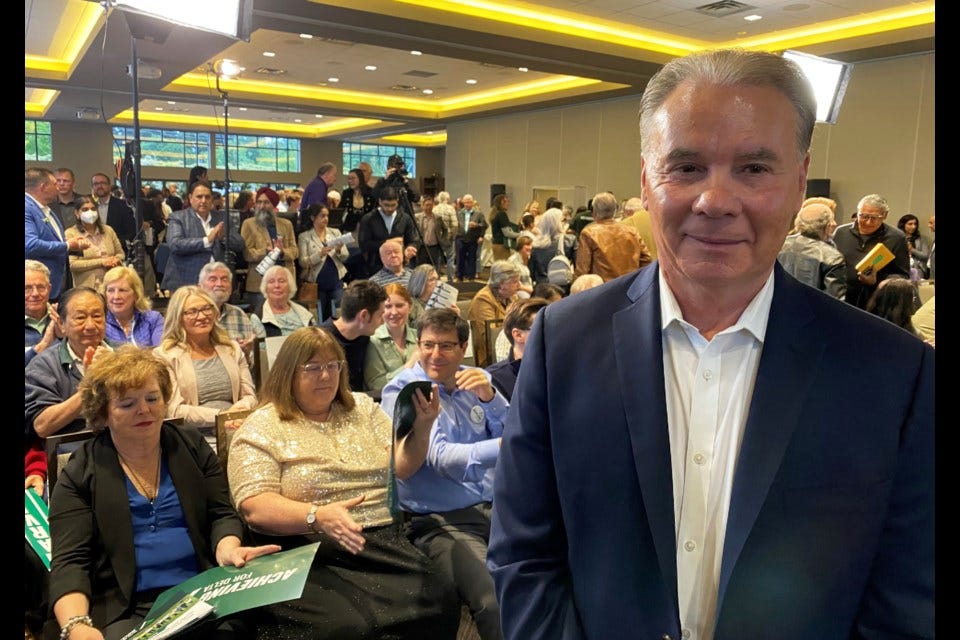
Mayor Harvine says:
So here we are talking about a fentanyl crisis and everything that the provincial government is trying to do, yet the federal government is ignoring the fact that it's an open season for the cartels and others to take advantage of lack of policing at the port to have their products put through and then supplied through the Lower Mainland and throughout the country.
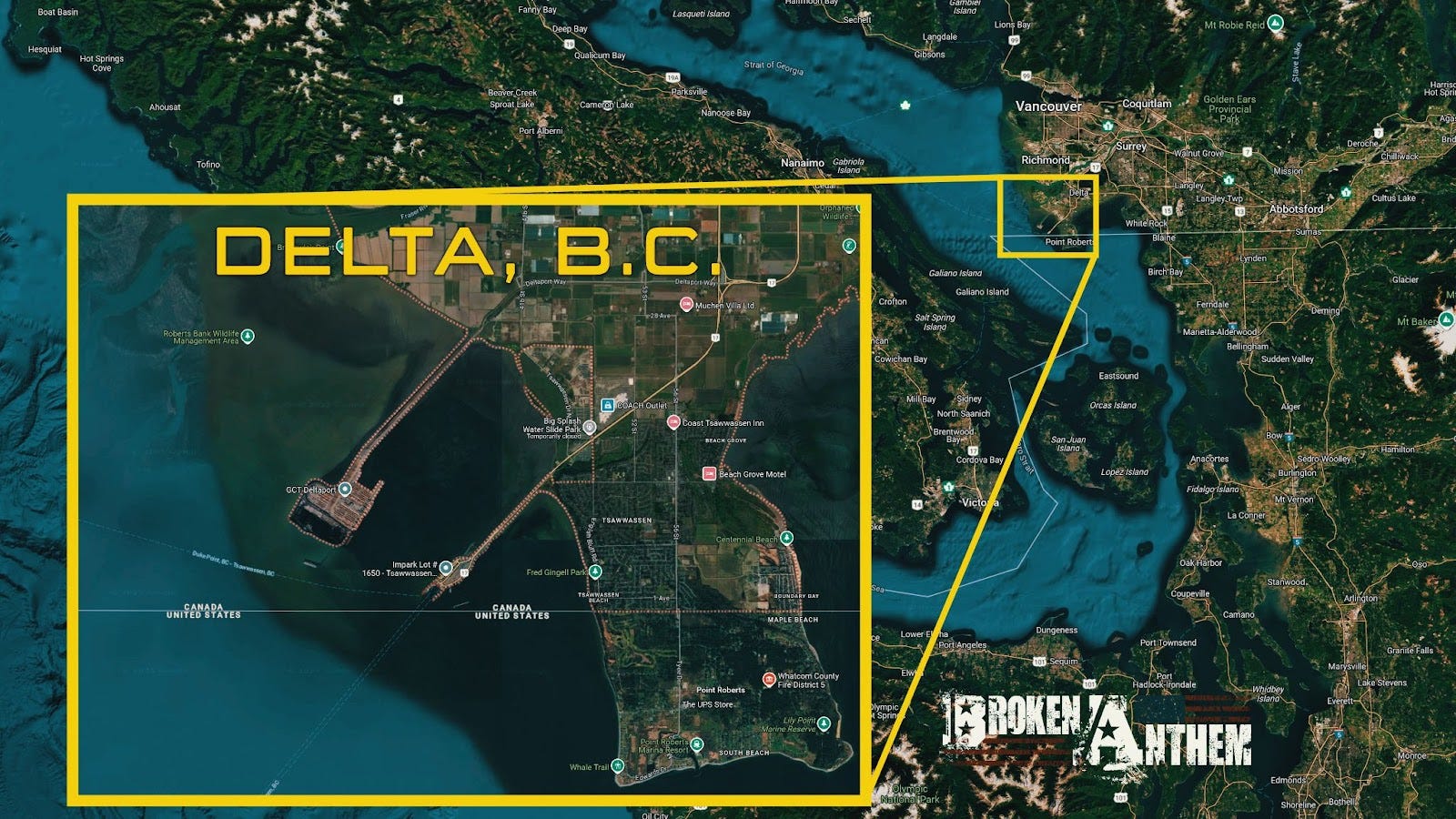
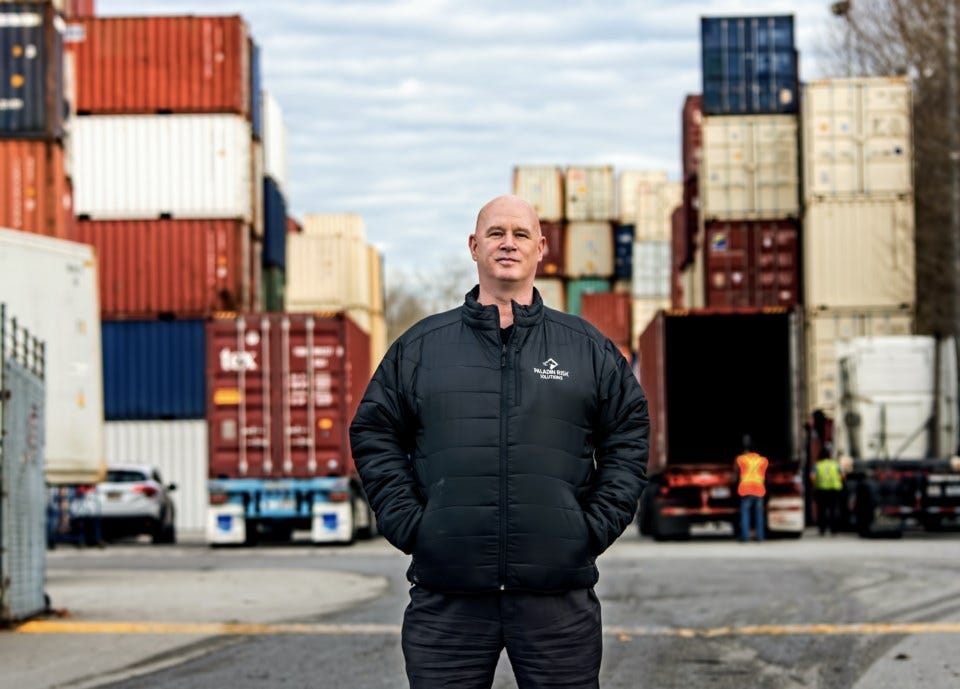
An additional concern regarding the port ways of Canada is information gathering disguised as critical infrastructure. Crane contracts from a Chinese Communist Party backed company, failed to disclose the inclusion of cellular modems, unknown until discovered during a U.S. congressional investigation that released a letter dated March 8, 2024. The Chinese-made cranes, from Shanghai Zhenhua Heavy Industries Company, contain a cellular modem, and these cranes were also commissioned and installed in the ports of British Columbia. The modems can be accessed remotely, raising fears of espionage and data collection from the Chinese government.
it would behoove Canada to work with Americans to identify, disrupt and mitigate any efforts by the Chinese to install software in critical Canadian infrastructure, such as these cranes.
This is nothing new. This is a continuation of hybrid warfare efforts conducted by the Chinese.
- Scott McGregor
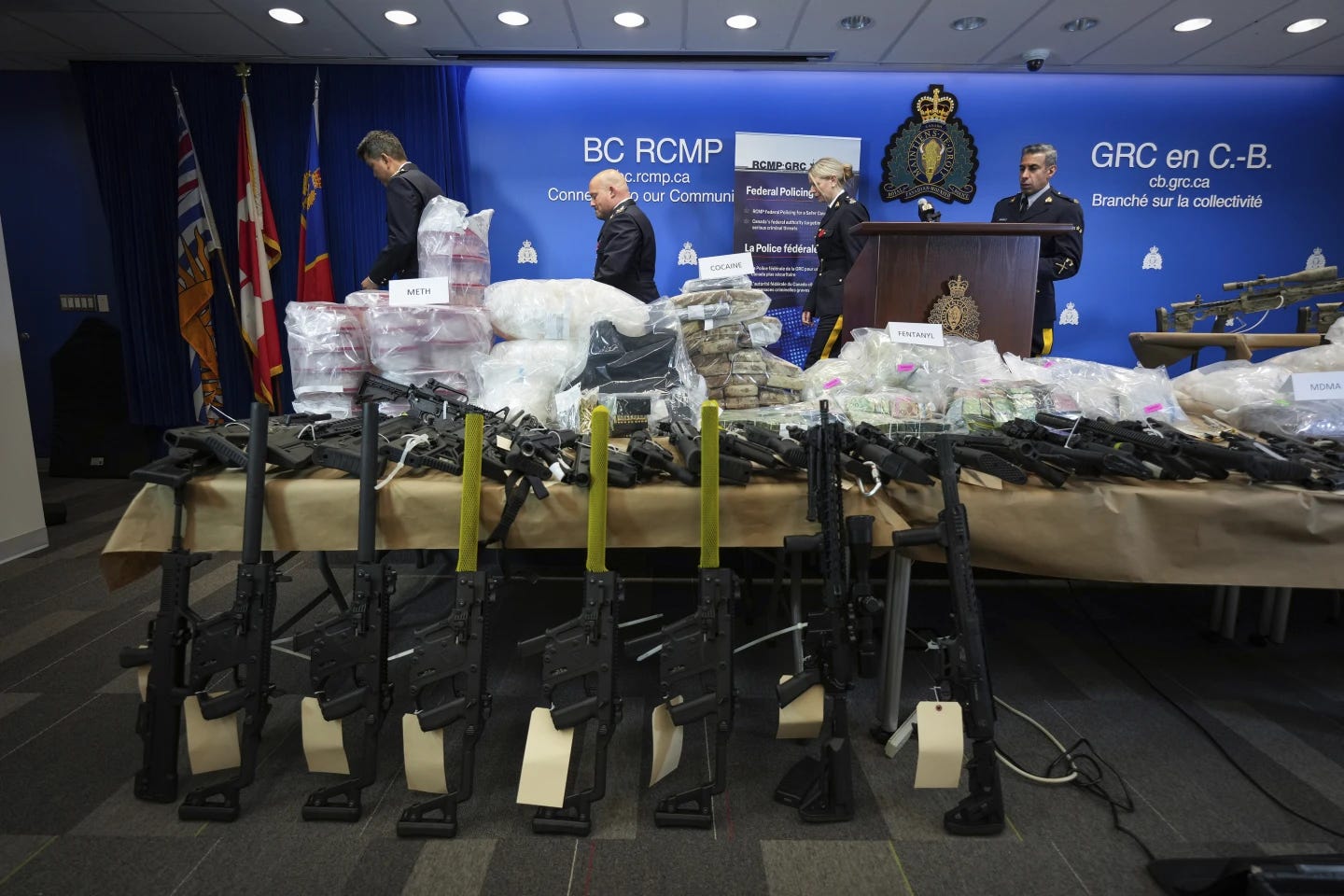
Between 2014 to 2019, over 11,000 firearms were recovered in Canada and traced back to the United States. Canada is a destination point for illegal guns from the U.S., taking advantage of the weaknesses in cross-border enforcement, criminal organizations such as Chinese triads, Mexican cartels and local gangs in Canada smuggle guns into and out of the country. The 2024, Canadian police busted an illicit drug "SUPER LAB" in British Columbia that seized 89 firearms. This incident demonstrates that Canada became a new production location, with the seizure of 860 pounds of Meth, 77 pounds of Cocaine and 27 million lethal doses of Fentanyl.
Operation Centaur began in September 2021 by the government in Quebec, involving multiple government agencies that led to the discovery of a firearms traffickers' network transporting weapons into Canadian ports and airports. Of all the provinces they have the lowest rate of violent gun crimes amongst all the provinces. In Canada throughout the year 2020, approximately 85% of all handguns seized in Toronto were traced back to the United States.
To conduct international criminal enterprise, a critical obstacle to overcome is evading law enforcement by obscuring identity and criminal history. A whistleblower came forward to the Canada Border Services Agency (CBSA) as early as 2009 disclosing that transnational criminal organizations have accessed their databases. Such a breach would allow terrorists, spies, and the entire spectrum of organized crime to enter Canada. When Luc Sabourin, a former officer of CBSA, blew the whistle in 2023 before Canadian Congress, he testified to retaliatory workplace harassment by management and colleges, and was threatened at his home by a known drug trafficker linked to Mexico's Sinaloa cartel, with hostile shouting about his family at their home. Sabourin says he believes a colleague inside the CBSA leaked his home address, an allegation that highlights the extent of criminalized corruption that has infiltrated the Canadian government.
Another area of concern are passport fraud cases which pose a serious national security risk. Organized crime groups and terrorist organizations have increasingly exploited stolen or forged passports to allow for human trafficking and terrorism by travelling internationally, the Organized Crime and Corruption Reporting Project (OCCRP) reported. Although airplane hijackings are a rare event in the context of passenger security, the 2014 disappearance of Malaysia Airlines Flight MH370 thrust the issue of passenger identity verification into global focus when it became known that two of the flight's passengers boarded using stolen passports. We may never know who they are or what they were up to. During the fiscal year 2017-2018, 1,000 Canadian passports on average were lost or stolen every single week, leaving room for identity fraud and illicit activities.
We must remember the events of 9/11 2001 were enabled by passports. We need to fix this, secure the border!
When embarking upon understanding the criminal operations ongoing in Canada, a pattern of law enforcement failing to achieve results emerges. This frustration has been expressed by brave law enforcement willing to speak out, we need to hear their stories. Let’s rewind in time to learn the patterns and methods.
Terry Mallenby is a former federal peace officer and Classification Officer at a British Columbia maximum security prison who took a concerned interest in his perpetual observation of negligence in Canadian law enforcement, so he took to publishing his findings. One published work titled “What kind of "wacky" police force is that?,” he documents in that book the following critical accounts of corruption.
Brian McAdam is a former Canadian diplomat from 1991 to 1993 who became a whistleblower on national security concerns. He discovered evidence of Chinese government espionage and infiltration in Canadian institutions during his tenure at Canada's consulate in Hong Kong. His disclosures exposed weaknesses in Canada’s immigration and security systems. His testimony states:
I discovered that these Triad people (members of secret Chinese organized crime fraternities that have ties to members of the Hong Kong business community) were regulars at getting visas to visit their families or go on holidays as the case may be, and yet clearly on the file was intelligence information identifying who they were.

McAdam’s investigation revealed that Triad members with connections to embassy staff would offer bribes, such as expensive watches or fancy cars, in exchange for return favors later. In the midst of the 1984-1997 abdication of Hong Kong by the United Kingdom, formerly the British Empire. The fear of the law enforcement caused criminals to scurry, and many chose Canada as their escape.
The United Kingdom’s exit from Hong Kong increased the migration of criminal networks into Canada. Let that sink in, the British Empire's exit from Hong Kong increased the migration of criminal networks into Canada.
This is a concerning revelation as this would indicate the British Crown was relaxed about criminal law enforcement. And the United Kingdom/City of London still carries influence in Canada.
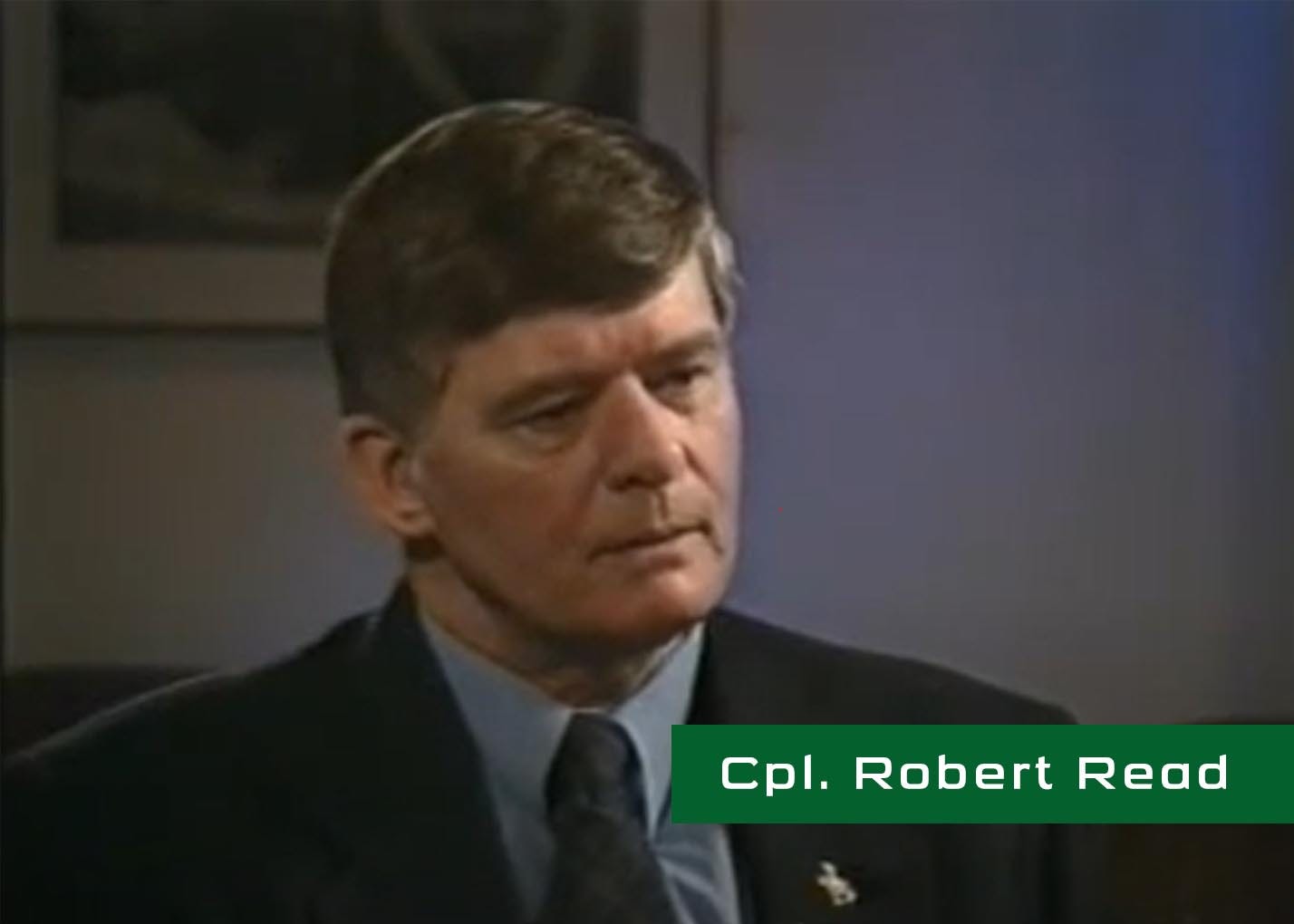
Corporal Robert Read is a former Royal Canadian Mounted Police (RCMP) officer and a whistleblower on corruption and systemic issues within the Canadian immigration system. Both Read and McAdam’s stories intertwine over immigration with Chinese Triads through the Canadian Embassy in Hong Kong. They have alleged that between 1986 and 1992 the computer system at the Hong Kong consulate was infiltrated and that files were altered to allow criminals to get into Canada.
In 1992, a Department of Foreign Affairs computer expert, David Balser, conducted a probe into security breaches at the Canadian High Commission in Hong Kong. His top-secret report confirmed unauthorized staff accessing the system to approve visas with a simple check mark and erase criminal records. In 1995, Liberal MP David Kilgour wrote to Prime Minister Jean Chrétien, warning "highly irresponsible and/or illegal practices" while calling for a public inquiry, but his request was never acknowledged.
These events initiated a report covering 1990 to 2000 called Project Sidewinder, a joint investigation by the Royal Canadian Mounted Police and the Canadian Security Intelligence Service with the aim to assess China’s penetration of Canada. Early efforts resulted in a weak first draft and reports of missing documents, which raises questions of sabotage. Robert Read was assigned to the case in 1996, he realized this investigation was intentionally being sabotaged by his superiors seeking a cover-up, so he filed an obstruction-of-justice complaint in January 1998 which allowed the investigation to continue.
In 1999, Robert Read broke his oath of secrecy and went public about the Hong Kong scandal. The RCMP took the unprecedented step of outright firing the 24-year veteran for professional misconduct. But Read appealed the decision, and in 2003 the RCMP’s External Review Committee issued a stinging rebuke of the force’s treatment of the case. Read commented:
an immigration fraud ring was operating within the very premises of the mission and possibly involved employees of the Government of Canada.

Scott Newark is a former Alberta Crown prosecutor and a former member of Canada’s National Security Review Agency, his assessment is a striking rebuke of Canadian officials. Newark commented:
For me, the larger issue here, the thing that is most problematic is not even all of the clear wrong-doing going on in Hong Kong and the after-effects of that. It's the fact that the institution and the people involved who we give guns and badges to and swear public oaths and that have the obligation to investigate and enforce the law decided that their duty was not to do that.
The exit of the British government from Hong Kong led to the disclosure of these methods, and a deeper understanding of how international crime syndicates operate. We must allow the patterns of the past to inform our perception of what is unfolding in our time.
Despite knowledge about growing problems in Canada, Trudeau’s government has failed to act decisively. There are several key issues swirling around him that have rattled the position of this 2nd generation politician.
A controversial Liberal Party fundraiser led by the Chinese Business Chamber of Commerce was attended by Zhang Bin, a billionaire advisor to the Chinese Communist Party in 2016. Zhang later promised a $200,000 donation to the Pierre Elliott Trudeau Foundation. This donation was part of a more extensive commitment of $1 million that included $750,000 for scholarships at the University of Montreal's Faculty of Law.
In 2016, press reports detailed Prime Minister Justin Trudeau's appearances at exclusive fundraisers where access cost attendees as much as $1,525 per ticket, including those connected to the CCP.

The People’s Republic of China sought to interfere in Canada’s 2019 and 2021 federal elections by targeting preferred candidates with campaigns of disinformation and undeclared donations, investigations have revealed. China's Ministry of State Security and United Front Work Department worked to help liberal government preserve power through disinformation campaigns, covert funding and mobilization of volunteers for preferred candidates. These revelations are concerning after a full sweep in the 2024 U.S. election for conservative policy in a bold rebuke of the liberal agenda…that China funds.
Escalation of tactics occurred in 2023 when a Chinese intelligence officer and a Toronto-based diplomat named Wei Jo targeted Conservative MP Michael Chong's family for harassment in retaliation for the politician's support of a motion calling the treatment of Uyghurs as genocide. The Canadian government hesitated to expel Wei Jo — saying it would be a burden, economically and diplomatically. MP Chong rebuked the delayed reaction and added “Canada must work toward a stronger defence and security partnership with the United States and allies.” This demonstrates the audacity of factions from China to assert authority over Canadian independence in government.
China contributes an estimated $55 - 65 billion CAD annually to Canada’s GDP, representing about 2.5–3% of the total economy, primarily through trade, investment, and immigration. While this is a significant but not dominant share compared to the U.S., Canada’s economic ties with China, its role as the second-largest trading partner, may explain the government’s cautious approach to confronting Chinese operations that could risk disrupting this needed trade relationship. An economic battleground.
Assessments of known drug trafficking reveals that northern border crossings of fentanyl could kill 9.5 million U.S. citizens. That’s far too high of a potential loss of life to be ambivalent about.
All of these realities prompted a response from President Trump who committed to end the invasion of illegal immigrants and drug trafficking by international cartels. Threatening tariffs that would cripple the Canadian economy, became a mechanism for President Trump to motivate action from leadership.
President Trump has exhibited aggressive action to defend the interests of those who voted for him, and has taken Trudeau to task, calling him governor and stating that Canada could become the 51st state and that the Canadian Prime Minister is in reality a “governor.”
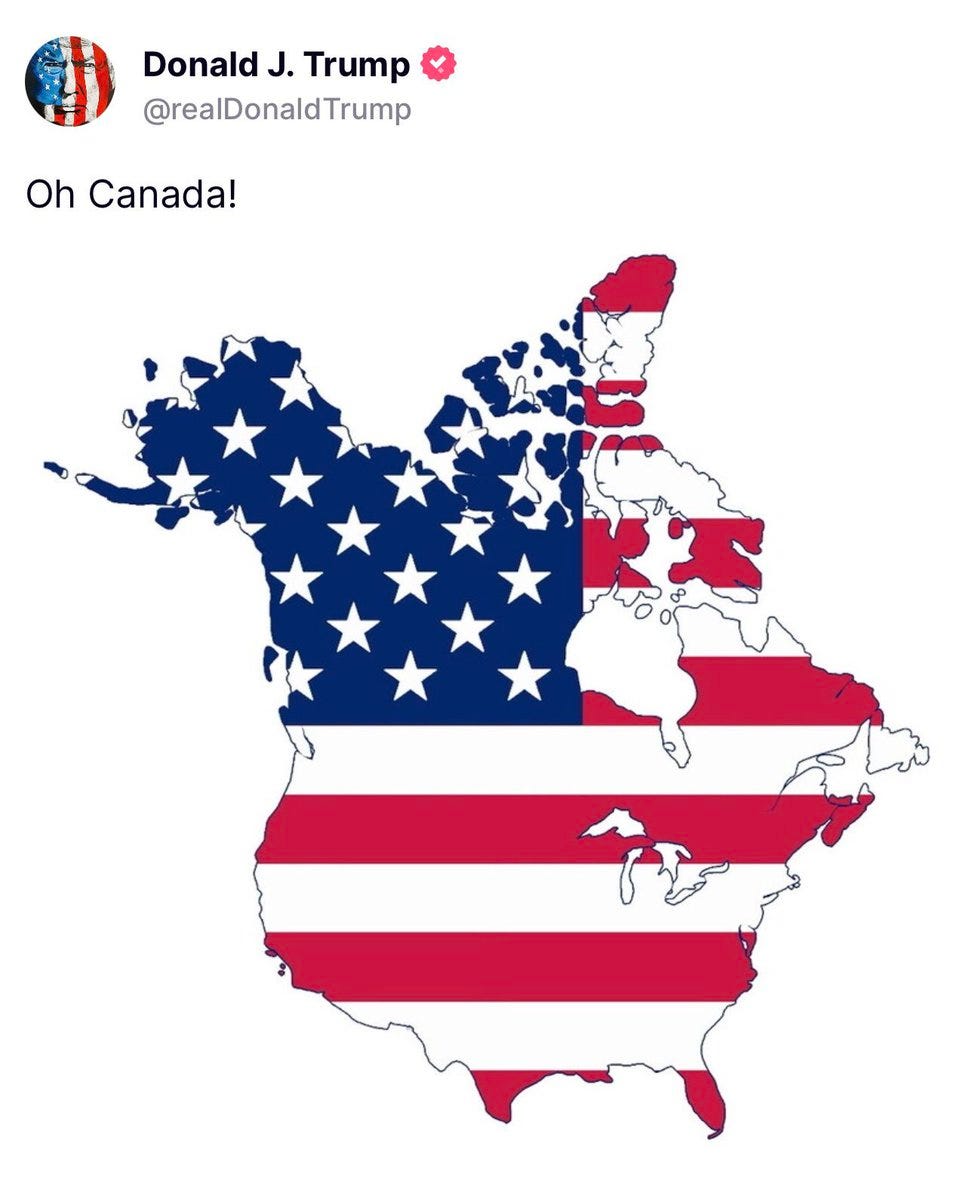
Under the weight of the mounting pressure and loss of support, Prime Minister Trudeau chose resignation.
During the one month delay on imposing a 25% terrif, the reality of being swallowed up by the United States is captured on a leaked audio. Trudeau is heard on a hot mic saying:
Mr. Trump has it in mind that the easiest way to do that is absorbing our country and it is A REAL THING!
While awaiting the next election Trudeau appointed Kevin Brosseau as Canada’s first fentanyl czar, following through on the previous request by President Trump for the new position. Brosseau is former deputy commissioner of the RCMP, which has a history of failure to uphold laws while looking the other way. He’s also been in the Trudeau cabinet as a deputy minister and an adviser since 2019. This doesn’t signal change.
Of the tools of the corrupt that are contributing to the criminal trafficking in and out of Canada is through their banking system. Canada maintains one of the most tightly regulated financial systems in the world, for the purpose of stability and preventing financial crises. Yet, Canada’s government must answer to the years of documented revelations of money laundering in real estate and at casinos, with estimated illegal transactions exceeding $100 billion annually. Recent growing concerns from fentanyl and illegal immigration require a fresh review, beginning with potential Chinese espionage operations in Canada through banking.
The Bank of China (Canada) is a wholly owned subsidiary (wholly foreign owned enterprise) of Bank of China Limited, with branches in the major cities of Toronto, Vancouver, Calgary and Montreal. Although it seems to operate as an independent entity, its board of directors reports to Shanghai and its strategic decisions are shaped by China Central Huijin, the Chinese government’s investment arm.
The firing of Liu Liange, the former chairman of the Bank of China, in March 2023 amidst a corruption probe initiated by President Xi Jinping, found he took bribes of more than $16 million, exemplified Beijing’s growing dominance over state-owned companies and corruption. Liange has been sentenced to death.
2012 allegations of Bank of China’s facilitation of international financial transactions linked to Hamas from New York through mainland China, have also led to lawsuits against the financial institution. Questions linger over the presence of subsidiaries in Canada, and a hub of international connections exploiting their easily evaded laws. This reality could be the covert cause of President Trump’s actions to deport Hamas backed groups operating in the United States.
Industrial and Commercial Bank of China (ICBC) established itself as a global anchor for China’s currency, the Renminbi (RMB). There is also a wholly-owned subsidiary ICBC (Canada), which provides RMB-related retail, corporate and institutional services. They partnered with UnionPay International to become the first Canadian institution to launch a CAD-RMB dual currency credit card in 2013, aimed at providing shared cross-border transaction volume to businesses and individuals. These actions enable cross border money laundering and underground banking, while also evading American oversight.

When government operations want to hide their actions, what do they do? PRIVATIZE!
This federally chartered bank was built to serve the Chinese Canadian community, and was launched in 2016 with murky origins. Wealth One is privately owned in Canada unlike the other major banks, with a principal goal of providing mortgages. Let’s look at each founding investor:
Shenglin Xian: the founder and vice-chair, while also president of Shenglin Financial Corporation. His career controversy began in 2013 when the Insurance Council of British Columbia fined him for issuing life-insurance policies when he hadn’t obtained proper written authorization. He was also fined for selling Chinese immigrants overpriced insurance policies.
Yuansheng Ou Yang: A successful entrepreneur, Ou Yang is the president of the Ou Yang Group, a multinational corporation with business activities in China and North America. His interests range from real estate development to international trade to medical technology to multiple large-scale wholesale and retail grocery operations. He’s been under scrutiny for false claims about his positions in China's legislative and advisory bodies.
Morris Chen: A leading real estate developer, holds the title of chairman of the North America Investment and Trade Promotion Association, which seeks to establish investment and business connections among Chinese and North American companies.
Wealth One Bank has been under regulatory scrutiny as their practices leave them vulnerable to spying and espionage operations. In February 2023, reports indicated that the Canadian Security Intelligence Service (CSIS) had been conducting an investigation of the bank’s main shareholders since 2021 due to national security concerns. In September 2024 they ordered the founding investors to leave the bank over links to the Chinese Communist Party and money laundering allegations and were forced to divest. Going forward the government required substantial changes to operating procedures, including prohibiting the use of communication platforms like WeChat and enacting data privacy and security. The Banking mogul Shenglin Xian is now suing the Canadian federal government.
Canada has strict banking regulatory control, and yet they have a MASSIVE money laundering problem that aids the fentanyl epidemic in North America. And China is a motivator behind this problem, just as the CIA used the mob in past operations. Infiltration, not invasion. With the U.S. empowered with superior surveillance and enforcement, vulnerabilities make Canada an easy access point for financial trafficking on the American continent. Connect the dots.
The question is simple, who would you prefer in the dominant position with Canada, the United States or China? Now is the time to be tough on China, as China is asserting their power against Canada.
All of the attention and pressure on Canada triggered Progressive Conservative leader Doug Ford of Ontario who threatened to “rip up” a $100 million contract with Elon Musk's Starlink amidst U.S. tariff threats. Showing they are willing to leave their rural citizens in the internet dark, to push back and retaliate against President Trump’s 2nd term administration. What do they want to prevent?
The mounting evidence is the reason for threatening retaliatory pain, they have corruption to hide.
list cartels as terrorists, ensure 24/7 eyes on the Border, launch a Canada-U.S. Joint Strike Force to combat organized crime, fentanyl and money laundering.
In 2025 an indictment on conspirators from Los Angeles committing fraud caught sending money to China in the amount $59 million was announced. These are the results of investigations ongoing to secure the North American continent, and discoveries will grow with the newly agreed Joint Task Force cooperation from Canada, held accountable as part of sweeping reforms occurring in the United States.
On the Andrews Airforce Base tarmac President Trump referenced “banks” and then later posted on Truth Social of “money laundering” and a “Joint Strike Force to combat organized crime” within Canada. Collecting the information we have presented on the financial sector, infiltration of ports, drug trafficking, espionage and stolen passports paint a different picture of the situation, not covered in the surface level headlines and brief social media posts.
In the first month of the second term of President Trump, the citizens are unleashed and the America First - Agenda 47 promise to secure our borders is underway.

No posts
Comments
Nothing yet. Say the first thing.
Sign in to join the conversation.