
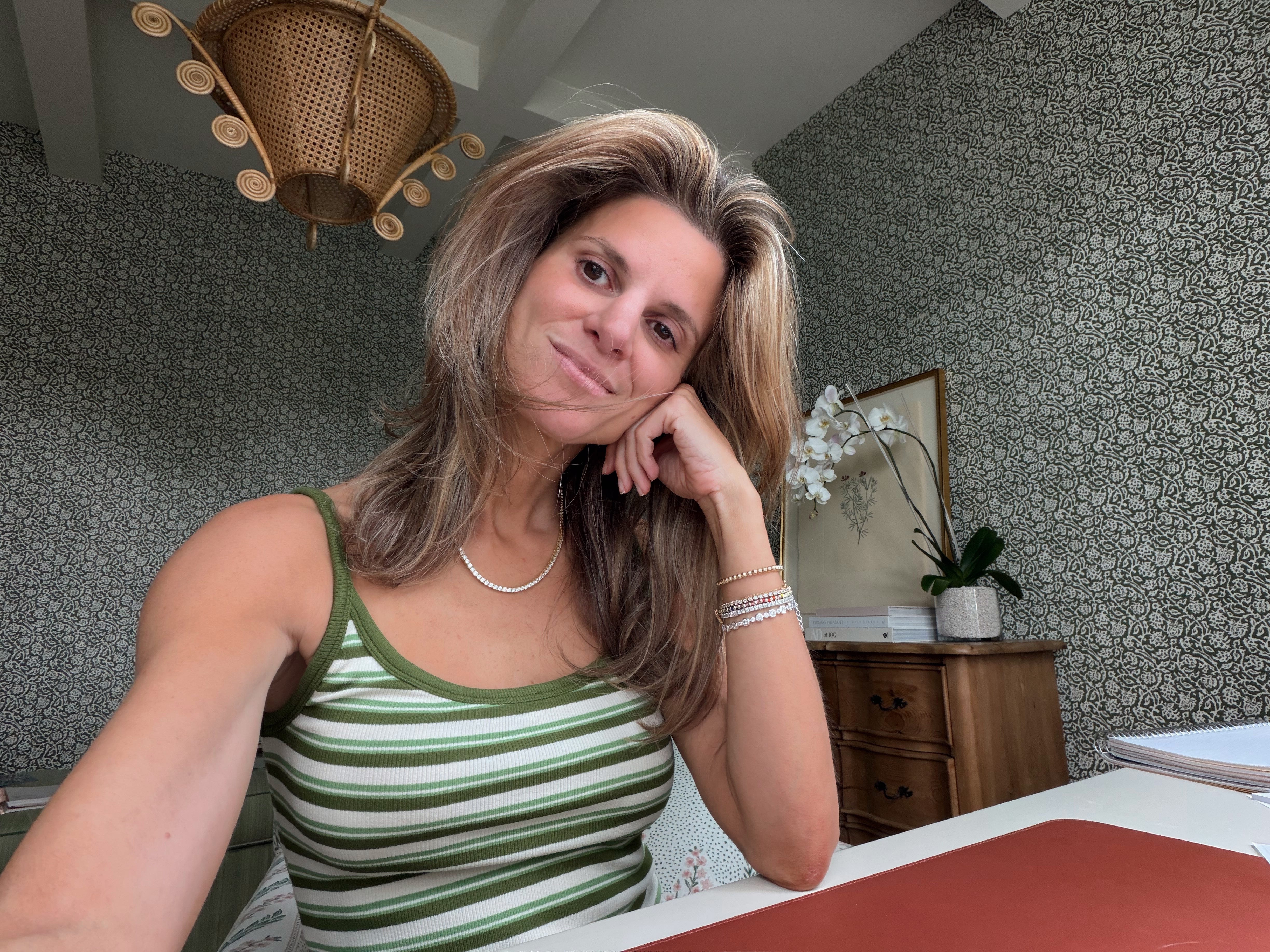
I’ve been doing this long enough to remember when the whole thing was simpler.
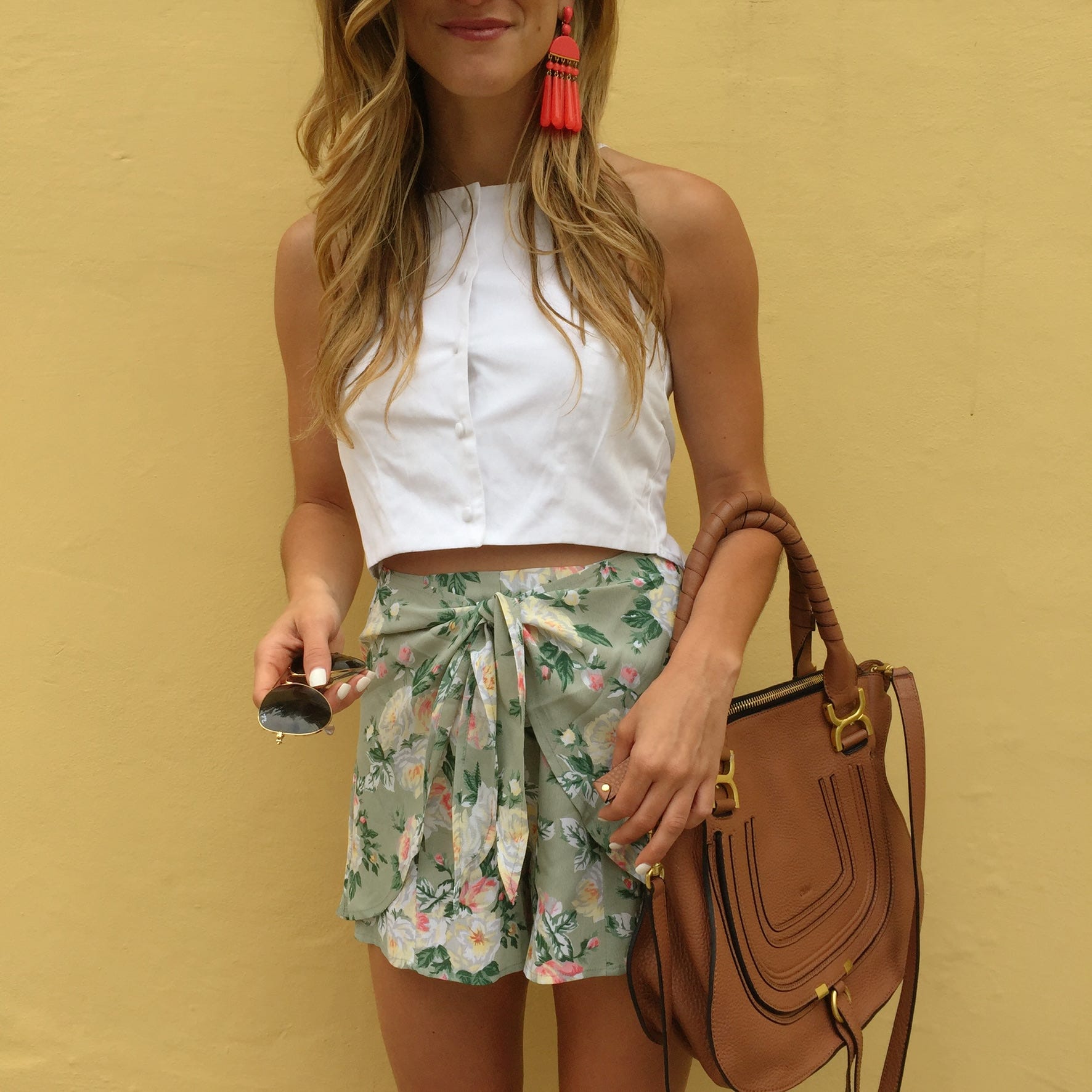
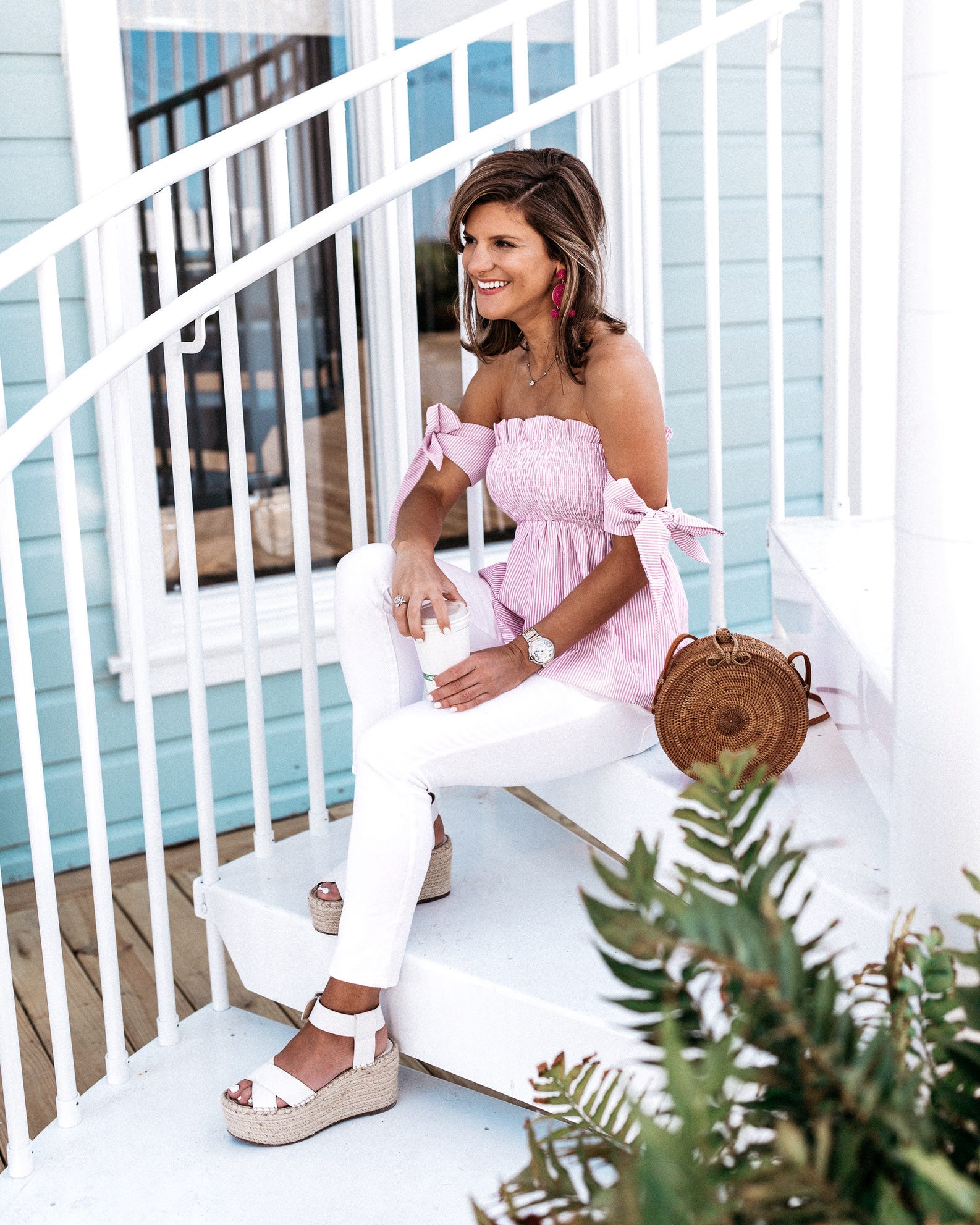
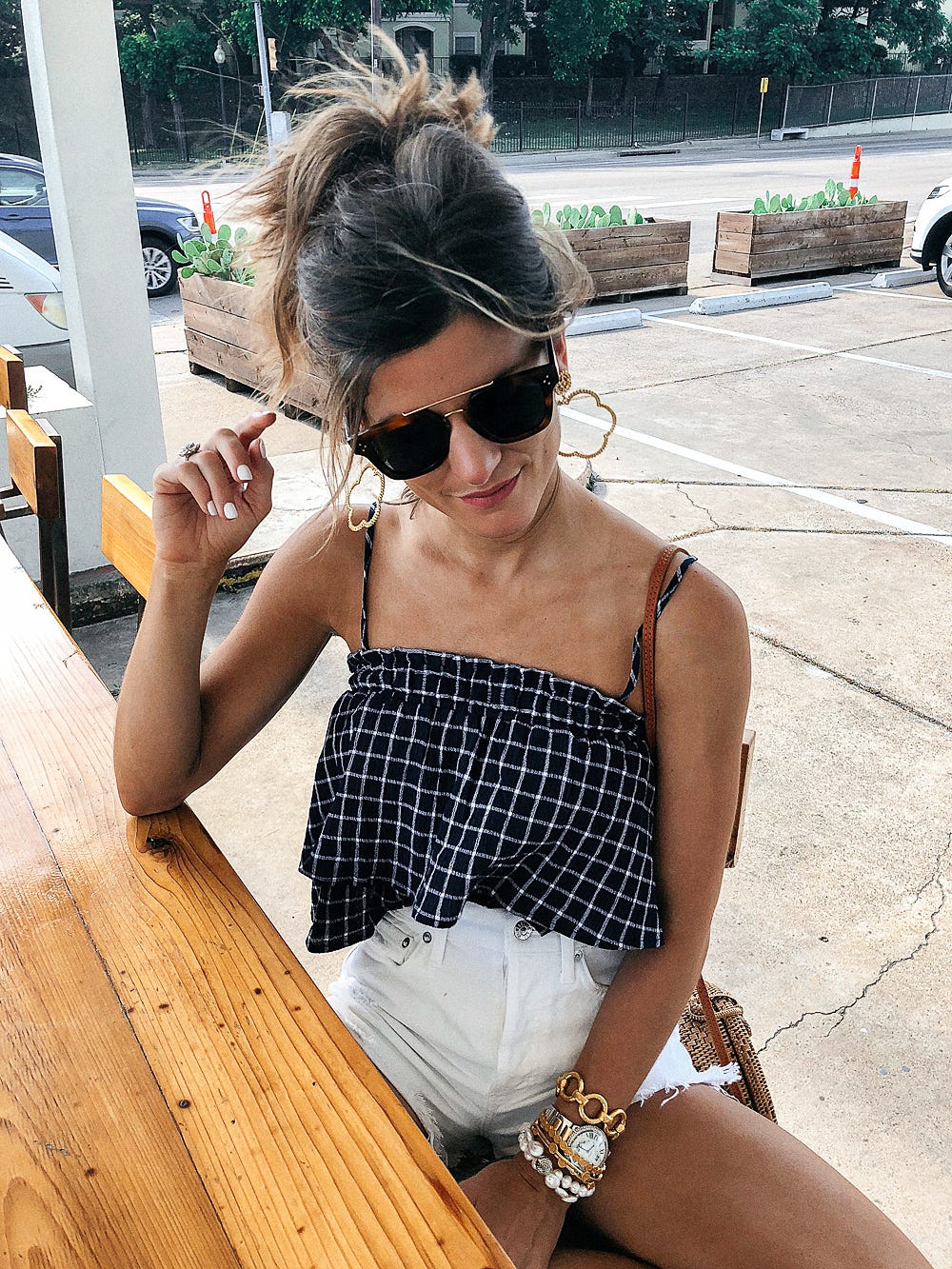
Before Instagram Stories launched in August 2016, it wasn’t really about sharing your life. It was about sharing your moments. Here’s what I wore to get tex-mex with my friends. Here’s what I had on at my brother’s graduation. Here’s the outfit I threw on to run errands. Photos. Grids. The occasional caption that actually said something but mostly didn’t have to.
That was the product. And embedded in that product was a business model that, if you were paying attention, could actually work: affiliate links. Someone sees the jeans, clicks the jeans, buys the jeans. You get a cut. Repeat.
I’ve been doing that since 2011. It’s the common thread through everything. And for a long time it made sense because the content and the commerce were the same thing. The outfit was the post. The link was the point. Nobody felt sold to because nobody was being sold to…they were just shopping alongside someone whose taste they trusted.
Then Instagram Stories changed everything. Suddenly we were sharing our lives in real time. The window got bigger. The access got deeper. And the audience relationship shifted from I like her style to I feel like I know her. That intimacy was good for business, honestly. It made the affiliate links feel more like a recommendation from a friend than an ad. It worked.
But something is shifting again. And this one feels bigger.
I can feel it in what I scroll past. I can feel it in what actually stops me. I can feel it in my own content — which posts land and which ones just disappear. The numbers are pretty honest if you’re willing to look at them.
People still want to see your life. That doesn’t go away. But it’s becoming secondary. There’s this quiet expectation that’s been building underneath everything, and I think it’s finally loud enough that you can’t ignore it: Show me what you actually think. Give me a reason to be here besides the aesthetic.
My theory is that over the next five to ten years, the creators who rise are going to be the ones whose life online and life offline are actually the same. People with real values driving their content. Real opinions they’re not afraid to say. The gap between the person and the brand closes until there’s basically no gap at all.
Alignment. I hate how that word sounds but I don’t have a better one.
Here’s where it gets real.
I believe that shift is coming. Well, I actually think it’s already here honestly. I think it’s good, actually.
Good for audiences and honestly good for those of us who have been quietly exhausted by the performance of it all. But I’m also standing here in the middle of a business model that was built on something different. And the tension between those two things keeps me up at night more than I probably admit.
Because here’s the reality: I still need the clicks. I still need the conversions. Affiliate income isn’t just extra — it’s the engine. At least for me. It funds the business, it proves legitimacy to brand partners, it covers what it costs to actually do this. And to keep that engine running, there’s a certain level of posting and linking and converting that has to happen.
When I have a month where I’m deep in a faith essay, going through something difficult personally or processing something hard and I’m not posting outfits (or as many links as I usually do), I feel it. Financially, I feel it. So there’s this pull. Post more links. Move more product. Keep the numbers up.

I’ve felt that pull since 2015, honestly. Since I really started getting serious with LTK and the affiliate side of things started to actually matter to my bottom line.
That tension has never fully gone away. And for a long time I thought the tension meant something was wrong — that I hadn’t figured it out yet, that I was doing it badly, that a creator who had it together wouldn’t feel that conflict.
But I’ve come to think the opposite is true.
I used to think the tension meant I was doing it wrong. Like if I had it figured out, it wouldn't feel like a conflict anymore. But I've been wrestling with this since 2015 and I think I've finally landed on something: the tension isn't the problem. The tension is the point. If I stopped feeling it, that's when I'd actually have something to worry about.
I know what kind of creator I am. Not because I’ve never been tempted to push more links than I should, or lead with the sale instead of the story. But because every single time I’ve felt that pull, I’ve felt the other thing louder. The thing that says: they trust you. don’t waste it.
And then there’s the part nobody talks about. I mean nobody. I don’t see creators saying this out loud and I think it’s because it’s uncomfortable and a little unglamorous and it doesn’t fit the aesthetic of what we’re supposed to be selling.

The shopping hamster wheel.
Here’s what the business actually requires: new things. Constantly. Not because I’m greedy or because I need to impress anyone, but because the model only works if what I’m showing you is something you can actually go buy. If a top is sold out in your size, I’ve failed you. If I wear the same five pieces on rotation, eventually there’s nothing left to link and nothing new for you to shop. The content stops serving you.
There are evergreen pieces like Levi’s ribcage jeans, the A&F bra-free camisole,things that are always in stock and always relevant.
But there aren’t enough of those to build a content calendar around (at least not how my business is set up right now). So you shop. A lot. You order things not knowing if they’ll fit or drape right or work with anything else you have.
You unbox, you try on, you shoot, and you return what doesn’t work — which is more than you keep, because that’s just how it goes when you’re building outfits you’ve never seen in person before.
Ideally, every single piece you’re wearing in a post is linkable. That’s the goal. That’s what actually serves the person watching. And achieving that takes more work, and more shopping, than anyone on the outside probably imagines.
I’m not complaining. I want to be really clear about that. This is part of the job and I’ve chosen it and I’d choose it again. But it’s a part of the job that creates its own tension, especially as the industry shifts toward depth and point of view and meaning.
Because there’s a version of this where the shopping starts to feel like it’s driving the content instead of the other way around. Where you’re buying things in order to have something to post instead of posting things because you genuinely love them.
That’s the line I watch carefully.
It’s not always clean. But I watch it.
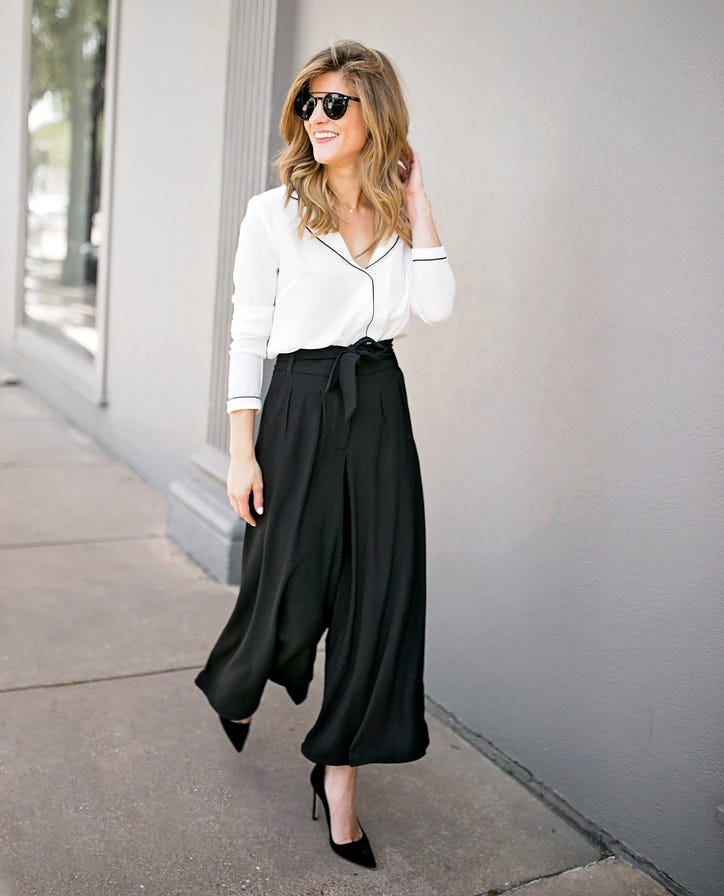
What I do know is this: the content of mine that performs best right now isn’t the pretty stuff. It’s the true stuff. The thing I said when I wasn’t sure I should. The opinion I held back for three weeks and then finally just posted. That tells me something.
I think the affiliate links and the point-of-view content can coexist. Sharing what I’m wearing to dinner and sharing what I actually believe about something that matters can live in the same place — as long as the links follow the life, and not the other way around.
That’s the line. I’ve been holding it for ten years. I plan to keep holding it.
So anyways, the shift is coming (or it’s actually already here in my opinion). I’m not scared of it and I think I’ve been getting ready for it longer than I realized.
Comments
Nothing yet. Say the first thing.
Sign in to join the conversation.