
Hi friends,
The identity crisis museums are facing today isn’t new.
But the reckoning is here.
With competition coming out of the woodwork in the form of immersive entertainment, experiences, and events, many institutions are finally being forced to answer one question:
Who are we?
And that’s a good thing.
Because the time for museums to evolve is long overdue.
What gets me excited about all this?
I’m seeing decisive action. Museums committing to change. Embracing new ideas. Committing to a future that will be decidedly different.
This week, I’m sharing stories that exemplify this moment. From museums new and old. From all corners of the industry.
Some are going all-in on cutting edge technology. Some are pulling back the curtain and taking guests behind the scenes. Others are doubling down on their location as the main attraction. You’ll even see our latest work at the Griffin Museum of Science and Industry.
Times may be changing, but it’s inspiring to see these institutions rise to the challenge.
- Eric
Ready for a different approach to your next exhibit?
Grab a time on my calendar and let’s talk strategy.

One of the smartest decisions a museum can make on a major permanent exhibit is bringing in an experiential partner from the very beginning. Powering the Future at the Griffin Museum of Science and Industry shows why. When the same team shapes the vision, then carries it through design, content, technology, fabrication, and installation, the result is cohesive at every level. In an era when museums are defining their identities through the experiences they create, that kind of continuity matters.

Even the most established institutions need to rethink how they show up. That’s why Versailles is testing the waters with AI. Visitors can now engage in real-time conversations with 20 statues in its iconic sculpture garden, creating a personalized experience that’s different every time. What I love about this: The sculptures haven’t changed, but the way guest interact with them is completely new.

How’s this for an identity change? The new logo for London Museum features a glittery pigeon poo, symbolizing its approach to the city’s competing histories of grit and glamour. Meanwhile, the V&A East Museum and Storehouse is giving visitors unprecedented access to its inner workings by putting the entire collection on display with a self-guided, behind-the-scenes concept. This is how forward-thinking museums are standing out in a crowded field.
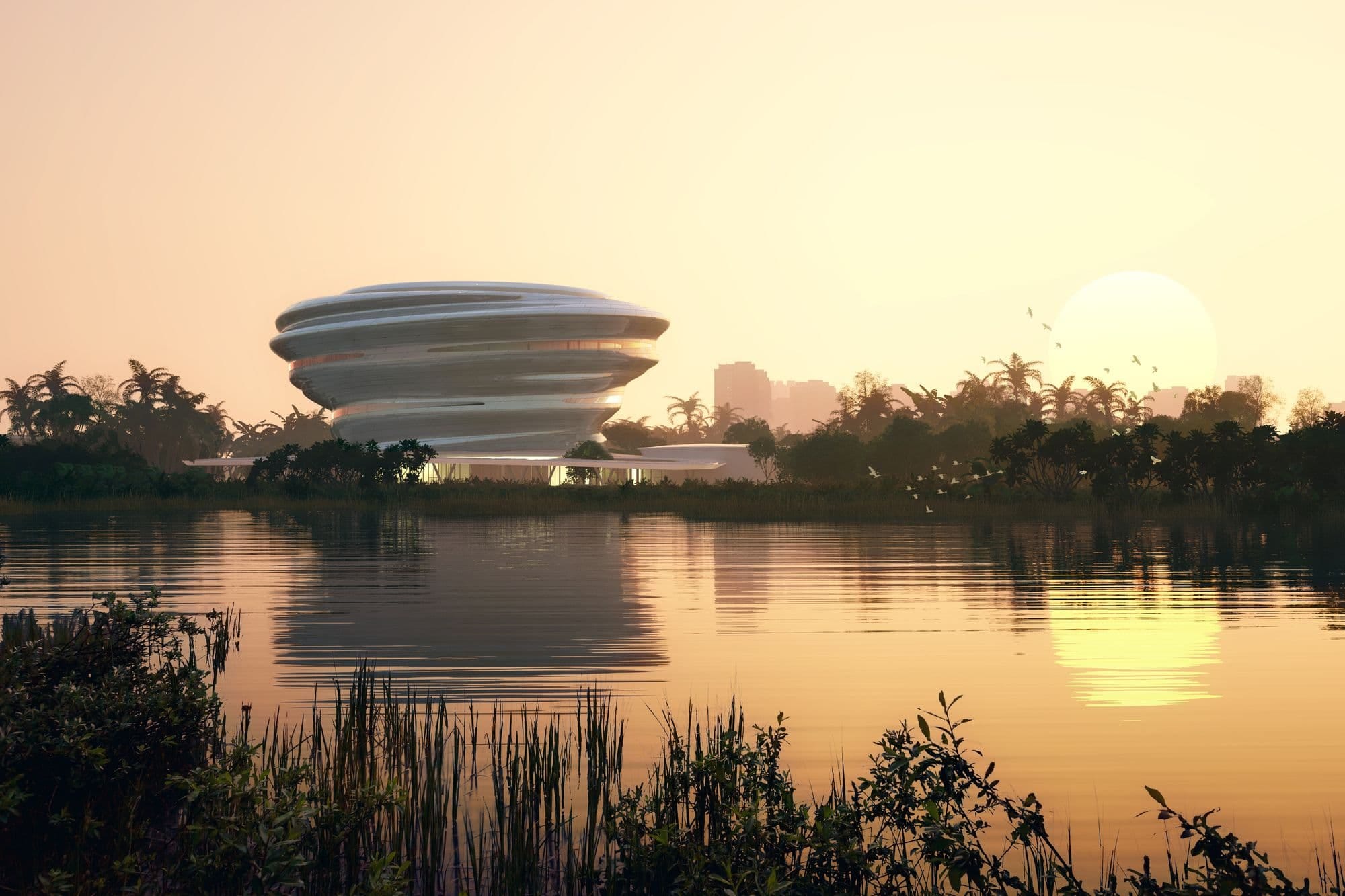
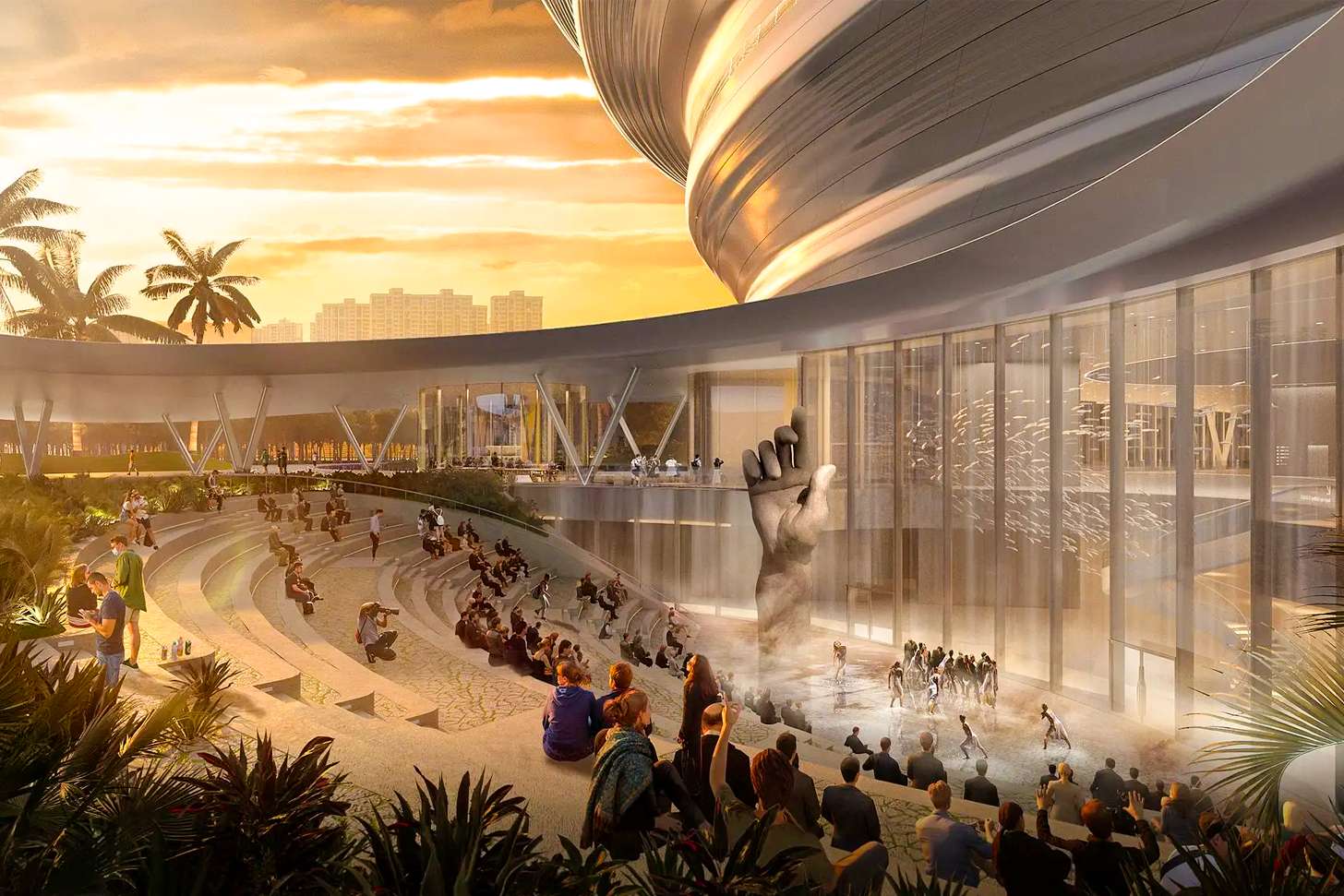
The newly opened Hainan Science Museum is a museum without columns. Without clearly delineated galleries and exhibits. There is no start and stop. Everything is connected by a single continuous spiral that visitors can walk in either direction. Subjects overlap, ideas blend, nothing is boxed in. The premise? In a future where AI can give all the answers, a museum should teach people how to explore.
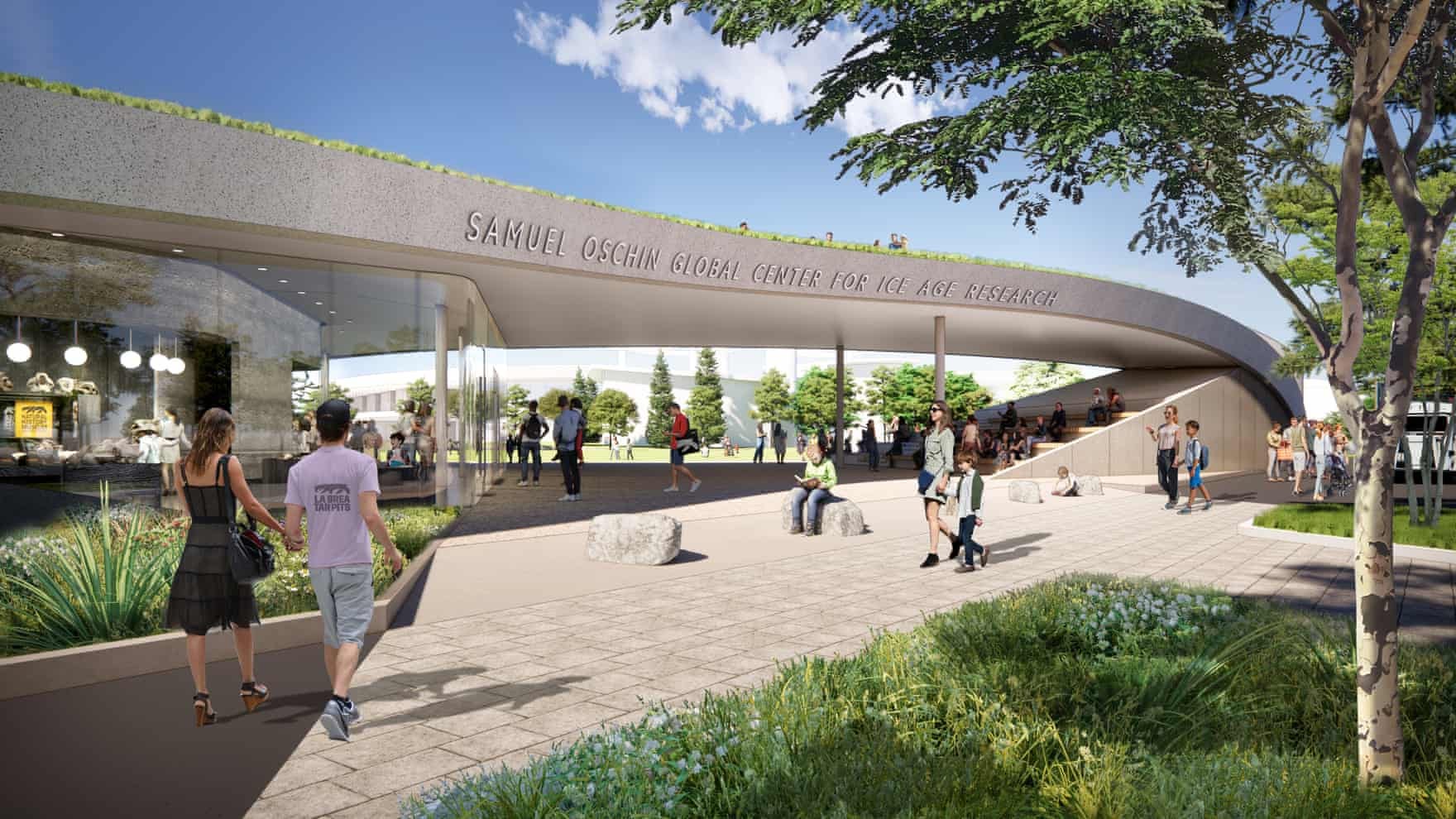
As the only urban, active ice age excavation site in the world, the La Brea Tar Pits is a fascinating draw. But it’s also one that has been overshadowed by competing attractions in the Hollywood area for decades. That’s about to change with a bold, $240M reinvention that will put the excavation, research center, and scientific work of restoring and preserving fossils on full display, making it a premier destination for guests of all ages.

The museums most likely to thrive in the years ahead aren’t just investing in new exhibits. They’re redefining what they are. The Motown Museum’s $75M expansion transforms a beloved historic site into a much larger entertainment, education, and cultural destination. It’s a fascinating example of a museum making a deliberate choice about its future and building the physical experience to match.

ALSD Premium Experience Trade Show
June 21-23 | Denver, CO
Association of Midwest Museums Conference
July 26-29 | Chicago, IL
Retail Spaces
Sept 27-29 | Palm Springs, CA



Comments
Nothing yet. Say the first thing.
Sign in to join the conversation.