
I visited an art museum. I sped through the museum. I am not an art aficionado, nor an expert. Some things speak to me, others do not. I do not stop at each piece of art, as do some. I take in the room and, if something catches my eye, I explore further. I may spend more time looking at and appreciating a specific piece or search for other works by the same artist.
My disinterest in a specific piece or artist does not mean I believe the work or artist is bad or not worthy of its place in the museum. I can acknowledge a work is impressive in its scope without liking the piece myself or having an interest in engaging with it further. Art is subjective, as are people’s tastes. My taste is not impacted by price or perceived value; my artistic preference is street art, which is free and therefore generally not valued by the marketplace.
Enjoying a piece of art is about how it makes me feel. I trend toward street art because it adds color to an often drab (asphalt, concrete, white/beige walls) background. Street art and graffiti often are whimsical against the harsh landscape, whereas museum art complements the structure of opulent buildings. The contrast makes me feel happy or joyful as I walk, the same way I appreciate flowers along the walkway or children playing by the street.
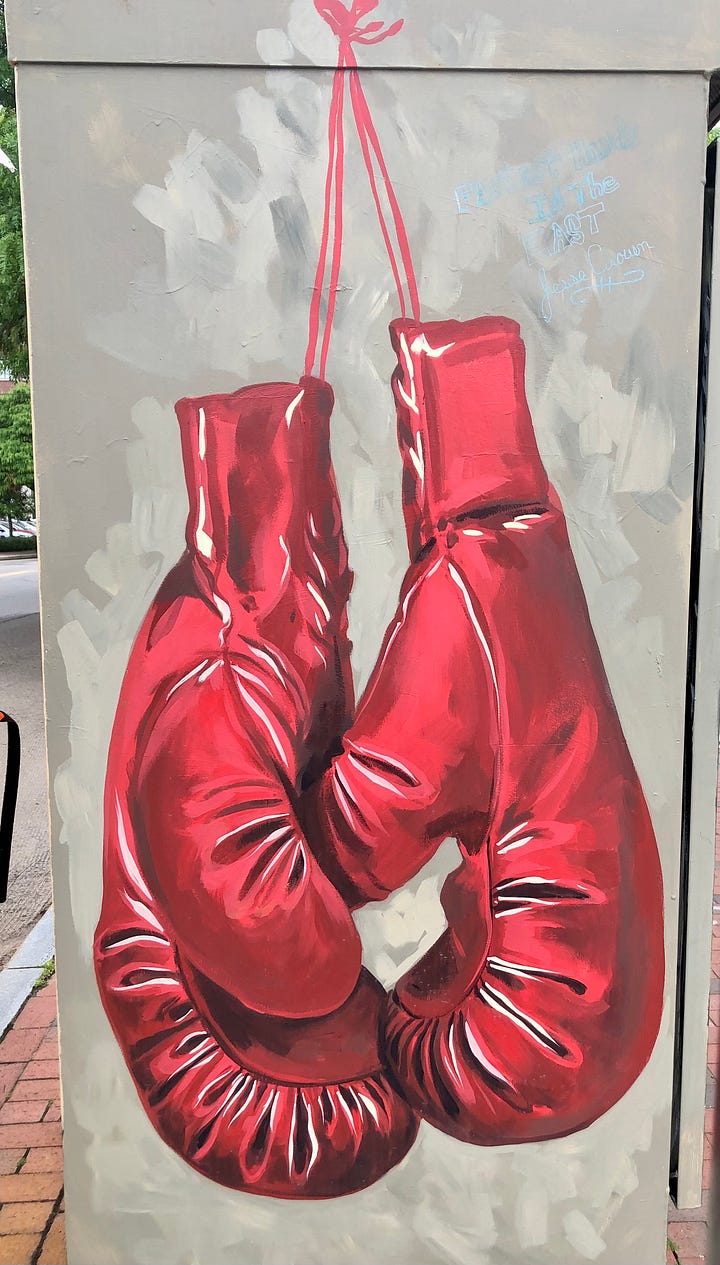

Like the art, most coaches do not speak to me. I do not study or follow many coaches. Most simply do not interest me. My disinterest does not suggest the coaches are bad coaches or even that I think they are bad coaches. I can acknowledge a coach wins many games, fulfilling his or her primary objective, without liking the coach’s coaching or playing style. I dislike plenty of objectively great coaches, just as I walked past some famous artists. My personal preference is not an indictment. I am not suggesting I am better. I may have no interest in some artists, but know their talents far exceeds mine. Taste is not synonymous with quality.
My taste is not determined by salary, level, or perceived ability. I do not assume a coach is good because he or she has achieved a certain level. Good and bad are subjective, although often characterized by objective measures (won-loss record, level, salary), whereas taste is individual, shaped by backgrounds, experiences, and personal preferences. I like what I like, regardless of another’s likes or opinions. I prefer a faster pace, fewer sets, more player decision-making, aggressive defenses, and less-involved coaches. I dislike coaches who step on the court during the action, substitute for every mistake, and call set plays on every possession.
Feelings and subjectivity change. I read a short piece about a filmmaker who watched Lost in Translation as a 20-year-old and again as a 40-year-old. His view of the movie, the characters, and who he identified with and how has changed. The film is the same, but he changed, and therefore his feelings about relationships have changed. As Heraclitus said, “No man ever steps in the same river twice, for it’s not the same river, and he’s not the same man.”
Tastes — likes and dislikes — change. I coach differently now than when I first started, which changes my relationship to coaching. I started out ultra-competitive, believing my role in each game was to outsmart the opposing coach. I yelled. I directed. I stalked the sideline. I obsessed over our set plays and scouted to implement defensive schemes to discombobulate opponents. I took each win and loss personally.
My interests have changed. Now, I am more interested in players making decisions and plays, not seeing if I can devise something clever. My teams play faster and more aggressive. I prefer not to be involved. I do not scout much. I am concerned almost entirely with my team and players, not the opponents. I distance myself from the game’s outcome. These personal changes obviously shape my tastes in coaches and coaching styles.
I left the art museum and ate at a food truck at a street festival. Later, my wife asked if I liked the food. I said it was okay. Truthfully, the food was very good. I would order again. However, I waited almost an hour in the hot sun. In that context, it was not worth the wait. Almost anything was bound to disappoint. The $10 lemonade with a 20-minute wait likely would have felt like a better bargain under the circumstances.
I know my coaching style does not fit every context. A few years ago, I was hired midseason to take over a last-place team and prevent relegation. My style did not work. There were reasons outside my control, and ultimately the team was not relegated, but my style is not the best fit for a short-term need. We needed to win two or three games within a month with minimal practices. The context calls for a more direct approach, which has not been my style for years. Other coaching styles would have been more effective to achieve the immediate, specific goal. I have my preferences, but there are times when the overpriced lemonade is superior to the Sichuan noodles.
People have criticized Fake Fundamentals, and by extension me, suggesting I dislike coaches or am negative. I dislike coaching styles or coaching behaviors, but these are subjective opinions. I dislike many pieces of art, but that does not mean I think they are bad or that I can do better. They just do not speak to me based on my experiences and preferences. Everyone does not have to love Picasso or Monet, just as everyone does not have to love your favorite coach.
The whole point of Fake Fundamentals was not to tell coaches not to use certain drills or criticize those who do, but to goad coaches into thinking more deeply about the drills they use and the environment they create. My writing is meant to spark questions more than answers. As Richard Feynman said, “I would rather have questions that can’t be answered than answers that can’t be questioned.” Loving Picasso or the three-player weave is not wrong; just do so because you appreciate something about his work or have your own purpose for the drill, not because everyone likes him or uses the drill.
My closest friend in coaching and I disagreed about everything when we coached together: Lineups, our best players, playing style, press breaks, drills, and more. We have been friends for over 20 years. The drills a coach chooses to use are not the person’s identity. Few coaches who I know and am friends with in real life agree with me with regards to coaching ideas. I started my first blog long ago because of our email threads arguing about basketball. The goal with the blog was to expand our email arguments and include more opinions.
I do not dislike coaches because I dislike some coaching behaviors or styles of play just as I do not dislike artists because only a few pieces spoke to me as I strolled through the museum. Tastes are subjective, and tastes change. If I spent the next three seasons coaching professional teams, my likes and dislikes may change. Right now, however, few coaches speak to me, similar to the few artists in the museum, and just as I prefer street art or graffiti, the coaches toward whom I gravitate are coaches such as Ted Kroeten from Joy of the People who advocate for more free play and less specialized training, not the Danny Hurley’s or Dawn Staley’s or Eric Spoelstra’s of the world.
No posts
Comments
Nothing yet. Say the first thing.
Sign in to join the conversation.