
My first four months living in Austria were unusual. Katie was finishing her program in Clinical Mental Health Counseling at Hopkins, and I was on my own with our daughters in Salzburg. Although I travel a lot, I’ve seldom been away from Katie for more than a week at a time. And by month three, even my music algorithms had caught on.
See: YouTube Music Recommended Playlists in November 2023
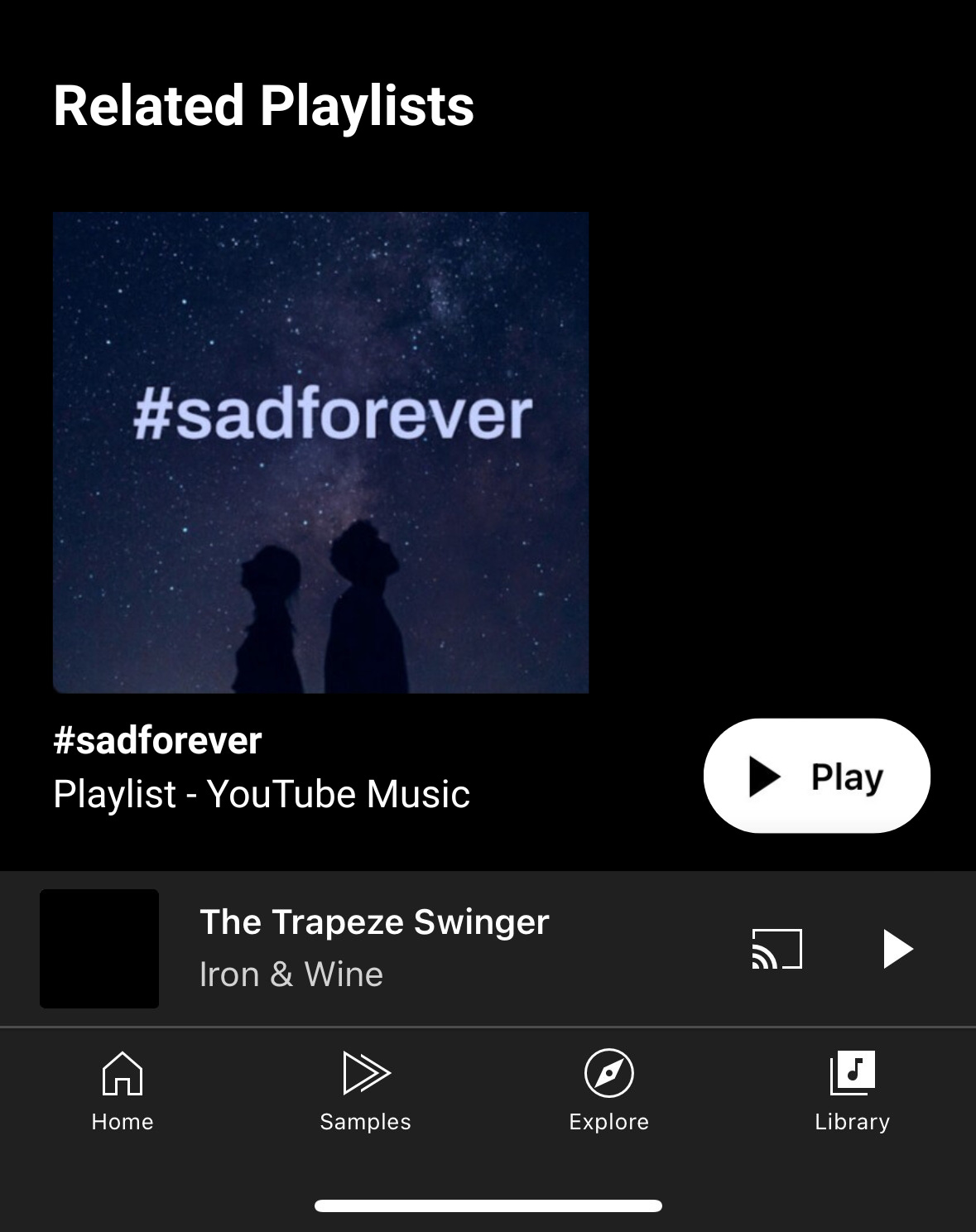
On top of missing Katie, I was going through a humbling reality check.
I had spent the past ten years researching the entrepreneurial journeys of women. I had interviewed hundreds, read the stories of hundreds more, and all while I was working from home after selling my business. So, outside of my travels, I was always around.
But in fifteen years of parenting, I had never once taken care of my daughters alone for more than a few days.
And it’s not like I had a newborn. All three girls were in school eight hours a day, in the same building, with no major health issues. My brother came out. My parents came out. Katie even flew over twice. I had every possible advantage.
I thought I knew what I was getting into, but I had no idea.
I had no idea how hard it would be to stop and start a dozen times a day: drop-offs, pick-ups, forgotten backpacks, drama at the bus stop, and late-night uniform hunts. I had no idea how inflexible my world would suddenly become. Or how emotionally exhausting it was to increase my bad-day-at-school talks from once a week to once per kid per week.
What I thought would be a well-earned parenting chapter turned out to be a crash course in realities I had long studied but never lived. And yet—intense as it was—I also loved it. I’ll never forget the takeout dinners on the living room floor, the late-night movies we were probably too tired to start, and all the teasing that followed:
Me: We've left late for school every day since mom got back. When I was doing this by myself, we were out the door every morning by 7:30.
Youngest Daughter: That's because mom actually feeds us before we go to school.
I discussed these experiences—and many more—with the founders and team at Mamo Pracuj, an organization in Kraków that has spent the past 14 years helping Polish women navigate the complex, exhausting, and empowering work of combining career and family life.
See: The Mamo Pracuj team
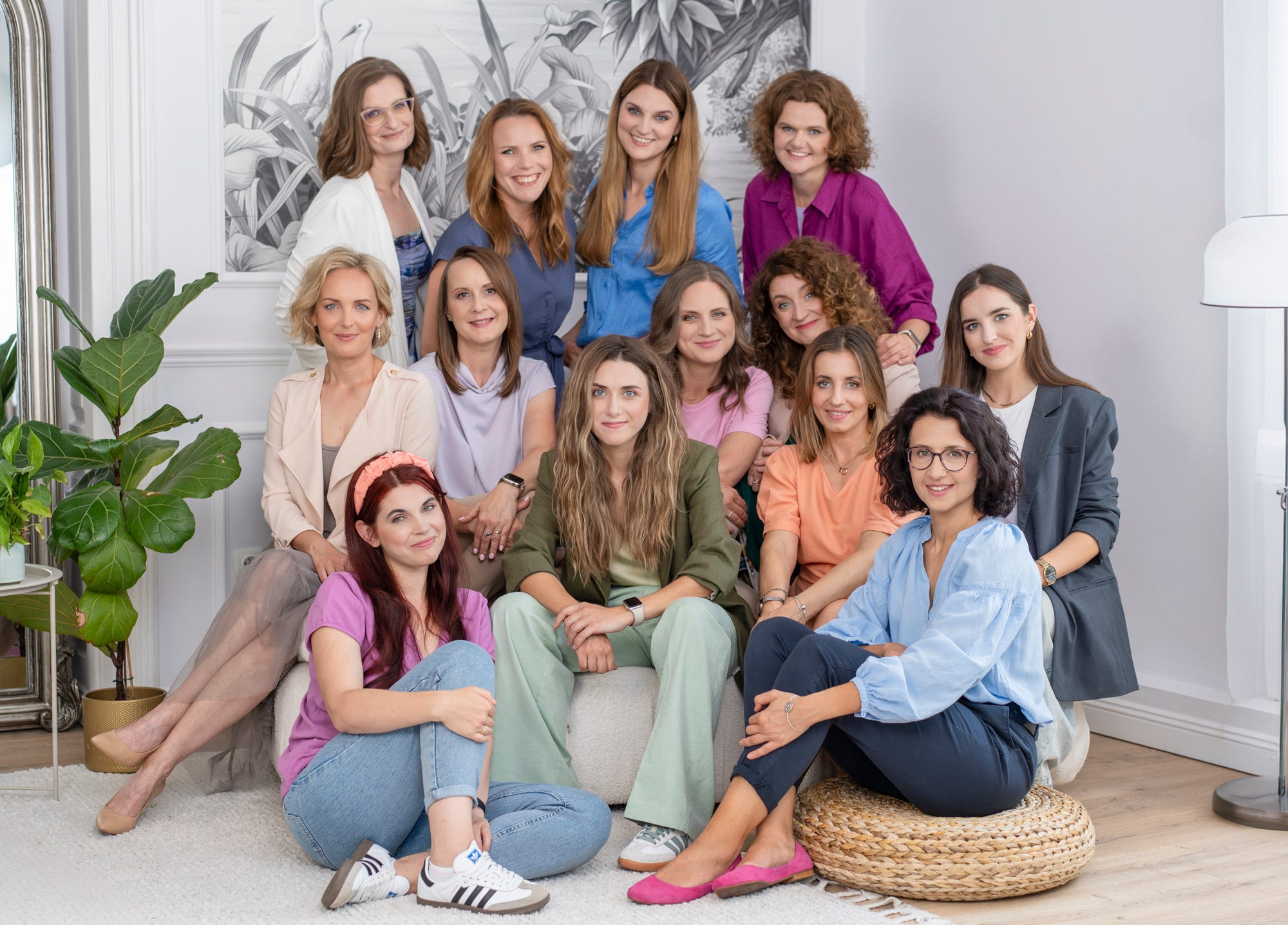
Since 2011, they’ve run a nationwide platform that connects women with employers who understand an irrefutable reality: “women and girls contribute more than 70 percent of total global caregiving hours.”
The organization’s founders, Joanna Gotfryd and Agnieszka Czmyr-Kaczanowska, became close friends during college and later found themselves facing many of the same challenges as the women they now serve:
Joanna: After graduation, I worked in big business for several years. After the birth of my younger daughter, I couldn't flexibly return to work, so I decided to take matters into my own hands.
See: Agnieszka and Joanna, co-founders of Mamo Pracuj

What began as a shared problem soon became a startup: a website connecting mothers to flexible job opportunities, practical tools, and a growing community of women facing similar challenges. Joanna and Agnieszka discovered early on that while their services resonated with many, others dismissed them entirely.
The growth wasn’t instant and ubiquitous, but there was steady progress in the first couple years. Many Polish women were drawn to the website and mission, but the founders still needed to convince a significant subset of employers that women returning to work after having children were an asset, not a risk.
Agnieszka: For me, developing a startup is like walking in the mountains: you walk, step by step, sometimes the view is breathtaking, and sometimes the fog obscures everything. You catch your breath, rest, climb higher, and there – another mountain. But there are moments of deep satisfaction along the way.
Over time, their persistence paid off. As the platform grew, an expanding team began producing webinars, online courses, employer branding campaigns, and more. Eventually, Mamo Pracuj built a formidable network of trusted partnerships with some of the world’s most respected employers—organizations like Citi, Bosch, State Street, Kyndryl, Akamai, Lufthansa, Nordea, L’Oréal, and Roche—who recognized that supporting working parents isn’t just the right thing to do, it’s a competitive advantage.
Today, Mamo Pracuj reaches over 500,000 users monthly and offers a targeted set of services designed to support women—especially mothers—returning to or advancing in the workforce. These include:
A nationwide job portal connecting women to flexible, family-friendly employers
The “Odważ się Mamo” program, offering individualized support, workshops, and coaching for women re-entering the job market
Tailored reskilling programs like #MamoPracujwIT, Her Way to IT, and Let’s do IT AKAdemy, helping women transition into tech careers
Employer branding and consulting services for companies aiming to become parent-friendly workplaces
The Talenti platform, a women’s talent bank that flips the recruitment process—letting employers pitch opportunities to female candidates
Mentorship and community, including webinars, podcasts, and events that foster a strong network of peer support
Dedicated support for Ukrainian refugee women, including job placement, psychosocial care, and pathways into tech through programs like #WeCanDoIt and Work in Tech UA
Building something out of your lived experience is one of the most powerful ways to create a sustainable venture.
I’ve spent more than a decade researching women’s experiences at work—interviewing hundreds of entrepreneurs, reading thousands of pages, building cases and teaching others. But that work, as meaningful as it is to me, will never be the same as living it.
Which is why I could never build something like Mamo Pracuj with the same clarity or conviction.
Because what they created came from experiencing the tension. From having their own careers paused or derailed. From managing the beautiful, maddening logistics of school mornings and sick days and late-night deadlines for more than four months.
When you’ve lived the problem yourself, you’re far more likely to spot the root causes and design solutions that actually work. You don’t waste time solving around the edges—you go straight to what matters.
It also helps you connect more deeply with the people you’re trying to serve. Whether they’re customers, partners, suppliers, or strangers on the internet, they can feel the authenticity when you’re building from real experience.
There’s a shared language. A kind of trust that doesn’t need to be explained.
And perhaps most important: it gives you a reason to keep going. Startups are hard. Impact work is hard. Parenting is hard. But when the thing you’re building is personally meaningful—when it reflects what you’ve lived, and what you value—you’re far more likely to keep moving forward when the path disappears into the fog.
And that’s exactly what Joanna and Agnieszka have built in Kraków.
Mamo Pracuj didn’t come from a whiteboard. It came from their own lives. Their frustrations. Their friendships. Their belief that it should be possible to be both a loving parent and a thriving professional.
Watch: My trip to Kraków, Poland, to visit with Mamo Pracuj
Creating. Meaning. Everywhere
Thanks for reading about Mamo Pracuj and my trip to Kraków.
During the last few weeks of summer, I’ll be traveling to the U.S., Ethiopia, and a few other places to meet with people who are creating meaningful change in their communities.
About 3–4 times a month, I’ll share reflections on what I’m learning—stories from the road, insights from my work with entrepreneurs and leaders, and thoughts on how we create meaning through what we build.
If that resonates, I’d love for you to follow along.
Comments
Nothing yet. Say the first thing.
Sign in to join the conversation.