
The shift from vacationing in a new country to actually living in one is a bittersweet unraveling. There are moments of incomparable beauty—like watching your daughter sing a solo during a school choir trip to Bratislava, or the pride of gliding through the Munich Central Train Station on nothing but muscle memory.
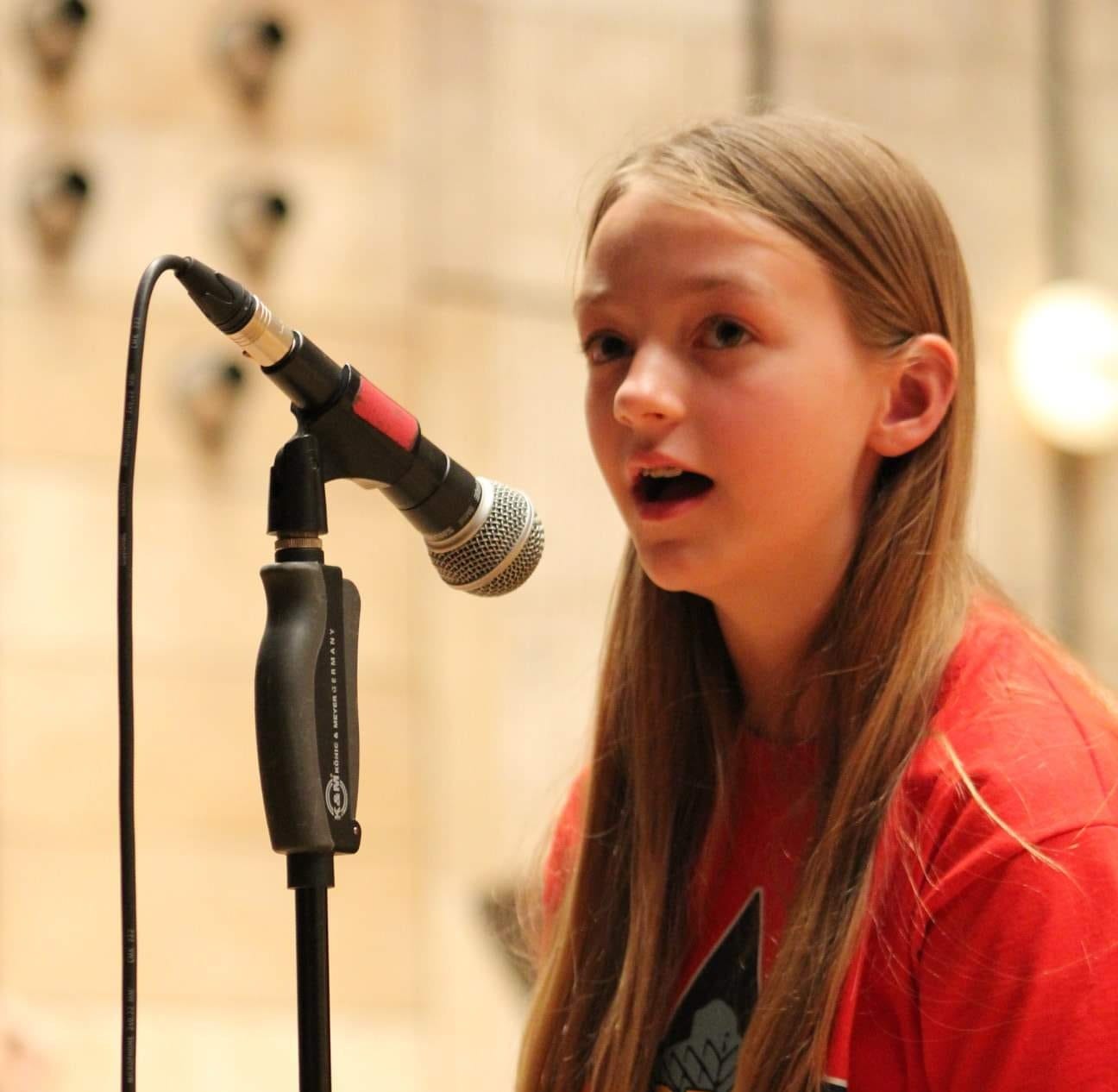
See: My oldest daughter singing at the Radio Diamant in Bratislava, Slovakia
But in those early years, the highs are often followed by a steady stretch of days that oscillate between flat and bruising. Charming apartments become plumbing nightmares. Immigration lines begin to feel engineered for humiliation. And language barriers that were once amusing—like the time I tried to order a Tres Leches dessert for my daughters and instead received three full glasses of milk—become daily reminders that you’re out of rhythm.
Even for those fortunate enough to move abroad with resources, choice, and the option to return, it’s disorienting. Your parents, your siblings, and your best friends are continuing on in places that once felt like home, and your sense of self starts to feel disconcertingly unfamiliar. Until, if you're lucky, you survive the pummeling and find your people.
Andrea Zapata was—and still is—our person.
She came to visit us in Salzburg this past week, and the memories came flooding back.
We first met her in Madrid when she was sixteen years old and attending IES Ramiro de Maeztu—a prestigious public school near the city center that also educated Queen Letizia and Prime Minister Pedro Sánchez. Every Friday afternoon, she’d show up at our front door to watch our three daughters while Katie and I slipped out for dinner and a walk through the city.
From the very beginning, she was unmistakably steady and already brilliant at solving the kinds of everyday problems that had pushed us to the brink. She navigated Madrid like the city was built just for her and somehow passed that energy along to us—guiding us through the unspoken rules of daily life and making Spain feel like a place we could belong.
But we only had one year with Andrea in Madrid before she started her own adventure—moving to the United States at the age of seventeen to begin college.
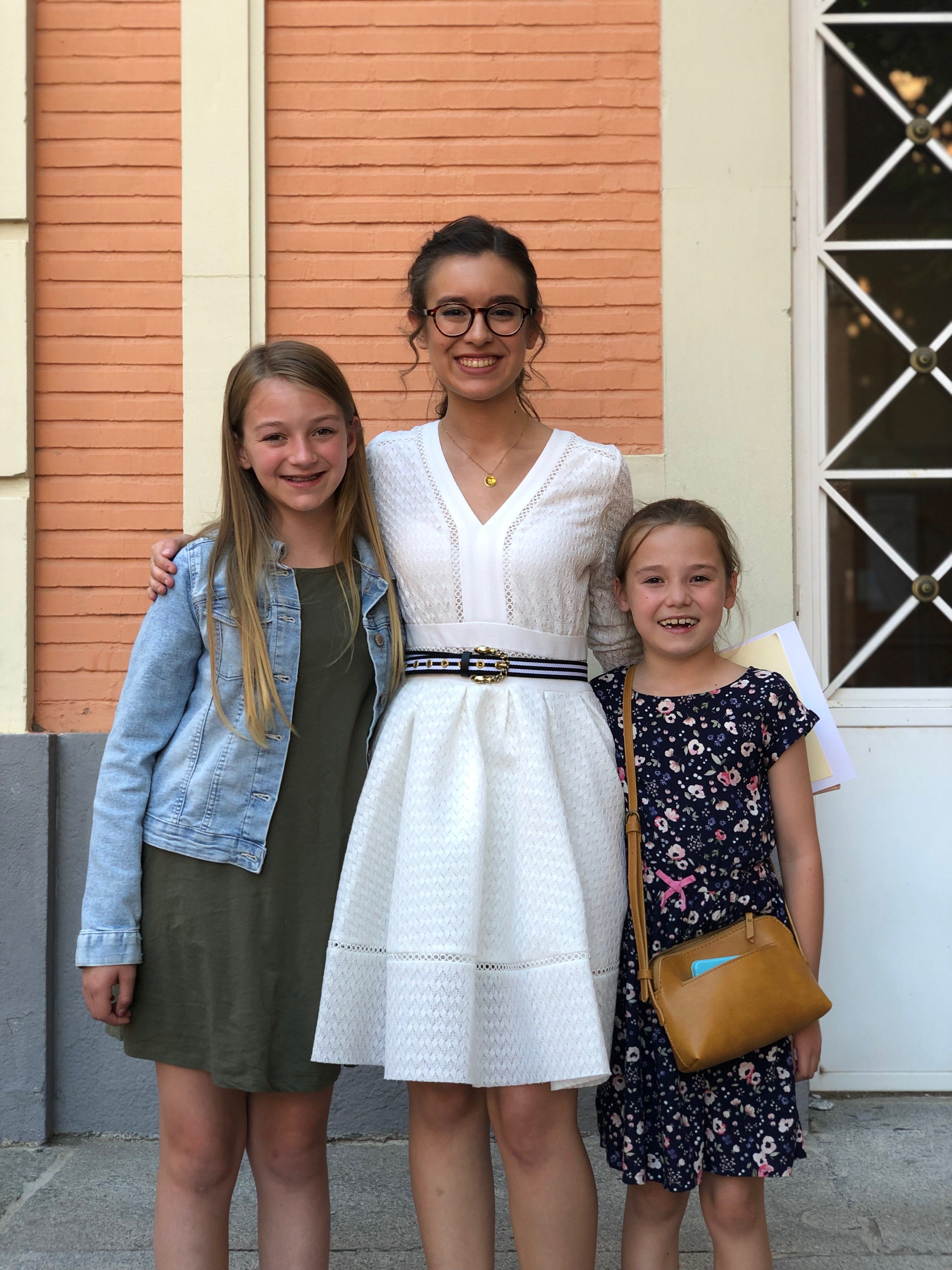
See: Andrea graduating as class president from IES Ramiro de Maeztu High School
We were thrilled that she was following a childhood dream. And we were also worried, knowing that she would be alone and taking on everything that comes with a move like that: the disorientation of new systems, the loneliness of starting over, the pressure to seem okay, and the effort it takes to belong.
Andrea: After a few months of college in the U.S., I learned more about myself than about the country I was in.
I learned that it frustrated me not to be able to fully showcase my personality to friends or classmates because I was speaking a different language.
I learned it made me doubt myself but also try harder academically when my American Heritage professor reviewed my first essay and asked me if I didn’t understand the content of the class or just was bad at writing in English.
I learned that I was scared when COVID hit and most of my friends got to go home while I was lonely and homesick.
The Immigrant Experience and the Entrepreneurial Process
Watching Andrea build a life in the United States revealed something I hadn’t fully appreciated before:
Immigrating to a new country is one of the most entrepreneurial acts a person can undertake.
It’s brutal in the beginning—confusing, lonely, full of hidden costs and daily indignities. You learn to present a version of yourself that looks capable and in control, even when you’re disjointed. And when you finally admit that it’s hard, people often remind you how lucky you are to be living your dream.
Some of us are welcomed as assets by our new communities and called expats or entrepreneurs. Others—often living parallel experiences, whether by choice or necessity—are rarely granted those more glamorous titles.
Instead, they’re labeled as immigrants, migrants, refugees, workers, or self-employed.
None of these words are inherently wrong. In fact, many are empowering when used with care. But language isn’t neutral—it reflects who society chooses to celebrate, and who it chooses to contain. And similar journeys can be cast as bold or burdensome depending on who’s taking them.
And beneath the labels, the outcomes themselves are shaped unequally. Resources and connections often determine who gets to thrive and who gets left behind. And if you make an early return—whether from a venture or a foreign country—your experience is often framed as a failure.
The things you’ve learned, the ways you’ve grown, all seem to carry an asterisk.
Why Journey Out into the Great Unknown
Andrea experienced all of these challenges and more. She battled through technical difficulties, like studying in her second language at a demanding college. She picked up side hustles to cover expenses, took public transit through snow for early-morning classes, and managed the kind of acute loneliness that creeps in when no one really knows your story.
She also had to adjust to a culture that felt nothing like the rhythm and warmth of Madrid—colder weather, earlier dinners, and a campus where being bicultural could make her feel both interesting and invisible, sometimes in the same conversation.
And yet she thrived, earning high marks and making new friends. She became editor of the student newspaper and was known for her thoughtful, unflinching commentary on topics ranging from school policies to global politics. She wrote with the kind of insight that only comes from living between worlds—and she did it in English, her second language, in a place that didn’t always know how to receive her voice.
She even found time to come spend part of her summers with us, teaching our daughters Spanish and patiently enduring our overly ambitious effort to make her watch every one of our favorite American movies.
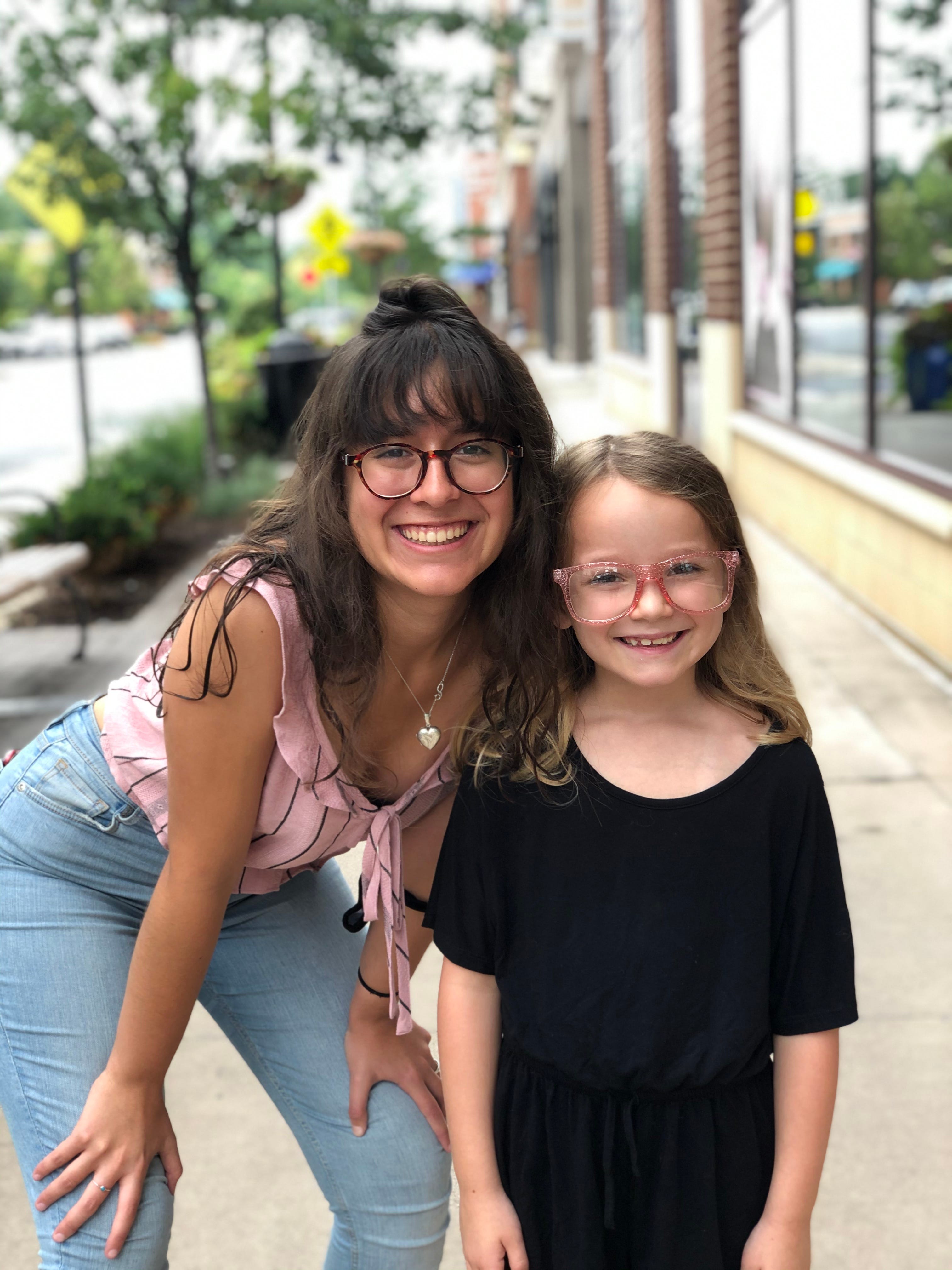
See: Andrea and my youngest daughter in Washington D.C.
There have been several moments over the last eight years when I’ve wondered whether it might have been better for her to stay in Madrid. To take the known path, to keep things simple, to avoid the slow unraveling and rebuilding that comes with crossing borders and starting over. Why do it? Why choose that kind of uncertainty?
The truth is, not everyone gets an option. Some entrepreneurs start companies because they’re pulled toward an opportunity; others because there’s no other viable path forward. Some, like Andrea, feel a deep pull to immigrate out of curiosity or adventure; others are displaced or do it out of necessity.
And maybe that’s exactly why I’m so drawn to these storylines. Not the polished scripts we post on our résumés or our Instagrams, but the real ones. The ones shaped by doubt and heartbreak, resourcefulness and grace, resilience and reinvention.
Because when I hear what it actually took to start, to survive, to fail, and to begin again, I better understand how our drive to create can shape the stories of our lives. That Andrea’s decisions to step into the unknown changed her in meaningful and unexpected ways.
Andrea: Few things ended up working out the way I thought they would.
I didn’t get into my dream college program and majored in journalism instead, which ended up leading me to preparing for law school.
I got a dog after swearing for years I would never be mentally or physically able to look after one.
I navigated the immigration and family law American system alone.
I have learned to trust that I can be strong and can eventually handle all the uncertainty, change, and scary yet beautiful unforeseens—or imprevistos—that this little life I created for myself and my dog in America has brought. So bring it on.
And her story is still just beginning. I couldn’t tell you if she’ll stay in the US long term, what kind of lawyer she’ll become, or if Churro—her wiener dog—will ever have to share the spotlight. But I am certain that each time Andrea visits, she’ll step immediately back into rhythm with my family. Watching American movies, cooking tortilla sin cebolla, and putting crazy blood-pact letters into time capsules with my daughters.
Because she’s our person.
Creating. Meaning. Everywhere
Thanks for reading about Andrea Zapata Mejia and her journey to the United States.
This summer I’ll be traveling to Poland, Pakistan, Sri Lanka, the U.S., Ethiopia, and a few other places to meet with people who are creating meaningful change in their communities.
About 3–4 times a month, I’ll share reflections on what I’m learning—stories from the road, insights from my work with entrepreneurs and leaders, and thoughts on how we create meaning through what we build.
If that resonates, I’d love for you to follow along.
Comments
Nothing yet. Say the first thing.
Sign in to join the conversation.