
Welcome! Every week I find and analyze the most important stories from across medicine — trials, papers, approvals. Let’s go!
This post is sponsored by Consensus, the AI agent for research that now has >2.5 million monthly users (me included!). If you’re a doctor, try Medical Mode to query guidelines and the top medical journals. If you’re doing research, Consensus has access to 220 million peer-reviewed papers, and has deals with 6 top publishers to access full texts (even behind paywalls). You can use my link for a free trial!

1. A step towards cure for type 1 diabetes
Functional cure in type 1 diabetes would require two things: first, no requirement for exogenous insulin injections, and second, no need for systemic immunosuppression. For the first, there’s been recent progress, with stem cell-derived islet transplants. But the second is harder.
Sana Biotech is working on this. Their approach depends on islet transplants that are gene-edited, in two ways: B2M and CIITA are disrupted (they are required for expression of HLA class I and class II, respectively) so that T cells don’t attack the transplanted cells, and the ‘don’t eat me’ signal, CD47, is overexpressed, so that macrophages and natural killer cells don’t attack them.
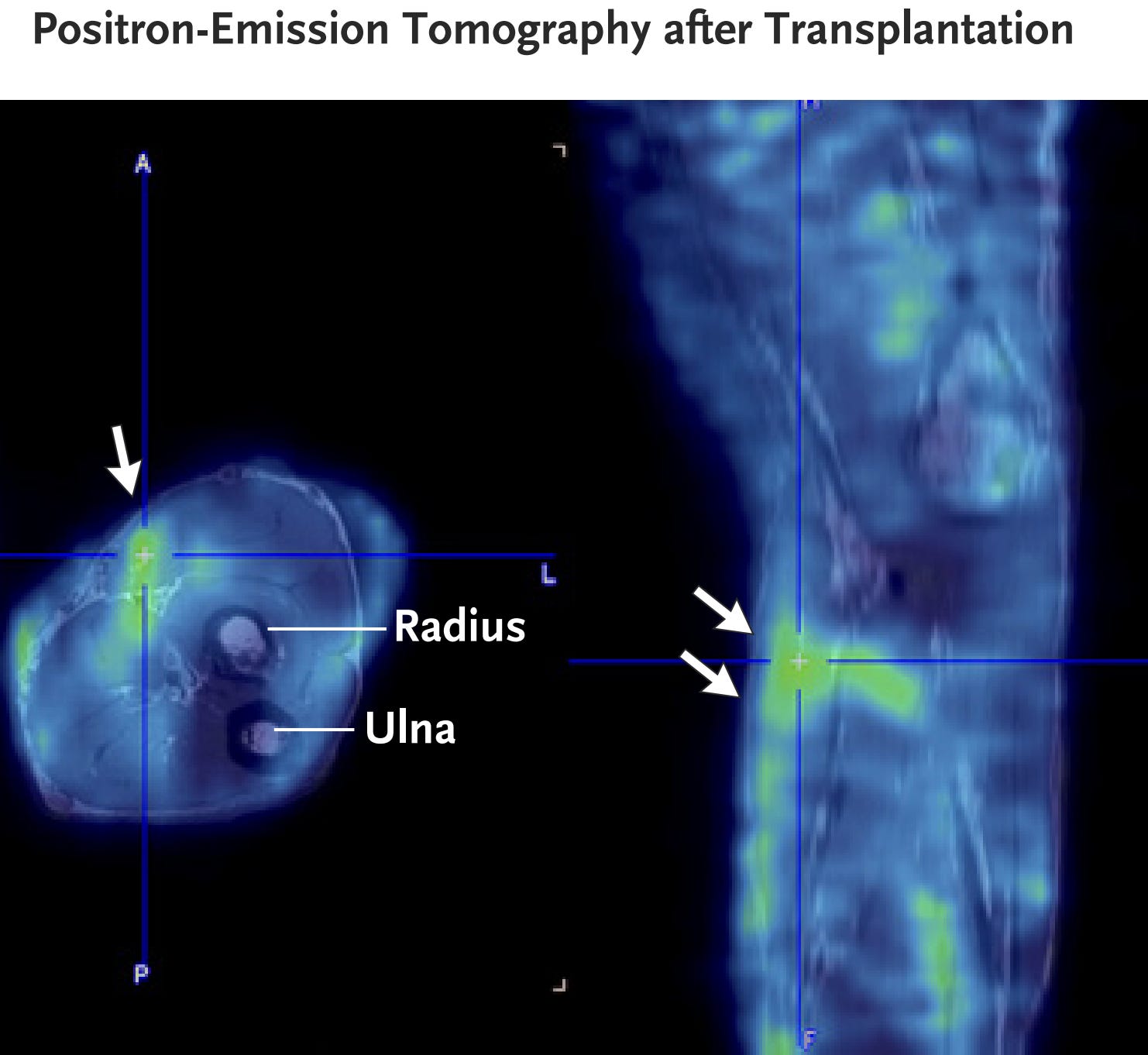
Just over a year ago, Sana transplanted these edited islets into a single patient. They chose the forearm muscle(!) as the transplant site, which has a good blood supply, is easy to monitor, and is easy to access if something goes wrong. This week they released longer-term follow-up data, up to 14 months. This image shows the islets, visualized by PET-MRI of the GLP1 receptor.
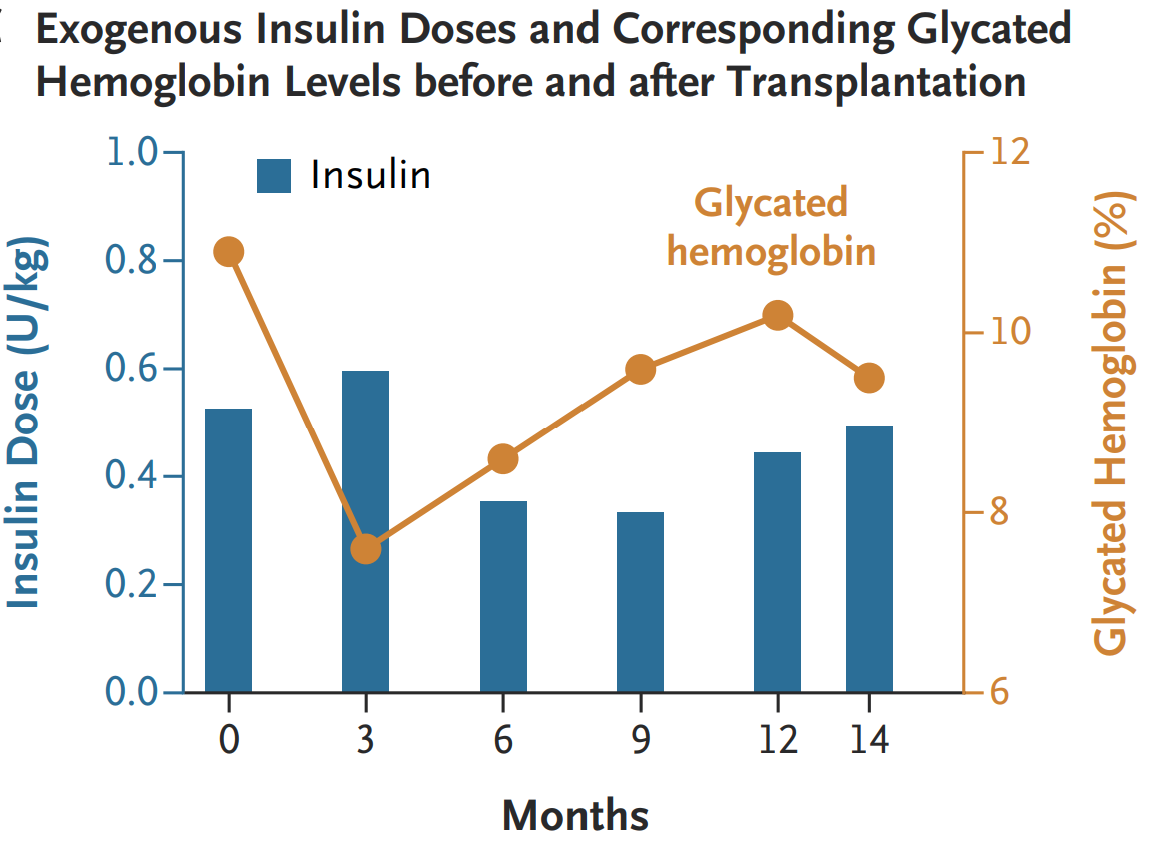
The islets produced durable, meal-responsive insulin for at least a year — without any immunosuppression (which is unprecedented). A low, proof-of-concept dose was used, so the patient did not achieve insulin-independence, but HbA1C came down a bit, as did glucose levels — though it’s not possible to say this was because of the transplanted islets.
Even the current islet transplants we do today (which are donor-derived) don’t usually allow patients to achieve durable insulin-independence — their main aim is to improve awareness of hypoglycaemia, which can be dangerous in type 1 diabetes. There’s no data from Sana on hypoglycaemia awareness yet.
The islets in Sana’s experiment came from donors, so the next step is a scalable trial using the same tech — at higher doses — with stem cell-derived, gene-edited islets.
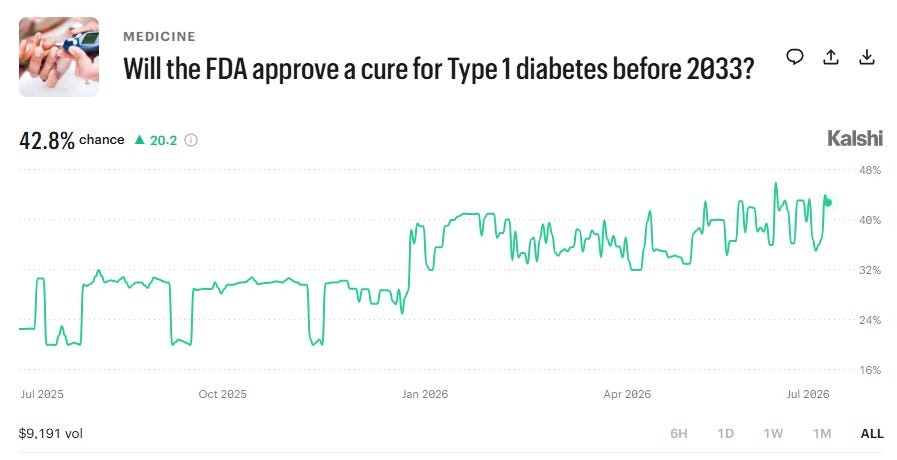
With the (controversial) news this week that Kalshi will launch prediction markets on clinical trials, it’s only right to highlight the market they have on FDA-approval of a cure for type 1 diabetes before 2033, which is pricing in a 43% chance (tiny market though!).
Subscribe to keep up with the cutting edge of medicine.
2. Approval of an oral PCSK9 inhibitor
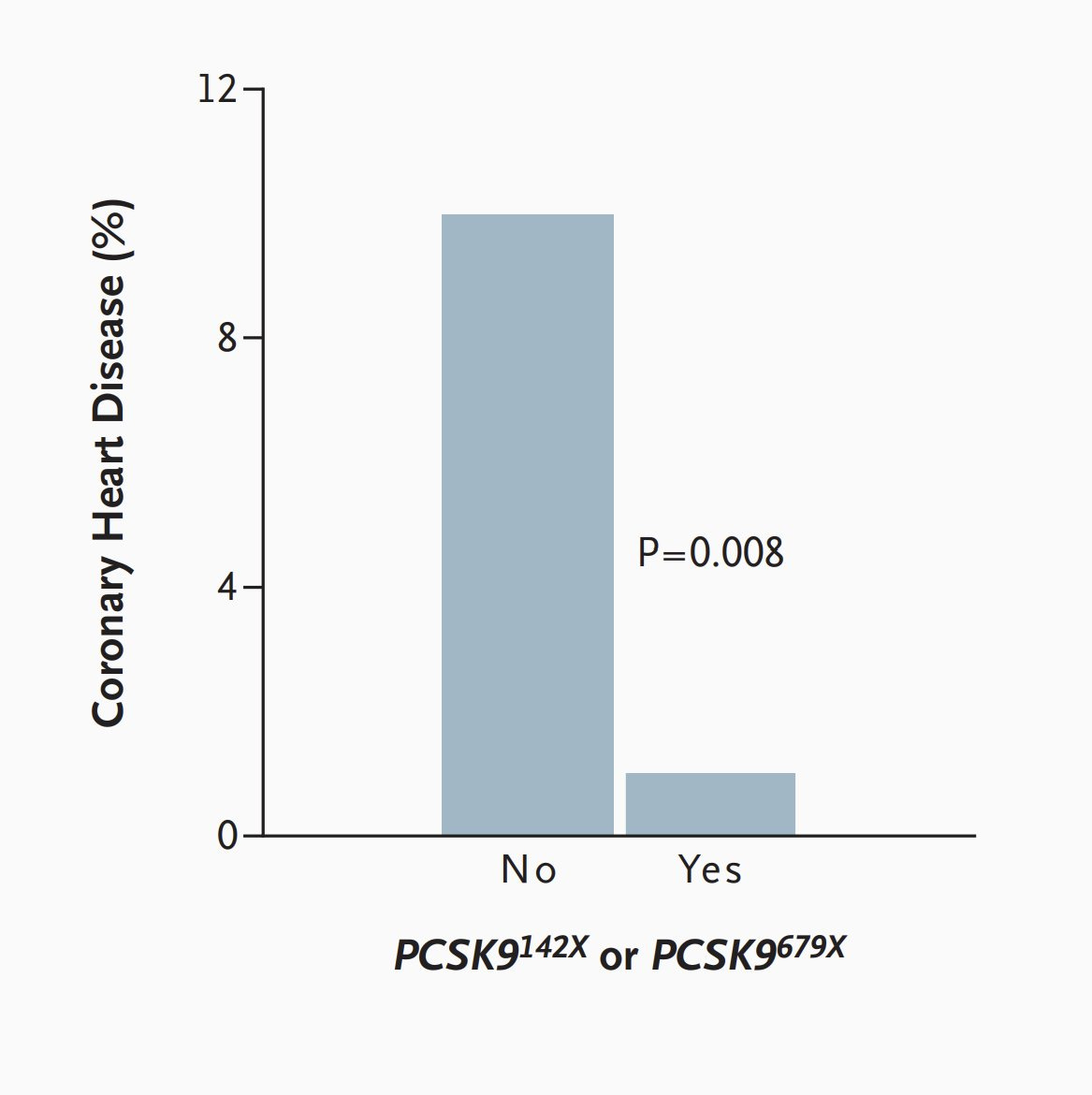
Inhibition of PCSK9, the protein that degrades the receptor that removes LDL cholesterol from blood, has turned out to be (probably) the most effective mechanism to lower LDL cholesterol. The idea is built on an amazing natural experiment: people born with inactivating mutations in PCSK9 have low cholesterol from birth, and up to 10 x lower risk of coronary heart disease.
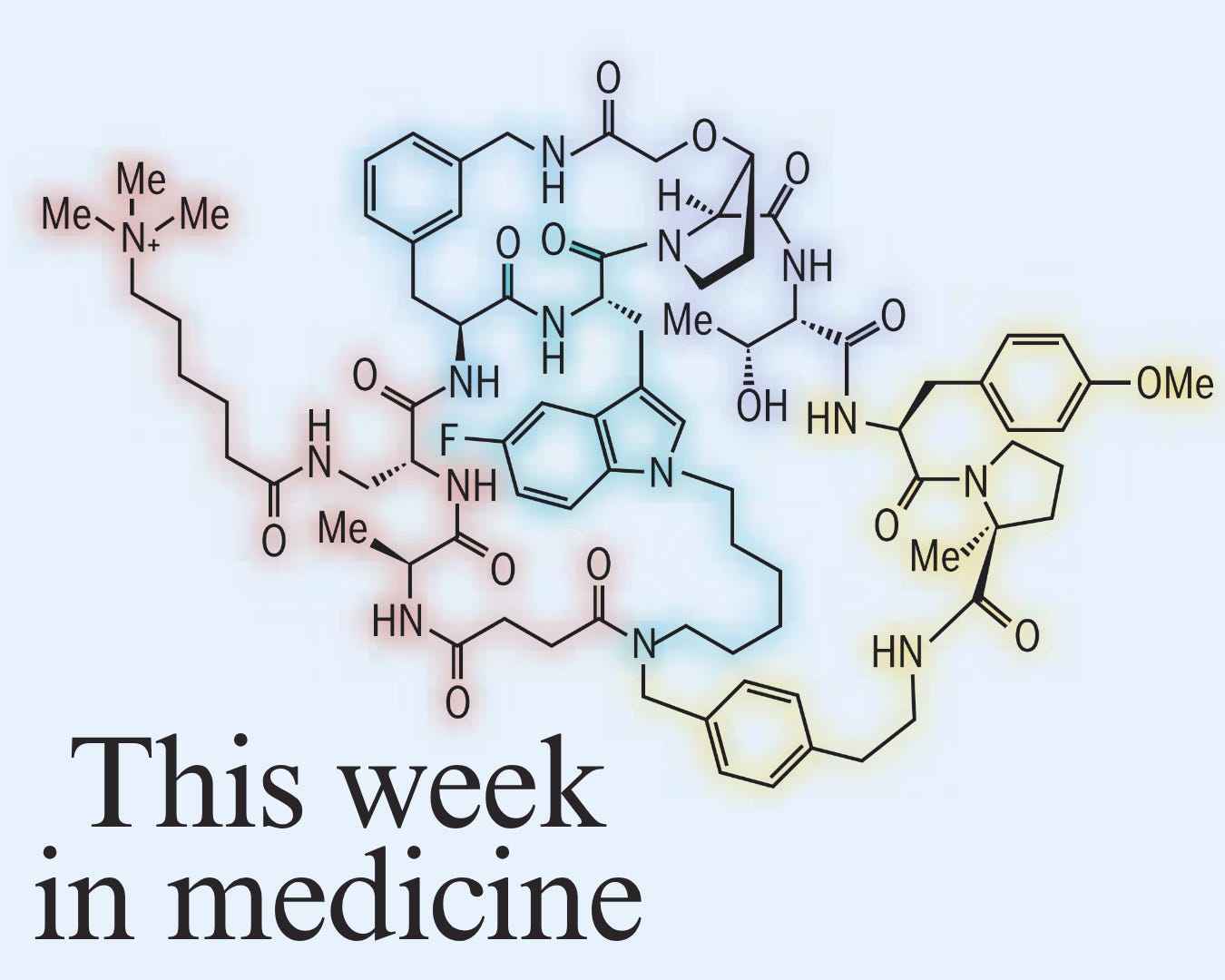
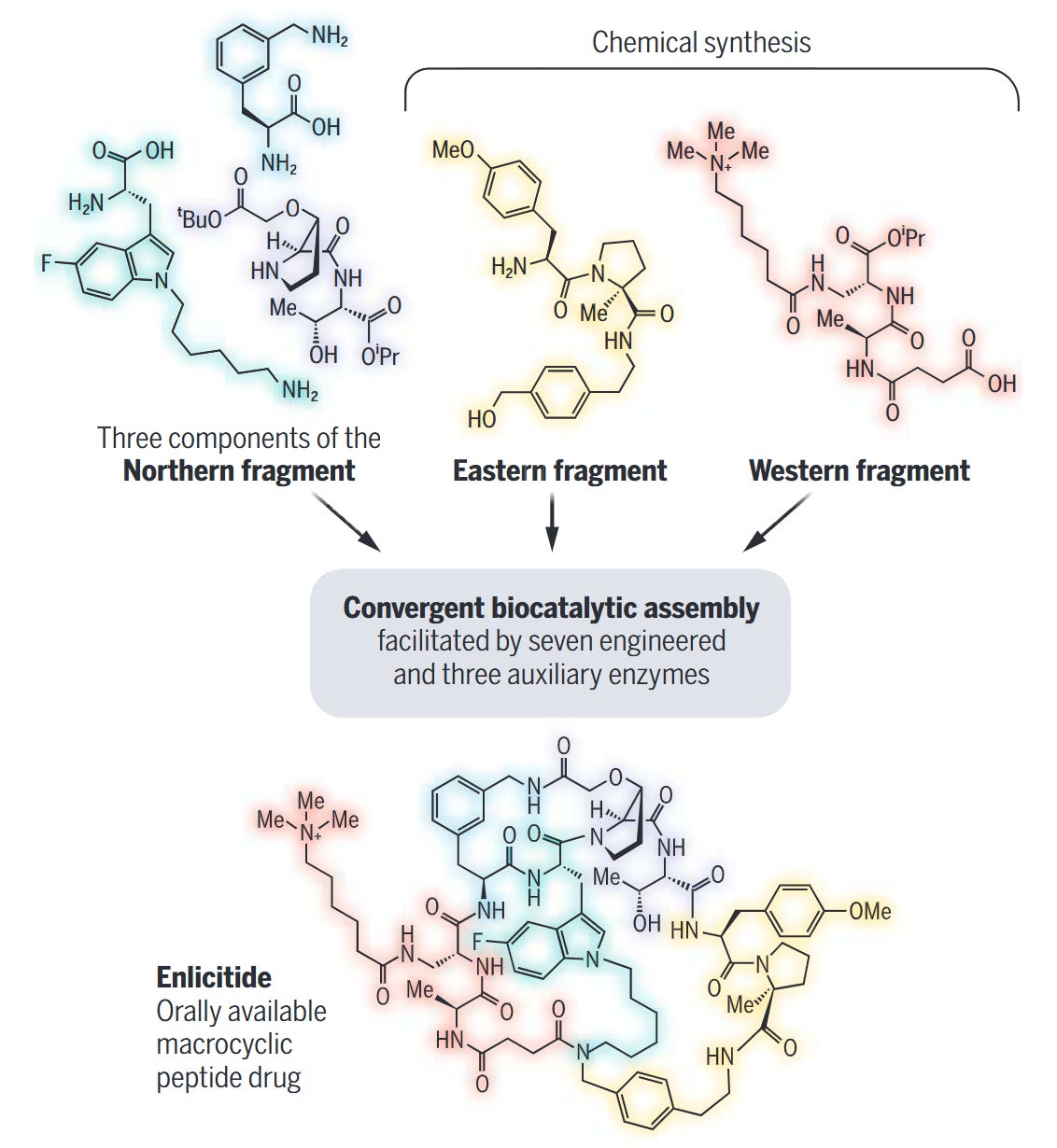
There are already three medicines in this class — Inclisiran (an siRNA), Alirocumab and Evolocumab (monoclonal antibodies) — all of which are injectables. Merck (the American one) have a new, oral PCSK9 inhibitor, enlicitide, which is a macrocyclic peptide that mirrors the mechanism of the antibodies: it blocks the PCSK9-LDL receptor interaction, and was just FDA-approved this week.
I am no chemist, but my understanding is that the chemical synthesis of this thing is enormously complicated — Merck’s first attempts to make it took 63 steps, meaning that a 100 kg batch would need >170 tonnes of material. After that, they were able to cut this to 43 steps, improving yield by about 1000-times. This year, they went much further: engineered enzymes now assemble and cyclise the peptide in a shorter, more efficient process.
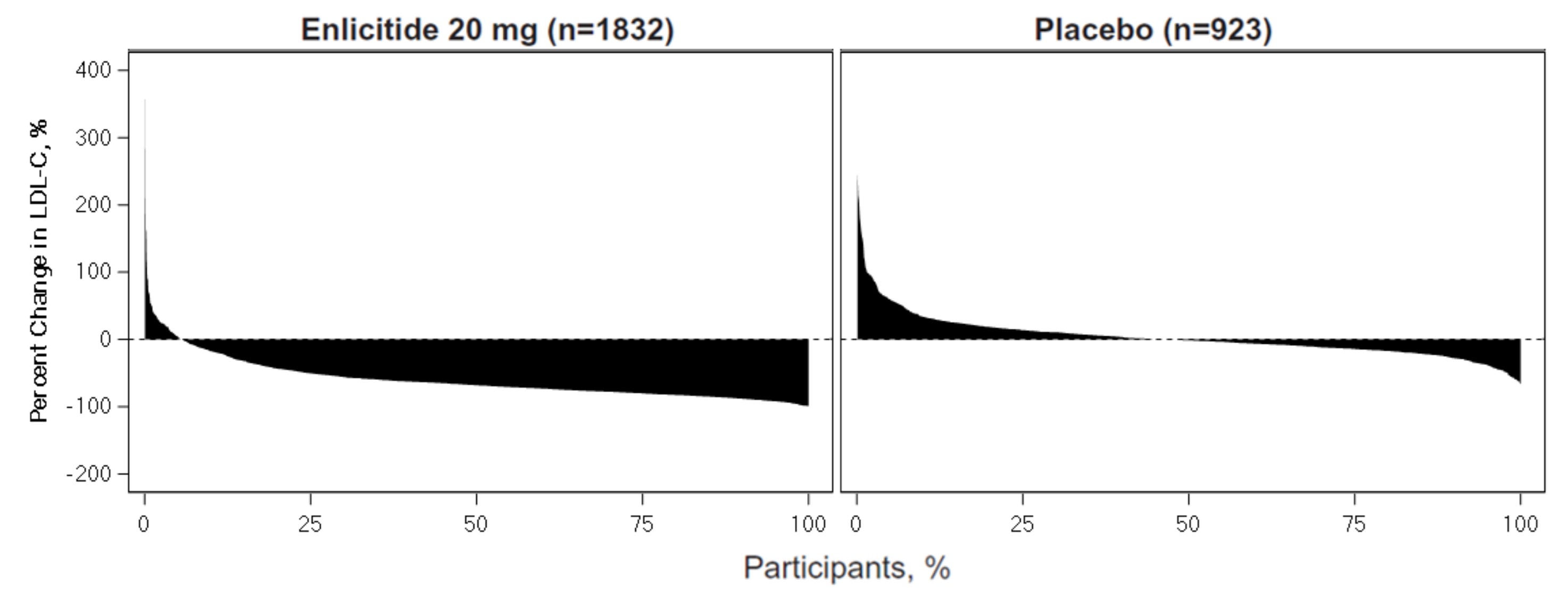
In the main phase 3 trial (in a secondary prevention population with LDL ≥ 55 mg/dL, or a primary prevention population with LDL ≥ 70 mg/dL) enlicitide cut LDL by an average of ~60%, on top of baseline statin therapy.
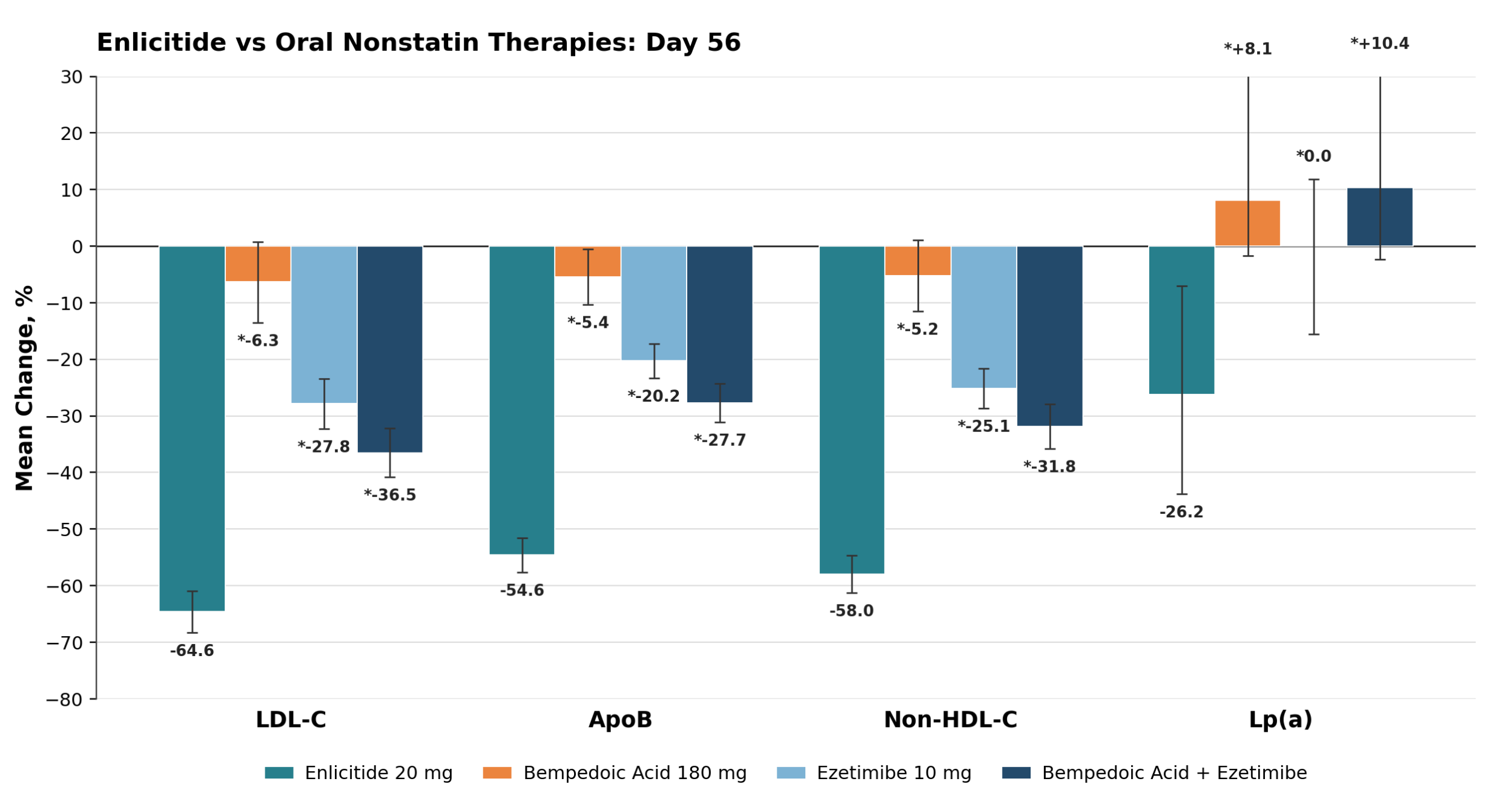
In a second trial, with enlicitide head-to-head against other cholesterol drugs — bempedoic acid, ezetimibe, or the bempedoic acid-ezetimibe combination — enlicitide was more effective than either (or both) for cholesterol-lowering.
It’s worth noting that there are no cardiovascular outcome data for enlicitide yet, but its efficacy on LDL-lowering is ~similar to evolocumab, which I think is likely to be reflected in cardiovascular benefit.
An interesting tangential idea with PCSK9 is that, as well as promoting degradation of the LDL receptor, it also helps to degrade MHC-1 (which presents cancer-associated antigens on the cell surface) — so PCSK9 inhibition stimulates anti-cancer immunity in pre-clinical models. For this reason, PCSK9 inhibitors are being tested against cancer in trials, too.
3. Early stages of a vaccine to intercept pancreas cancer
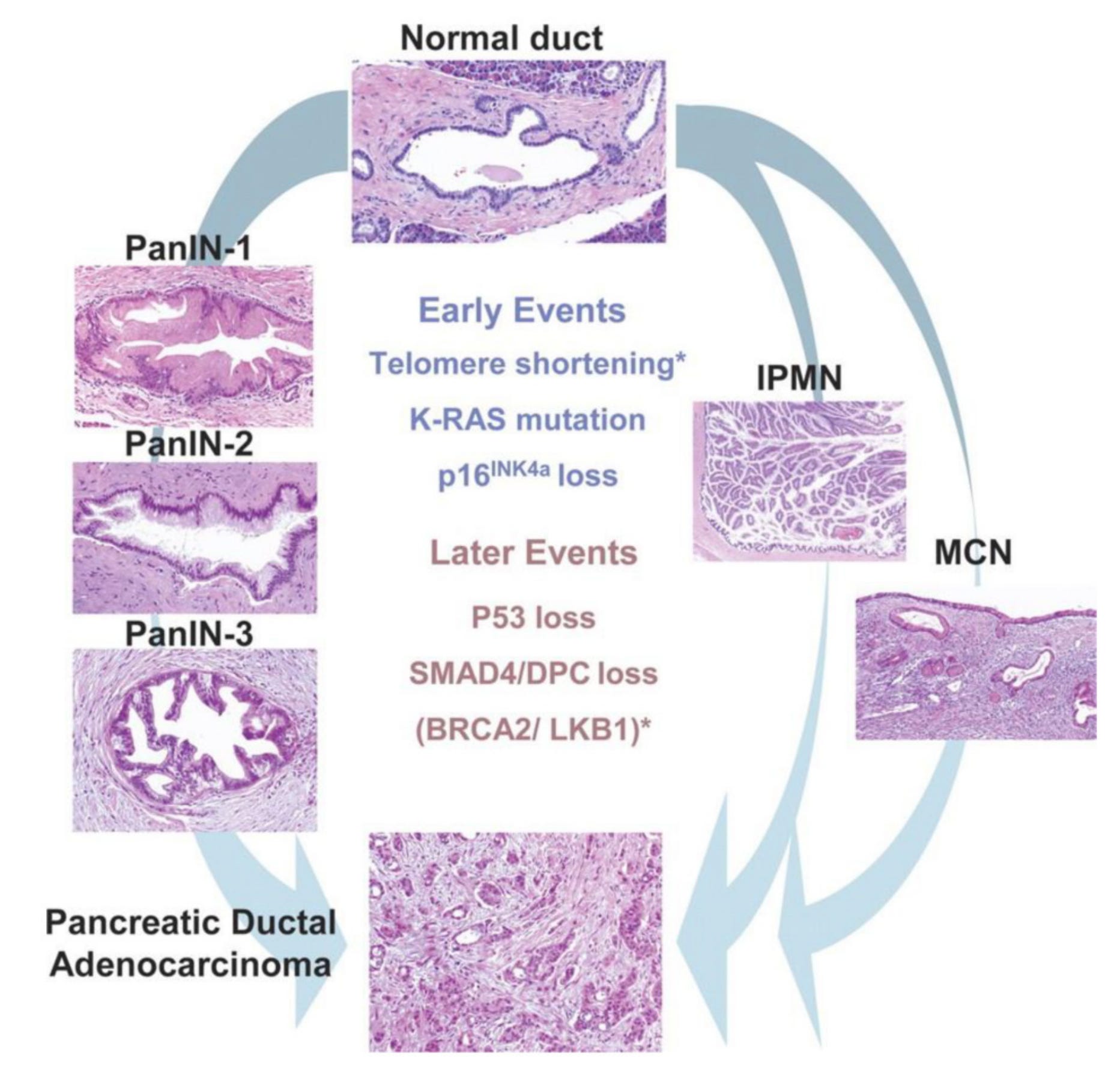
Pancreas cancer develops from normal tissues via well-established precursor lesions (PanINs and cysts — IPMNs and MCNs). These precursors usually express the dominant driver in pancreas cancer (mutant KRAS), are often (though not always) visible on imaging — and present for many years before progression.
This means the case for a vaccine against mutant KRAS — to intercept pancreas cancer before progression from precursor to cancer — is a compelling one.
Comments
Nothing yet. Say the first thing.
Sign in to join the conversation.