
Welcome!
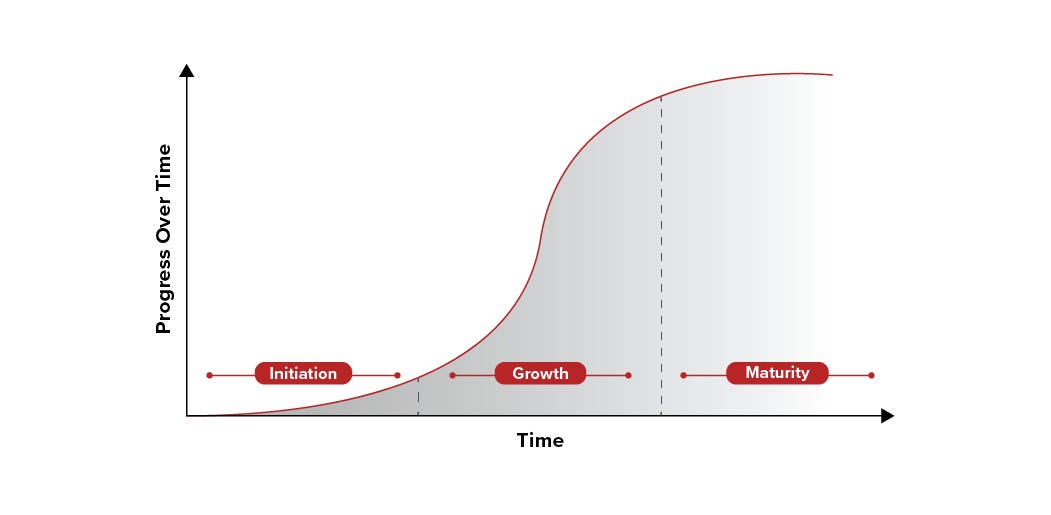
What does the future of medicine might look like, and what are the companies building it? I make some predictions here, looking for companies at the start of the S curve, before potential exponential growth. This is for information only and not investing advice!
This post is sponsored by Consensus, the AI agent for research that now has >2.5 million monthly users (me included!). If you’re a doctor, try Medical Mode to query guidelines and the top medical journals. If you’re doing research, Consensus has access to 220 million peer-reviewed papers, and has deals with 6 top publishers to access full texts (even behind paywalls). You can use my link for a free trial!
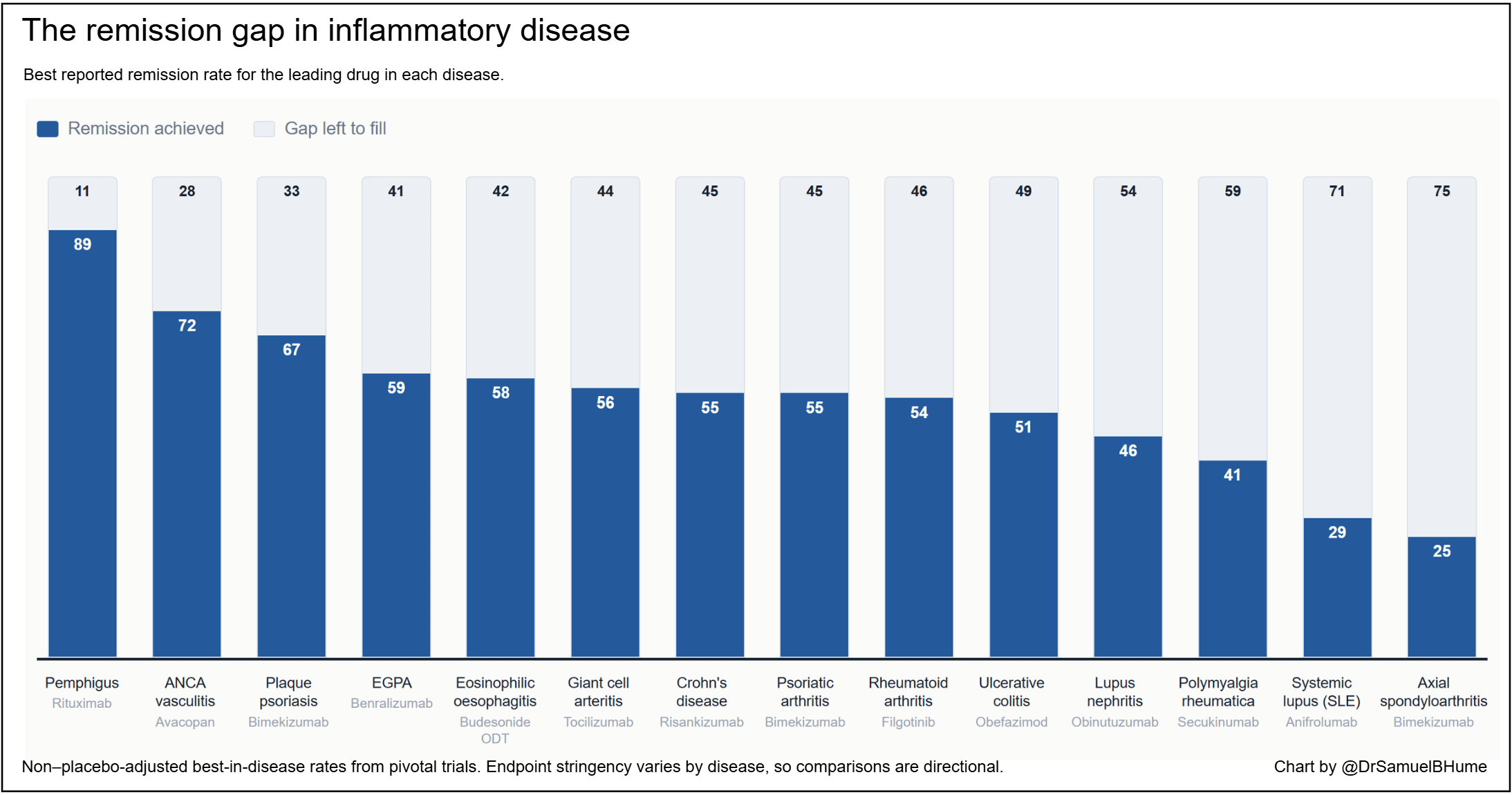
Discovery of the pathways underpinning autoimmune conditions — and the biologics that target them — have dramatically improved the care of these conditions. But there’s still a long way to go.
To illustrate that, this chart shows how effective the best-in-disease therapies are where remission (or a remission-like state) is used as an endpoint. In Crohn’s disease and rheumatoid arthritis, only about 50% of patients reach remission with today’s best medicines; for lupus and ankylosing spondylitis, it’s even less.
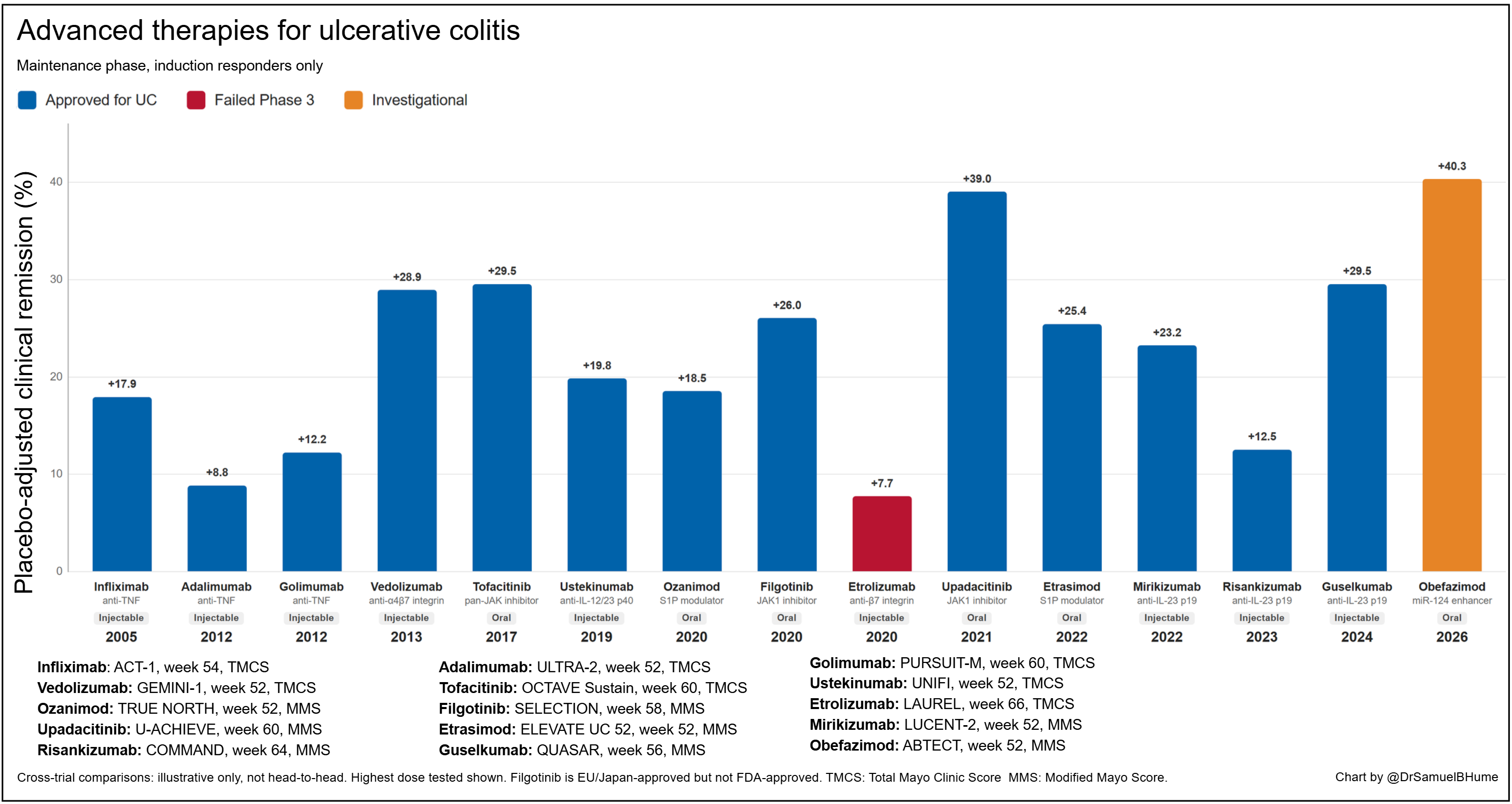
To show this in more detail, a good example is ulcerative colitis (inflammation of the colon). Drugs here have got a lot better over time: the anti-TNFs in the early 2000s and 2010s achieved placebo-adjusted clinical remission rates of less than 20%; JAK inhibitors, anti-integrins and S1P modulators improved this, and with today’s best-in-disease medicine, Obefazimod, about 40% of patients achieve clinical remission.
I think, in the future, we can get to unprecedented levels of remission in three ways.
First, with combinations of advanced therapies. This is far from the standard-of-care today, but it has been tested before. Some combinations of immunosuppressive therapies have been tried, which (unsurprisingly) failed due to increased risk of infections. Others were successful though — for example, the combination of the IL23p19 inhibitor, Guselkumab, and the TNF inhibitor, Golimumab, achieves better remission in ulcerative colitis than either medicine alone.
The key here will be using medicines with independent modes-of-action (or indeed, using multi-specific drugs that hit multiple pathways — more on that later) and making sure there’s no synergy in immunosuppression. A clear opportunity here, using the ulcerative colitis example, would be the combination of the miR-124 inducer, Obefazimod (Abivax), and the IL23 receptor antagonist, Icotrokinra (J&J)— these have distinct modes-of-action, (probably) no synergistic immunosuppression, and are both oral pills.
Second, using combinations with weight loss medicines. By cutting adiposity, the GLP1 receptor agonist, Semaglutide, reduces systemic inflammation (measured by high sensitivity CRP) by ~45%, the dual GLP1/GIP receptor agonist Tirzepatide by ~55%, and the triple GLP1/GIP/GCGR agonist Retatrutide by ~65%.
There’s already phase 3 precedent that this can translate to better clinical outcomes in the autoimmune disorders plaque psoriasis and psoriatic arthritis, with the combination of Tirzepatide and an IL17A inhibitor. We are likely to see much more of this — in ulcerative colitis, Crohn’s, rheumatoid arthritis, ankylosing spondylitis and more. The big players (Eli Lilly and Novo Nordisk) will benefit from this, but so might the up-and-comers like Viking Therapeutics and Structure Therapeutics, both of whom have competitive, differentiated GLP1s.
Third, through better personalization. I think autoimmune disorders will learn from the treatment of cancer, where, for example, we test for mutations before using targeted medicines. Autoimmune disorders still lack this level of personalization, but there are interesting emerging companies working on it. For example, Palisade Bio are innovating not only on the route of their medicine (it’s oral rather than injectable), and its mode-of-action (a gut-restricted PDE4 inhibitor — it’s for inflammatory bowel disease) but also by co-developing a companion, personalized diagnostic — a test to find the patients most likely to respond to PDE4 inhibition.
Companies that could be at the start of the S curve: Abivax ($ABVX), Viking Therapeutics ($VKTX), Structure Therapeutics ($GPCR), Palisade Bio ($PALI).
Given the complexity of medicine and the heterogeneity of disease, it is not surprising that multispecific drugs — drugs with more than one target — are starting to beat monospecifics in head-to-head trials. For example, the GLP1/GIP receptor agonist, Tirzepatide, beats the GLP1 receptor agonist Semaglutide for weight loss. The anti-PD1/VEGF bispecific antibody, Ivonescimab, beats anti-PD1 alone in lung cancer. And the biparatopic HER2 antibody Zanidatamab (which binds two sites in the same molecule) beats the HER2 monospecific, Trastuzumab, in gastroesophageal cancer.
Approvals of these multi-specific molecules, and clinical trial initiations, are already ticking up, and it’s likely to continue in the future — not just bi-specifics but also tri-specifics, quadra-specifics… quinque-specifics?
Here are some examples.
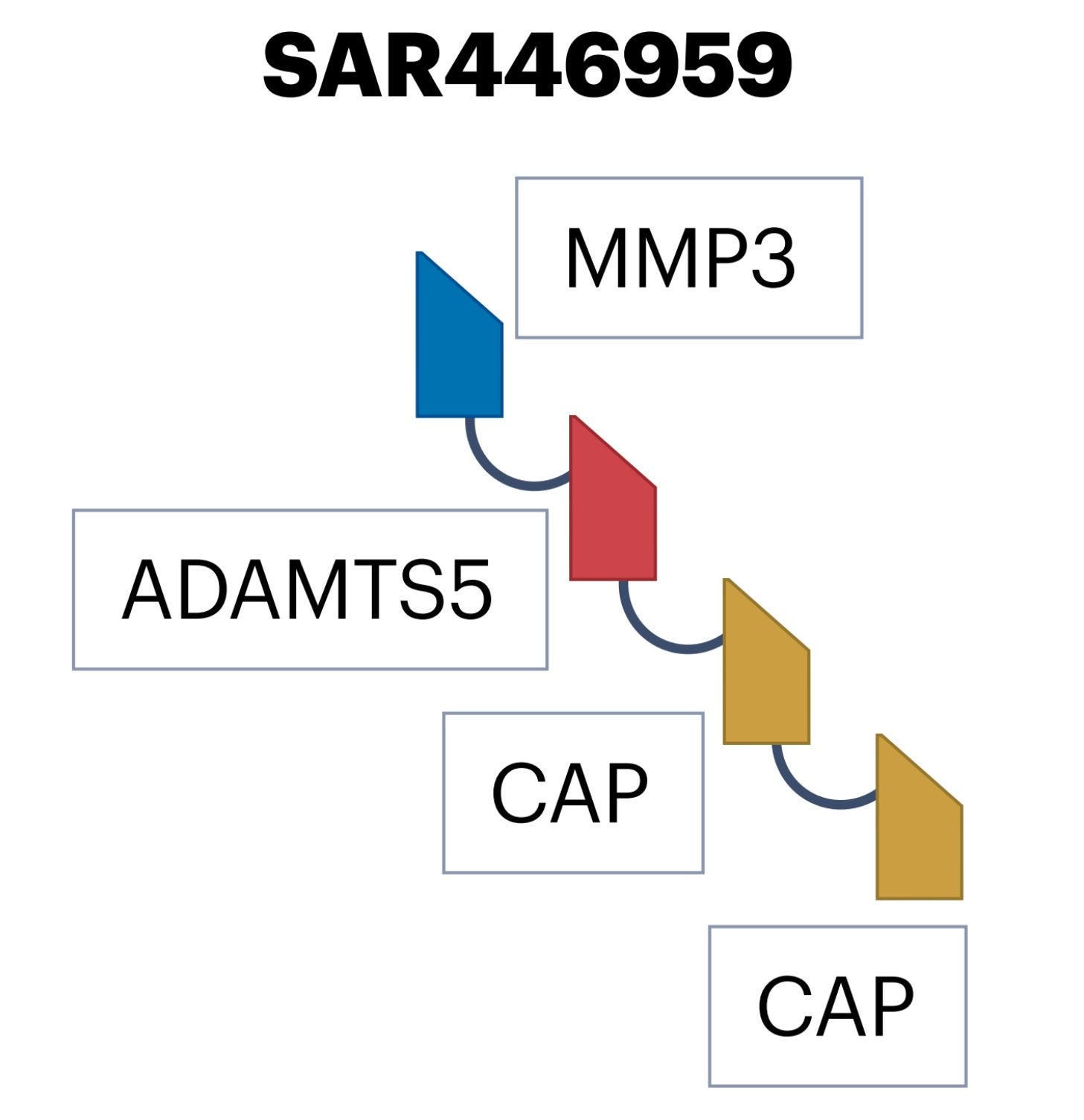
Sanofi is taking us straight to the future with a monster in development for osteoarthritis. It’s a trispecific nanobody that anchors to cartilage (via a cartilage anchoring peptide, CAP) and inhibits two cartilage-degrading enzymes, MMP13 and ADAMTS5.
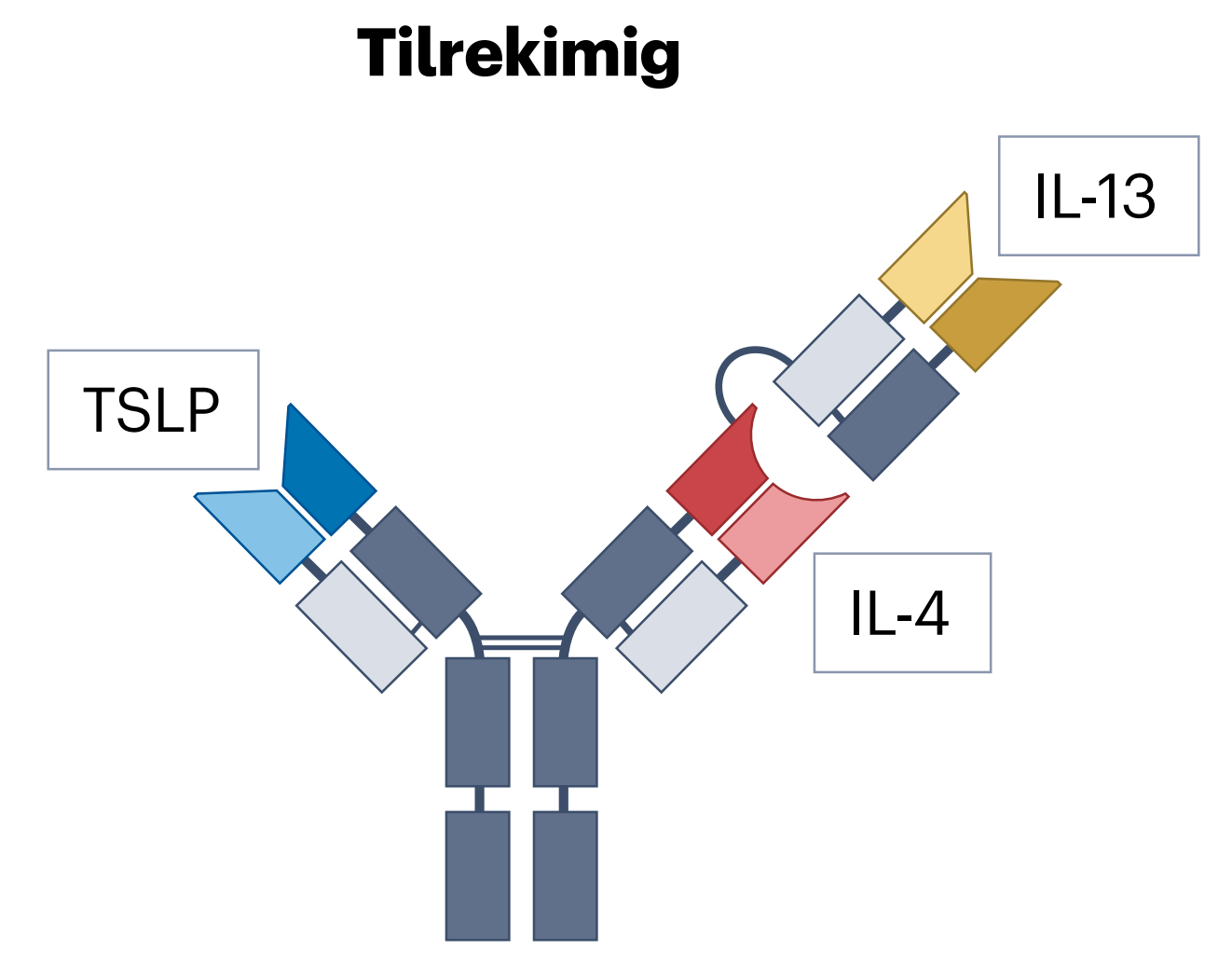
Pfizer are working on Tilrekimig, which builds on the established anti-IL4 x anti-IL13 foundation for eczema treatment, but bolts on anti-TSLP — to tailor this more for individual patients.
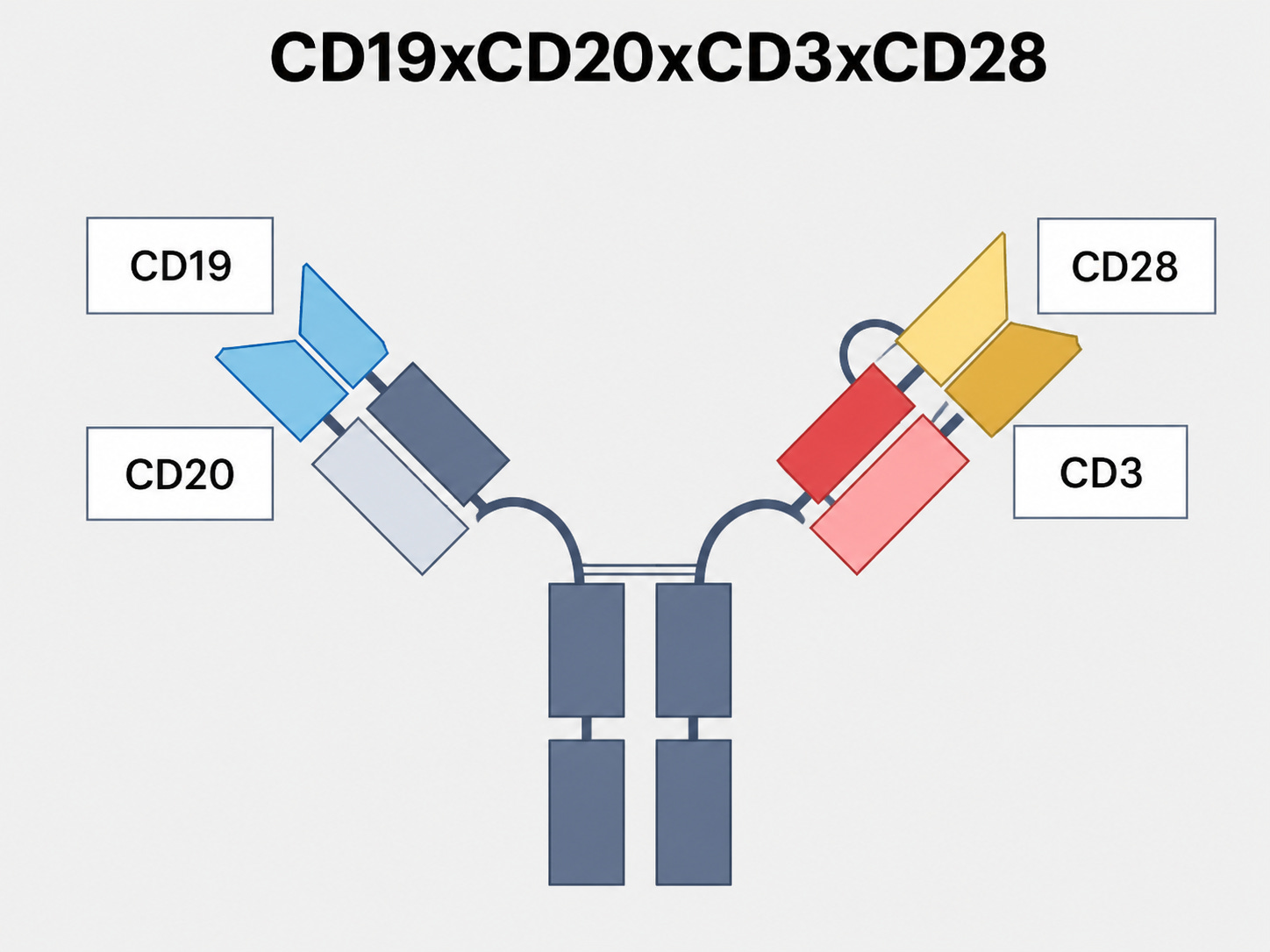
ModeX are trialling antibodies that bind both CD3 and CD28 on T cells — to provide both the T cell activating (CD3) and co-stimulation signal (CD28) — as well as two targets: in this case, both CD19 and CD20 for broad, deep B cell depletion in autoimmunity or B cell cancers.
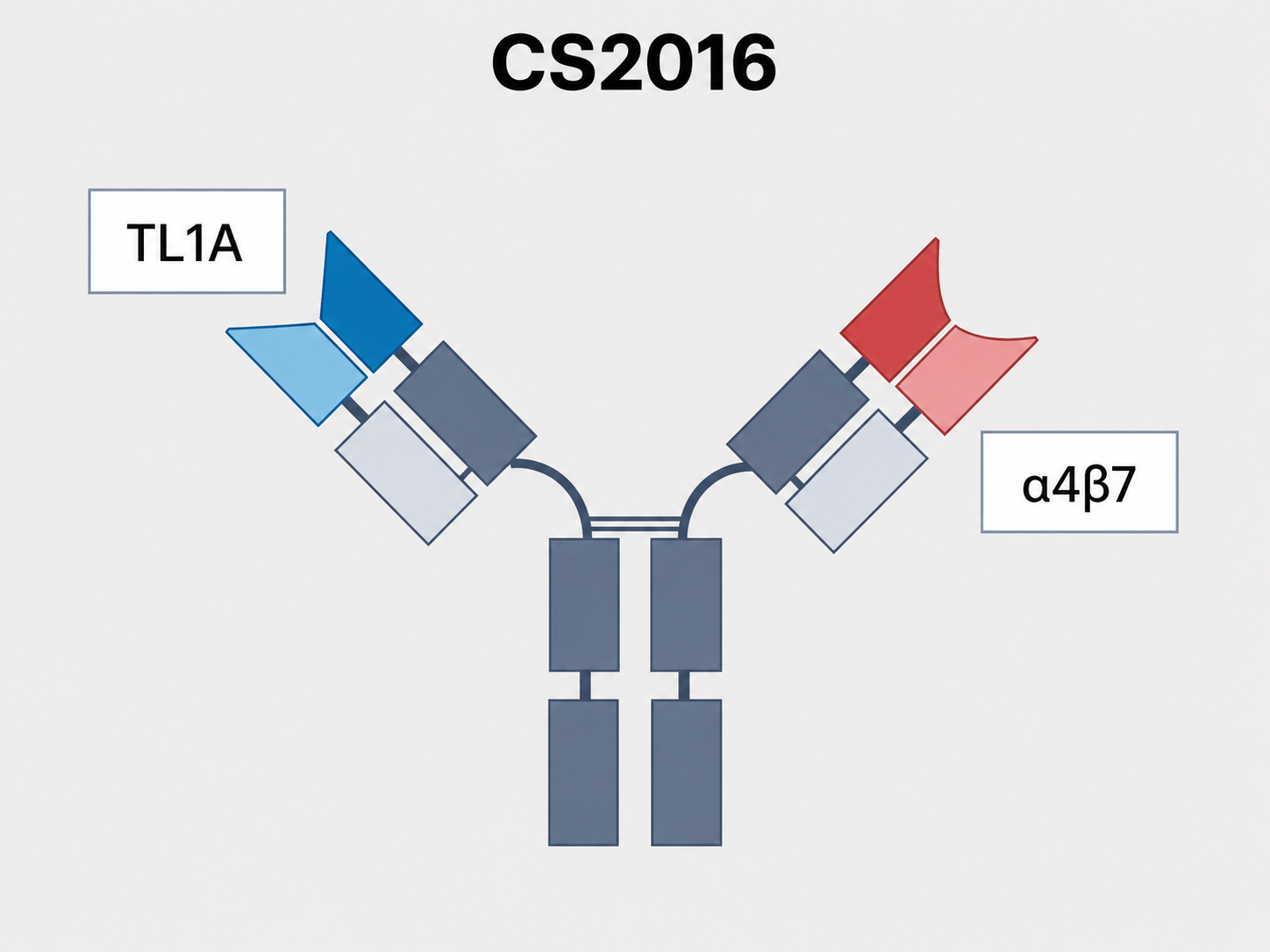
CStone pharma have a bispecific antibody for inflammatory bowel disease, that blocks two independent pathways — TL1A, to reduce mucosal inflammation and fibrosis, and α4β7, to stop trafficking of immune cells into the gut.
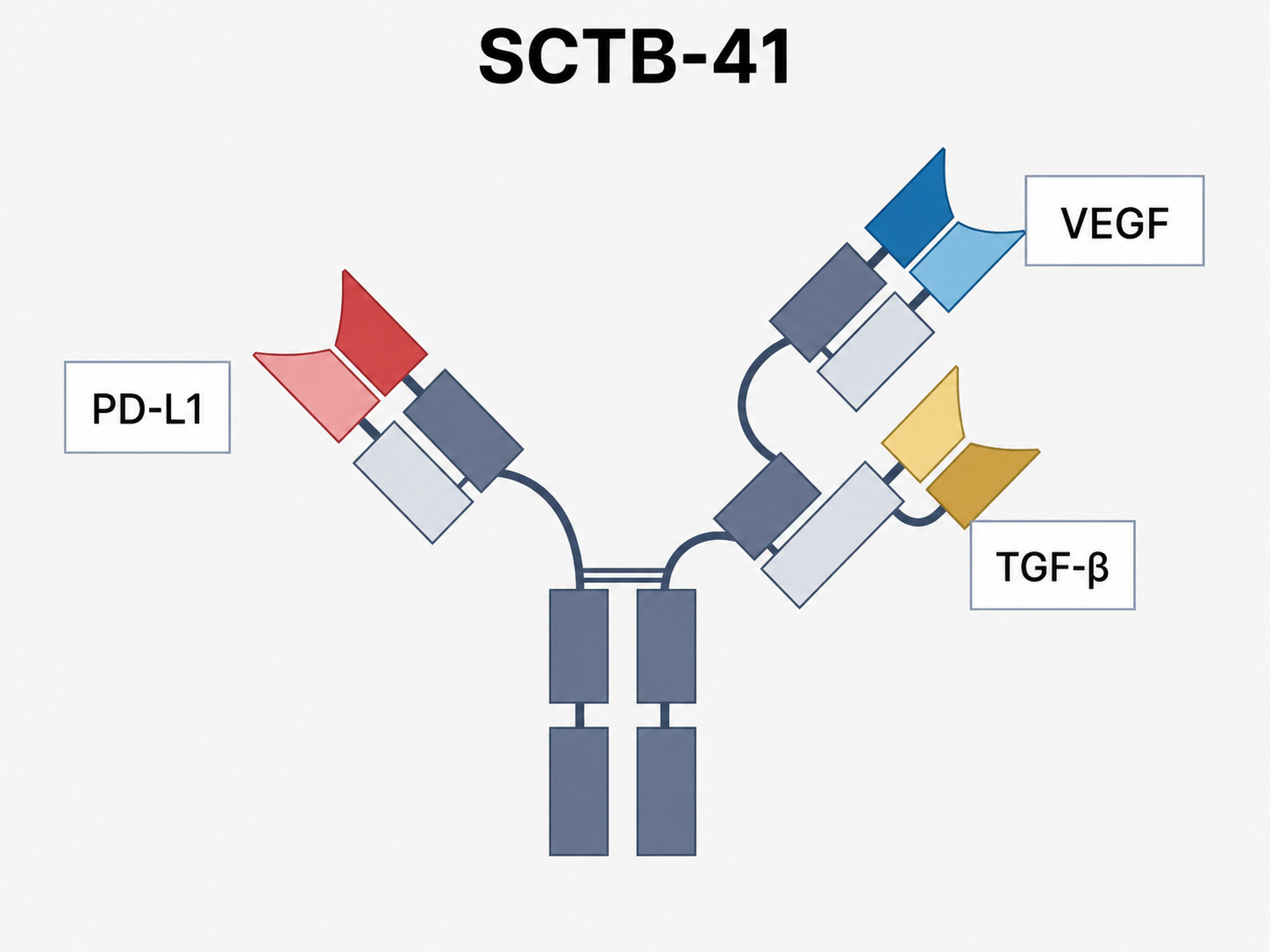
Sinocelltech have SCTB-41, a trispecific targeting PD-L1, to release T cell inhibition, VEGF, to improve immune infiltration, and TGF-beta, to help the immune response in ‘cold’ or fibrotic tumours.
Companies that could be at the start of the S curve:
Comments
Nothing yet. Say the first thing.
Sign in to join the conversation.