
Welcome! Every week I analyse the 5 most important things that happened in the world of medicine. Let’s get into it!
1. A new class of blood pressure drug
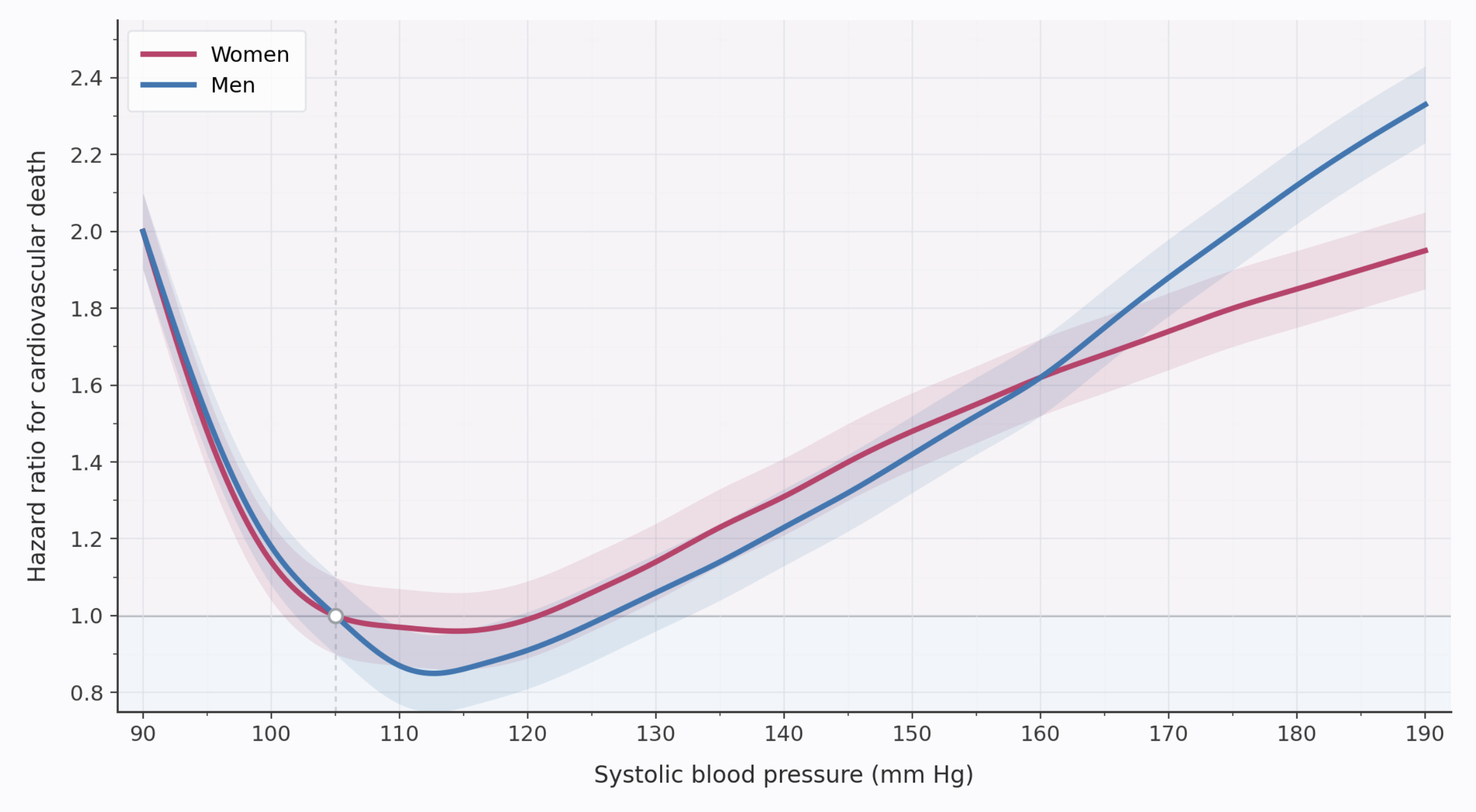
Hypertension is not a trendy part of medicine, but it’s common and important — high blood pressure increases the risk of cardiovascular disease (heart attacks and strokes). In general, lower tends to be better, with a sweet spot for systolic blood pressure around 110-120 mm Hg:
There are lots of blood pressure drugs that target hypertension, from many different angles, but treatment-resistant hypertension — hypertension despite treatment with ≥ 3 drugs — still affects ~7-10 million adults in the US.
Aldosterone signalling is an established hypertension target, and drugs that block the aldosterone receptor (like spironolactone) are the go-to medicines for resistant hypertension. Inhibition of the receptor can actually increase aldosterone levels though, via negative feedback, which causes its own problems.
For these reasons, AstraZeneca tried a different approach: blocking the synthesis of aldosterone altogether. Their drug is Baxdrostat (-stat because it’s an enzyme blocker and -dro because its target is aldosterone synthase) and was just approved this week.
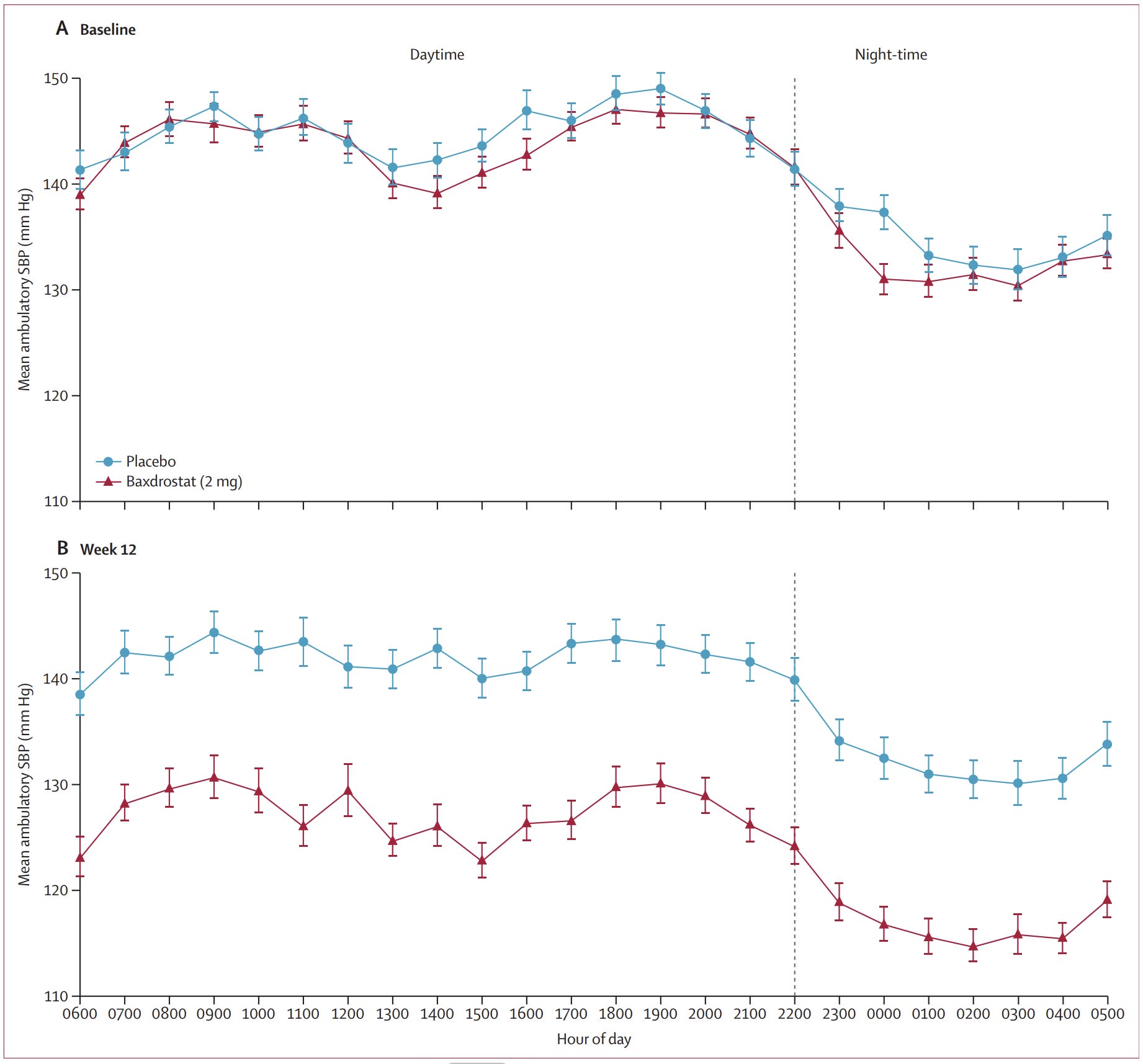
Tested in two trials (the first and the second) in patients taking an average of 4 blood pressure meds at baseline (a diuretic, an ACEi or ARB, a calcium channel and a beta blocker — mineralocorticoid receptor antagonists were not allowed!) Baxdrostat nicely reduces blood pressure. Patients here wore continuous blood pressure monitors, so you can also see how blood pressure fluctuates throughout the day — higher in the day, lower at night:
Today, the hypertension market is worth about $25B, and AstraZeneca forecast $5B peak sales for this drug. They are the first to this class but they will not be the last: Mineralys Therapeutics and Boehringer Ingelheim both have similar, late-stage drugs.
Subscribe to keep up with the cutting edge of medicine.
2. The first phase 3 trial for Retatrutide in obesity
Retatrutide is Eli Lilly’s ‘Triple G’ — a triple agonist of the GLP1, GIP, and glucagon receptors. It is not yet approved but it’s already used among biohackers and bodybuilders. This week even Elon Musk was talking about it.
Mechanistically, GLP1 reduces hunger and slows gastric emptying; GIP stimulates further weight loss and adds a tolerising factor that reduces side-effects; glucagon agonism helps to burn fat.
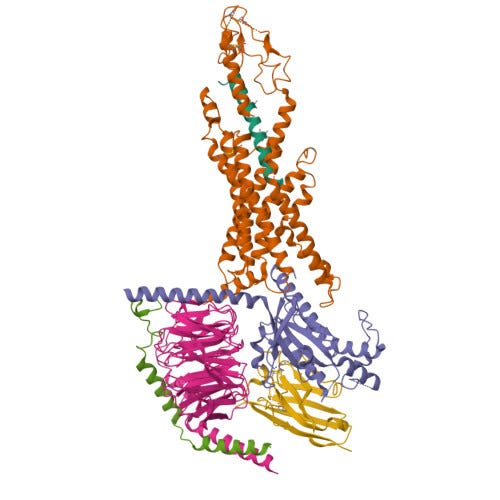
Retatrutide already has positive trials in osteoarthritis and fatty liver disease, and, this week, the first phase 3 data in obesity dropped.
Comments
Nothing yet. Say the first thing.
Sign in to join the conversation.