
During my third year of medical school, I was taking care of a patient recovering from a heart attack. Despite having spent weeks meticulously studying cardiovascular disease, one of my mentors asked me a simple question I couldn’t answer: “Why do some people with plaque have heart attacks while others don’t?”
I thought about it. “Cholesterol? Stress? Inflammation? Genetics?”
“Many people,” he continued, “live their entire lives with significant plaque buildup and never have a heart attack. Others have relatively modest atherosclerosis that suddenly ruptures. We understand several risk factors, but we still can’t fully explain why plaques rupture when they do.”
He paused. “Is there something else we’re missing? Could it even be infectious?”
That conversation stayed with me. Now, a new study published in the Journal of the American Heart Association suggests my mentor might have been onto something.
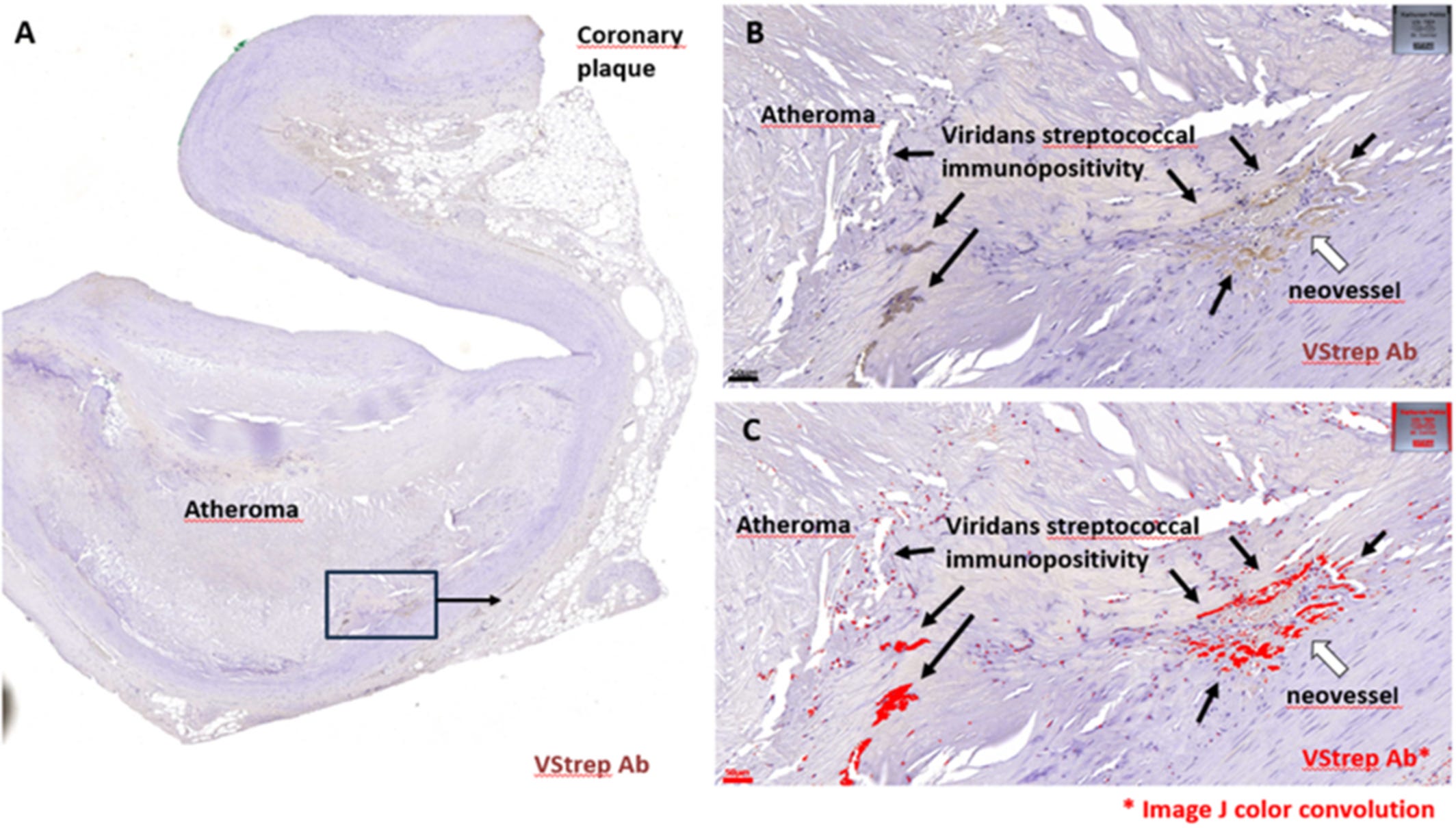
Researchers found that viridans streptococci—a group of oral bacteria commonly found in your mouth—colonize atherosclerotic plaques as biofilms and may contribute to plaque rupture and heart attacks.
Before diving into this new study, it’s important to understand that the link between oral health and cardiovascular disease is already well-established. The evidence has been building for decades:
Poor dental health significantly increases cardiovascular disease risk:
Improved oral hygiene is associated with reduced cardiovascular risk:
What we didn’t know until now was how oral bacteria might be causing heart attacks. This new study provides a potential answer.
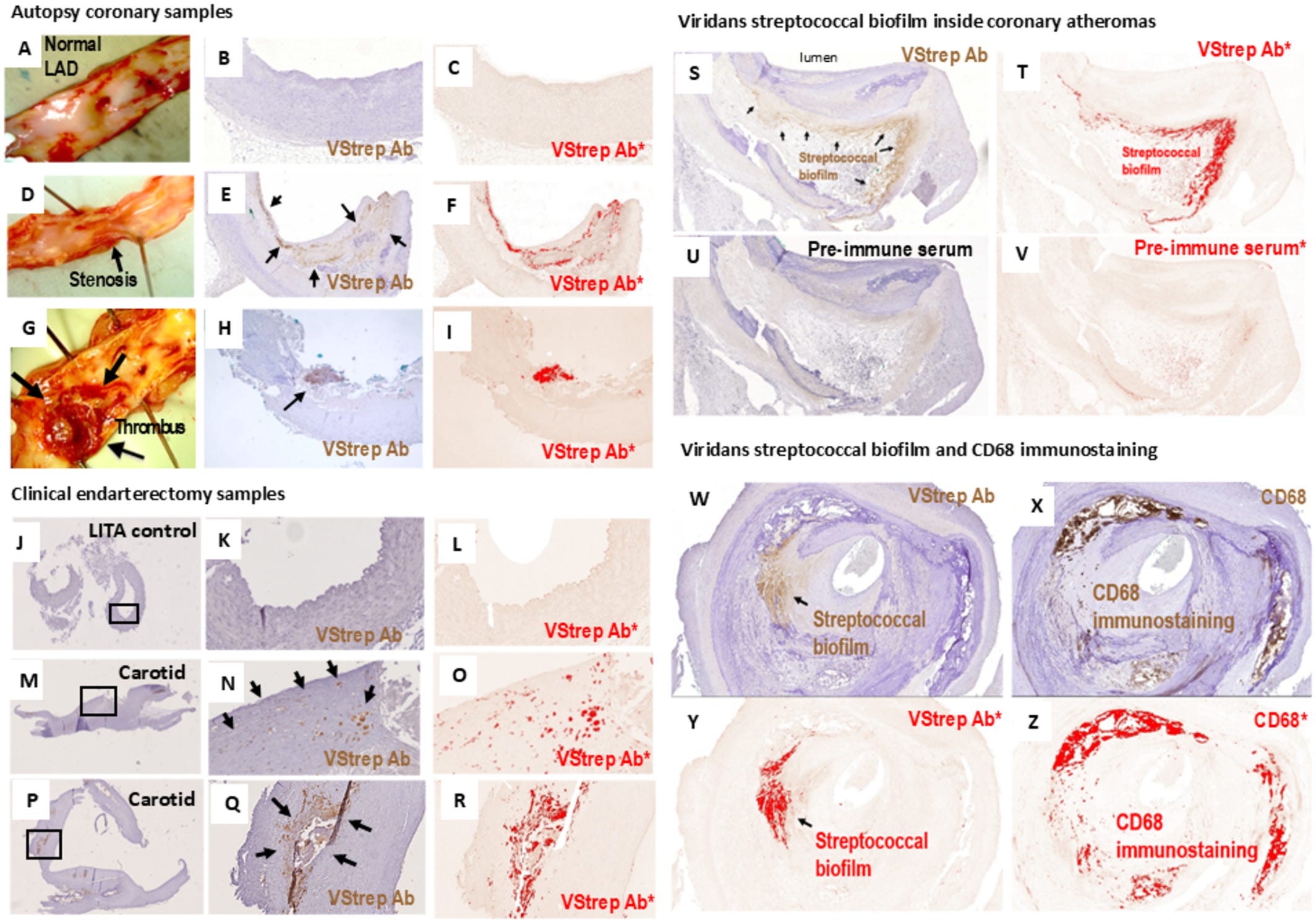
The research team analyzed atherosclerotic plaques from:
Sudden cardiac death victims (autopsy)
Patients undergoing carotid and peripheral artery surgery
Key Findings:
Viridans streptococcal DNA was detected in approximately 42% of atherosclerotic plaques
The biofilm was not detected by macrophages of the innate immune system, which are designed to kill the bacteria
When the streptococci dispersed from the biofilm, they were detected by macrophages and attacked
Streptococcal immunopositivity correlated with atherosclerosis severity
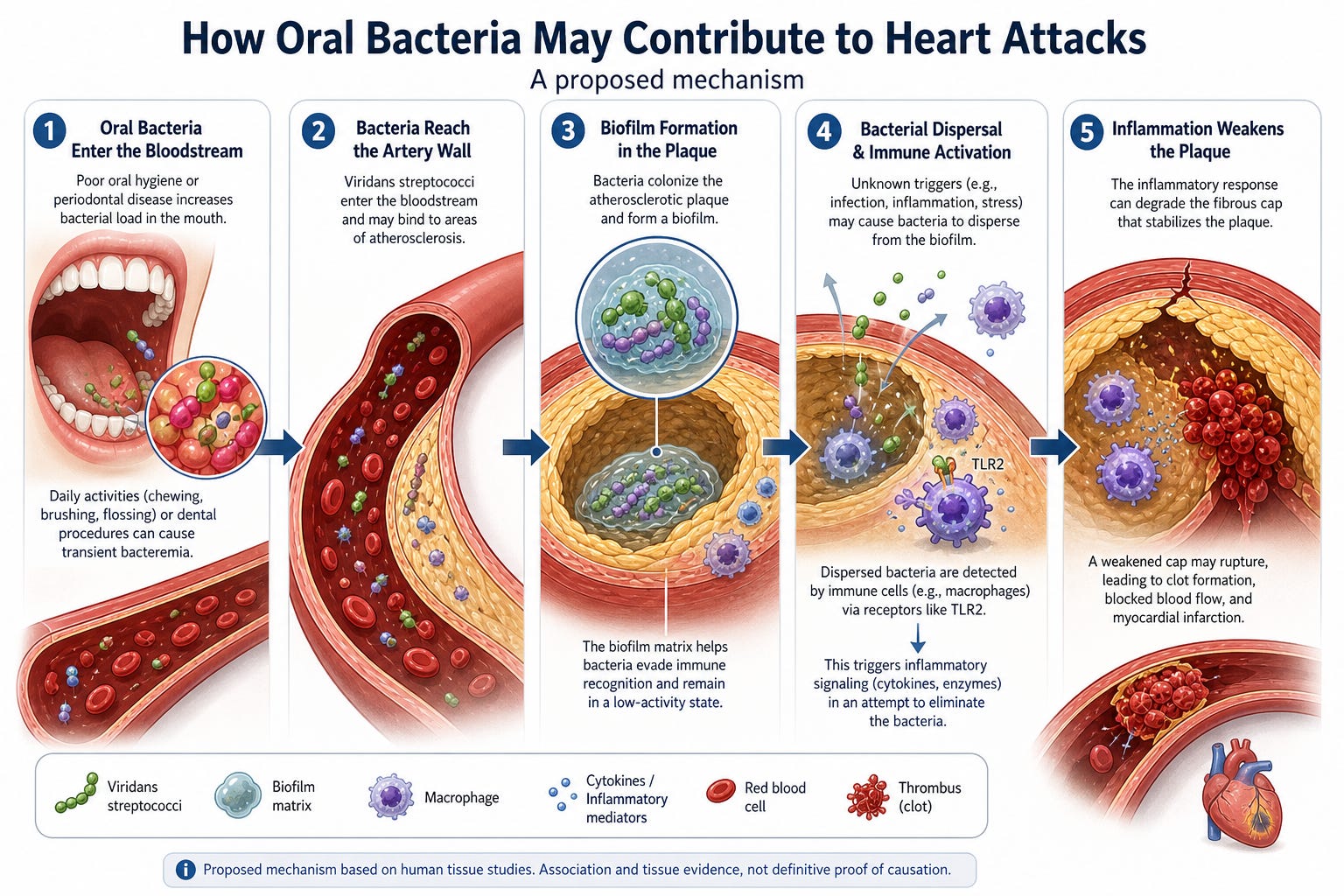
Here is The Proposed Mechanism:
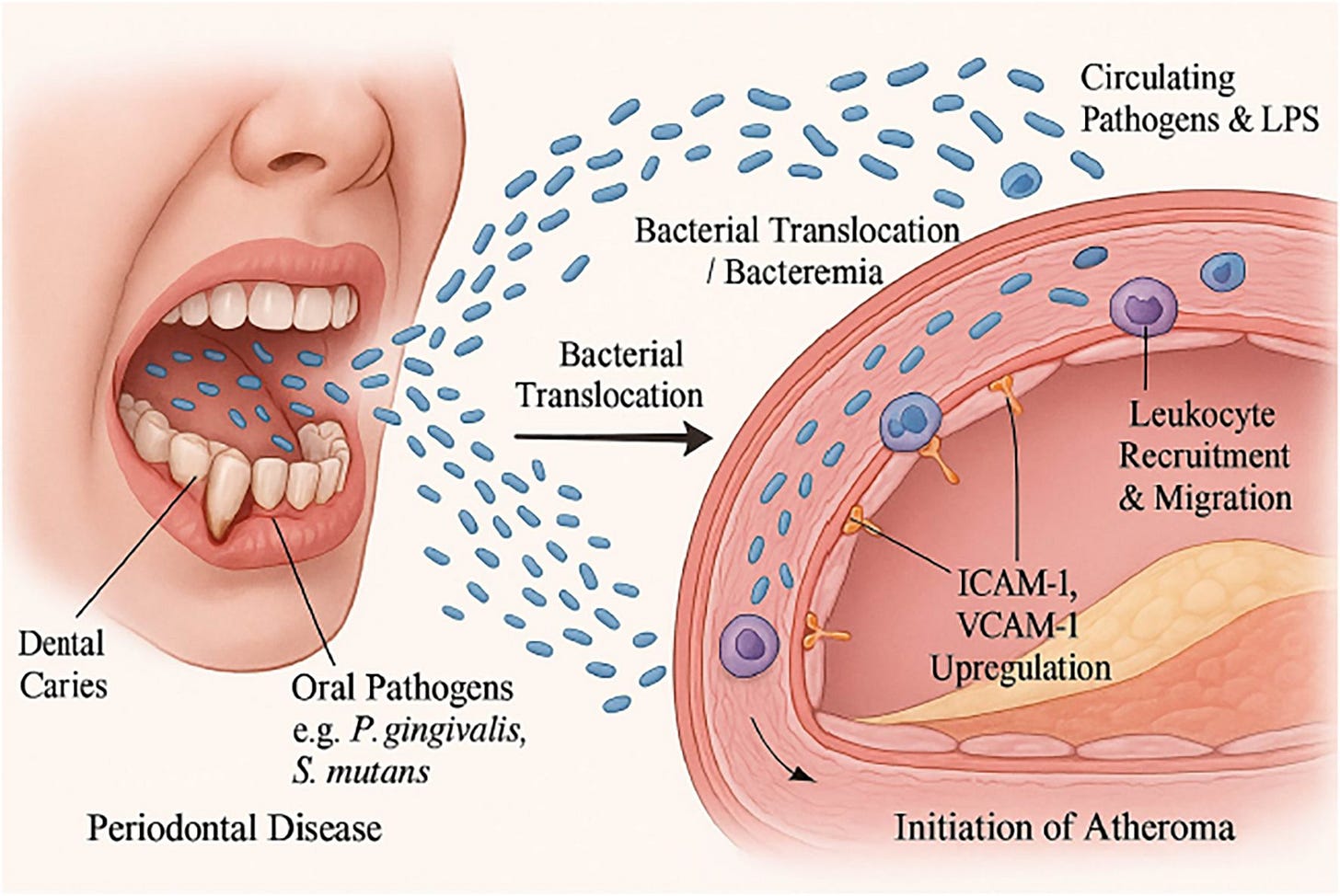
Bacterial Translocation
Poor oral hygiene and periodontal disease increase the risk for oral bacteria to enter the bloodstream
This can occur during dental procedures, tooth brushing, flossing, or even chewing
Viridans streptococci in the bloodstream then enter atherosclerotic plaques
Biofilm Formation
Viridans streptococci colonize the atheroma as a biofilm
The biofilm releases substances that prevent immune recognition
Bacteria remain dormant in regions not labeled by immune cell markers
Bacterial Dispersal
Triggered by unknown factors (possibly respiratory infections, stress, limited nutrition)
Virulent bacteria are released from the biofilm
These bacteria then become detectable by immune cells
Immune Activation
Macrophages detect and engulf the dispersed bacteria
This triggers an inflammatory reaction in an effort to kill the bacteria
Potential Plaque Rupture
Inflammatory reactions erode the fibrous cap of atheromas
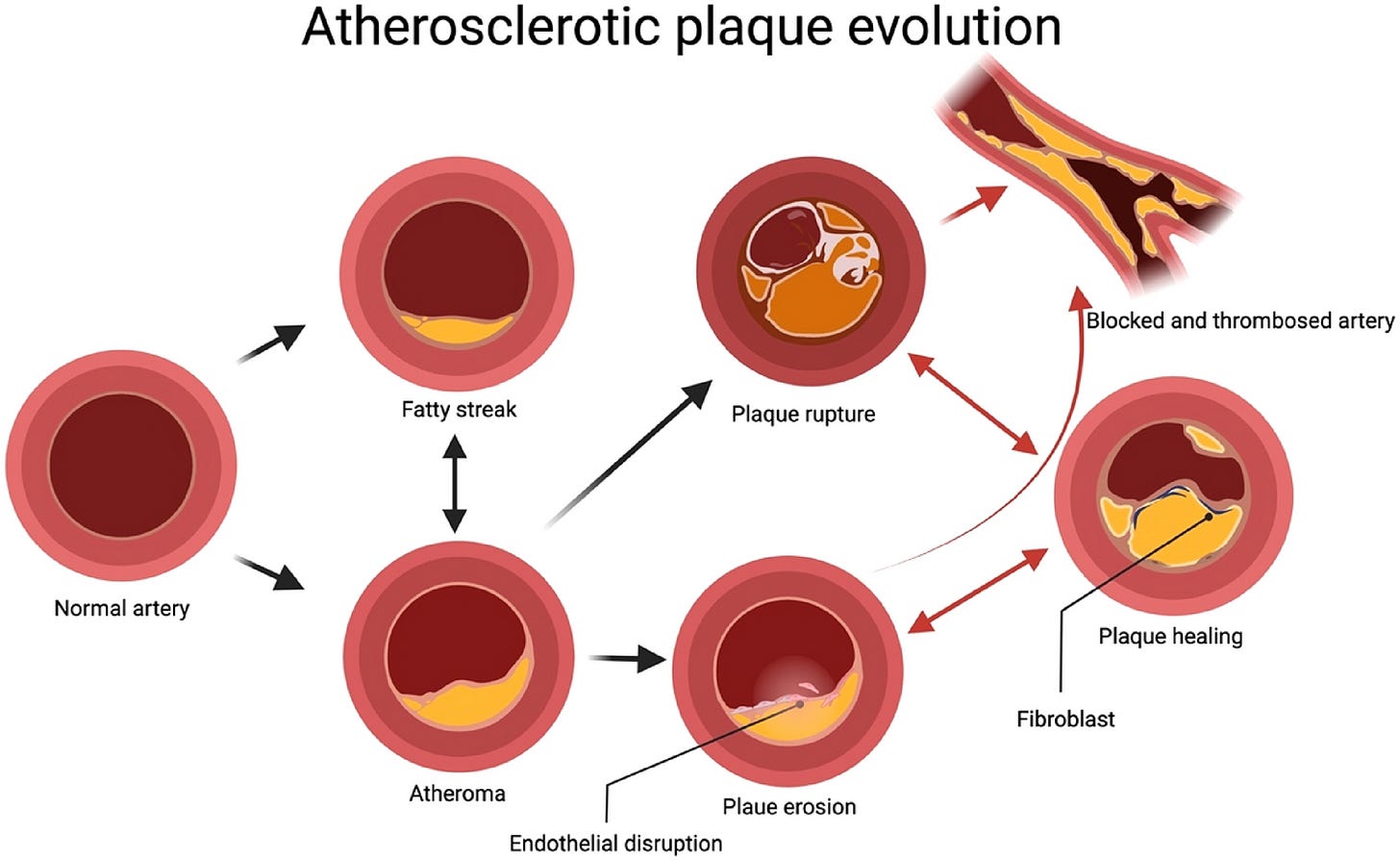
The weakened cap is then more likely to rupture, leading to thrombosis and MI (heart attack)
There are a few important limitations worth mentioning:
Cross-sectional associations cannot prove biofilms cause rupture: temporality and causation remain unclear
Detection of bacterial DNA and antigens doesn’t definitively confirm viable bacteria or live biofilm architecture
This is hypothesis-generating human tissue evidence that viridans streptococci are present in plaques and may contribute to inflammation and rupture. It does not causally establish that oral bacteria cause heart attacks.
The evidence is not clear-cut enough to say that brushing and flossing directly prevent heart attacks. But the association is strong, the mechanism is plausible, and better oral hygiene has almost no downside. So why wait for perfect proof?
Here is what I do:
Brush your teeth at least twice a day
Floss every day, ideally after every meal (I use dental picks when I am out of the house)
Schedule dental cleanings annually, ideally twice yearly
Listen to your dentist’s recommendations and don’t delay the procedures they suggest (untreated infections may increase bacteremia risk)
Traditional Cardiovascular Prevention Remains Essential:
Lipid management
Blood pressure control
Smoking cessation
Regular exercise and healthy diet
Anti-inflammatory strategies are promising but not yet routine
My mentor’s question from years ago—why do some people have heart attacks while others don’t—may have a partial answer: chronic bacterial infections hiding inside atherosclerotic plaques.
This study provides evidence that oral bacteria may colonize atherosclerotic plaques as biofilms—often escaping detection by immune markers—and intermittently disperse more virulent cells that could drive inflammation and promote plaque rupture. However, confirmation and causal proof will require further studies.
Combined with decades of observational research linking dental disease and increased cardiovascular risk, the connection between your mouth and your heart warrants serious attention.
The good news? Oral hygiene is modifiable. So if you are not on top of your oral health yet, get on it today.
Thanks for reading. If this was useful, a like or restack helps others find it.
This newsletter is for educational purposes only. It is not personal medical advice. Always consult your own health-care provider for medical guidance.
No posts
Comments
Nothing yet. Say the first thing.
Sign in to join the conversation.