
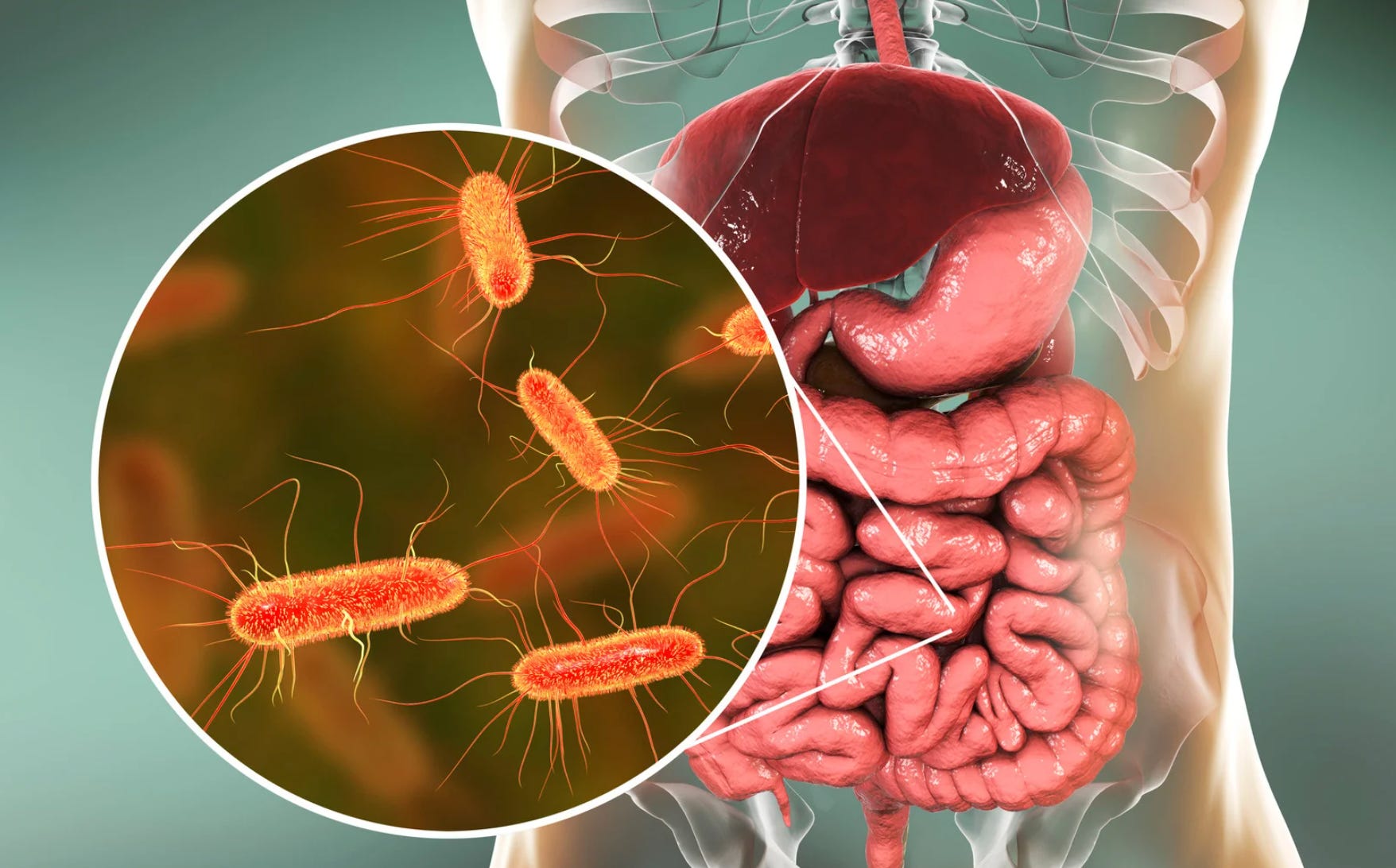
A few years ago, I got a sinus infection that would not quit. I tried to wait it out, gave it a few days, did everything conservative I could. Eventually, I needed antibiotics.
Antibiotics were nothing new to me. I prescribe them constantly, sometimes dozens of times in a single day, and I mean it when I say they are one of the most important tools in medicine.
But being on the other side of the prescription made the tradeoff feel personal. Because I also know the rest of the story. Antibiotics can wreak havoc on the gut in ways we are still working to understand. And I have watched C. difficile, an infection that can follow a course of antibiotics, take people’s lives.
The usual advice is simple: take a probiotic.
But the moment you look closer, it gets complicated.
Which probiotic? Which strain? What dose? Taken when? To prevent diarrhea, C. diff, microbiome disruption, or all of the above? And where does diet fit in?
So I went into the literature and talked to experts looking for a practical answer.
It was messier than I expected. But this is the framework I landed on.
Antibiotics do not aim. They indiscriminately kill the bug causing your infection along with a large share of your normal gut bacteria.
This study caught my attention: healthy men given a 4-day course of broad-spectrum antibiotics initially saw massive disruptions in their gut microbiome. It largely bounced back within six weeks, but 9 common species were still missing six months later (Palleja et al., 2018).
This loss weakens colonization resistance, your gut community’s ability to keep invaders out. What most doctors are familiar with is this allowing a dangerous pathogen, C. difficile, to take over and cause severe, sometimes deadly colitis. C. diff is far more common in people who are older, hospitalized, on long or repeated antibiotics, or who have had it before. About 462,000 Americans got it in 2017, and thousands die from it each year (Guh et al., 2020). For a healthy adult on a short course, the baseline odds are low, but not zero.
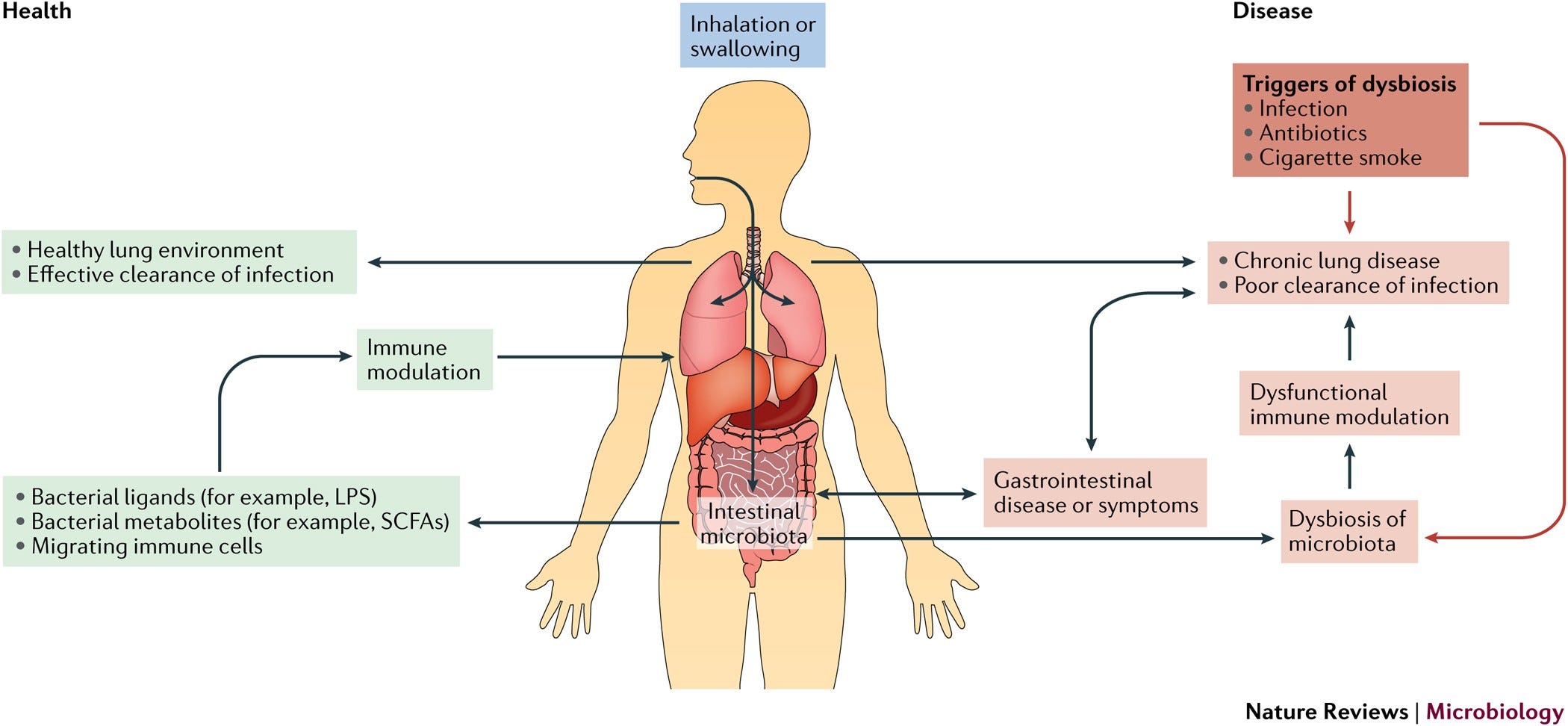
Your gut does not just affect your gut. Gut bacteria help train immune defenses far beyond the intestine, including in the lungs. In animal studies, wiping out the gut microbiome worsens responses to bacterial and viral respiratory infections (Budden et al., 2017).
That is why I worry most about people who catch infection after infection and take antibiotic after antibiotic. Each course leaves a dent, and some people may be stacking those dents faster than they can recover.
There is good evidence that a probiotic reduces antibiotic-associated diarrhea (Goodman et al., 2021), and newer evidence that it may modestly lower the risk of C. difficile (Esmaeilinezhad et al., 2025). That C. diff benefit is small, but C. diff can be devastating, and to me a small cut in that risk is well worth it.
I take two things, for two different jobs.
For the diarrhea itself: Saccharomyces boulardii has the strongest adult evidence here, cutting antibiotic diarrhea from roughly 17% to 8% in pooled trials (Szajewska and Kołodziej, 2015), and as a yeast it is unaffected by antibiotics. Lactobacillus rhamnosus GG is another simpler single-product option.
For the wider microbiome: a multi-species probiotic or synbiotic (probiotic + prebiotics). In a recent randomized trial, healthy adults who took a 24-strain synbiotic plus a pomegranate-derived prebiotic during and after antibiotics (ciprofloxacin and metronidazole) regained microbiome diversity faster and made more butyrate, acetate, and barrier-supporting metabolites than placebo (Napier et al., 2026). This was an early, industry-funded study measuring lab markers, not diarrhea, so I treat it as promising, not proven. I always ensure I pair probiotics with prebiotics and a high fiber diet.
The Protocol:
Start on day one, not after you feel sick. Earlier is linked to more benefit.
Take probiotics a couple of hours apart from the antibiotic to reduce exposure to peak antibiotic concentrations. S. boulardii does not require this separation because it is a yeast and is not affected by antibacterial drugs.
Ask your doctor first if you are immunocompromised, critically ill, since rare bloodstream infections have occurred.
To help guide your decision on which brand to buy, probioticchart.ca (Canada) and usprobioticguide.com are helpful resources.
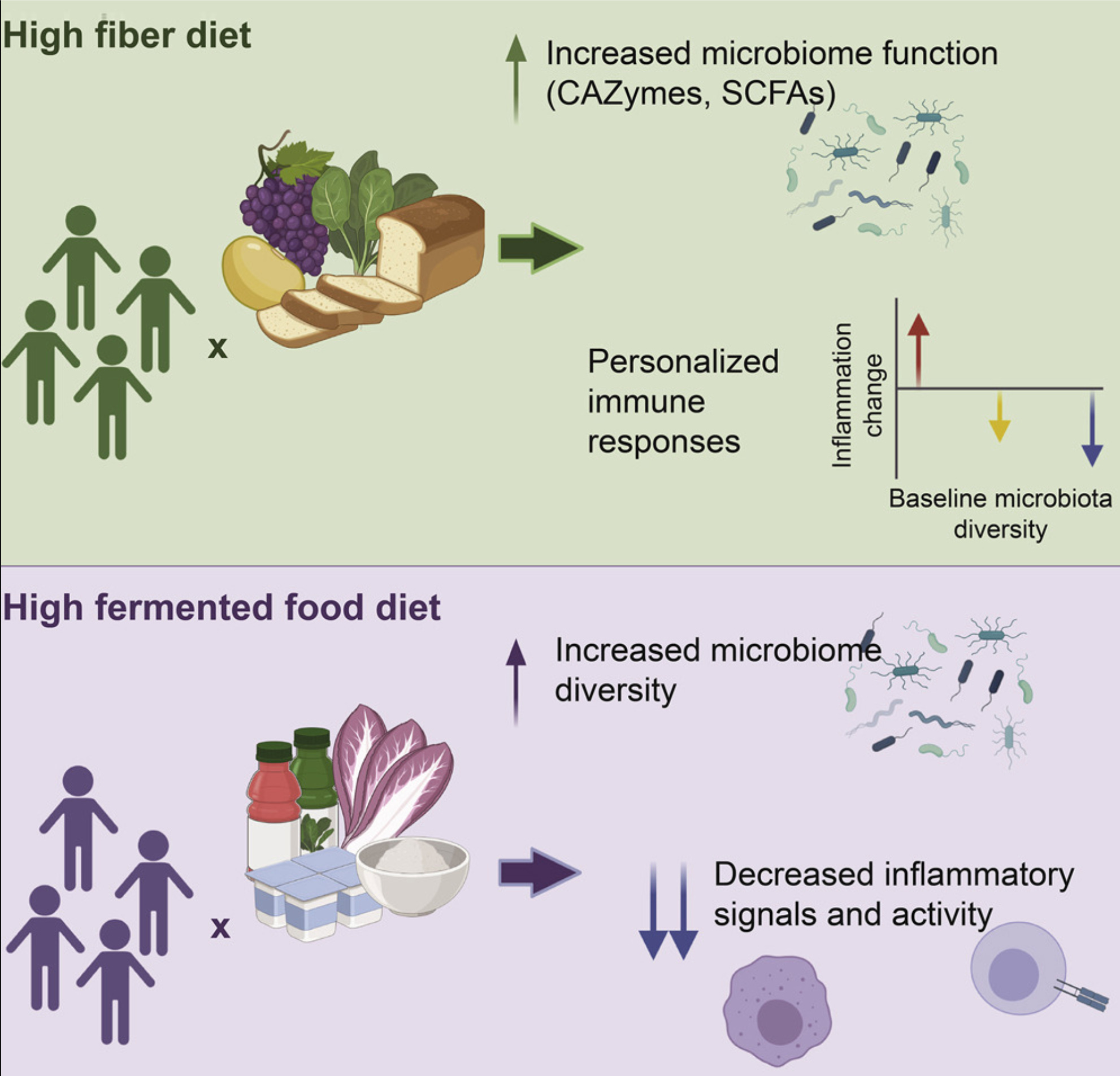
Diet is the other half of the equation. Food helps create the recovery environment. In a Stanford randomized trial, a diet rich in fermented foods increased microbiome diversity and lowered inflammatory markers, while a high-fiber diet changed microbiome function and appeared to work best in people who already had more microbial diversity (Wastyk et al., 2021).
So my approach is simple: add helpful microbes, then feed them.
The protocol:
Fermented foods, several servings a day. In the above study, yogurt and vegetable-brine drinks tracked closest with the diversity gain.
Aim for live-culture yogurt and kefir, kimchi and other fermented vegetables, sauerkraut, miso, tempeh, and kombucha. Buy refrigerated, not shelf-stable, so the cultures are alive.
Fiber, building toward at least 30 to 40 grams a day from food: legumes, whole grains, oats, nuts, seeds, vegetables, fruit, and berries. Psyllium is a great supplement to add here.
Resistant starch when tolerated: cooled potatoes or rice, legumes, slightly green bananas.
Ramp both up slowly. Your gut needs time to adapt, and too much too fast can cause discomfort. In this trial, higher fiber intake was linked to more carbohydrate in stool, suggesting the microbiome was not fully processing it yet.
Separate dairy, calcium, iron, and zinc from a fluoroquinolone or tetracycline, which they can bind and weaken.
Probiotics with antibiotics are neither a scam nor a miracle.
For me, this is about trying to optimize the odds. I know most healthy people on a short course of antibiotics will do just fine. But I have also seen what happens when someone is the unlucky one. C. diff can derail a life, and in rare cases, end one.
So my reasoning is simple. Antibiotics can severely disrupt the microbiome. That disrupted state is linked to a long list of bad outcomes. Probiotics and diet are imperfect tools, but both have evidence of benefit. For a cheap, low-risk add-on, that is a trade I will take.
If you are healthy and taking a short course, either taking a studied probiotic or skipping it and watching for symptoms is reasonable. But when I take antibiotics, this is the strategy I follow.
Thanks for reading. If you found this helpful, a like or restack helps others discover it.
This newsletter is for educational purposes only. It is not personal medical advice. Opinions are my own. Always consult your own health-care provider for medical guidance.
No posts
Comments
Nothing yet. Say the first thing.
Sign in to join the conversation.