
Most symptoms are harmless. A cough is usually viral. A headache is usually not dangerous. Fatigue is usually from stress, poor sleep, or doing too much.
But a small number of symptoms are different.
They are the warning signs doctors learn to take seriously because catching them early can change the outcome.
These are 10 symptoms I tell people not to ignore. Some I have seen dozens, even hundreds, of times. Others only a few. But every one of them is the kind of symptom worth recognizing before it is dismissed.
This is not meant to make you anxious about every ache, cough, or headache.
It is meant to help you know when your body may be telling you something that deserves attention.
1. The “Worst Headache of Your Life”

A “thunderclap” headache, one that goes from zero to maximum in under a minute, is the classic warning sign of a subarachnoid hemorrhage: bleeding around the brain from a ruptured aneurysm. It kills up to 60% of people, and the risk of a fatal re-bleed is highest in the first hours. Speed to peak is the giveaway.
A headache that hits maximum intensity in under a minute, especially if unlike any you have had before, is a 911 call. Don’t drive yourself or brush it off.
2. Intractable Hiccups

If someone walks into a doctor’s office with hiccups that have gone on non-stop for days, that’s an immediate red flag. I once saw a patient with persistent hiccups who turned out to have a brain tumor. Most hiccups are harmless, but hiccups lasting more than 48 hours can signal trouble in the brain, chest, or gut. The hiccup reflex passes through the brainstem, so a stroke or tumor there can set them off. The list of causes is extensive, but others include reflux, certain medications, kidney failure, electrolyte abnormalities, and masses in the chest or abdomen.
Hiccups lasting more than 48 hours need a doctor, not another folk remedy.
3. Repeated Spells of Low Blood Sugar
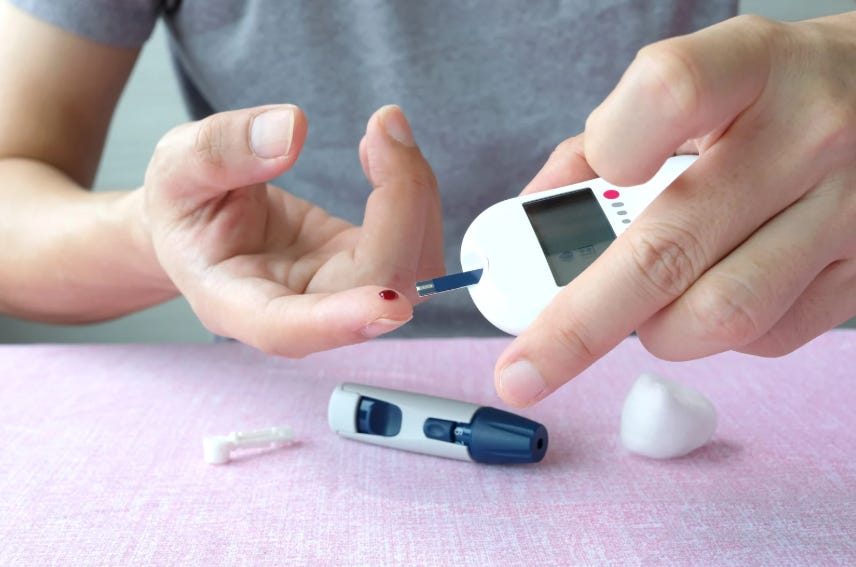
A few years back I saw a young man with the classic Whipple’s triad: episodes of sweating, shaking, and confusion that consistently resolved with food. His spells had been chalked up to anxiety for weeks. After finally coming into the ER, we caught it. It was an insulinoma, a very rare cancer, and only the second one I have seen. He was treated and surgically cured within days.
Whipple’s triad is the pattern that points to true low blood sugar: symptoms of hypoglycemia (sweating, tremor, palpitations, confusion, slurred speech, or even loss of consciousness), a measured low glucose during the episode, and resolution once the glucose is corrected. In someone without diabetes, this combination can signal an insulinoma: a rare insulin-secreting tumor of the pancreas. Episodes can be brushed off as anxiety or panic attacks. Many insulinomas are benign and can be cured with surgery. If untreated, severe hypoglycemia can be very dangerous, leading to seizures or even death in rare cases.
If you have repeated episodes of sweating, shakiness, confusion, or fainting that consistently resolve with food or juice, try to check a glucose level during an episode and talk with your doctor. If an episode causes loss of consciousness, a seizure, or you are unable to safely treat it yourself, call 911 immediately.
4. New One-Sided Calf Pain or Swelling
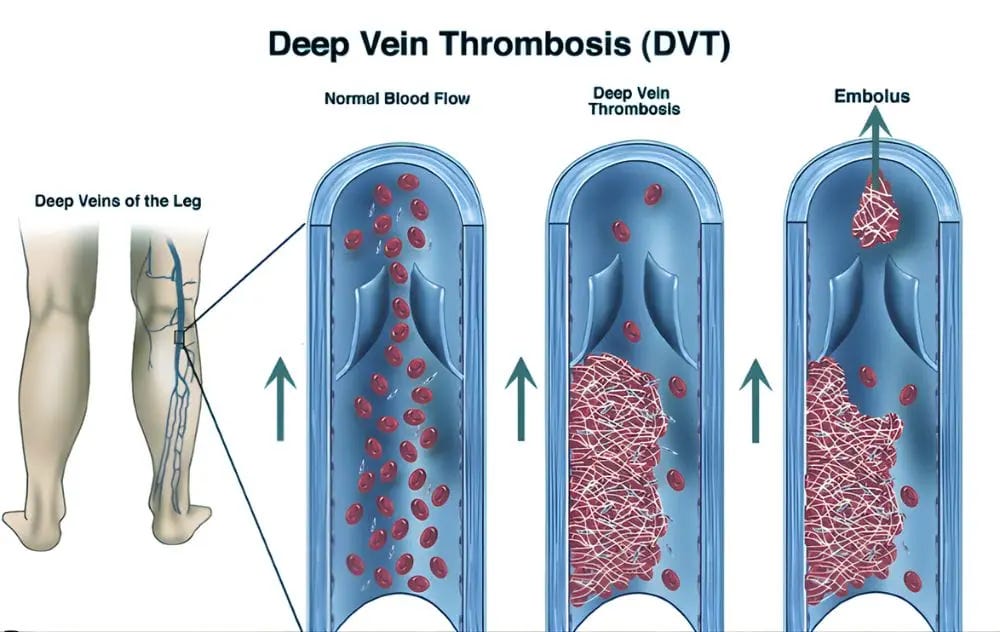
A new painful, swollen, warm, or red calf, especially on one side, can be a deep vein thrombosis (DVT): a clot in the deep veins of the leg. The danger is that part of the clot can break loose, travel to the lungs, and become a pulmonary embolism. I’ve seen a lot of these, often after immobility, long travel, surgery, hospitalization, pregnancy, cancer, or estrogen-containing medications. Caught early, blood thinners can prevent the clot from growing or travelling to the lungs.
New one-sided calf swelling, warmth, tenderness, or redness, especially after a long flight, surgery, or hospitalization, needs urgent evaluation. With shortness of breath, chest pain, or lightheadedness, call 911.
5. Visible Blood in Urine, Even Once

Pink, red, or cola-colored urine, especially when painless, can be a warning sign of bladder cancer or another serious urinary tract problem. People often dismiss it because it may happen once and then disappear. Sometimes the cause is infection, kidney stones, or an inflammatory or autoimmune condition. But visible blood in the urine is never something to ignore. Even one episode deserves evaluation, because the cause needs to be found, and cancers caught early, for example while still confined to the bladder lining, are far more treatable.
Even one episode of visible blood in your urine, painful or painless, deserves urgent evaluation. The fact that it stopped does not mean it was nothing.
6. Bleeding After Menopause, Even Once

Any vaginal bleeding more than a year after your last period is considered postmenopausal bleeding and should never be ignored. The most common causes are benign, particularly thinning of the vaginal or uterine lining, but bleeding can also be the first sign of endometrial cancer (cancer of the uterine lining). About 9% of women with postmenopausal bleeding are ultimately diagnosed with endometrial cancer. The good news is that when it is caught while still confined to the uterus, outcomes are generally very good. Once it has spread beyond the uterus, survival drops sharply.
Any bleeding after menopause, even spotting, even once, warrants a call to your doctor and usually a transvaginal ultrasound and possibly a biopsy. It is rarely an emergency, but it is never normal.
7. Morning Headaches and Loud Snoring

Loud snoring, pauses in breathing, morning headaches, and daytime sleepiness are classic clues for obstructive sleep apnea. You may think you are sleeping, but your brain may be waking up over and over starving for oxygen just to restart breathing. Treatment can meaningfully improve energy, sleepiness, quality of life, blood pressure, and risk of serious disease. I have OSA myself; I wrote about my diagnosis here and why I chose to treat it, even though it was mild.
If you snore loudly, have witnessed pauses in your breathing, or wake up with headaches and are falling asleep throughout the day, ask your doctor about a sleep study.
8. Yellow Eyes

Yellow discolouration of the whites of the eyes (jaundice) means bilirubin is building up in the blood. Bilirubin is a yellow pigment produced when red blood cells are broken down, and the liver normally clears it. Yellow eyes can signal several broad categories of trouble: liver disease, red blood cells being destroyed too quickly, or a blockage of bile flow. Sometimes the cause is something readily treatable, like a gallstone. Other times it is a sign of a serious underlying disease, including cancer, infection, or autoimmune disease.
New yellow discoloration of the eyes, especially when painless or progressive, deserves urgent evaluation. Don’t wait to see if it goes away.
9. Constitutional Symptoms

Unexplained fevers, drenching night sweats that soak the sheets, and unintentional weight loss are often called “B symptoms.” Sometimes the cause is something benign, but together they can point to a serious inflammatory process in the body. That can include cancer, classically lymphoma, but also autoimmune disease or chronic infections like tuberculosis, endocarditis, or HIV. Some cancers like lymphoma can present this way and can be highly curable when caught early. The danger is that young, otherwise healthy people can carry these symptoms for months before anyone takes them seriously.
A combination of unexplained fevers, drenching night sweats, and unintentional weight loss lasting more than a few weeks deserves a workup. Don’t write it off as stress.
10. New Floaters, Flashes, or a Curtain Over Vision

A sudden shower of new floaters, flashes of light, or a dark curtain moving across your vision can be a warning sign of a retinal tear or detachment. As we age, the gel inside the eye gradually shrinks and pulls away from the retina. Most of the time this is harmless, but sometimes it creates a tear that allows fluid to slip underneath and lift the retina away from the back of the eye. The longer a retinal detachment goes untreated, the greater the risk of permanent vision loss. Outcomes are best when it is recognized and treated early.
A dark curtain or shadow moving across your vision is an eye emergency. A sudden shower of new floaters or flashes, especially with any loss of vision, should also be assessed urgently.
Most of the time, these symptoms will not turn out to be the worst-case scenario.
But that is exactly the point.
You do not need to panic over every symptom. You just need to know the handful that deserve attention.
Because in medicine, timing matters.
The body often whispers before it screams. Listening early can change everything.
Thanks for reading. If you found this helpful, a like or restack means a lot and helps others find it.
This newsletter is for educational purposes only. It is not personal medical advice. Opinions are my own. Always consult your own health-care provider for medical guidance.
Comments
Nothing yet. Say the first thing.
Sign in to join the conversation.