
The second year of farming is where the romance wears off and responsibility settles in. The land remembers what you did last year. The animals depend on what you decide next. Systems either hold — or they don’t.
What follows isn’t a highlight reel or a reflection on vibes. It’s a ledger: an honest, month-by-month account of what we built, lost, learned, sold, and stewarded while growing a regenerative farm in real time.
How We Come Back: Field Notes on Returning to What Matters is a reader-supported publication. To receive new posts and support my work, consider becoming a free or paid subscriber.
January
As we hibernated in winter’s cold (and did some skating on the pond), I hosted my first women’s circle in our milkbarn gathering space to begin the year. This was my way of setting an intention for more in-person gathering and helping people identify it as a bioregional community hub.
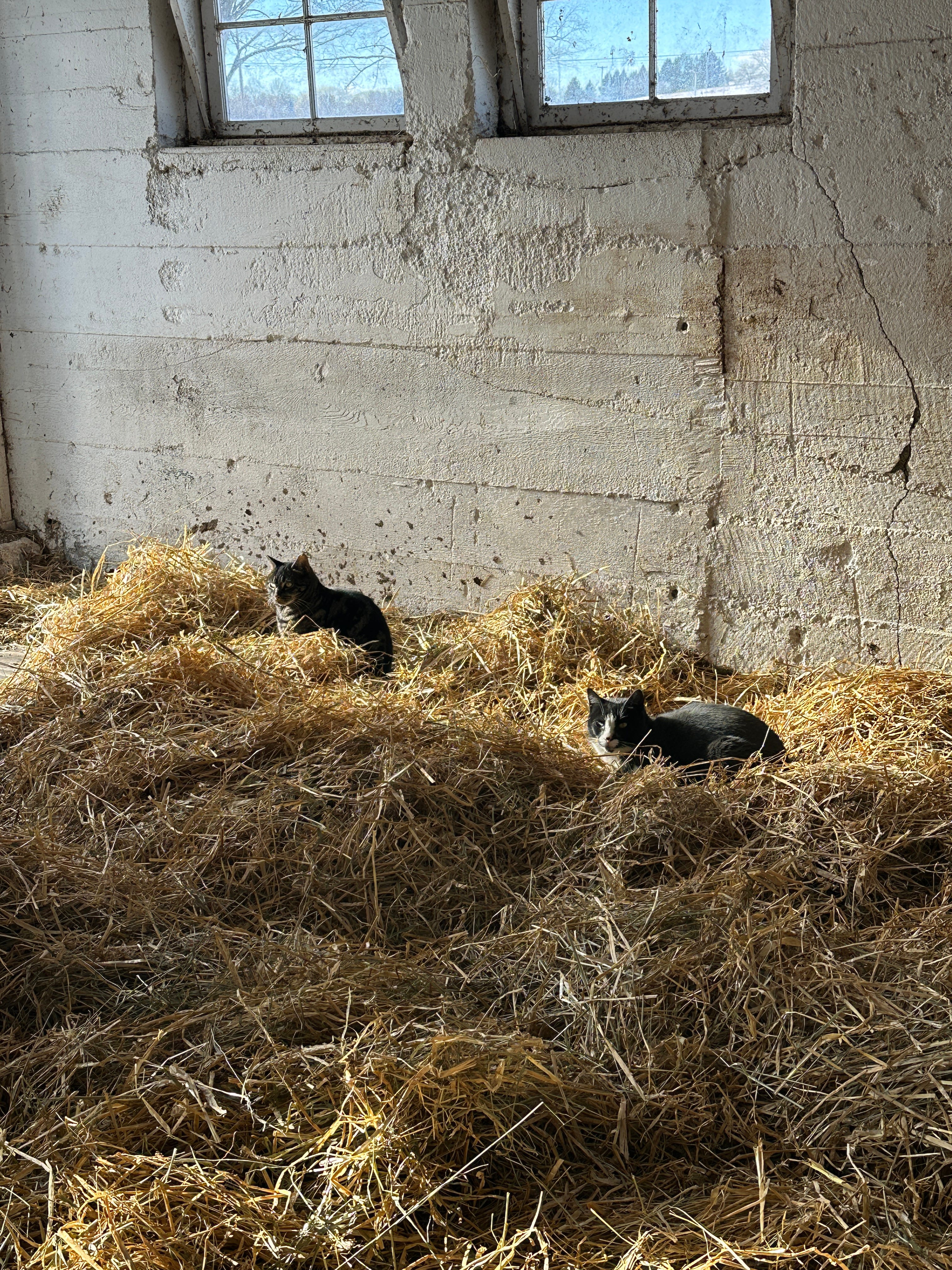
Our barn cats, Zelda and Moo Moo, enjoying fresh hay in the cold winter barn
February
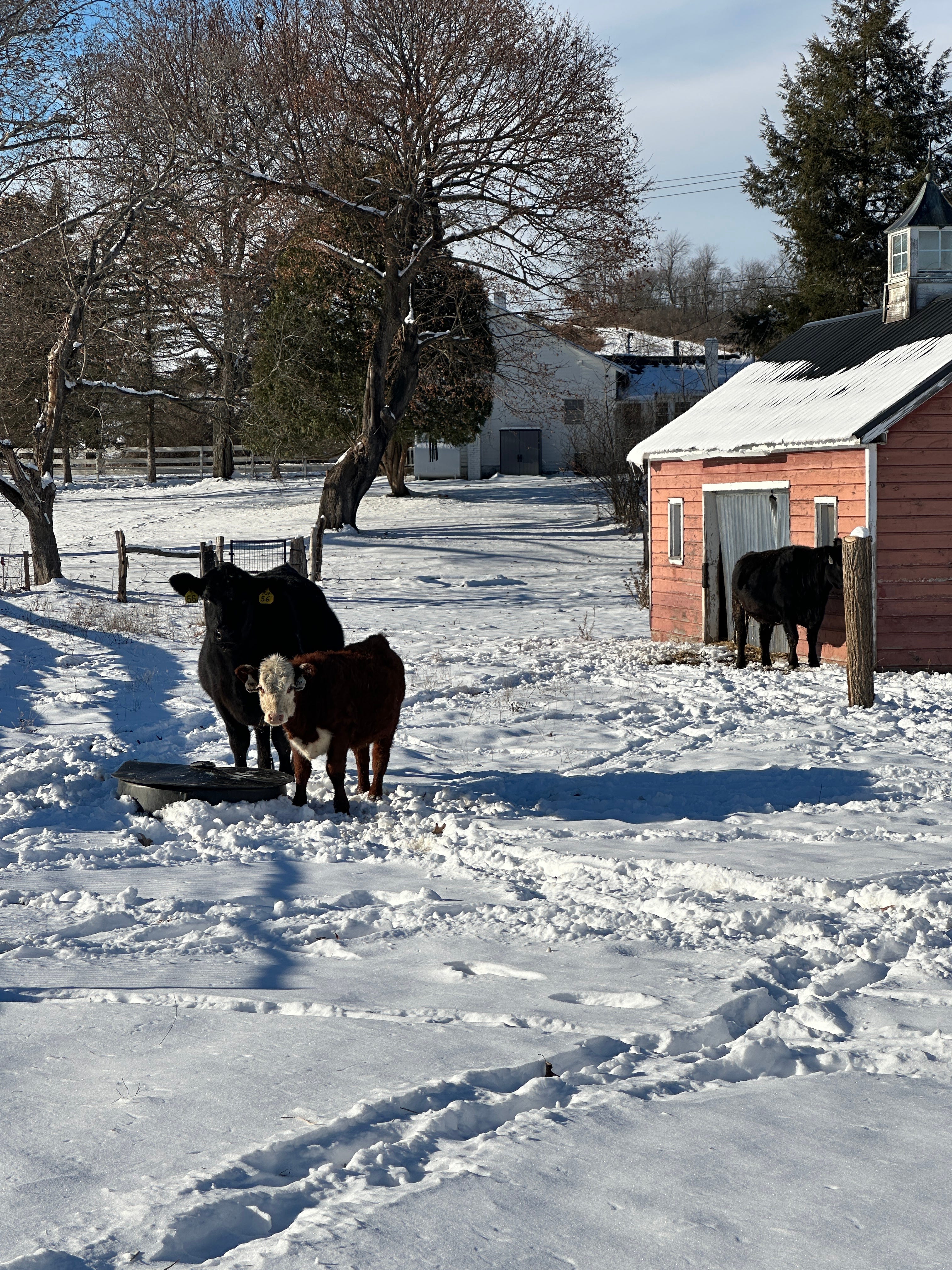
We lost our heifer cow, Artemis, after she slipped on the ice and couldn’t get back up. She was 10 days away from giving birth. It was a devastating reminder of the risks of winter livestock stewardship. I also decided we would never calf in the winter again.
Our other heifer Neptune gave birth to a healthy bull calf, Rosey. A major triumph in the dead of winter. Neptune was a new mother and struggled with nursing but we got there.
March
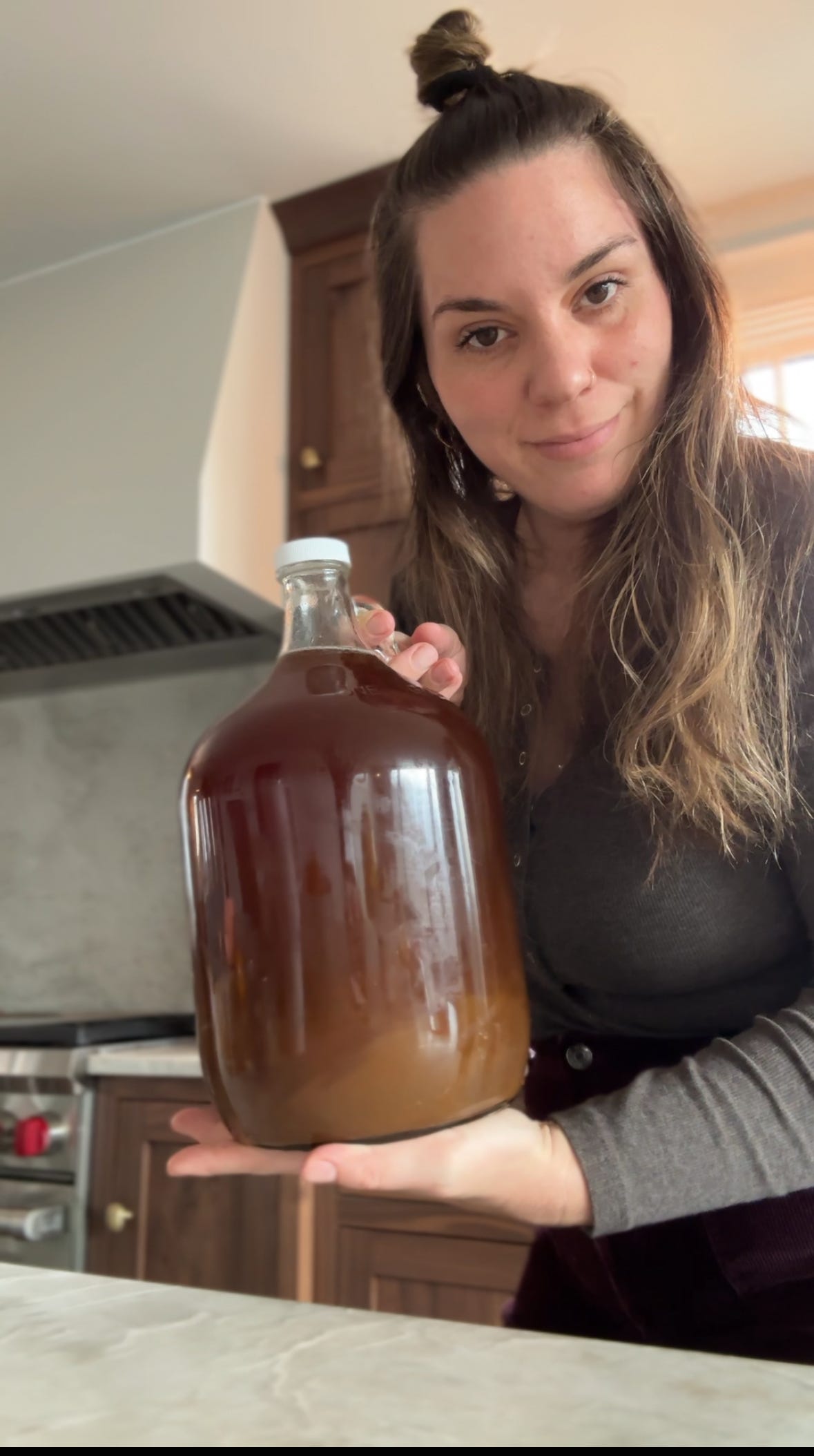
We tapped our maple trees for the first time. We collected approximately 60 gallons of sap and produced 1 gallon of finished maple syrup. Lots of first-year lessons about time, labor, and equipment to apply to this next season.
We lost our elderly white sheep, Lily, to advanced arthritis.
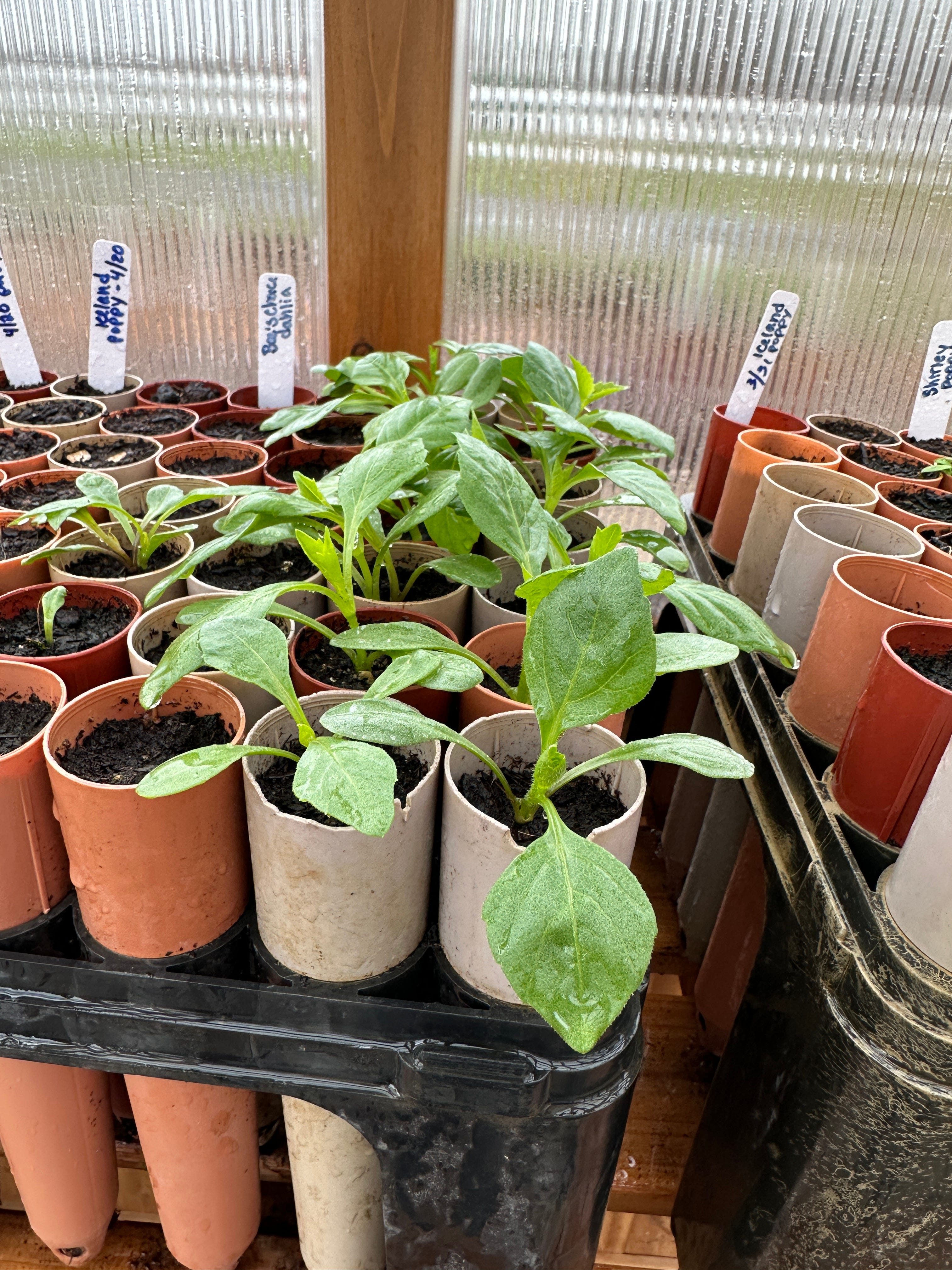
Started seeds in the greenhouse, slightly late for some varieties
April
We planted 972 native plum trees as a living privacy screen around a hay field we are planning to terminate and create into something else (we don’t know what yet). A long-term investment in future farm use and community harvesting
Extended plantings along the road and around our home:
One full row of native plum trees
One full row of sunchokes (~2,900 planted)
One full row of native switchgrass + wildflowers (that completely failed)
~3,000 native plants round our house and along the pond
Experienced hail and prolonged cold, which significantly stunted early growth
Began garden prep while waiting for the typical mid-May last frost
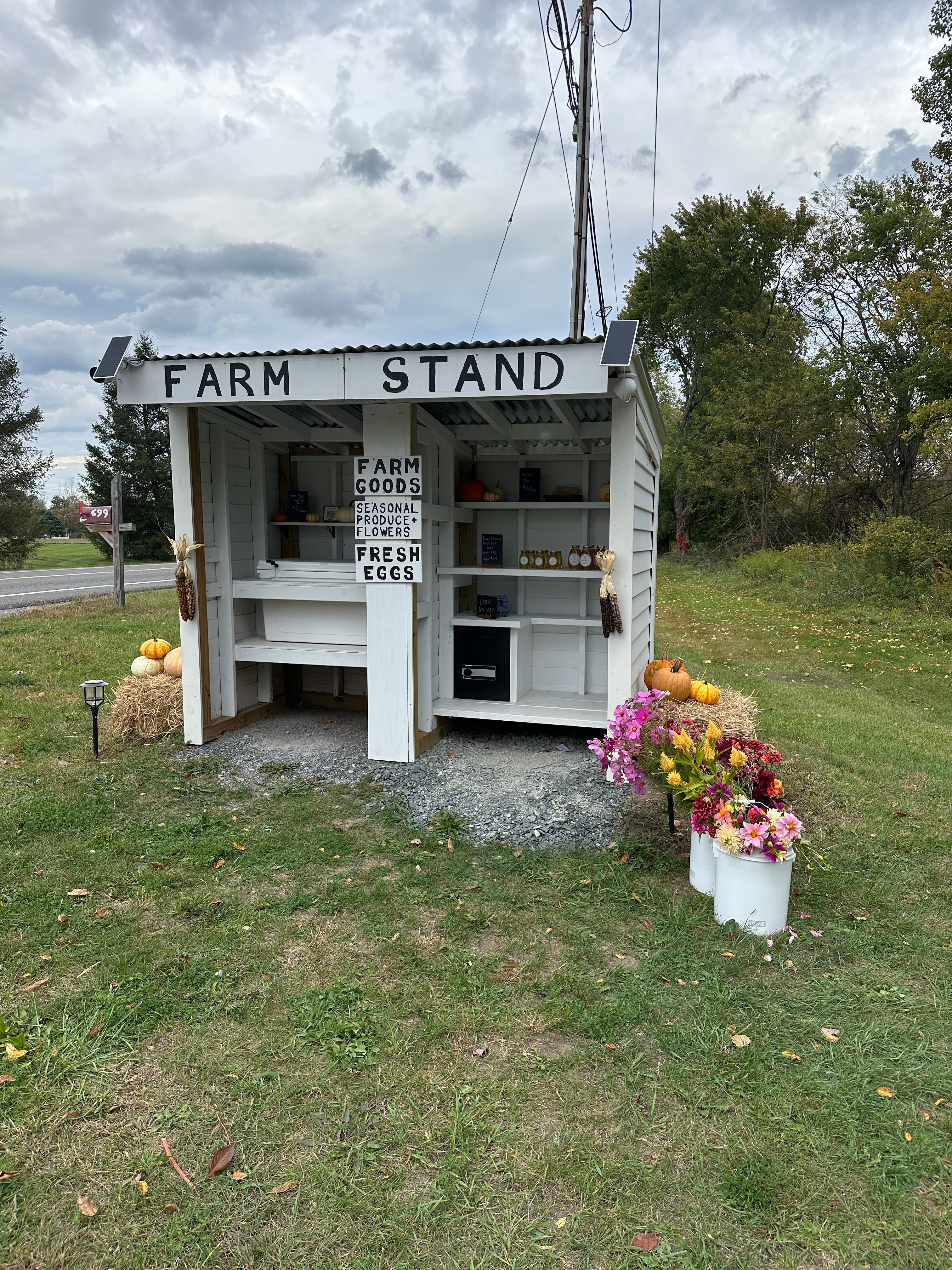
Reopened the farmstand for the season with a beautiful new addition with extra shelves for farm products and produce (this was a bit of an overshot, as we didn’t produce as much as I wished we had so much of the shelves stayed empty except for our biggest most abundant month, which was September)
Installed our beehives! We built and painted the hives white to manage summer heat, installed overwintered nucs from Hudson Valley Bee Supply and completed installation at night to reduce stress on the bees.
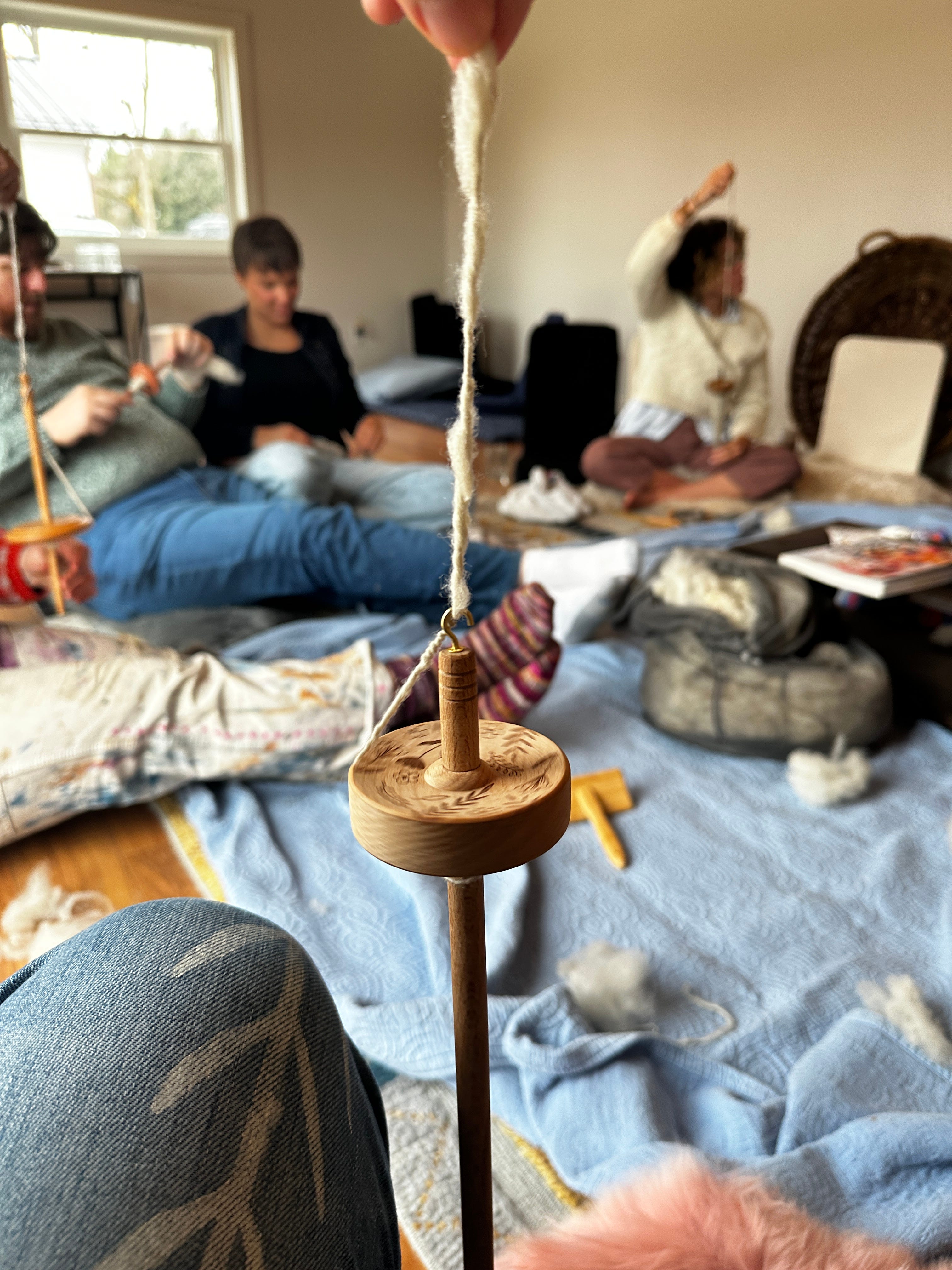
Hosted a family-friendly wool spinning workshop with guest teacher Victoria Laurence
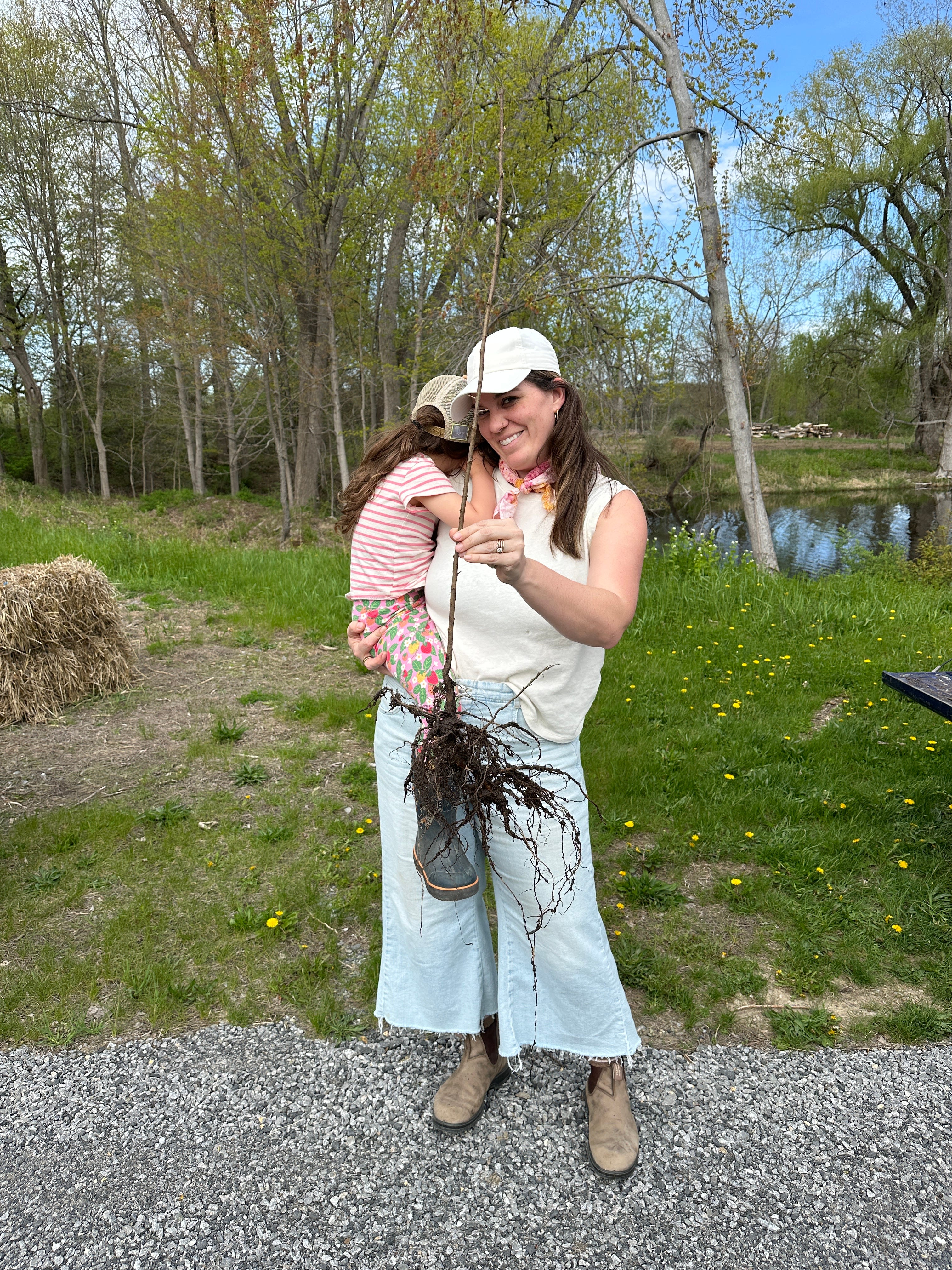
The day we planted our native plum saplings
May
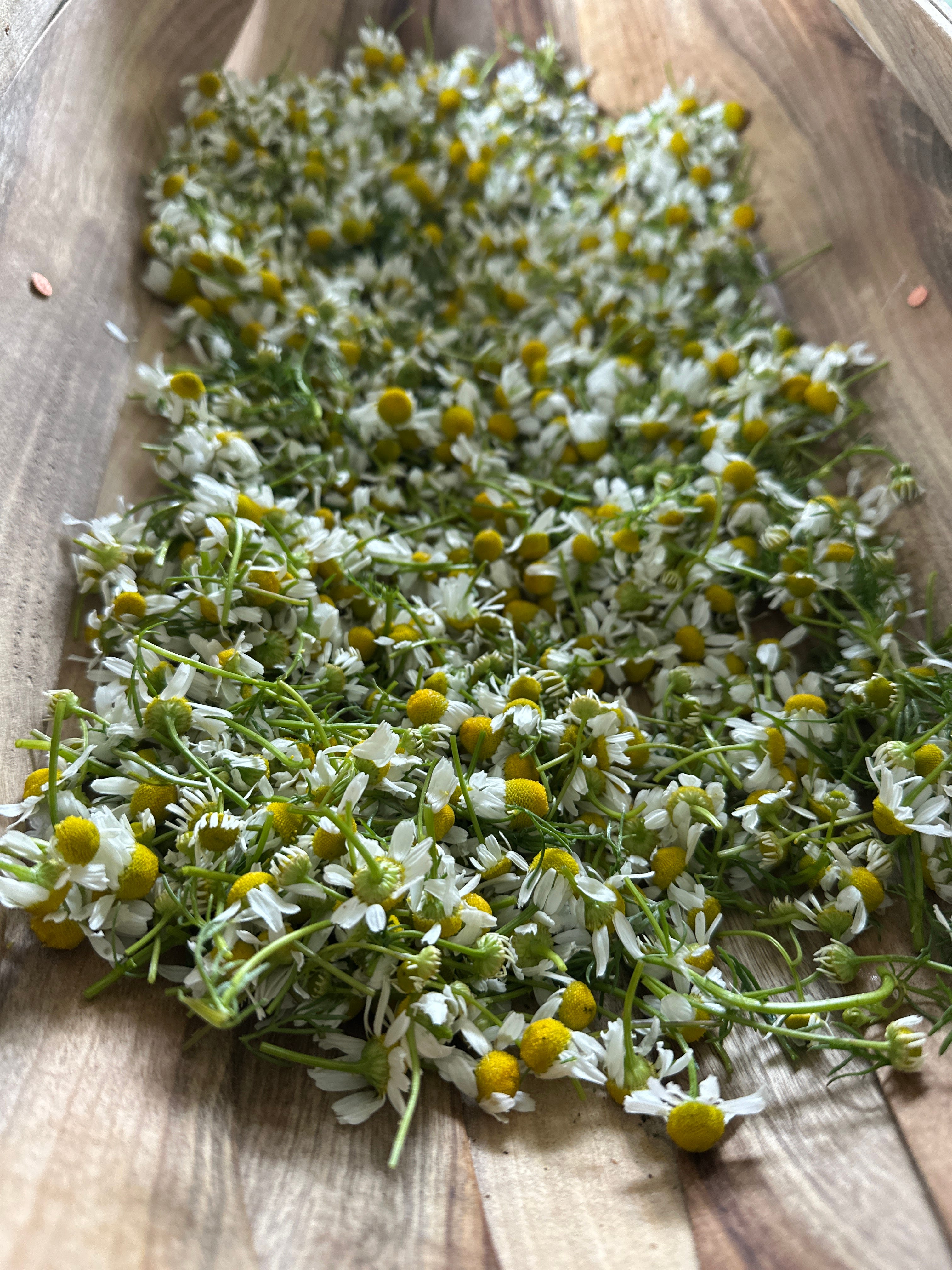
Harvested a prolific flush of chamomile for tea and future products
The lilac orchard bloomed fully. I cut and gave away armfuls of lilacs to friends and neighbors.
We began a major fencing replacement project, replacing a rotting oak fence the cows were breaking through into traffic.
After the last frost, we entered a full planting frenzy of cut flowers, medicinal herbs, and produce beds
I began hosting a monthly women’s circle for mothers, co-hosted with The Soft Spot
Successfully sold the beef tallow from one of our processed cows to a local restaurant that cooks exclusively in tallow. A meaningful product validation!
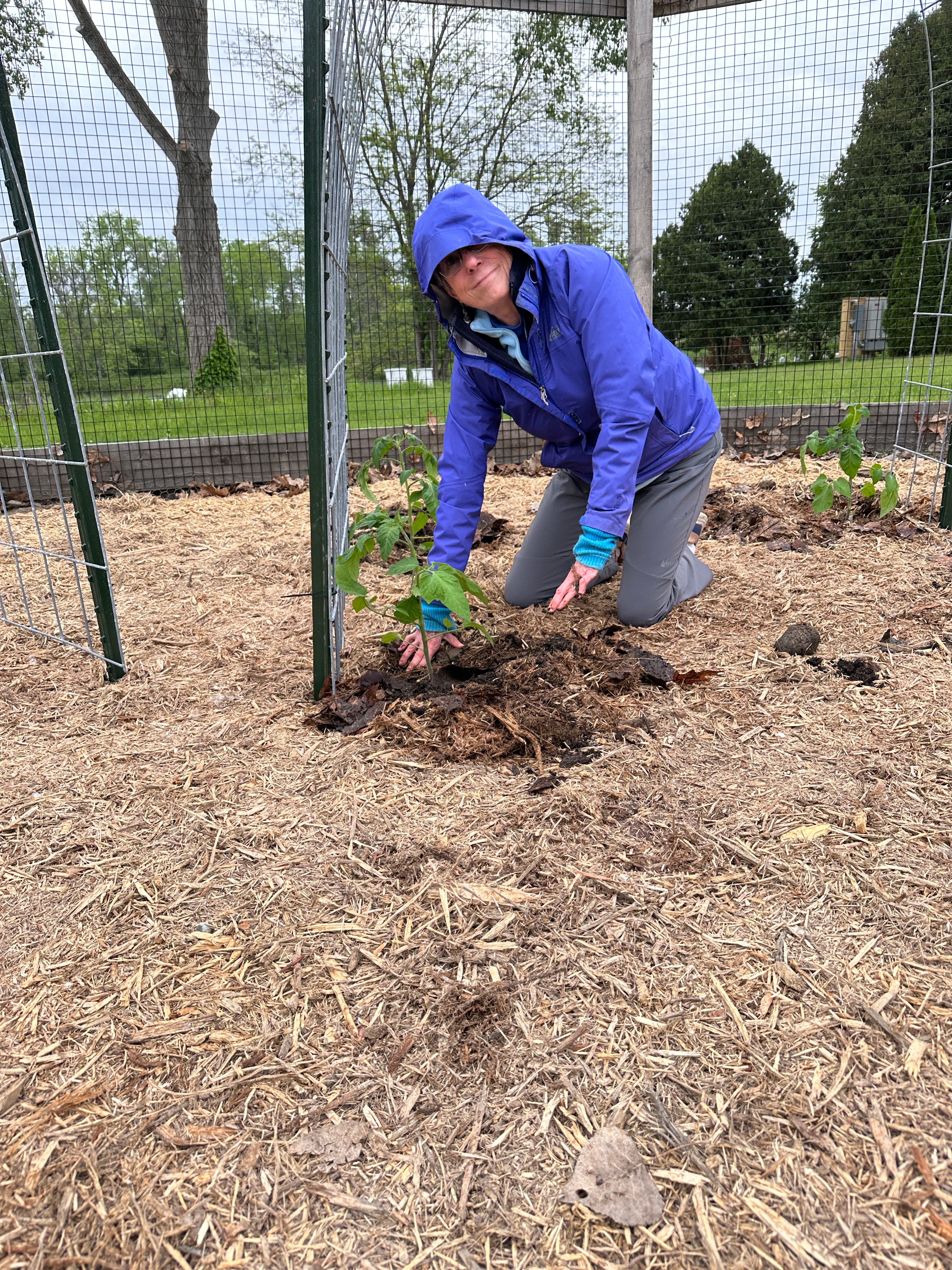
My mother, who relocated to the Hudson Valley from California this year, helping plant our tomato crop.
June
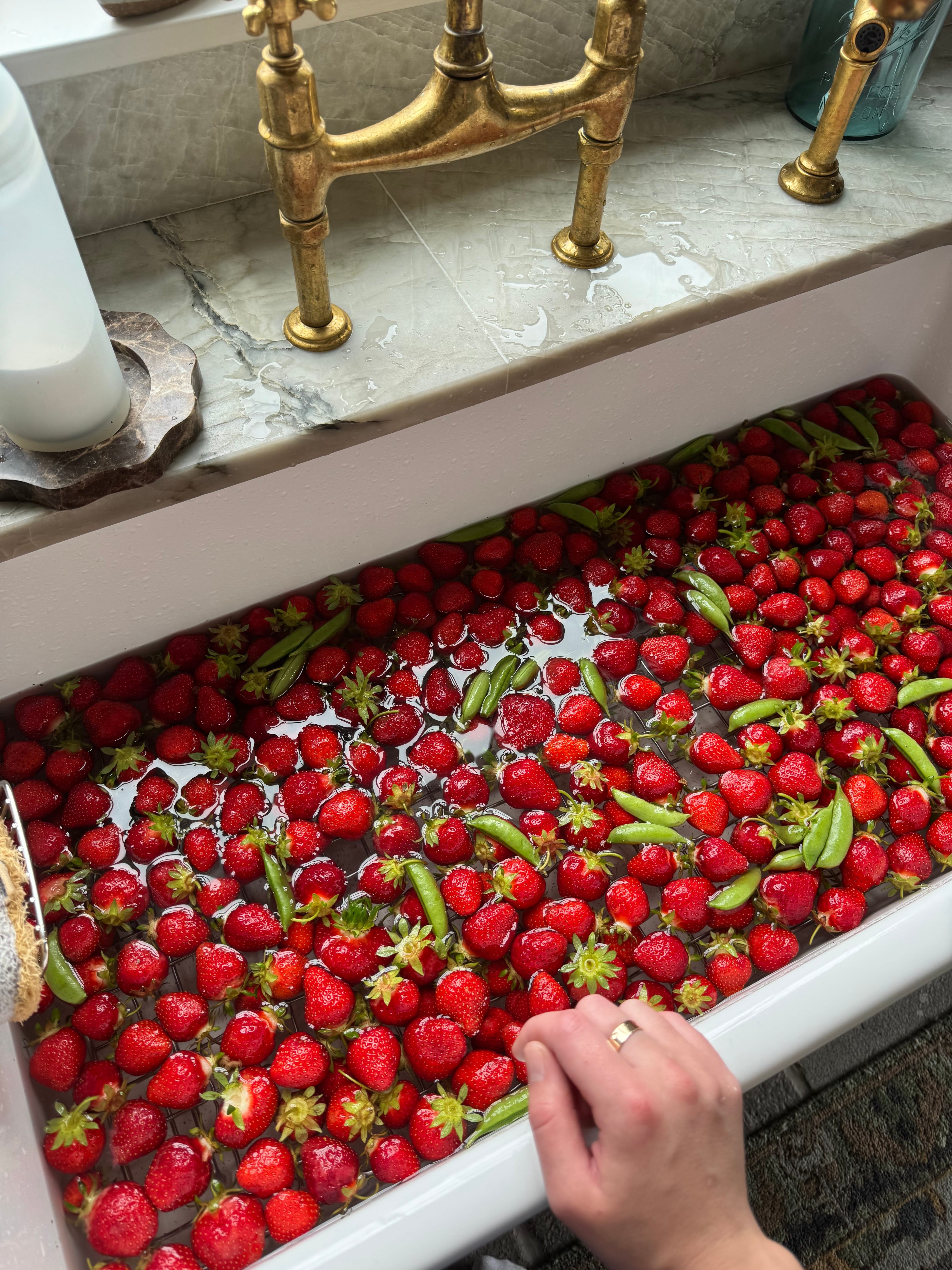
Harvested an abundant strawberry crop
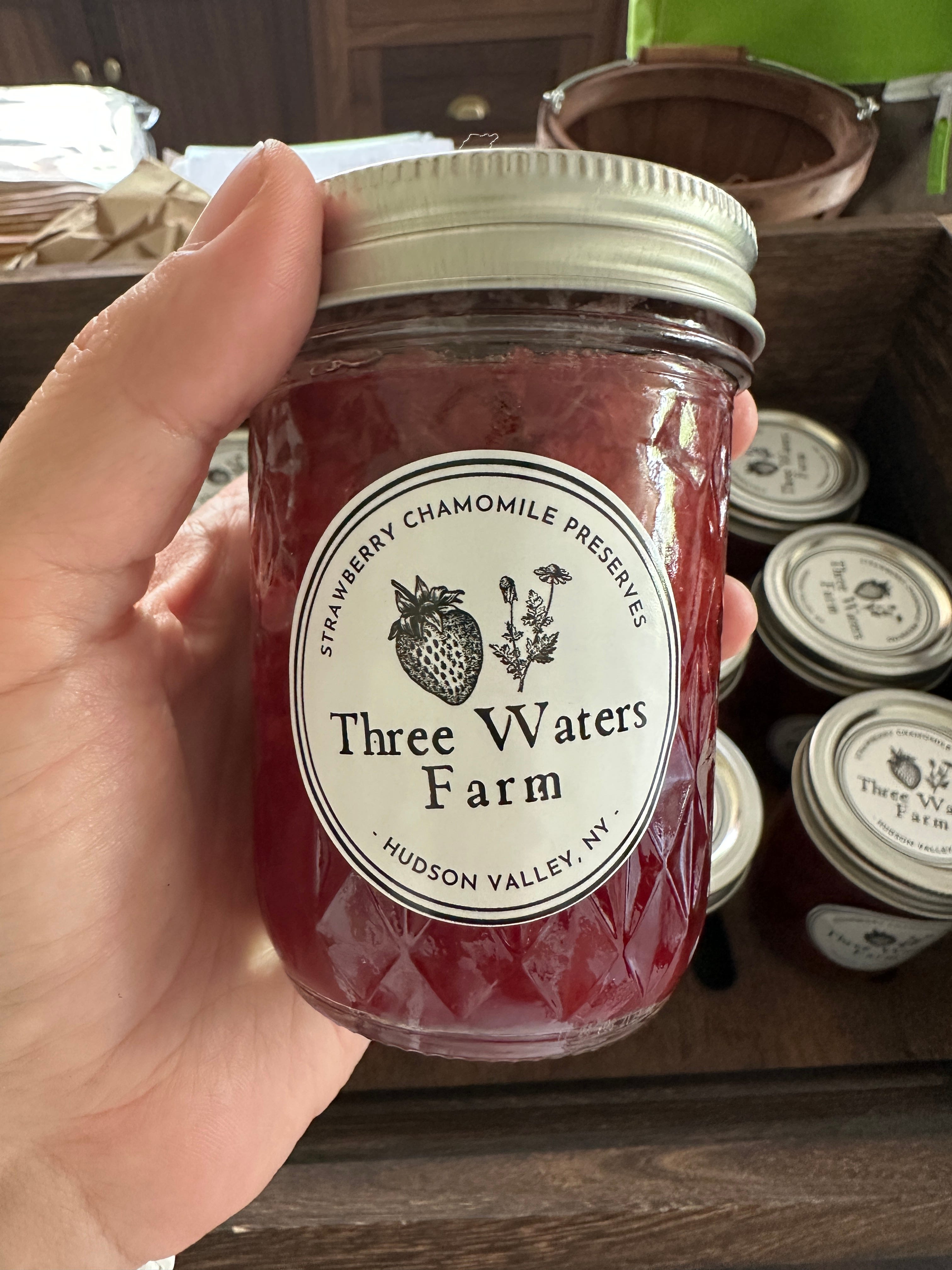
Developed and sold a chamomile–strawberry preserve made with farm-grown ingredients and quickly became a farm stand favorite.
July
We began selling out of eggs consistently at the farm stand so we made plans to expand the flock over winter for the following year.
We experienced two middle-of-the-night robberies of our nightstand where they made out with all of the cash in our cash box. This led to a deeper conversation of community trust and measures to secure it a bit more.
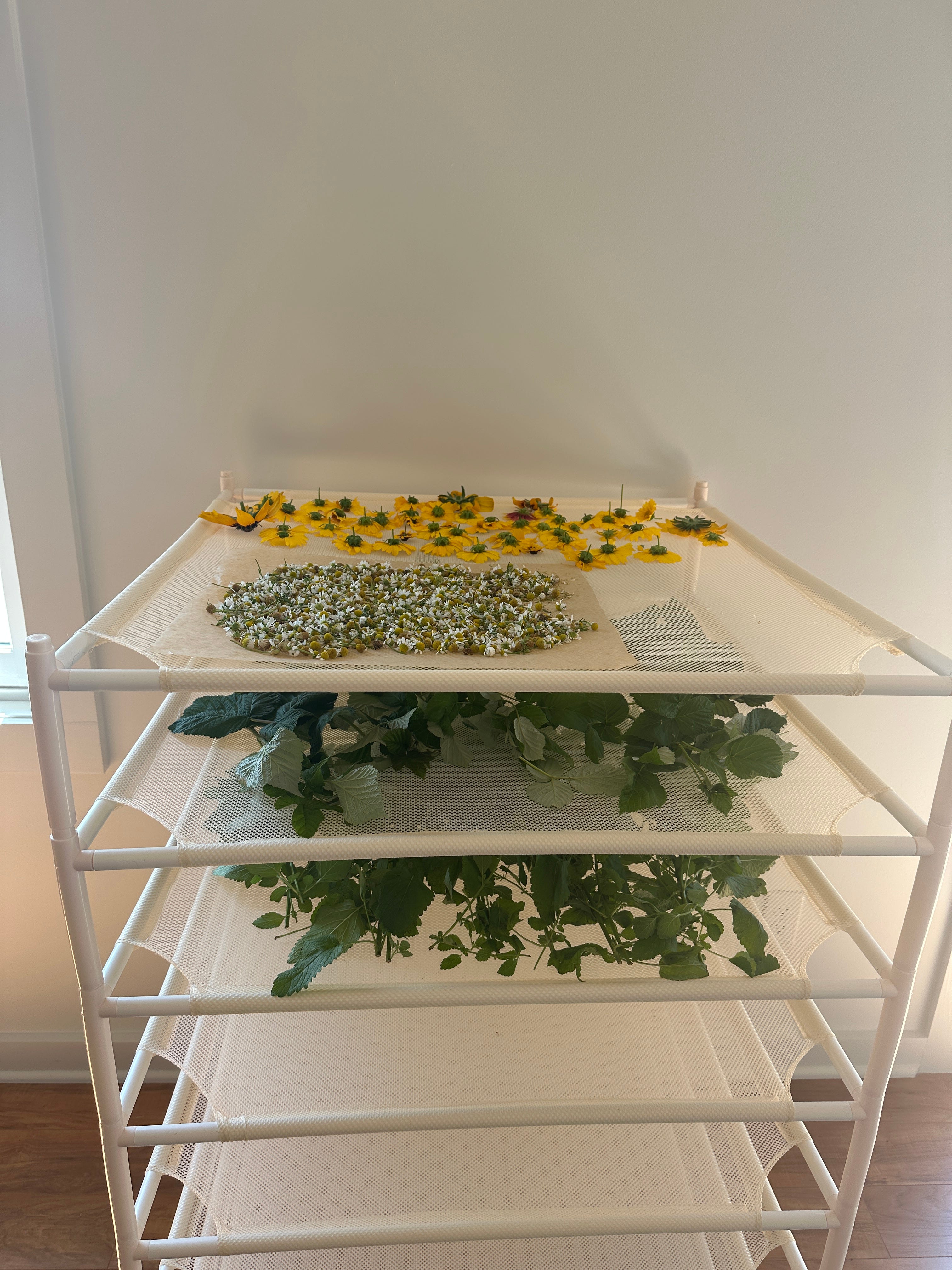
Our medicinal herb and dye garden thrived while our cut flower garden remained frustratingly delayed. I began weekly harvesting and drying for medicinal teas and herbal medicine making and dyeing.
Endured sustained heat and humidity, which made clear the limits of doing this work alone.
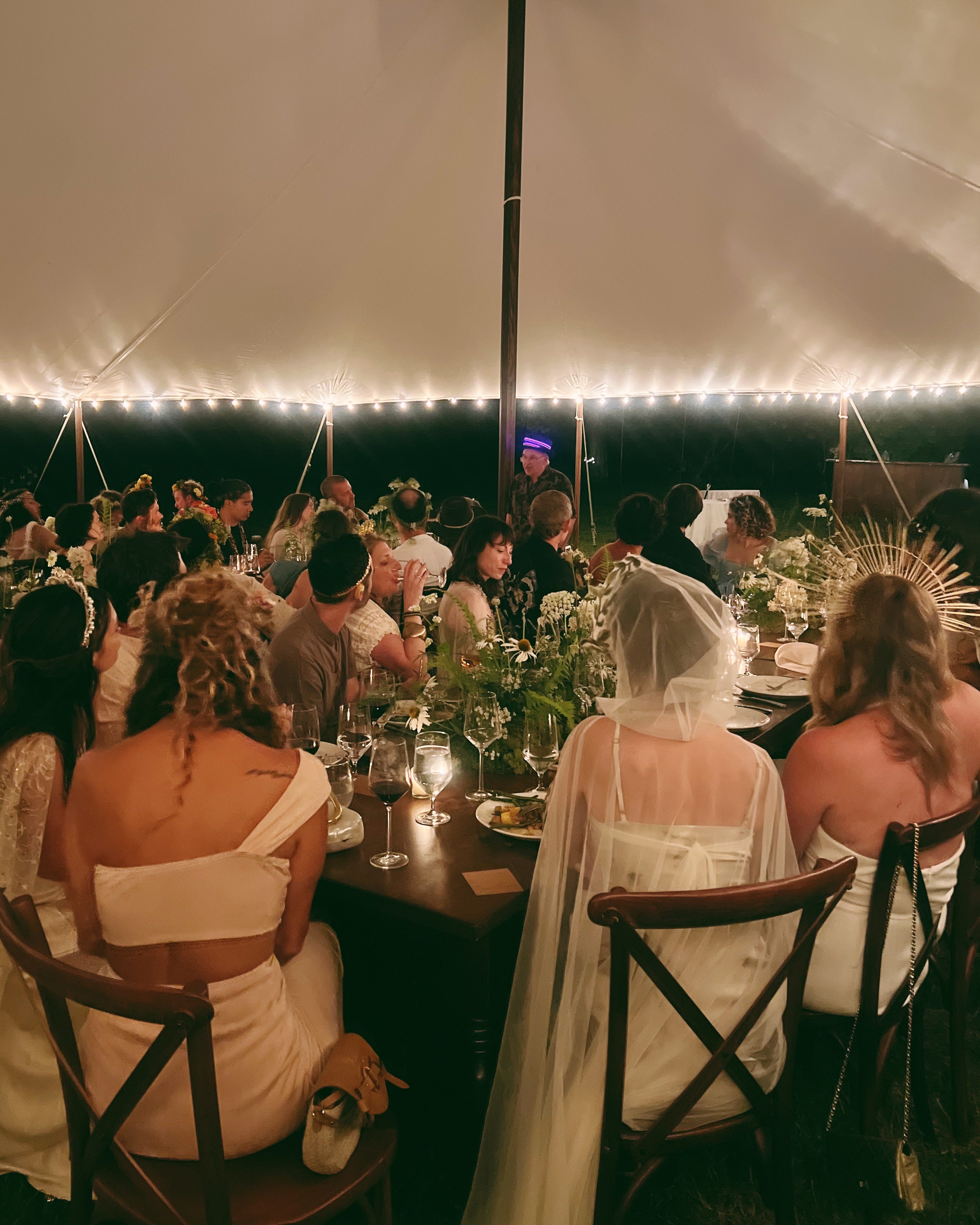
Hosted a large farm dinner for my 40th birthday in the ceremonial grove, which sparked a clear vision for future farm dinners on the land.
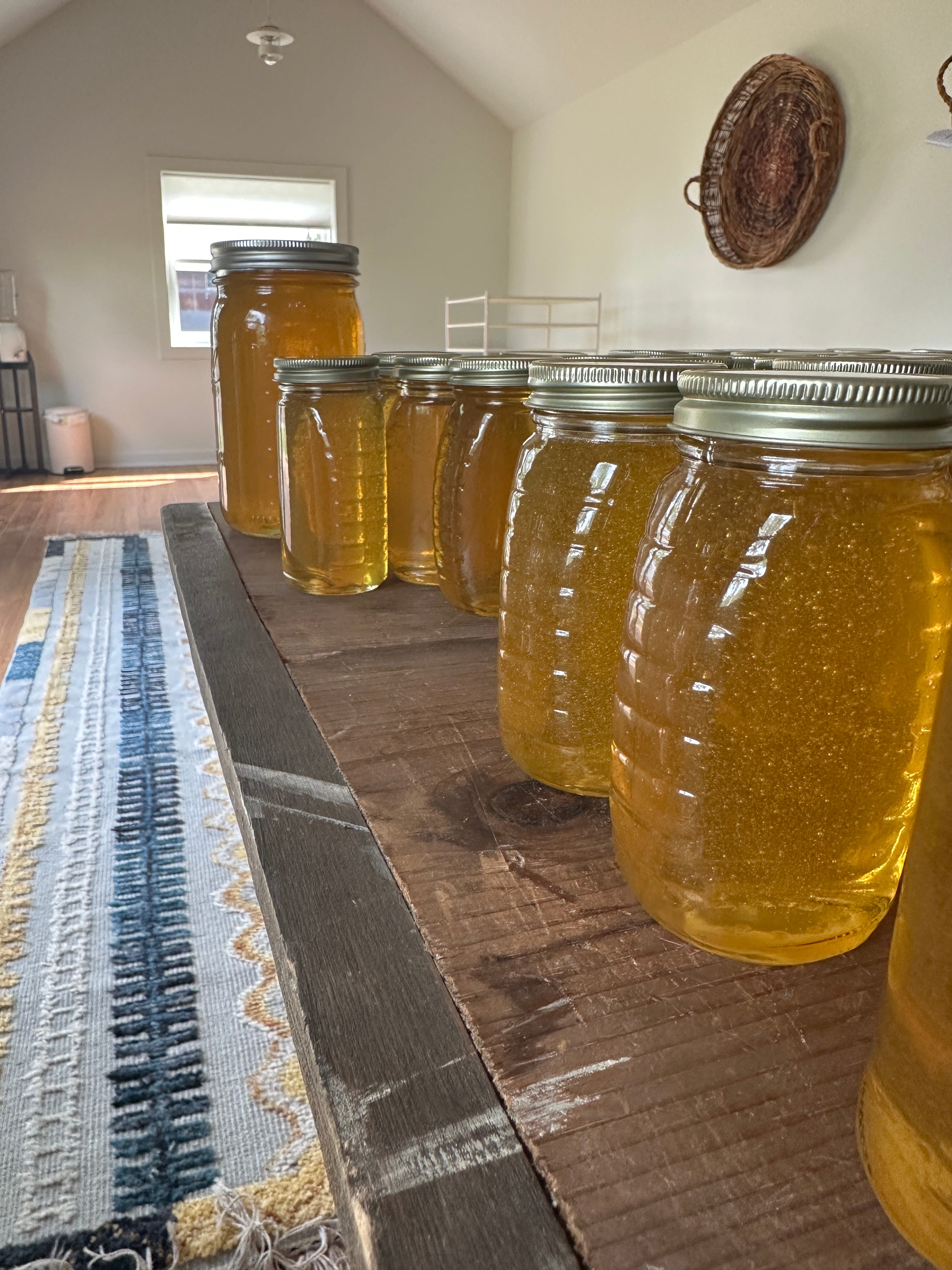
Completed our first honey harvest with approximately 35 gallons of light, spring-flower honey
Discovered a lost queen in one hive - a problem that would take the rest of the summer to resolve
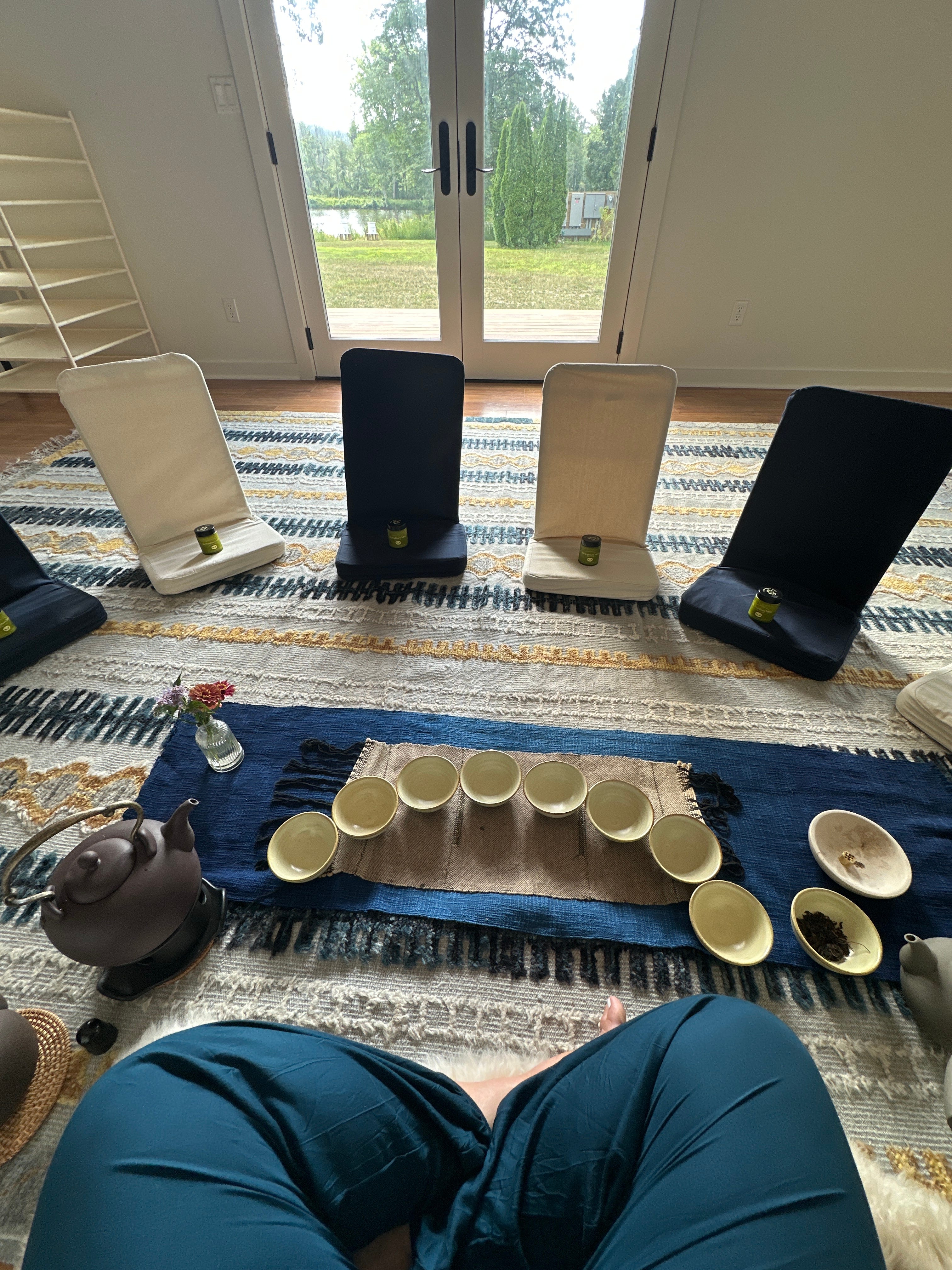
I began studying a Cha Dao Chinese tea ceremony practice. This became free, monthly morning tea ceremonies in the milk barn for my friends and community
August
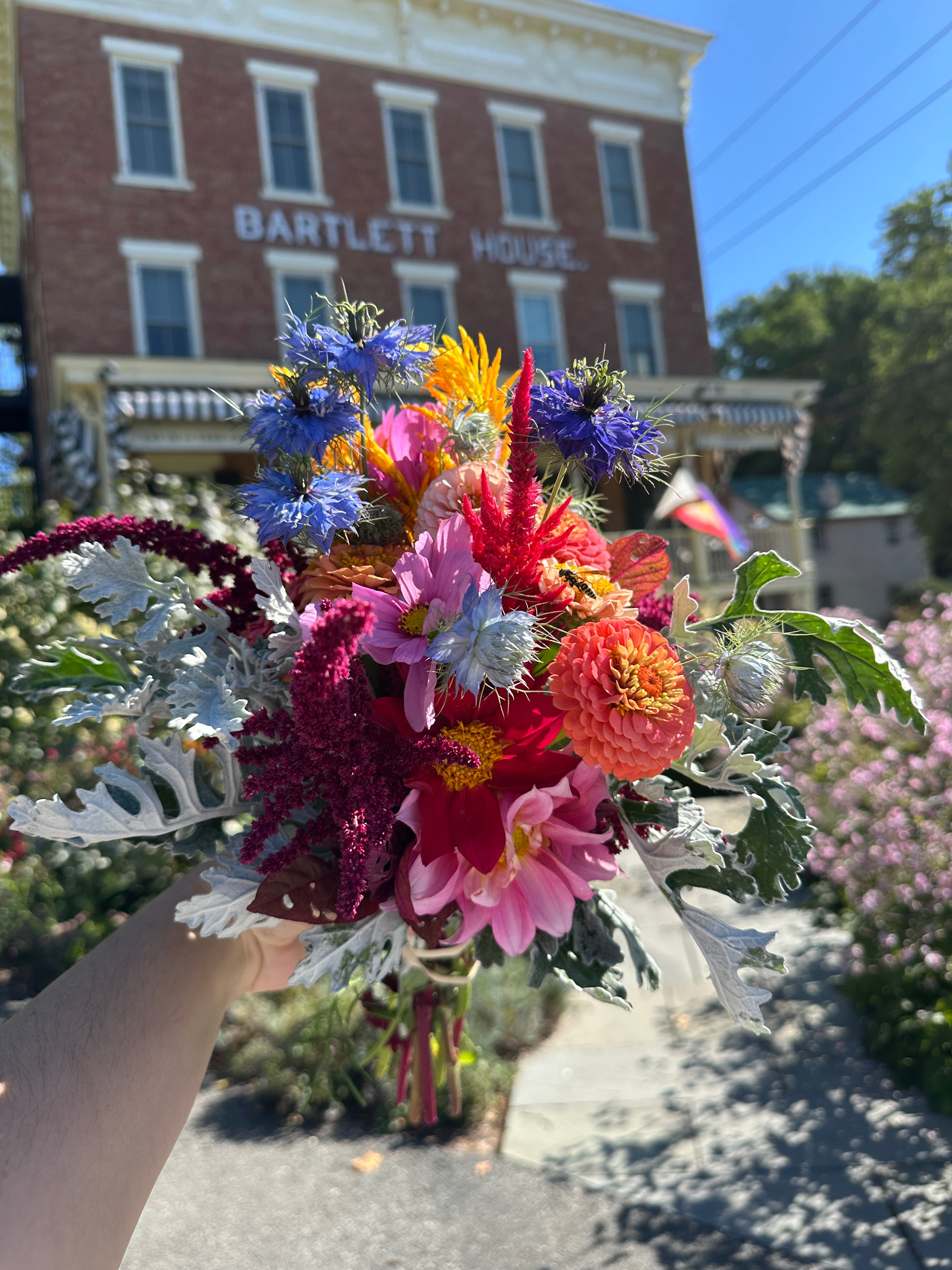
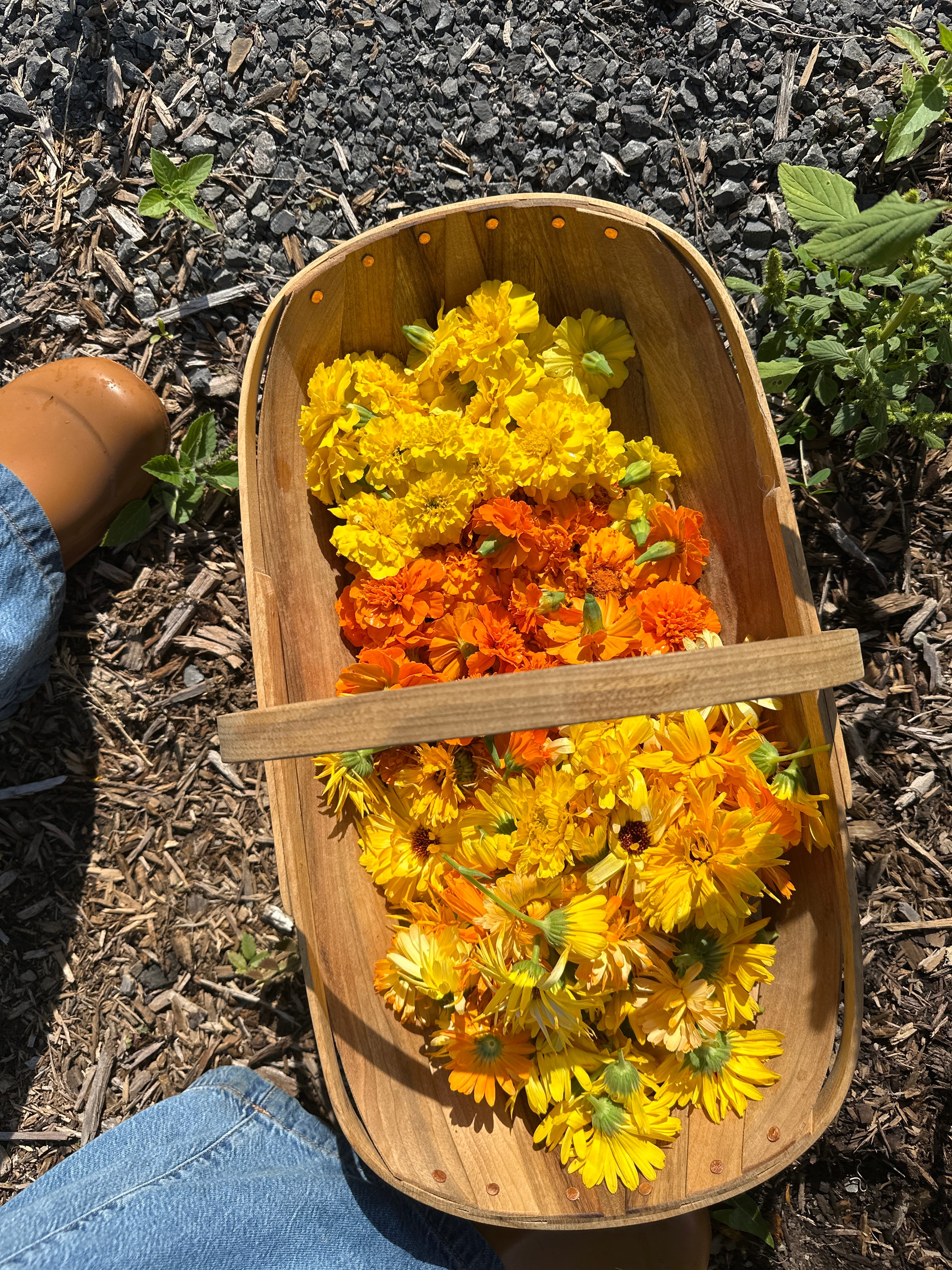
Cut flowers finally came into full production and I made bouquets for the farmstand, friends, and local businesses including Bartlett House
Mixed produce results: tomatoes thrived + squash largely failed
I learned I was pregnant and quickly realized I needed more help around the farm so we began the search to hire a full-time farmhand in addition to ongoing farmer support from nearby Grimaldi Farms
September
We welcome two Hereford cows to diversify the herd and make up for our lost cow from the winter. A mother and heifer calf named Demeter and Persephone
Completed the fence and gate replacement project and began planning the next major expansion: The North Field
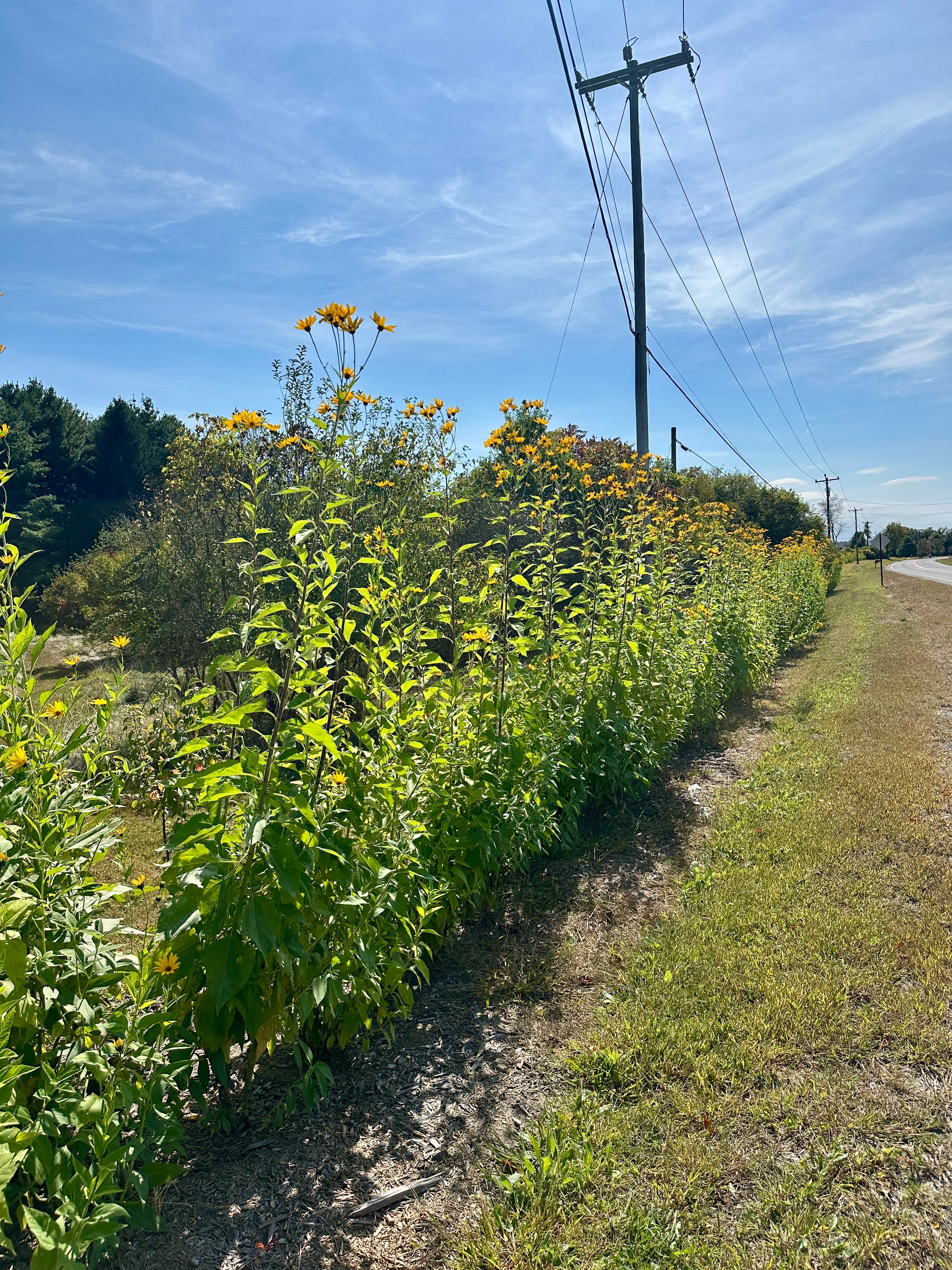
Sunchokes bloomed along the road and it was so nice to receive frequent compliments from neighbors
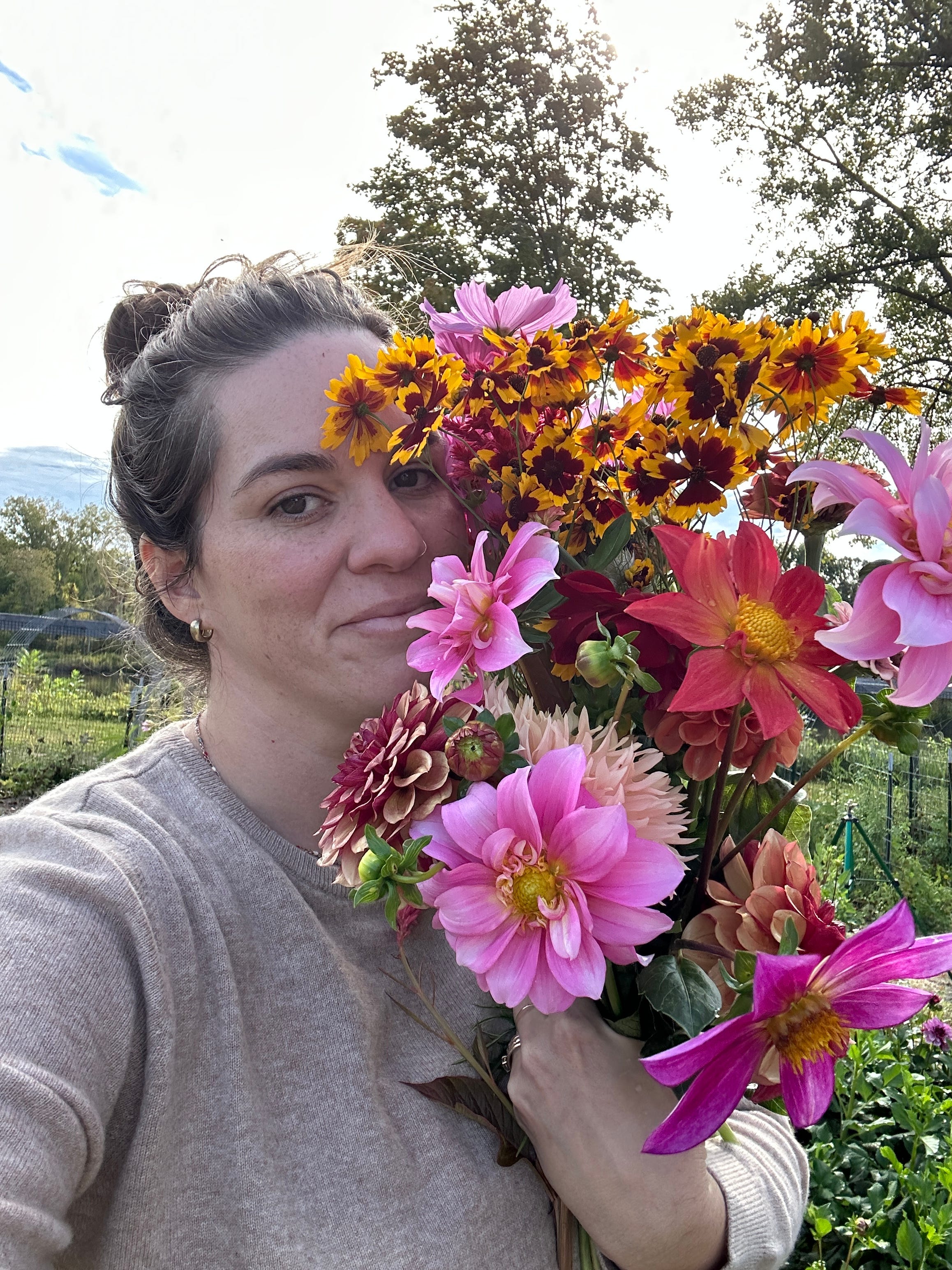
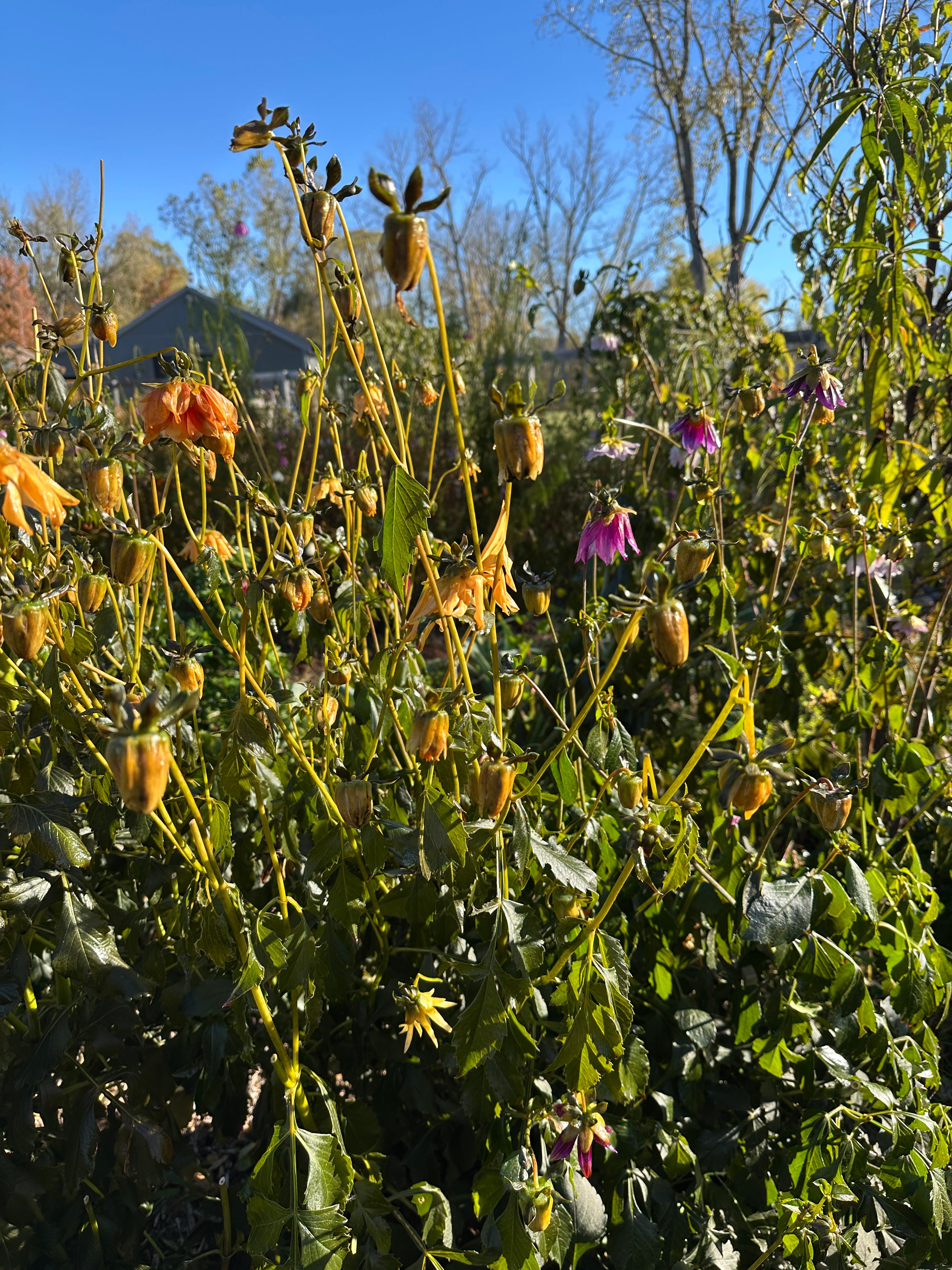
The dahlias finally bloomed - a hard-earned win after spring hail and cold delays
Began officially working on a brand and website for the farm (to make it more official and have it feel less like a weird side hobby with local friend and creator of the Garden Club Hudson Valley Creative Community, Kelsey O’Connell)
October
We completed a second honey harvest - darker, late-season blend, approximately 32 pounds
We had to combine hives due to ongoing queen loss. We hired master beekeeper Colleen Quinn for hands-on support.
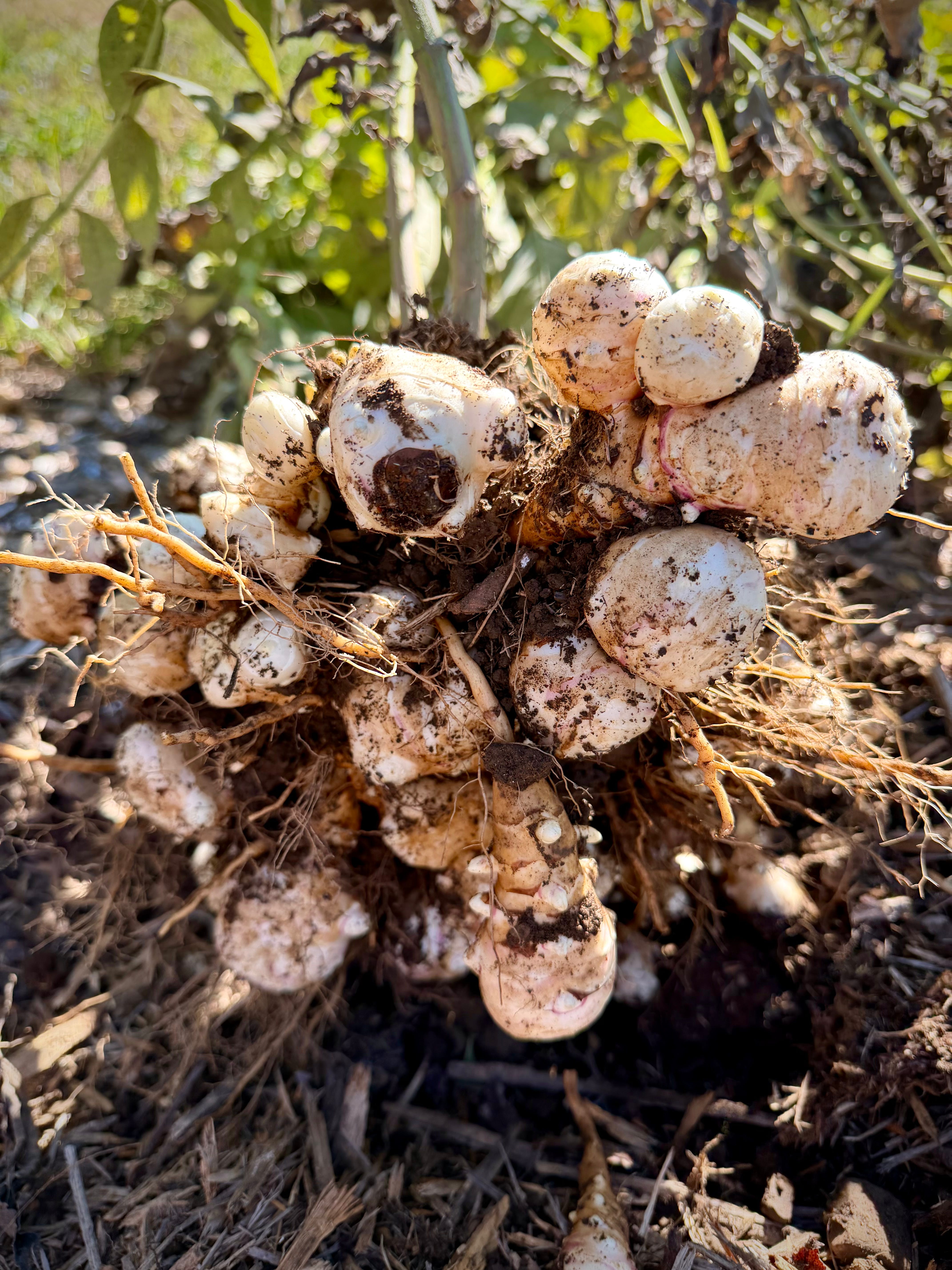
Experienced an early killing frost and began closing down the garden - saving seeds, pulling tubers for storage, and saying goodbye
After many false starts, we hired our full-time farmhand
Sent one Angus steer to be processed
November
Closed the roadside farm stand for the season
Announced a winter egg share and sold out
Harvested our first sunchokes + sold 100 pounds to a nearby farm to establish their own sunchoke field
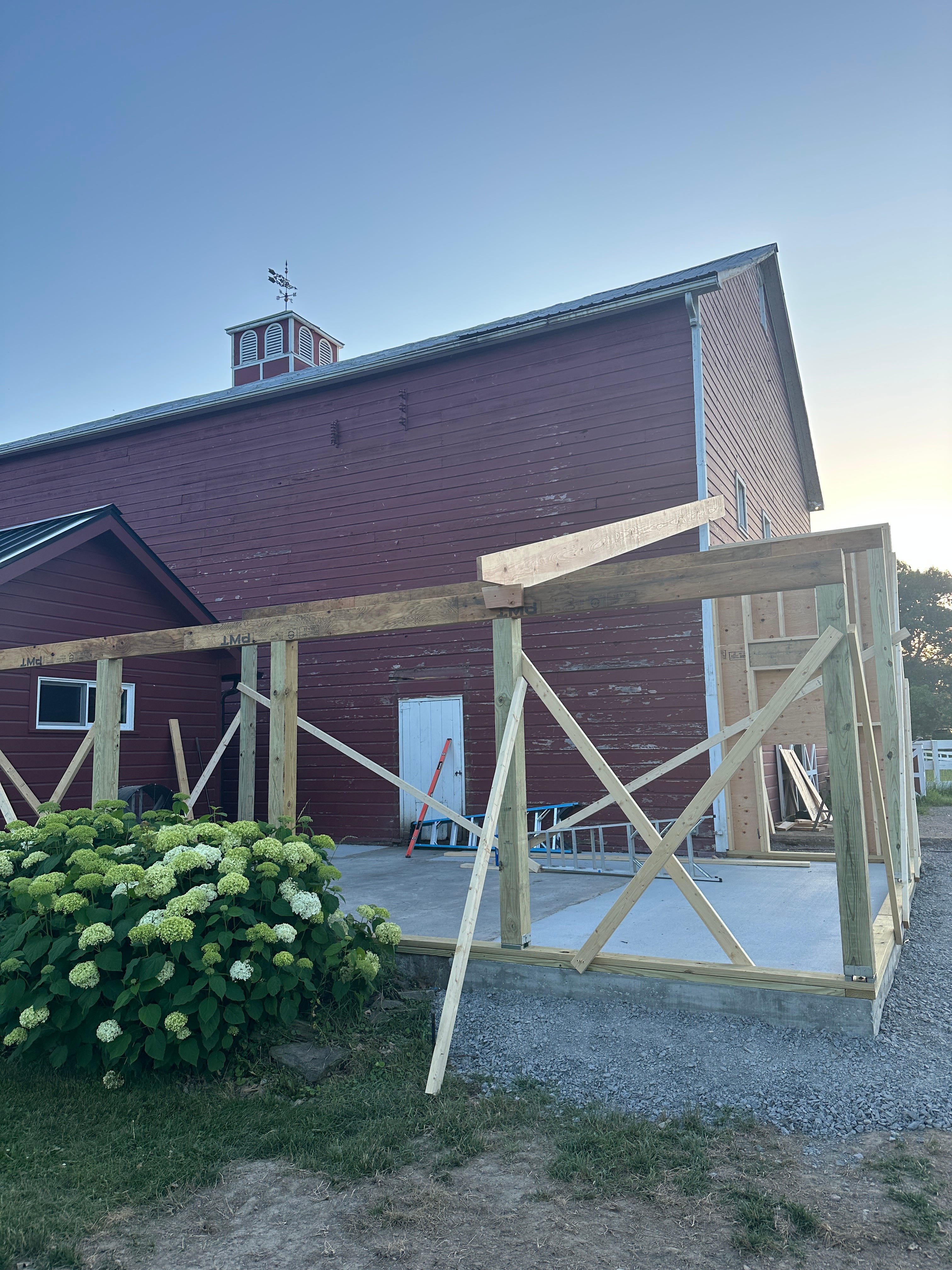
Completed a major chicken coop expansion with indoor and outdoor upgrades, built for predator pressure that prepared for flock growth
December
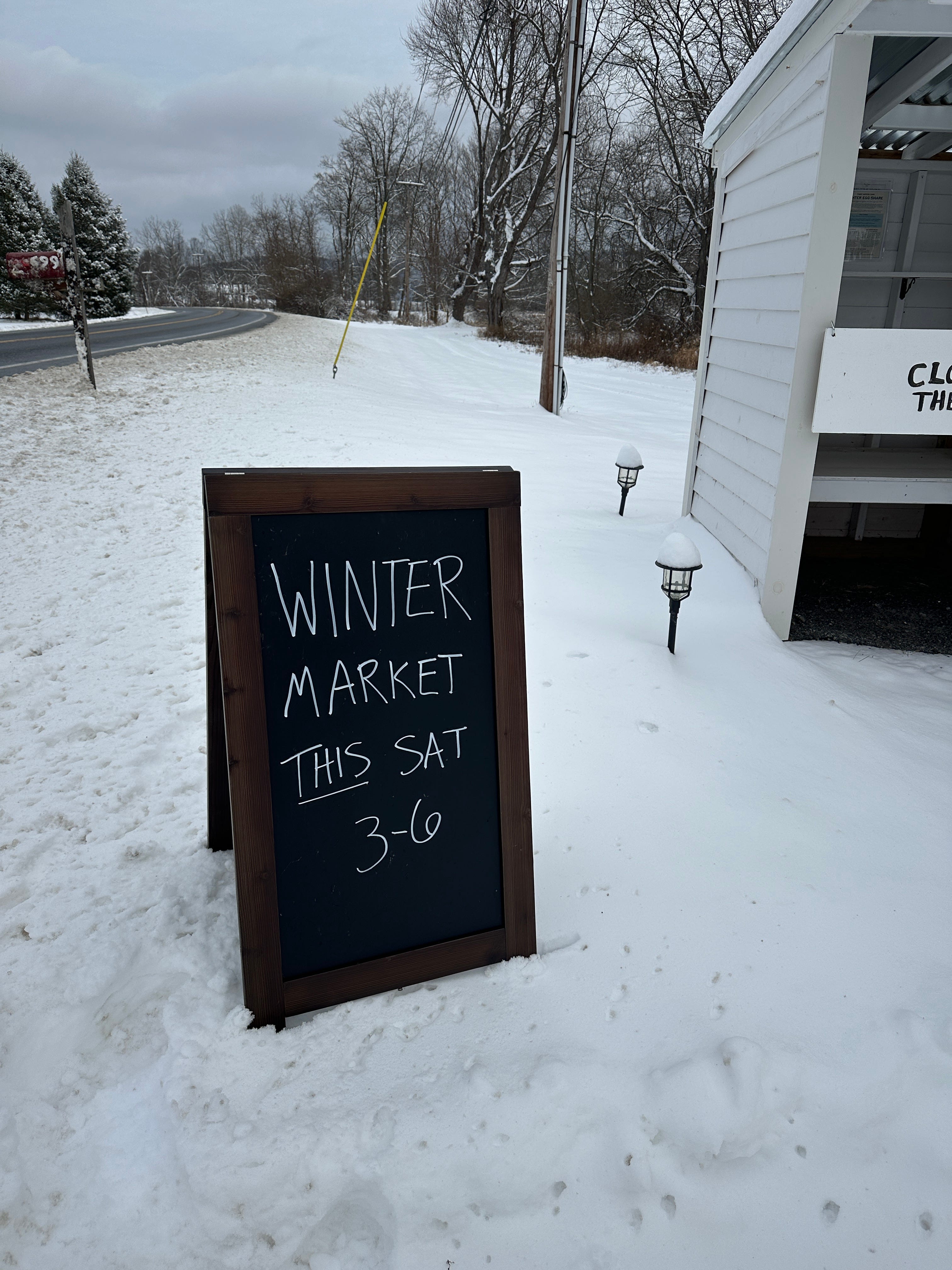
Hosted a winter market on a bright, snowy Saturday with holiday hay rides, petting and feeding Lupe, our miniature donkey, serving adaptogenic hot chocolate and handcrafted tea, and farm products sold directly to the community. We also had some friends there selling their handmade and vintage goods. A great success!
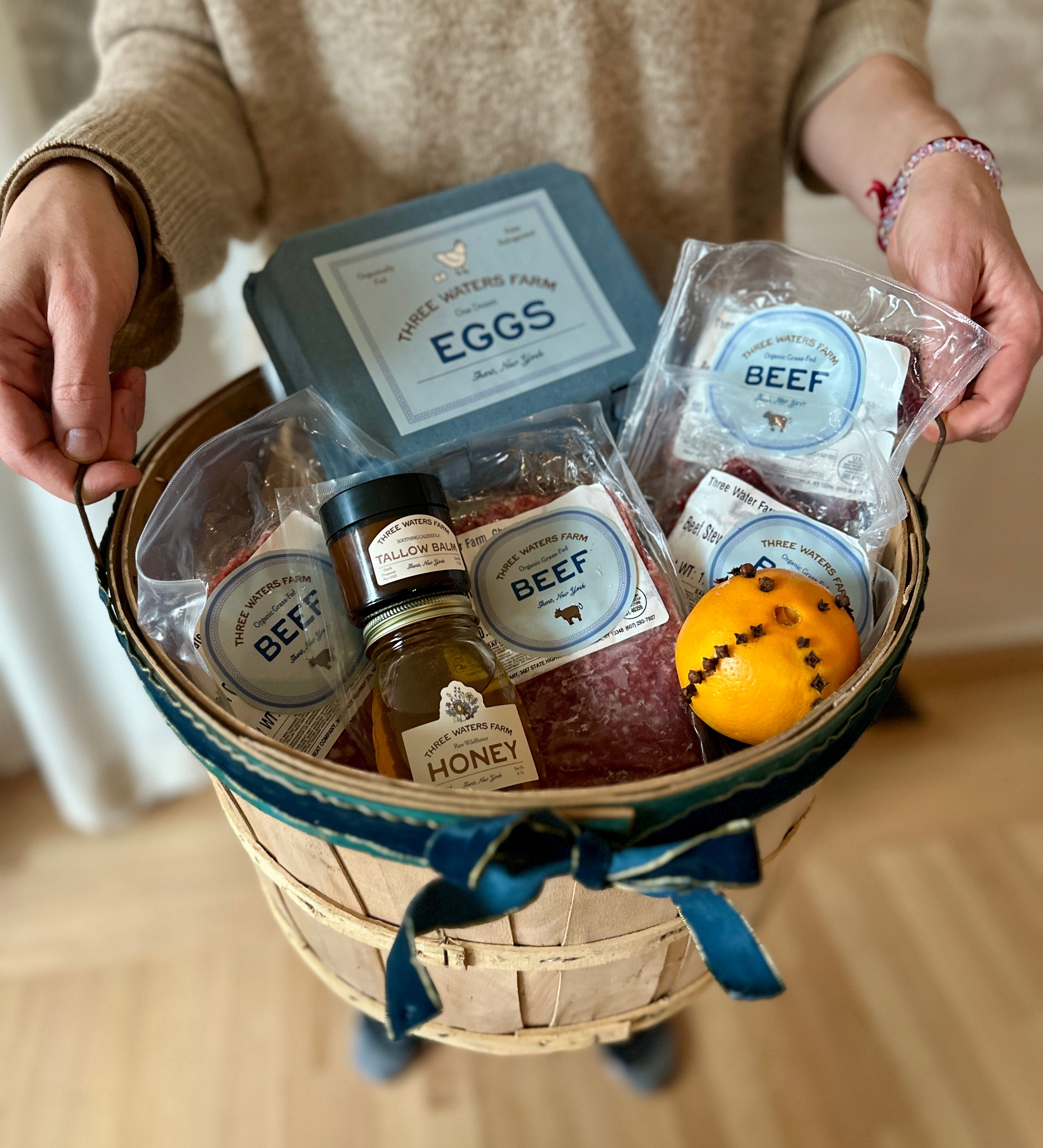
Announced and sold our Holiday Provision Box featuring our organic beef, organic eggs, raw honey and healing herbal tallow balm. All from our farm!
Expanded our chicken flock to 83 laying hens - a major step toward meeting egg demand and supporting year-round sales
Began clearing dead and blighted trees in the North Field with large winter burns during snowy nights - preparing for fencing and herd/grazing expansion next spring
Year Two of Land Stewarding, by the numbers
Land & Plantings
972 native plum trees planted • 2,900 sunchokes planted • 1 hay field slated for future transition • 1 additional field (North Field) cleared and prepped for grazing expansion
Animals
83 laying hens by year’s end • 4 cattle added or born • 1 steer processed • 2 animal losses • cattle herd diversified with Herefords
Bees & Honey
2 honey harvests • ~35 gallons spring honey • ~32 pounds late-season honey • hives combined after queen loss • professional beekeeper support brought in
Food & Products
60 gallons maple sap → 1 gallon syrup • first sunchoke harvest • 100 pounds sold to another farm • multiple value-added products created (preserves, honey, tallow balm, medicinal tea, elderberry syrup) • egg demand exceeded supply • winter egg share sold out • holiday provision boxes sold successfully
Infrastructure & Labor
Major fence and gate system replaced • chicken coop expanded (indoor + outdoor) • beehives built and installed • farm stand expanded and reopened • first full-time farmhand hired
Community
Monthly women’s circles • tea ceremonies • workshops • farm dinner • winter market • collaborations with local farms, restaurants, and makers
Final Note
Year two wasn’t graceful. It was operational. We planted trees that won’t bear for years. We lost animals and gained others. We paid for expertise. We hired labor. We sold real products to real people. We adjusted when bodies and weather demanded it. This is what building a regenerative farm actually looks like.
We are able to do this work at this pace and volume because we are currently funding the farm with personal money. We are nowhere near breaking even, and the capital we are investing comes primarily from my husband Tim’s day job. To us, this feels like a useful and ethical use of those funds — a way to convert income into land care, food production, and community infrastructure.
It also feels important to name that if we didn’t have this funding source, we would be moving more slowly and making different decisions. There are many valid ways to practice land stewardship. This is simply the one we are in right now.
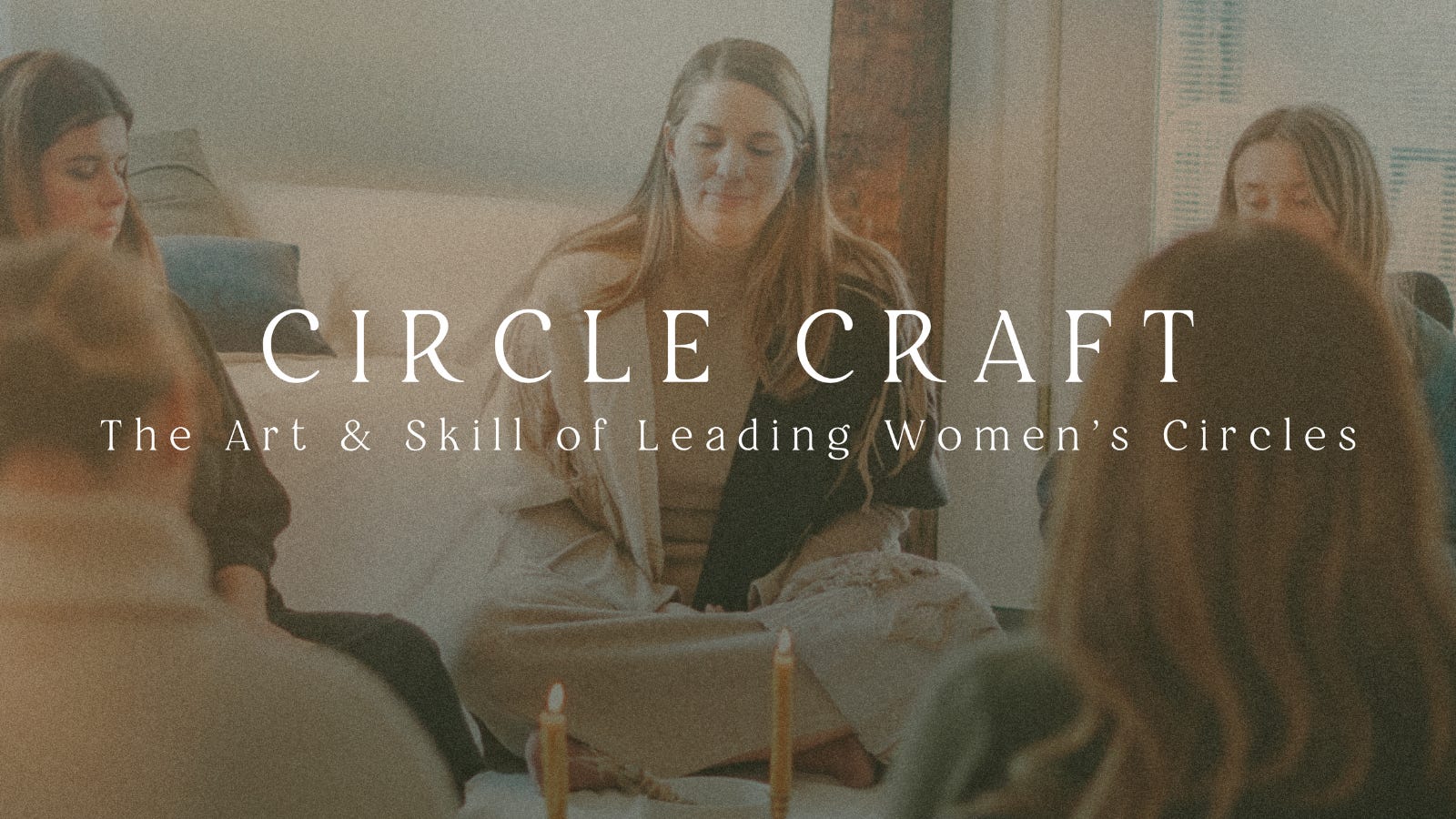
Curious about leading your own women’s circle in your community? Circle Craft is a winter apprenticeship for women who feel called to gather and lead circles in their communities. You’ll learn the practical skills of facilitation — structure, boundaries, group dynamics, and ritual — while growing the confidence and presence needed to hold a steady, meaningful space. By spring, you’ll be ready to gather your people. We begin January 15th.
How We Come Back: Field Notes on Returning to What Matters is a reader-supported publication. To receive new posts and support my work, consider becoming a free or paid subscriber.
Comments
Nothing yet. Say the first thing.
Sign in to join the conversation.