
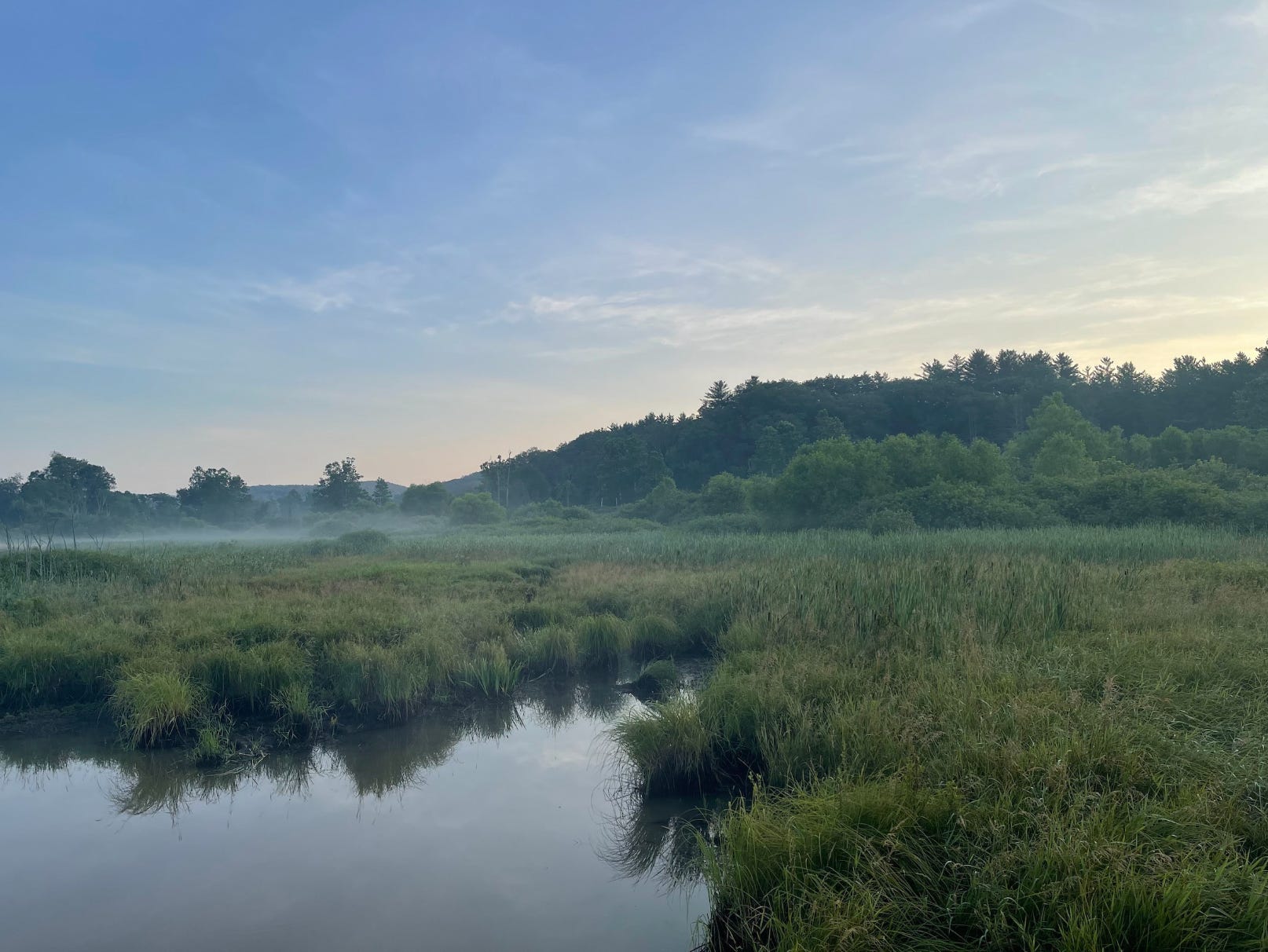
If you’re anything like us, birds probably pulled you into the natural world. A spark bird that opened your eyes. Open eyes that led to discovery. Discovery that became endless curiosity. One bird became 10. Ten species became a life list. Before long, every walk became an excuse to scan the treetops and hedgerows, listen for unfamiliar songs, and check every distant silhouette.
But here’s something we’ve learned after decades of birding: The best birders rarely study only birds.
They notice the butterfly puddling along the trail. They recognize the dragonfly hawking insects above a marsh. They identify the native wildflowers carpeting a woodland floor. They question the shadow of a mammal that slinked away. They understand the habitats around them and the plants that define them. All of this leads to a deeper, more intimate understanding of the natural world, helping us recognize why a pine-oak woodland sounds different from a spruce forest—or why a desert wash or canyon ravine may seem eerily quiet one week and explode with birds the next.
Birds are part of nature—not separate from it.
During the summer, especially after pre-breeding migration has passed and as many birds settle into breeding territories or become quieter after nesting, the pace of the birder naturally shifts. There is still plenty to observe—from courtship and nesting behavior to fledglings learning to navigate the world—but the sheer volume of birds, and often the pace of discovery, naturally slows. Songs become less frequent. Mixed flocks disappear. The excitement of migration gives way to the quieter rhythms of the breeding season.
Rather than seeing this as the “off-season,” many birders embrace summer as one of the best times of year to become more complete naturalists. Let’s explore why.
Every bird depends on an ecosystem. A Blackburnian Warbler isn’t simply a colorful bird in a tree. It’s a highly specialized predator feeding on caterpillars that are eating native leaves growing on soils shaped by fungi, geology, rainfall, and climate.
Understanding those connections changes how you bird.
At first, birding is often about answering a single question: What is it? That’s an exciting place to begin, but over time, another question becomes even more rewarding: Why is it here?
Why does this species occur in this forest but not the one across the road? Why are warblers concentrated along one stream corridor while another seems nearly empty? Why do hummingbirds suddenly appear when certain wildflowers bloom? Why do some years produce explosions of finches at feeders across the area while others barely produce any at all?
Those questions lead beyond birds and into ecology. They encourage you to notice the trees, the understory, the insects, the geology, the weather, and the countless interactions that shape every landscape. Before long, you’re no longer simply identifying birds—you’re learning to read ecosystems.
And once you begin reading ecosystems, birding becomes richer, more predictable, and far more fascinating.
Every season offers something different to birders.
During pre-breeding migration in spring, birds race poleward or upslope to establish territories and breed. Migration is condensed and energetic, landscapes fill with fresh arrivals, songs ring from nearly every woodland edge, and many species wear their most vibrant plumages of the year. It’s a season of urgency, courtship, and constant discovery. It’s hard to look away from birds during spring.
Post-breeding migration in autumn brings a different kind of excitement. Young birds join the population for the first time, swelling numbers across the landscape. Migration unfolds over many months, nearly half the year, as plumages become more subtle and identification often more challenging. It’s also one of the year’s best seasons for finding rare birds and unexpected vagrants.
Winter settles into an entirely different rhythm altogether. Birds shift from reproduction to survival, responding to frozen landscapes and limited food and water resources. Yet even this quieter season rewards observers with spectacular finch irruptions, wandering owls, unusual waterfowl, and species that are absent during much of the year. Birds are still a key part of the landscape, but in some places, beyond identifying trees by their bark and stems, there may be little else to observe.
Summer, however, stands apart.
While birds are engaged in one of the most demanding and fascinating stages of their annual cycle—defending territories, incubating eggs, raising young, and preparing for the months ahead—the experience of birding changes. Singing gradually decreases. Birds become harder to find. Mixed flocks are still weeks away. Resident species become familiar and provide a great backbone for learning, but discovering something unexpected often becomes less expected.
With that, the slower pace of peak summer birding becomes an invitation rather than a limitation. As birds settle into the rhythms of family life, fewer birds are demanding our attention, allowing us to notice everything else. A familiar bird walk becomes an exploration of flora and fauna and the countless ecological relationships that connect them.
The rest of the natural world comes alive in ways that it doesn’t from late fall through early spring. Butterflies cruise flowering meadows. Dragonflies patrol wetlands and woodland streams. Native wildflowers reach their peak bloom. Frogs call after evening thunderstorms. Moths gather beneath porch lights after dark. Each reveals an astonishing diversity that many birders never notice.
Ironically, by spending a little less time focused exclusively on birds, many birders come away with a much deeper understanding of them.
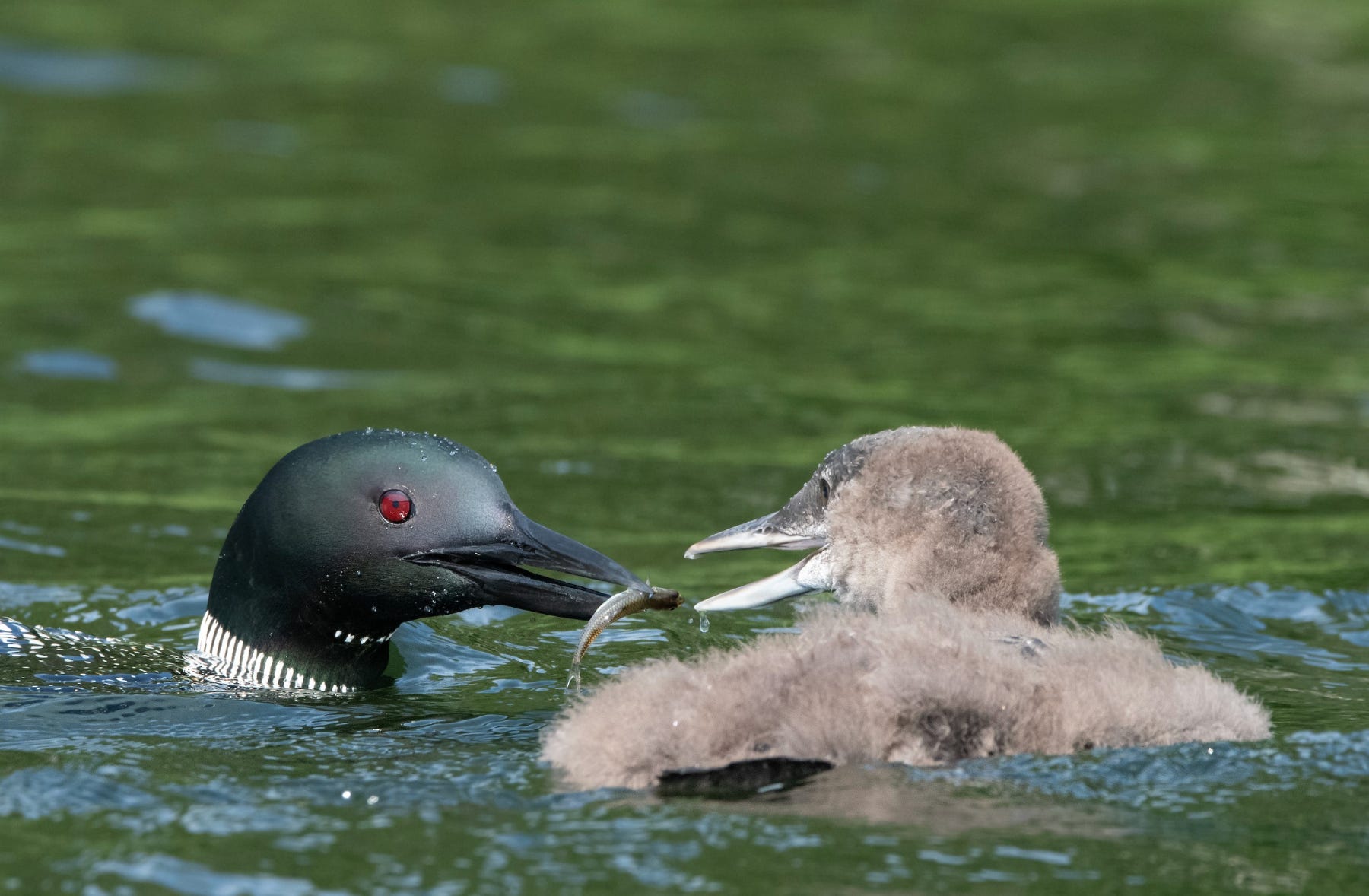
The beauty of natural history is that there is no single path. Every ecosystem has its own cast of organisms waiting to be discovered, and every naturalist develops different interests along the way. The groups below are just some of the most common places birders expand their curiosity because of their diversity, density, and accessibility. Still, your own journey may look entirely different depending on where you live—or where your travels take you.
Butterflies & skippers — Bright colors, fascinating migrations, and close relationships with native plants make them one of the easiest groups for birders to begin exploring as bird activity slows. Besides, birders are already keen on colorful things with wings.
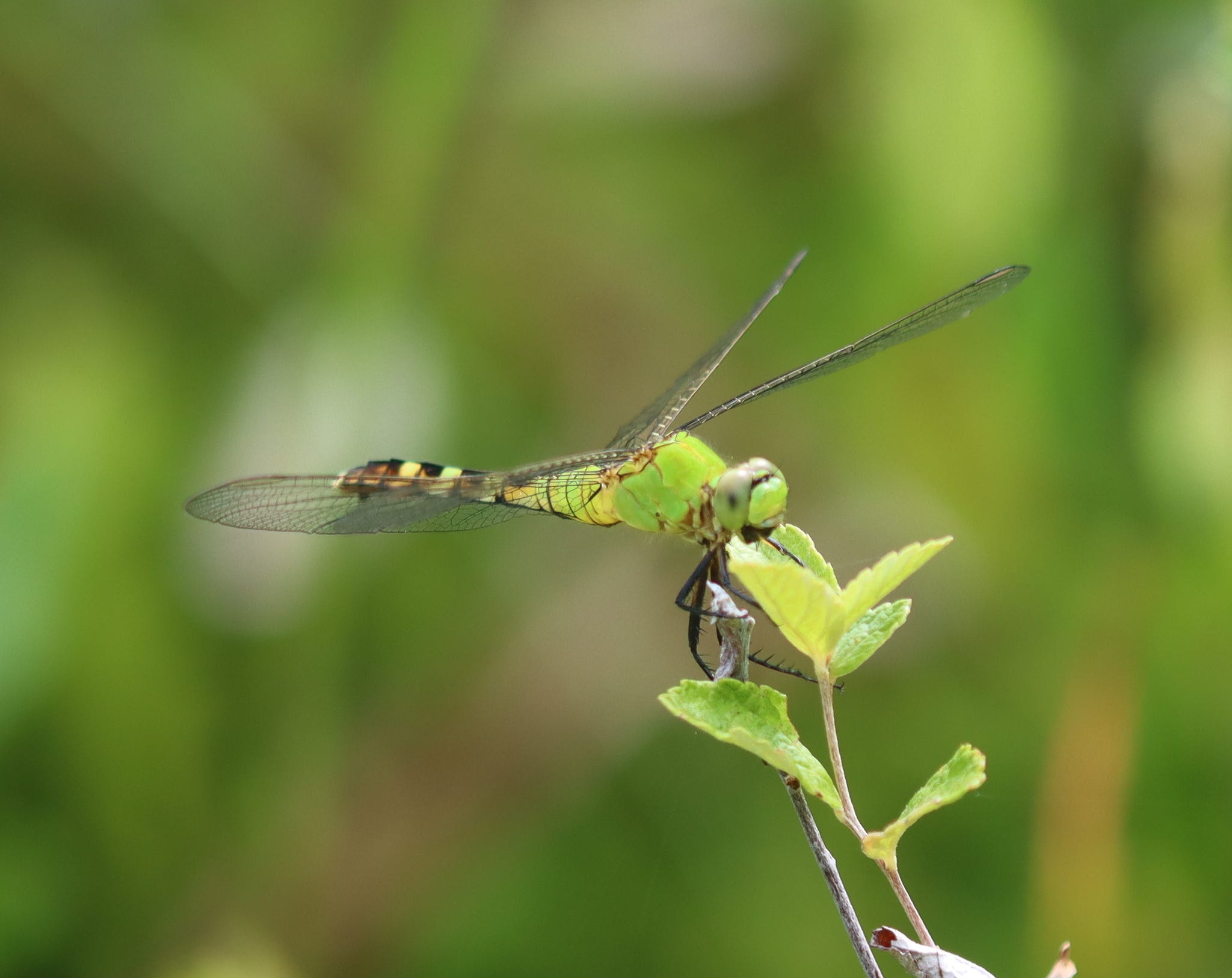
Dragonflies & damselflies — Agile aerial predators that patrol the same wetlands, rivers, and ponds many birders already visit, offering endless opportunities to observe flight behavior and ecology.
Moths — With hundreds of moth species found across many regions, moths reveal an astonishing world after dark. A porch light or a simple moth sheet can uncover remarkable diversity right in your own backyard.
Amphibians — Frogs and salamanders add an entirely different dimension to wetlands and forests, especially on warm summer evenings when choruses replace dawn bird song.
Native wildflowers — Learning which species bloom when and which insects and birds they support helps explain the rhythms of the landscape throughout the year.
Trees & shrubs — Oaks, pines, aspens, willows, and countless other woody plants form the foundation of bird habitat. Learning them is one of the fastest ways to understand where birds occur and why. Find the food and breeding habitat they depend on, then combine that knowledge with timing and range, and you’ll often find the bird species you’re looking for.
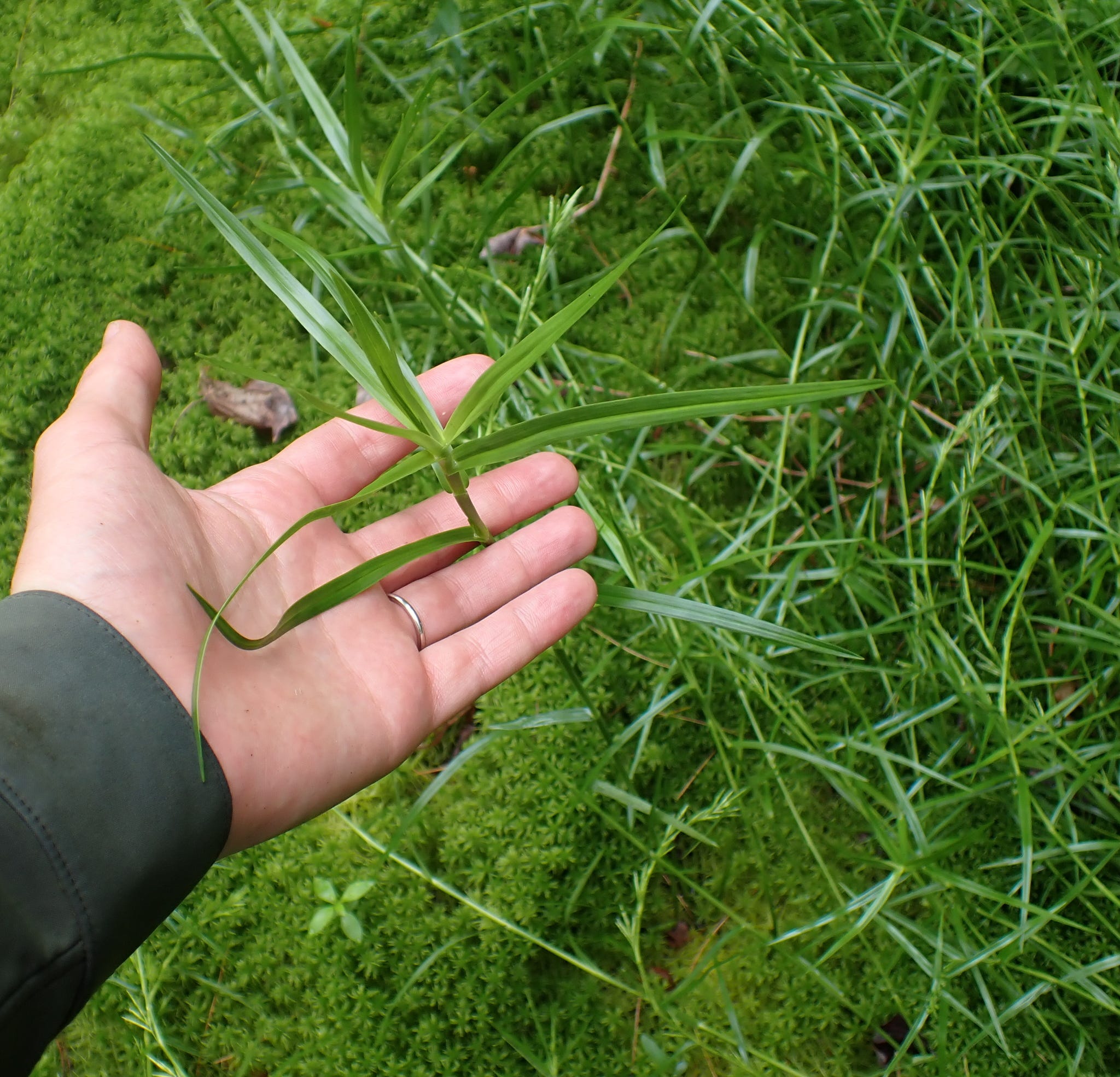
Grasses, sedges, and rushes — Often overlooked, these plants define entire ecosystems and provide food, nesting material, and cover for countless birds and other wildlife.
Fungi — Although often associated with autumn, fungi quietly underpin nearly every terrestrial ecosystem, forming underground partnerships with plants and recycling nutrients that sustain the forests we bird in. Summer rains can produce a fantastic growth of fungi in your local woods.
One of the most rewarding parts of becoming a naturalist is realizing that very little in nature happens in isolation. Birds respond to insects; insects respond to plants; plants respond to soils, geology, rainfall, elevation, and countless other forces. Every organism is part of a much larger story. The more of those stories you begin to recognize, the more predictable—and more fascinating—birds become.
An oak supporting hundreds of caterpillars suddenly explains why a canopy is alive with breeding warblers as light warms up the larval insects. A patch of blooming cardinal flower makes the appearance of a Ruby-throated Hummingbird feel almost inevitable. A chorus of frogs heard down the road after an evening rain hints at healthy wetlands that may also support rails, bitterns, herons, and swallows. Even something as common as a stand of goldenrods can tell you where sparrows may gather months later during post-breeding migration.
Birds don’t exist apart from these relationships—they exist because of them.
The more you learn about the rest of the natural world, the more clearly birds reveal the ecological threads that connect every landscape.
The sheer diversity of life on our planet can feel overwhelming. There are countless butterflies, dragonflies, moths, wildflowers, trees, fungi, and other organisms waiting to be discovered. It’s easy to think becoming a naturalist means mastering all of them. But here’s a tip: it doesn’t.
Natural history isn’t about knowing everything—nobody does. It’s about noticing more than you noticed yesterday and leaning in with curiosity.
Let curiosity guide you. Maybe this summer you will learn to recognize the common butterflies in your local park or the ones that visit your apartment’s patio of potted plants. Next year, perhaps you will dive deeper into smaller butterflies and skippers or focus on identifying the host plants that draw butterflies to your yard. Another season might be spent learning the trees that define your favorite birding hotspot or the wildflowers that bloom along a familiar trail.
Over time, those small pieces begin fitting together. Gradually, you stop seeing individual organisms and start recognizing communities, habitats, and the ecological relationships that shape them. That’s when a walk outdoors transforms from simply identifying species into understanding landscapes. You learn more, broaden your connections to the natural world, and become a better birder in the process.
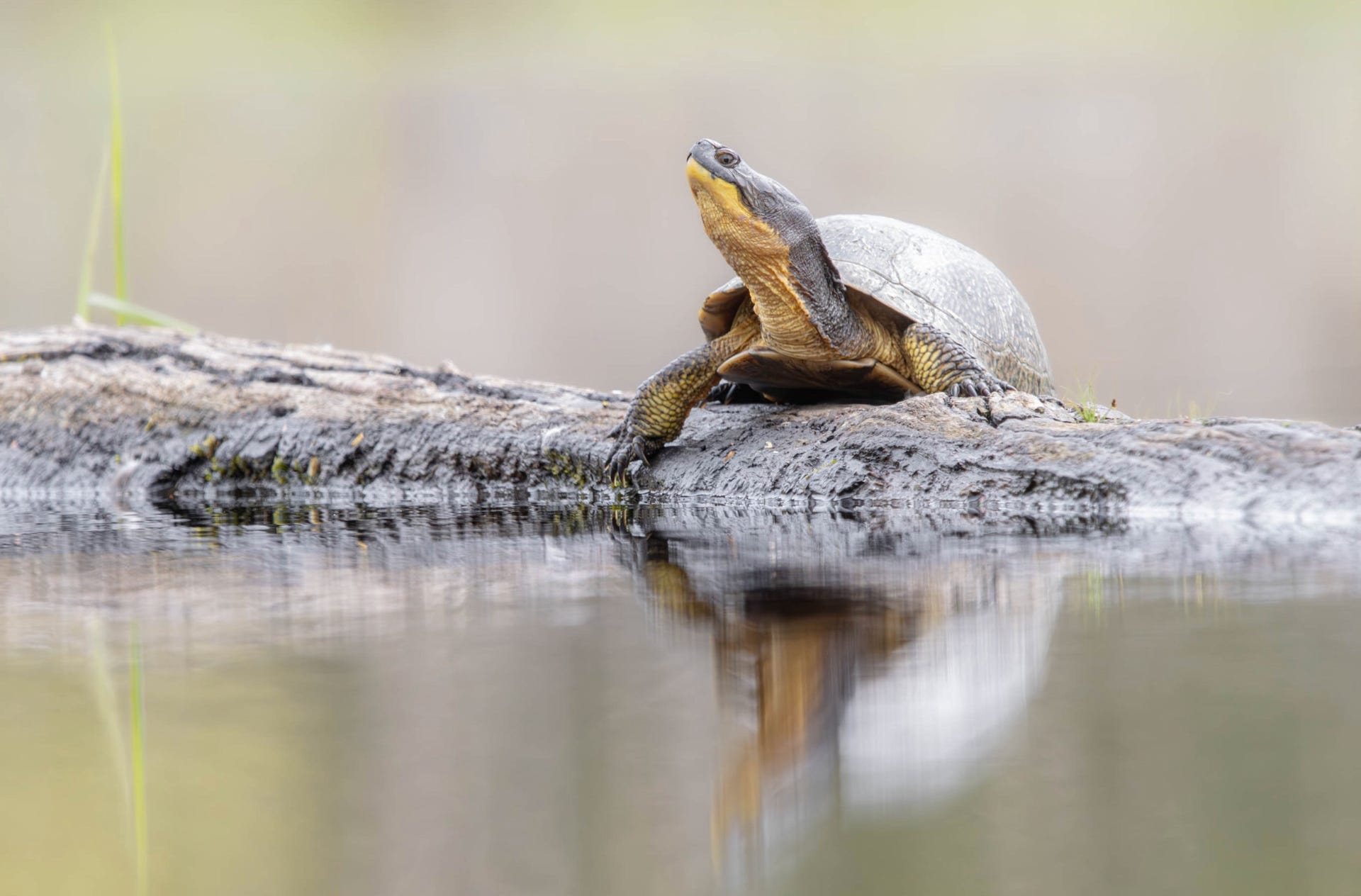
Like birding itself, becoming a naturalist isn’t about rushing through a checklist—it’s about learning to observe more deeply. A few simple habits can open entirely new ways of experiencing the outdoors.
Slow down — Spend time exploring a single meadow, wetland, woodland, or shoreline instead of constantly searching for the next new bird. Familiar places often reveal the greatest discoveries. Set out on a trail with no destination in mind, and if you only make it 20 feet before your time runs out because you stopped to turn over every leaf—literally—that’s an outing well spent.
Study the habitat first — Before looking for birds, notice the trees, shrubs, wildflowers, water, soils, and landforms around you. Habitat often explains what you’ll find before you see or hear it.
Visit the same places throughout the year — Returning in different seasons reveals how birds, plants, insects, and other wildlife change together through the annual cycle. And if birds are still too much of a distraction, summer and winter are great times to expand your naturalist journey, when birding is often slower, and there is more room to notice the rest of the landscape.
Explore beyond daylight — Summer evenings introduce an entirely different community of organisms, from moths and katydids to frogs, fireflies, and bats. Yes, mothing with a sheet and the right lights can be fun, but a simple porch light left on is a great and easy place to start. Leave a light on while you read for a while as part of your evening wind-down. Come back every hour and see what cast of moths and other insects has arrived.
Bring a different field guide — Leave room for curiosity. A butterfly guide, wildflower guide, tree guide, or dragonfly guide may become just as valuable as your bird book. There are also lots of apps coming to market.
Stay curious — Every unfamiliar organism is an opportunity to learn something about the landscape. Questions are not interruptions to the experience—they’re often the beginning of it.
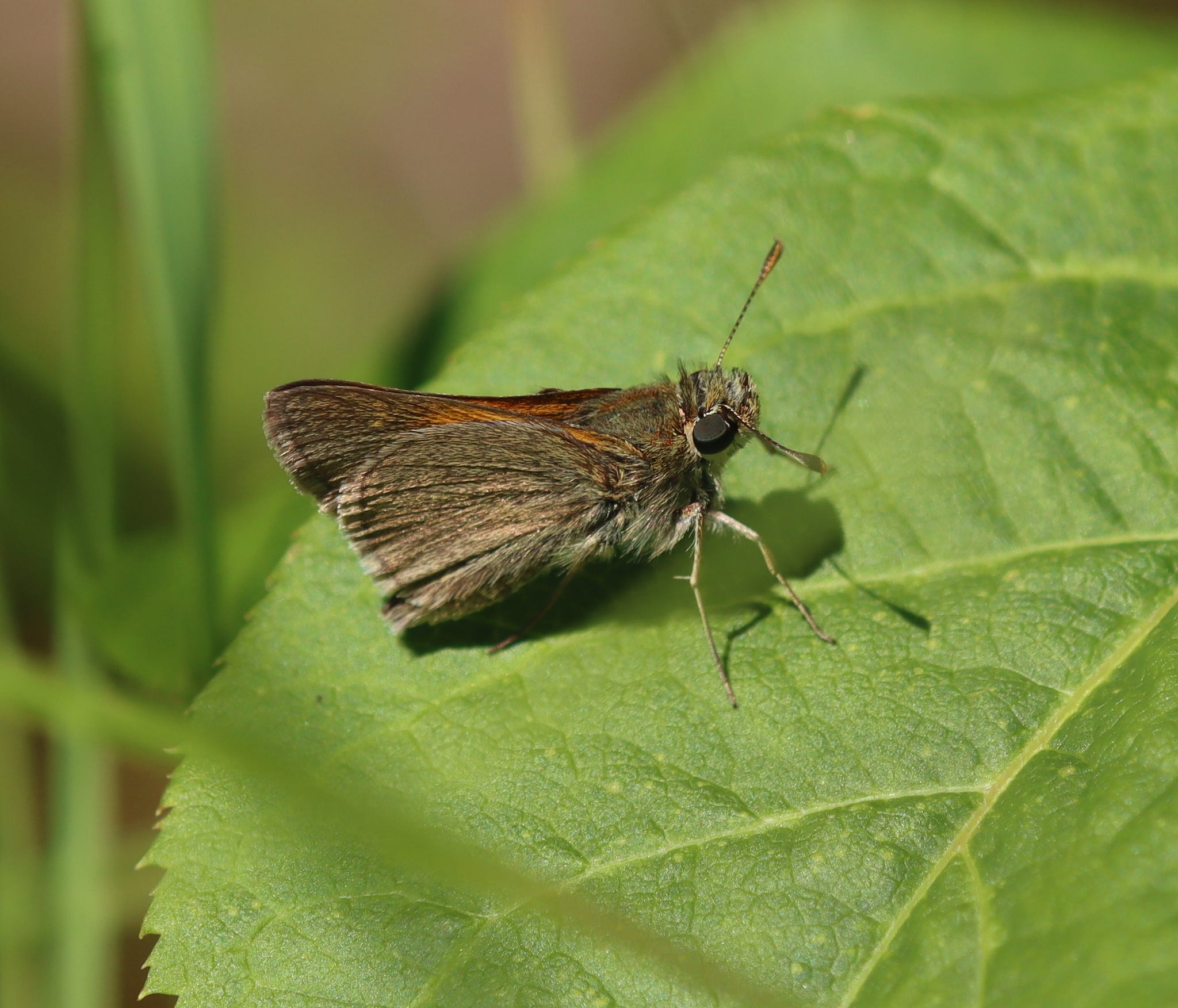
One of the beautiful things about birding is that it rarely stays only about birds. Many birders eventually become botanists, butterfly enthusiasts, dragonfly watchers, mushroom hunters, or amateur ecologists—not because they planned to, but because curiosity naturally spread outward. That’s one of the greatest gifts birds can offer. They teach us to notice. And once you begin noticing, it’s hard to stop.
Just as eBird helps birders track their sightings, iNaturalist helps you document the incredible diversity of life beyond birds. From butterflies and wildflowers to fungi, insects, and everything in between, iNaturalist allows you to record observations while connecting with a global community of experienced naturalists who help confirm identifications and share their knowledge. These observations become more than personal records—they contribute to local, regional, and even international research, helping scientists better understand biodiversity and how species are changing over time.
At Birding University, birds will always be our first love. They’re why many of us explored the outdoors in the first place, and they’ll remain at the heart of everything we do.
But becoming a stronger birder doesn’t always mean finding another species. Sometimes it means learning the oak that hosted the warbler, the milkweed that fed the butterfly, the dragonfly patrolling the pond, or the frog calling from the marsh after sunset. Those discoveries don’t take you away from birding—they deepen it.
This summer, when migration quiets and the pace slows, consider widening your focus. You may not add many birds to your life list, but you’ll almost certainly add something even more valuable: a richer understanding of the living world that birds call home.
Show your love for Birding University and brighten up your gear with our official sticker. Grab yours today—every purchase helps support our work!
Comments
Nothing yet. Say the first thing.
Sign in to join the conversation.