
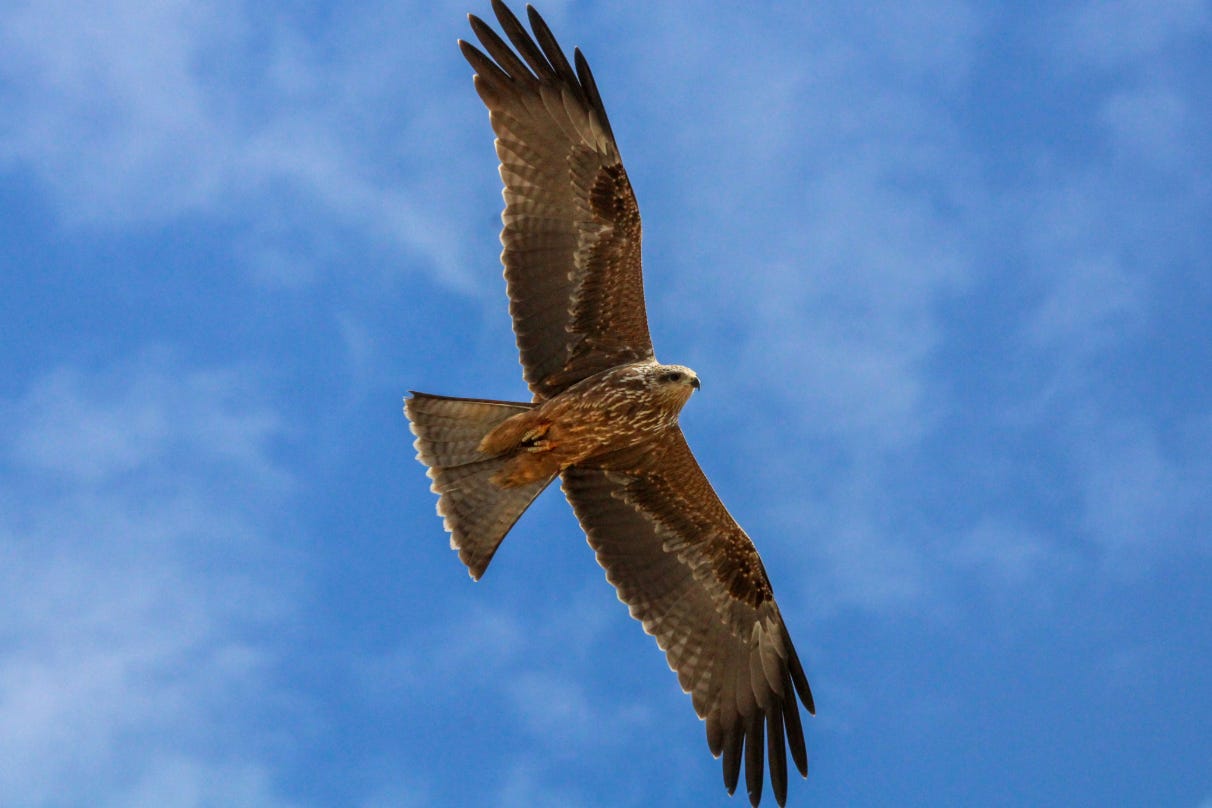
Welcome to the birdy side of the internet! This week’s newsletter pairs a remote warbler record with a broader look at why birds appear where they do. In This Week in Birding History, we revisit an early documented Colima Warbler encounter that required some effort to reach. In Birding Tip, we explore how birders can pay closer attention to the ecological drivers of change—habitat, weather, food, disturbance, and seasonality—that shape bird distribution and behavior.
This Substack is reader-supported. To receive new posts and support our work, consider becoming a free or paid subscriber.
This Week in Birding History: A Warbler Worth the Walk
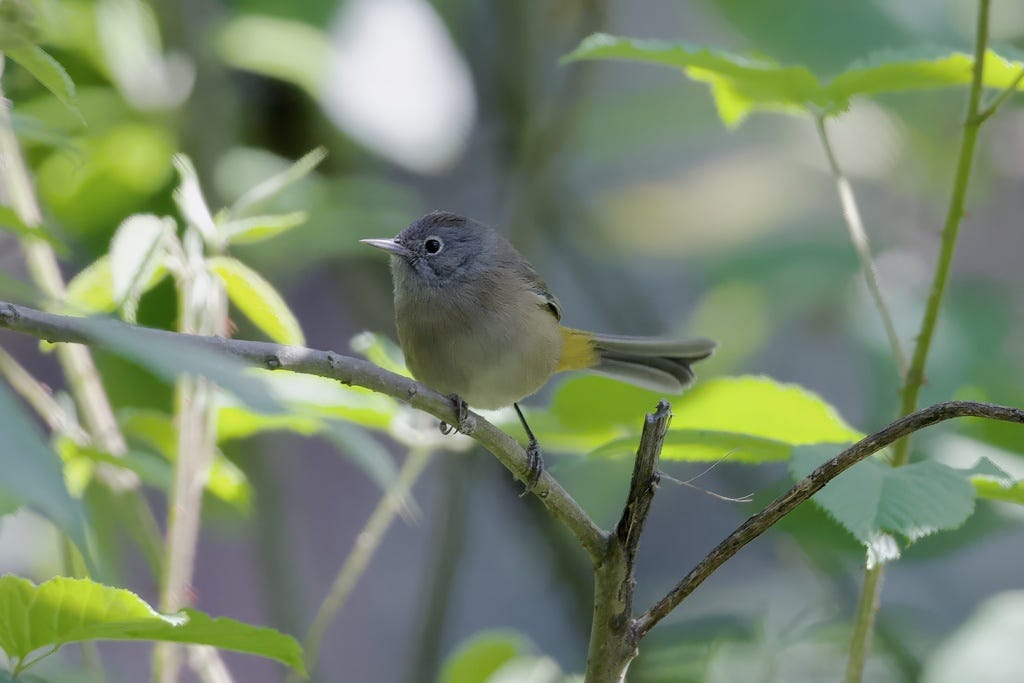
July 20, 1928 — Ninety-eight years ago today, University of Michigan entomologist Frederick Gaige was participating in a biological survey of the Big Bend region of Texas when he collected a bird unlike any previously documented in the United States. The medium-sized warbler featured a gray head, brownish-gray upperparts, buffy brown flanks, a complete white eyering, a relatively long bill and tail, bright yellow undertail coverts, and a small rusty-orange crown patch—field marks that identified it as a Colima Warbler.
At the time, the specimen was just the twelfth Colima Warbler known to science and established both the first United States record and the northernmost occurrence then known. Today, the Chisos Mountains remain the species’ principal U.S. breeding stronghold. Although Colima Warblers have since been found roughly 100 miles (160 km) farther north in the Davis Mountains, Big Bend still represents the northern edge of the species’ core breeding range.
For many North American birders, finding a Colima Warbler remains a rite of passage. Each spring, enthusiasts make the long climb into Big Bend National Park’s Chisos Mountains, where nearly every successful search begins the same way—with a song. Males often deliver their rich, ringing phrases from hidden perches high on canyon slopes long before revealing themselves. Patient birders who follow the song may eventually be rewarded with a brief view as the bird hops through oak leaf litter or pauses on an exposed branch. More than a century after Frederick Gaige’s remarkable discovery, the annual pilgrimage to see the United States’ only breeding Colima Warblers remains one of North America’s classic birding adventures.
Birding Tip: Birding the Ecological Engines of Change
Birders often learn to read landscapes by noticing what is present: mature trees, dense shrubs, open water, or broad grasslands. Just as important, however, is learning to recognize how those habitats came to be. A burned forest, flooded field, wind-thrown woodland, or abandoned beaver pond may appear damaged or disorderly, but each reflects an ecological process that is actively reshaping the landscape. These forces of change can alter where birds feed, nest, and seek shelter, sometimes transforming an entire bird community in only a few years.
Before visiting a recently disturbed habitat, remember that fires, floods, hurricanes, tornadoes, and other events can destroy homes, displace communities, kill wildlife, and damage ecosystems. Birders should approach these places sensitively: obey closures, avoid recovery operations, remain on approved roads and trails, and never treat someone else’s loss as a spectacle.
At the same time, disturbed landscapes reveal an important ecological truth: habitats are never static. Ecology shifts as the forces of nature drive change within a system. These changes displace some birds while creating opportunities for others.
Disturbance Creates Diversity
An ecological disturbance is any event that alters a habitat’s structure, resources, or physical conditions. Some occur suddenly, such as fires, floods, tornadoes, and treefalls. Others develop gradually through drought, disease, insect outbreaks, erosion, changing water levels, beaver activity, or simply the natural successional process of a habitats vegetation. Logging, mowing, grazing, dam removal, and restoration can also reshape habitats.
These forces act as ecological engines by creating patches of different ages, vegetation structures, moisture levels, and food resources. A mature forest may gain a sunny clearing, a meadow may become a wetland, or a burned woodland may develop into shrubland before eventually returning to forest.
This patchwork is often essential for bird diversity. Mature forests provide large trees, cavities, and layered canopies, while younger habitats support birds that depend on grasses, shrubs, and dense low growth.
Fire
The effects of fire depend on many factors. A mild fire may clear the understory while leaving mature trees alive, while a severe fire may create large areas of snags and exposed soil with very little vegetation.
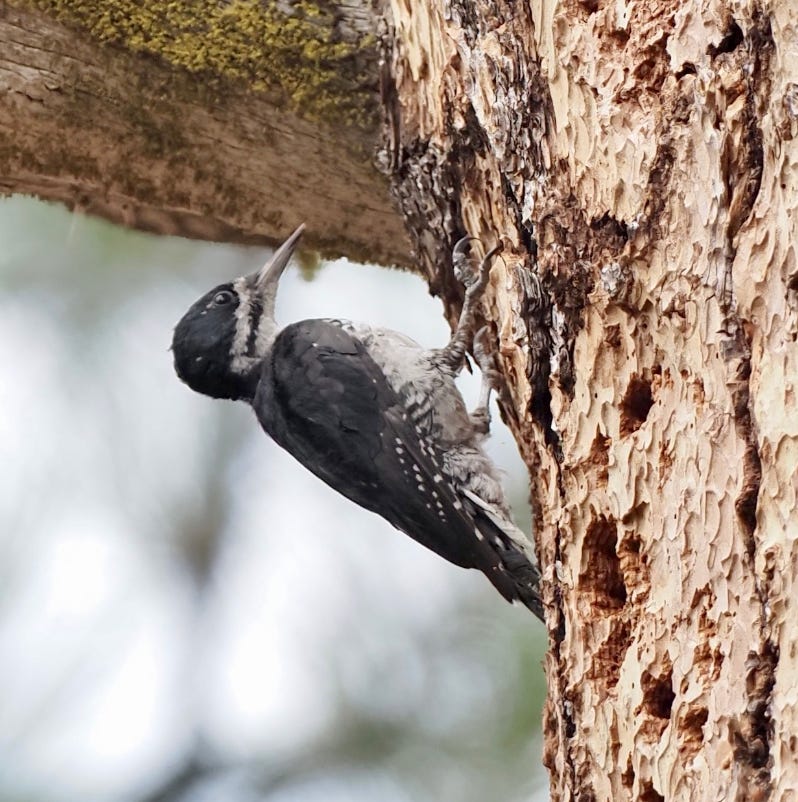
Species such as the Black-backed Woodpecker often enter burns to feed on insects colonizing damaged trees. Snags provide feeding sites and future nesting cavities, while flycatchers and other aerial insectivores benefit from newly opened space.
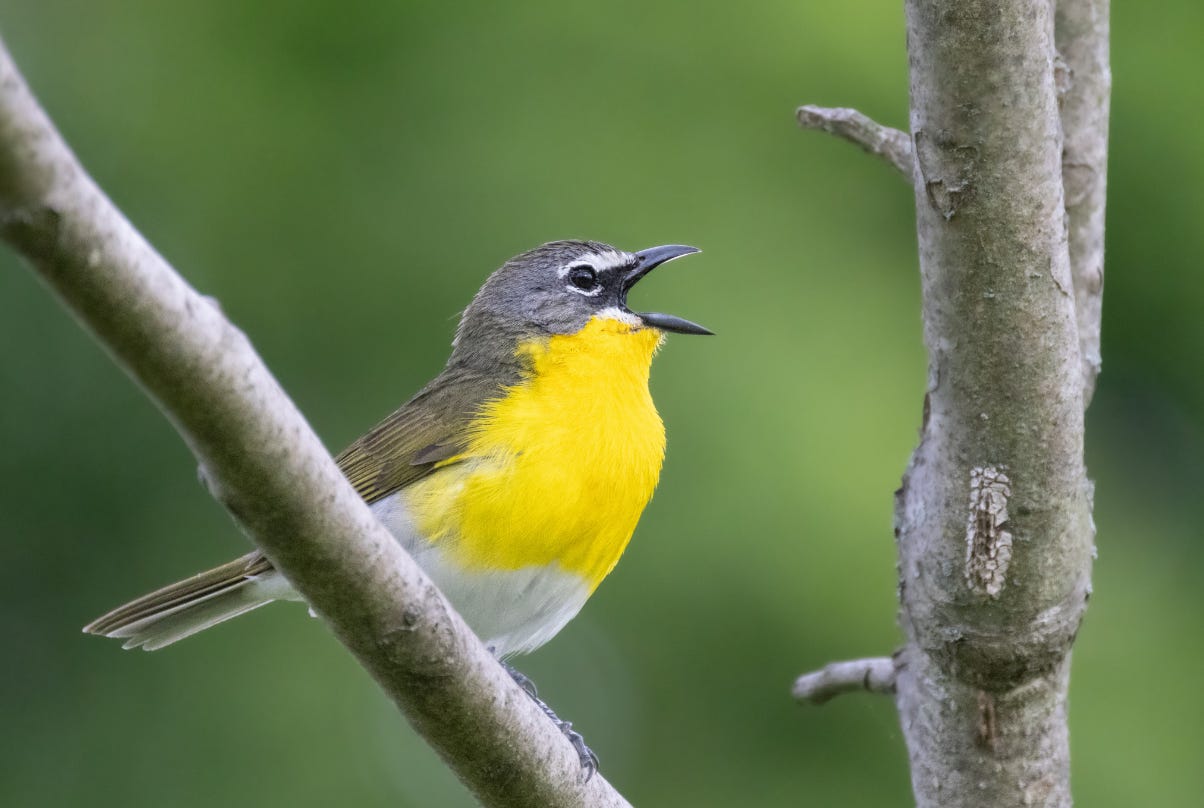
As grasses, wildflowers, shrubs, and young trees return, the bird community changes. Seed-eaters and early-successional species such as Eastern Towhees or Yellow-breasted Chats may move in before the canopy eventually closes again.
The edges between burned and unburned vegetation can be especially productive because they combine open feeding habitat with nearby cover.
Fire does not benefit every ecosystem, and birds using a burn do not necessarily prove that the event was ecologically beneficial. Some habitats evolved with frequent fire, while others are damaged by fires occurring too often or too intensely.
Blowdowns and Windstorms
Strong winds can bring the forest canopy to the ground. Sunlight then reaches the forest floor, encouraging shrubs, vines, and young trees to grow. Fallen logs retain moisture, support fungi and insects, and slowly return nutrients to the soil. Damaged standing trees may develop cavities or loose bark used by tree creeping species.
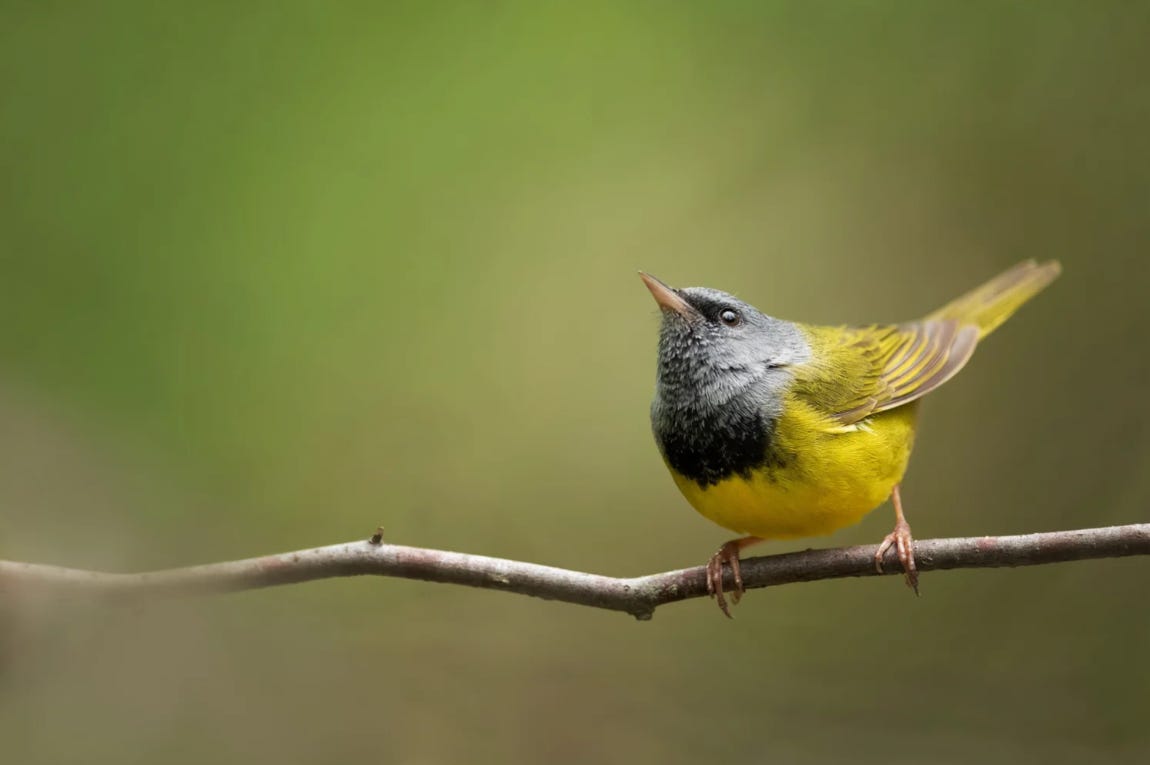
Large blowdowns can create habitat for birds such as Chestnut-sided Warblers or Mourning Warblers when the forest opens up from a dense canopy to one with a select few large overstory trees.
It is always best to observe these areas from established roads and trails. Fallen and suspended trees may remain unstable long after the storm has passed.
Floods and Changing Water Levels
Floods can transform a dry meadow or retention pond in moments. Shallow water acts as a conduit for passing ducks and certain shorebirds as small insects concentrate in these conditions.
As water recedes, exposed mud will still make excellent shorebird habitat for the next few days. Larger floods may also shift river channels, form sandbars, knock down trees, and create new backwaters or wetlands. Pay attention to water depth as it is one of the most indicative points of what species will capitalize on a location. Dabbling ducks may use deeper sections, shorebirds feed along shallow margins, and herons often patrol isolated pools.
Drought can produce the opposite transformation. Shrinking wetlands and reservoirs exposes mudflats and concentrates fish and amphibians, benefiting some birds while reducing nesting cover for marsh specialists. Drought may also have impacts on forests and other vegetation by increasing chances of fire.
Ice, Snow, Insects, and Disease
Ice storms and heavy snow can impact a habitat by breaking limbs of trees as well as covering these resources temporarily during a critical season for the species that rely on them. Increased sunlight from broken limbs encourages understory growth, while damaged wood may later provide cavities and insect prey.
Immediately after severe winter weather, birds often concentrate in protected valleys, stream corridors, evergreen stands, urban plantings, and other places where food remains accessible.
Insect outbreaks and plant diseases can also kill trees across large areas. Some bark-foraging birds may initially respond positively to abundant insects. Down the line, dead trees create snags and openings, gradually shifting the community from canopy birds toward species that use gaps, edges, and young vegetation.
This fact speaks less to the benefit of introduced pests and disease and more to the resilience and adaptability of birds. A blight may devastate a forest, and this will have many lasting negative impacts. Birds will capitalize on these conditions to the best of their ability regardless of the negative impacts in a broad ecological perspective.
Human Disturbance and Restoration
Human activities are one of the strongest drivers of ecological change. A birder can observe this especially in the human tendency to create open or early-successional habitat. Powerline corridors may support shrubland birds, harvested forests may resemble natural openings, and restored grasslands may attract Bobolinks, meadowlarks, and sparrows.
The presence of birds does not erase the environmental consequences of development. It again speaks to the birds ability to respond to habitat structure, food, and shelter rather than whether an area is considered natural.
Restoration projects can deliberately use disturbance to improve habitat. Prescribed fire, invasive plant removal, controlled flooding, dam removal, forest thinning, and native meadow establishment may look messy at first, but bird monitoring can help show whether the habitat is developing as intended.
Return and Watch It Change
The greatest value of identifying habitat changes comes from revisiting these disturbed habitats. A burn, flooded field, blowdown, or abandoned beaver pond may support a different bird community each year.
Record more than the species you encounter. Note vegetation height, water depth, shrub density, standing dead trees, and habitat boundaries. Photographs taken from the same location can document changes that are easy to forget.
Birds respond to all resources that a habitat provides. All ecological engines continually redistribute those resources. By recognizing these processes—and visiting affected areas responsibly—birders can move beyond simply finding birds and begin understanding why they are there.
Thanks for Reading
Birding becomes more meaningful when we look beyond the checklist and ask what is driving the patterns we see. Changes in habitat, climate, food availability, and timing all influence where birds occur and how they move through the landscape. By learning to read those ecological signals, birders can make better predictions in the field, contribute more useful observations, and develop a deeper understanding of the forces shaping birdlife over time.
Support Birding University
If you enjoy our work, you can show your appreciation with a one-time tip by buying us a “bird-friendly coffee.” Every contribution helps us keep creating content you love!
Comments
Nothing yet. Say the first thing.
Sign in to join the conversation.