
Looking back at the history of modern medicine, the wave of pharmaceutical innovation has always resonated with the evolution of the human disease spectrum. Each era has its representative “enemies” and “weapons” to counter them, and the technologies and platforms that prevail are always those that precisely address the greatest unmet medical needs of the time.
Today, standing at a new historical crossroads, from the perspective of the Bilu Huang Aging Institute, I would like to share our reflections on this process, as well as the fundamental question behind the research directions we have chosen.
1940s–1970s: The Challenge of Microbes and the Golden Age of Antibiotics
Keywords: Infection · Salvation
Back then, bacterial infections hung over humanity like a sword of Damocles. The advent of antibiotics —such as the “greatest penicillin”—not only saved countless lives but also gave rise to the first wave of modern pharmaceutical giants, including Pfizer, Merck & Co., and Eli Lilly. This marked humanity’s first decisive victory in the microscopic world.
1970s–1980s: The Dawn of the Chronic Disease Era and the Rise of Cardiovascular Drugs
Keywords: Chronic Disease · Prolongation
As demographic structures and lifestyles shifted, cardiovascular diseases represented by hypertension took center stage. The emergence of drugs such as beta-blockers and ACE inhibitors not only extended human lifespan but also elevated companies like AstraZeneca and Takeda to new industry stars. By 1990, hypertension drugs accounted for 6 of the world’s top 20 best-selling medicines.
1990s–2010s: Lifestyle Diseases and “Blockbuster” Drugs
Keywords: Metabolism · Regulation
Accelerated industrialization brought widespread hyperlipidemia and mental stress. Statins for lipid lowering and SSRIs for depression became the two most profitable categories in pharmaceutical history, profoundly affecting the health of hundreds of millions worldwide.
Today, we stand at another historic turning point.
As industrialized nations around the globe enter (super-)aging societies, the disease spectrum has undergone another fundamental shift: the incidence of infectious and digestive diseases has declined, while degenerative diseases—including malignant tumors, type 2 diabetes, cardiovascular and cerebrovascular diseases, chronic kidney disease, and Alzheimer’s disease—are surging at an unprecedented rate. This is not only the greatest unmet clinical need but also the single most critical battlefield in the pharmaceutical market.
Yet the complexity of this battle far exceeds that of any previous era. It points to one fundamental issue: aging itself.
Unlike other engineering fields that rely on “rapid prototyping and iterative optimization,” biomedicine acts on the most complex human system. Every step, from target discovery to product implementation, must be built on rigorously precise scientific foundations. To defeat degenerative diseases, we must overcome three core challenges:
First Challenge: Precisely Decoding the Mechanisms of Aging
Aging is not a disease, but a physiological process—the underlying “operating system” driving all degenerative diseases. Without understanding the operating system, we cannot fix the crashes of application software. We must precisely grasp the fundamental logic of aging.
Second Challenge: Understanding the Unique Pathological Mechanisms of Each Degenerative Disease
On the common foundation of aging, every degenerative disease—whether Alzheimer’s disease, Parkinson’s disease, cancer, or type 2 diabetes—has its own distinct pathological processes. Only by understanding both “universal aging” and “disease-specific pathology” can we identify truly precise intervention targets.
Third Challenge: Breaking Through Delivery Bottlenecks
Regulating signaling pathways solely through small molecules is insufficient to solve the problem of aging.
More promising modalities—including macromolecules (gene therapy, mRNA therapy) and cell therapies (e.g., iPSCs)—commonly face challenges of immune rejection and low delivery efficiency. This is the root cause behind the clinical translation failures of many cutting-edge therapies: from high-profile attempts by gene-editing companies to the decade-long, 20-billion-yen iPSC collaboration between Professor Shinya Yamanaka of Kyoto University and Takeda Pharmaceutical. Without precise delivery, even the most elegant design remains merely theoretical.
Responding to this call of the times, the Bilu Huang Aging Institute focuses on one mission: starting from the fundamental mechanisms of aging, to discover solutions for reversing aging and curing age-related degenerative diseases.
The Institute’s founder and Principal Investigator, Bilu Huang, is a self-taught independent scientist. Over more than 30 years of research in the biology of aging, he has developed a firm conviction: aging can be scientifically reversed, and cancer and Alzheimer’s disease are not inevitable ends to life.
In 2021, he first proposed the TRCS model (Telomere DNA and ribosomal DNA co-regulation model for cell senescence) in the journal Negative, systematically elaborating the synergistic mechanism of telomeres and ribosomal DNA in the aging process.
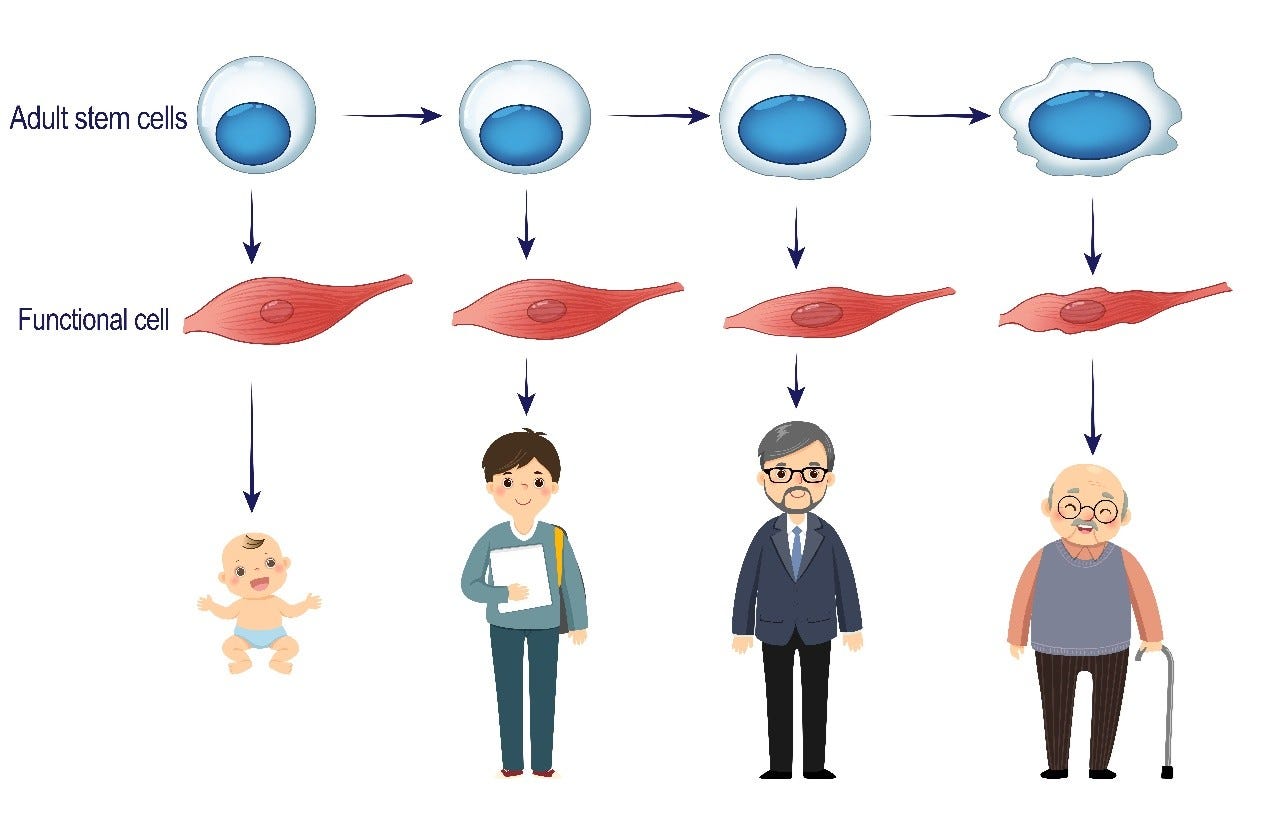
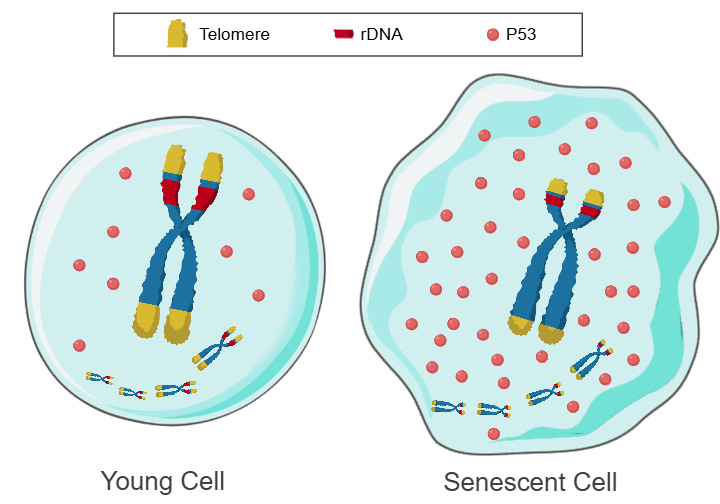
Huang, Bilu, Introduction to the Telomere DNA and Ribosomal DNA Co-regulation Model for Cell Senescence (July 07, 2025). Available at SSRN: https://ssrn.com/abstract=5341657
In 2024, this theory was validated by preliminary cellular experiments (unpublished data and future work is underway). In 2025, he published a further paper in Aging and Disease, deepening and expanding the theoretical connotation and translational potential of the model.
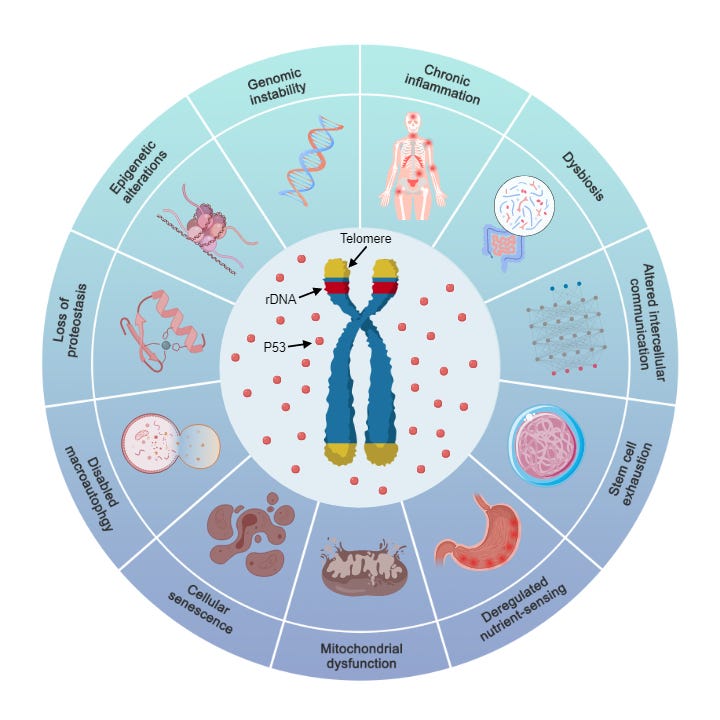
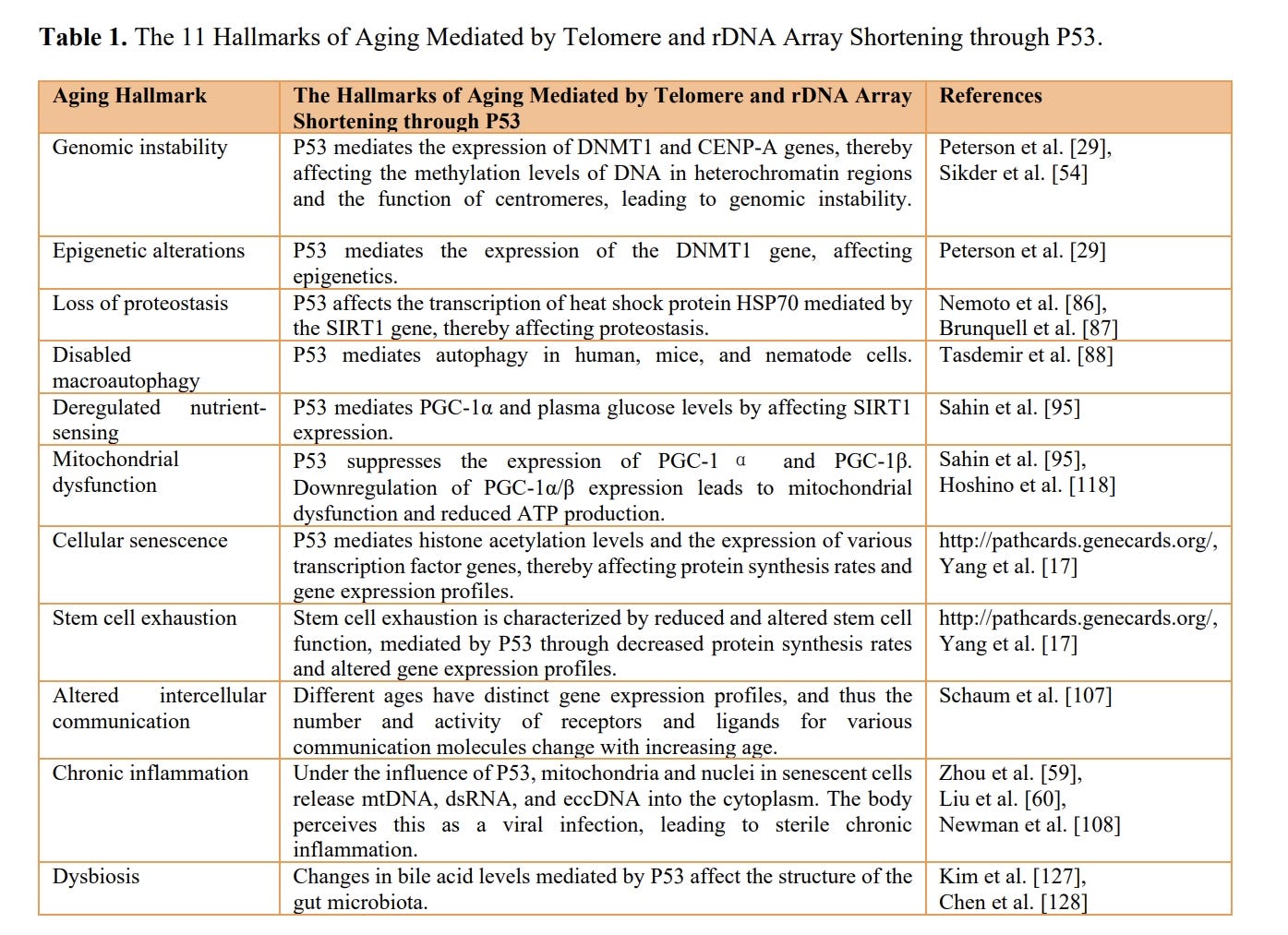
Bilu Huang , Xiaowen Hu. Causality of Aging Hallmarks. Aging and disease. 2025 https://doi.org/10.14336/AD.2025.0541
Based on the TRCS model, Bilu Huang has pioneered novel pathological hypotheses and potential curative strategies for age-related degenerative diseases including cancer, Alzheimer’s disease, and Parkinson’s disease. These theories not only challenge conventional wisdom but also point to a new path toward clinical translation.
Huang, Bilu, Mechanisms of Tumors and Therapeutic Strategies (June 09, 2025). Available at SSRN: https://ssrn.com/abstract=5286041
Huang, Bilu, The Fundamental Cause of Neurodegenerative Diseases (May 11, 2025). Available at SSRN: https://ssrn.com/abstract=5250307
Huang, Bilu, The Irreversible Reduction in the Number of Motor Neurons Determines the Limit of Human Lifespan (February 04, 2026). Available at SSRN: https://ssrn.com/abstract=6176838
We are keenly aware that this journey is long and difficult. Yet we believe that the most precise scientific questions deserve the most persistent commitment.
No posts
Comments
Nothing yet. Say the first thing.
Sign in to join the conversation.