

An interruption to our regularly scheduled posting on artificial intelligence to return to the ructions in the Persian Gulf.
You may or may not have heard about the decision by the United Arab Emirates to leave OPEC, the once-vaunted Organization of the Oil Exporting Countries. This is a big deal and much detailed analysis is already out there, easily searchable.
I just want to note this move squares well with my view that the closure of the Strait of Hormuz will cause — now actually is causing — tectonic shifts in the global energy landscape.
These changes are complex and take time, but they are very likely to accelerate the transition away from fossil fuels over the long haul.
The leadership in Abu Dhabi, the capital of the UAE, seems to agree, even if they’re not outright saying so.
I won’t go through a full analysis of the UAE OPEC exit here, as there are plenty of nuances about OPEC and relations between the Gulf Arab states that are amply explained elsewhere and don’t have much to do with energy transition.
Basically, the UAE’s decision has to do with long-simmering tensions with Saudi Arabia and with OPEC generally over limits on Abu Dhabi’s crude exports under the group’s quotas.
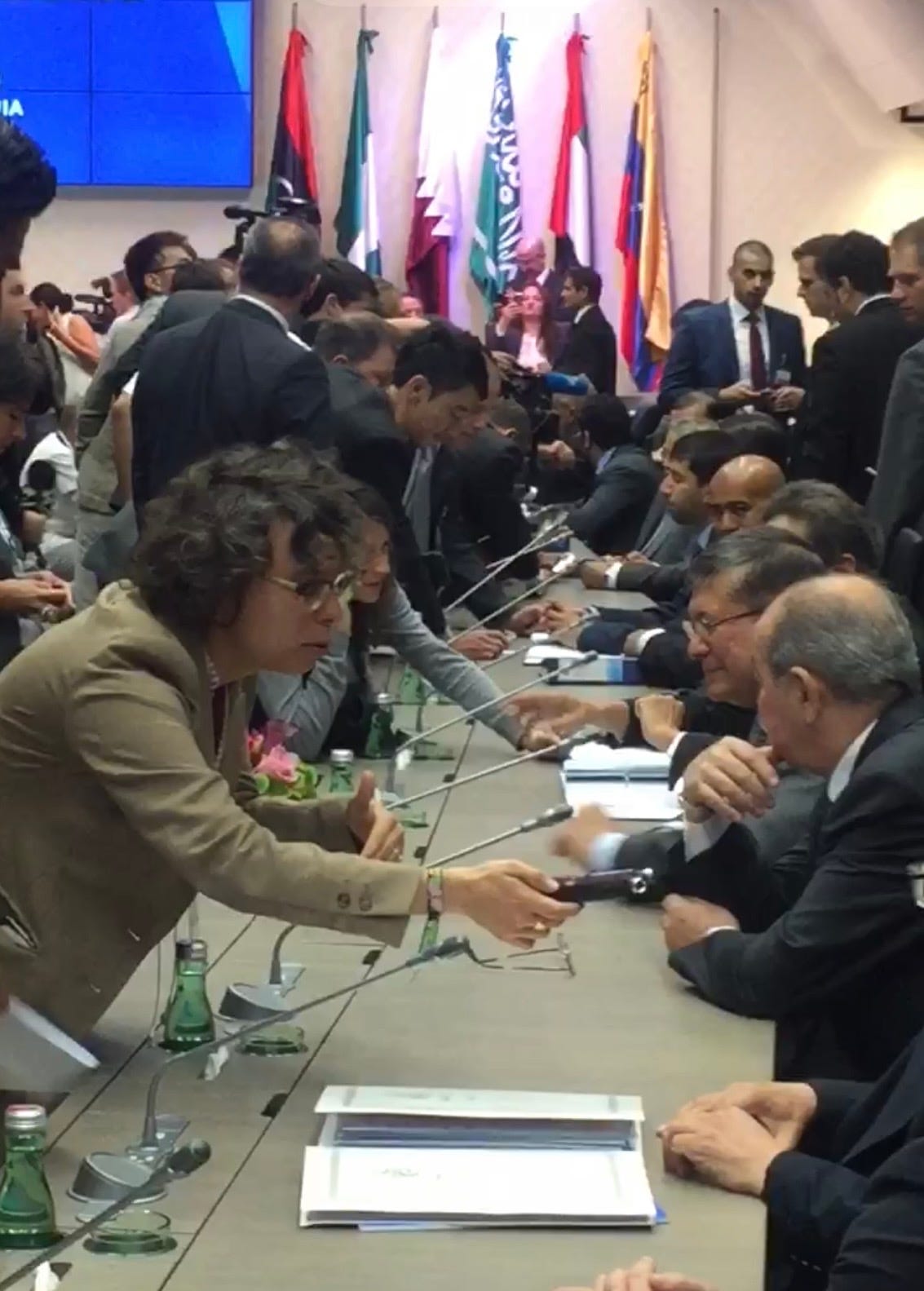
Abu Dhabi has long wanted to export more oil, and has spent a lot of money building the capacity to do so. OPEC consistently resisted that. Until the war shut down most oil production across the Gulf, Abu Dhabi was basically ignoring the organization (as its members routinely do) and exporting what it could.
The crisis opened the door to exit. Free of OPEC, Abu Dhabi can export to the hilt not only when the strait reopens but, more importantly, over the long term, as well.
The idea is to get the reserves out of the ground and sold sooner rather than later. Use the money now to prepare for the later, when demand for oil begins falling.
That sort of thinking is exactly the opposite of OPEC thinking, which is that producers can always hold oil back until prices rise. Just keep it in the ground. If they don’t buy now, they’ll have to buy later.
Afterall, what choice do buyers really have to oil?
OPEC still officially believes that, projecting that demand for oil will grow steadily to at least 2050 and beyond.
The UAE, no slouch itself in the renewable energy business, is clearly not so sure — and using the Gulf war as a chance to get ready for oil demand to peak far earlier than OPEC is prepared or able to recognize.

Comments
Nothing yet. Say the first thing.
Sign in to join the conversation.