
The game of chicken between President Trump and Iranian rulers drags on largely unchanged. So let’s return to artificial intelligence, the other major force reshaping the global energy landscape before our eyes.
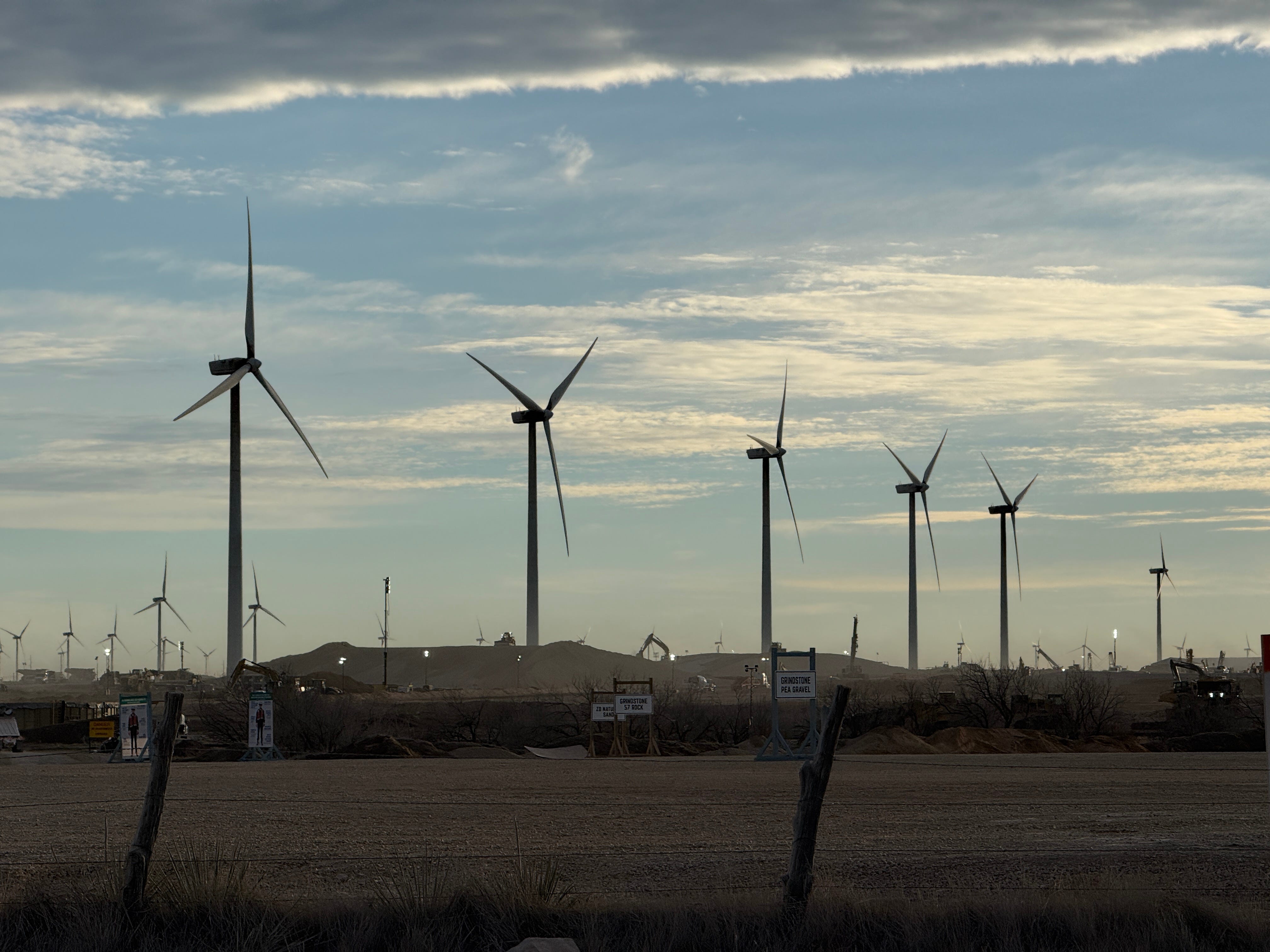
Before the UAE’s exit from OPEC pulled us back into the Persian Gulf, we were visiting the Texas oil patch to answer a question: What’s caused oil and gas companies to take up for the renewable energy industry?
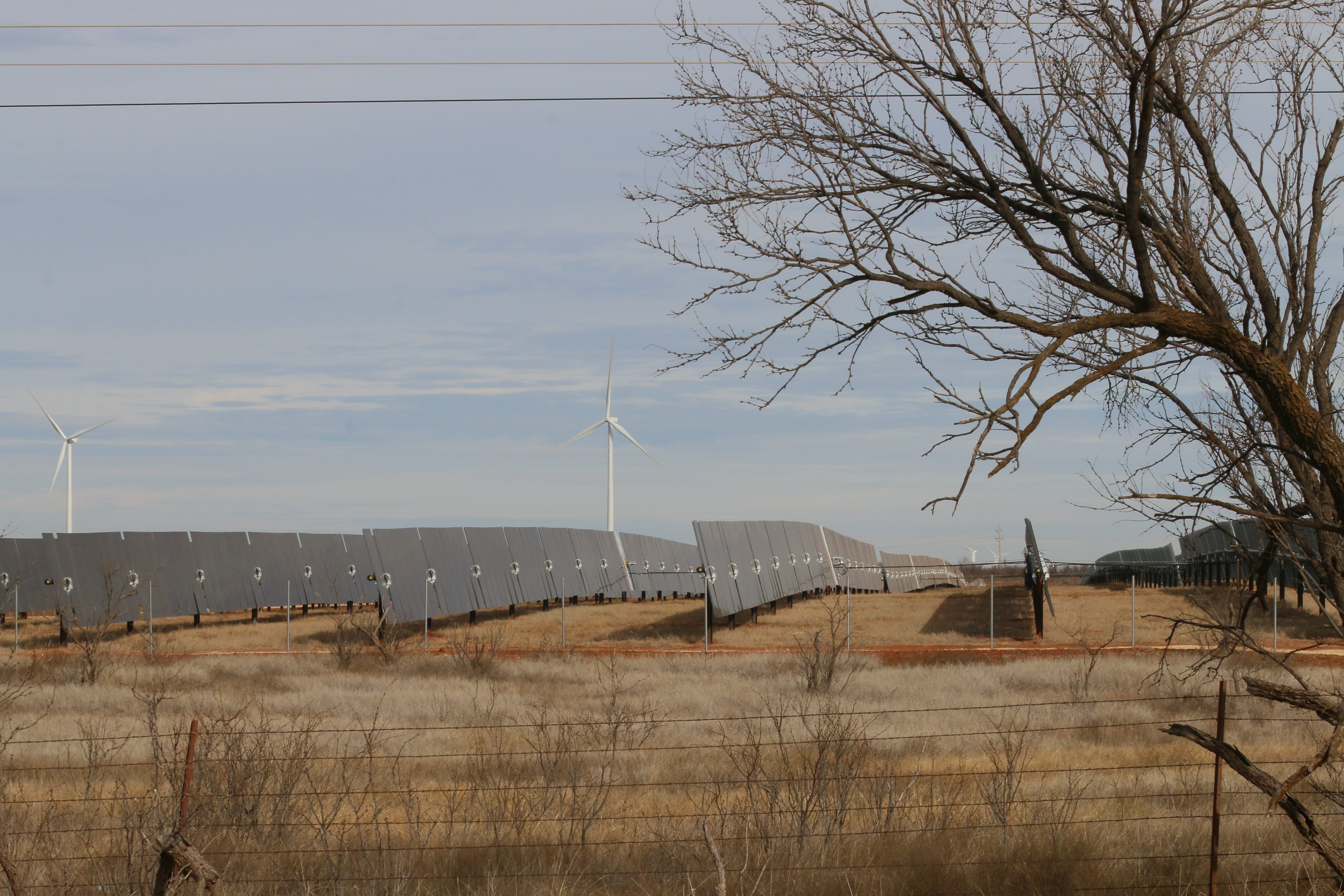
Answer: they want electricity. Renewables are where new generation comes from these days in Texas, with about 90% of new electricity coming from solar and batteries over the past few years.
This post tackles a related riddle: Why, then, have tech companies — whose data centers crave electricity even more than the oil and gas industry — fallen for natural gas?
And even more importantly: Is this a fling or more an engagement?
The difference matters. A dalliance between data centers and natural gas might actually accelerate the energy transition globally. A lasting, exclusive relationship could slow it down.
But let’s back up.
Natural gas was not always the apple of the technology industry’s eye.
Gas may burn cleaner than coal, the dirtiest of the fossil fuels, but it does release significant emissions when burned. And uncombusted natural gas — methane that is released into the atmosphere both routinely and accidentally throughout the industry supply chain — is an even more powerful greenhouse gas, causing 80 times more atmospheric warming than carbon dioxide for the first two decades.
Tech companies have long trumpeted renewables. They still do. But since artificial intelligence came along, natural gas is the belle of the ball.
AI has transformed the energy needs of companies like Alphabet’s Google, Microsoft, Meta, OpenAI and Anthropic. They’re desperate to build specialized AI data centers, which have voracious appetites for energy.
Electricity demand from these artificial intelligence factories could triple by the end of the decade. Once built, they traditionally need to operate around the clock, both to meet their customers’ computing needs and pay back their huge construction cost.
Like any business, tech giants usually look to the electricity grid for that power. But most grids, including the one in Texas, can’t provide that much electricity right away, and certainly not during peak periods like hot summer afternoons or cold winter nights when existing customers also need power.
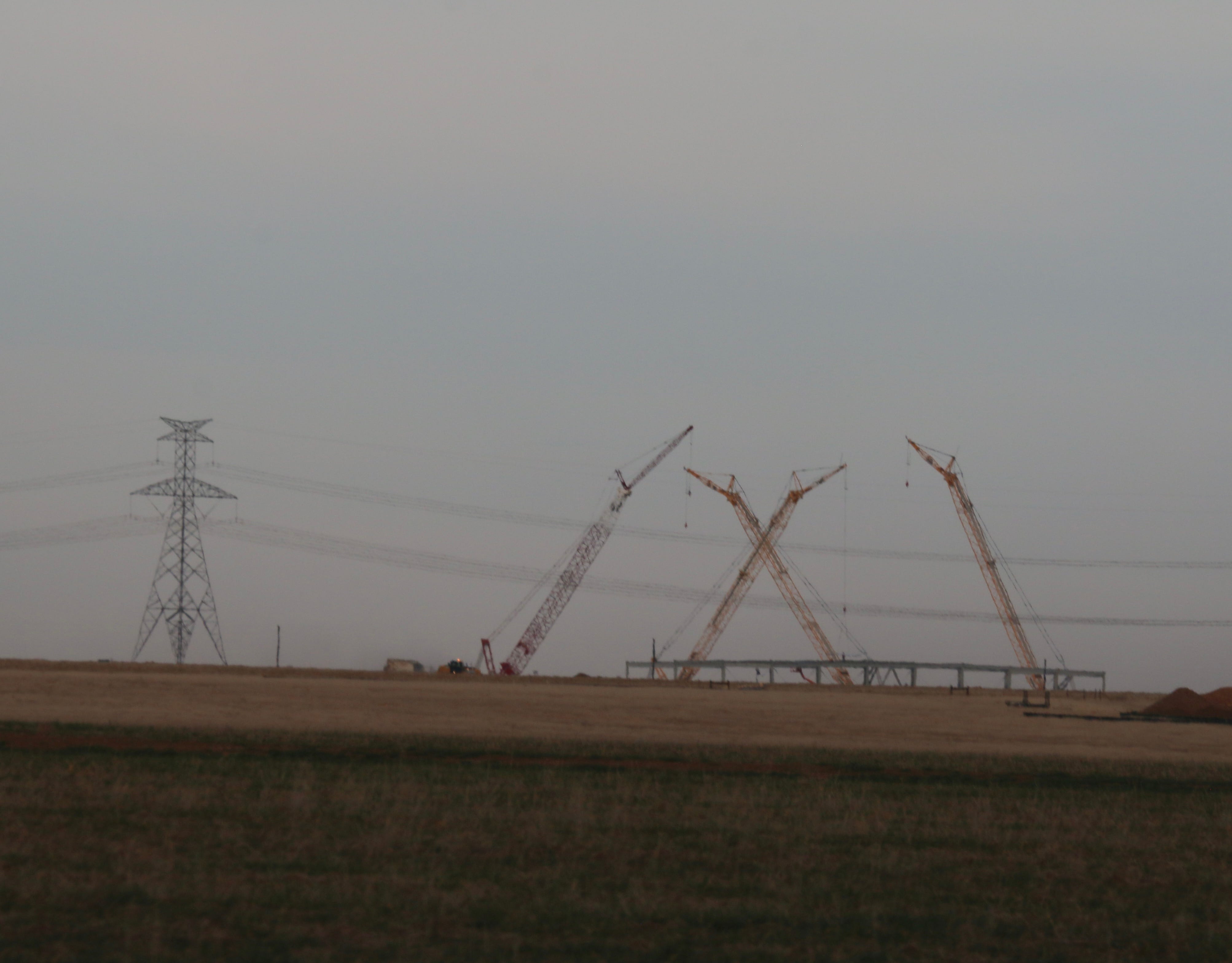
Tech companies, locked into what they see as an existential race, don’t want to wait. They’ve decided to go around the grid, at least for now, setting up their own power plants.
That’s where gas suddenly looks great.
Gas generators can be fired up whenever to produce as much electricity as needed, as long as the gas continues to flow. Gas is plentiful in the U.S., especially in West Texas, almost ridiculously so. It rises from reservoirs there as a byproduct, existing alongside crude oil already being pumped from the ground. Often the gas is simply thrown away — “flared” off or just released into the atmosphere.
Attracted by plentiful, inexpensive gas today, data centers, once built, might pay more — far more — down the road if tech companies have no other viable energy alternatives.
But won’t they have other alternatives?
There are two ways this could happen, most likely in combination:
— Jilt gas for the grid, possibly sooner than later. The main obstacle to providing data centers grid access is dealing with acute periods of peak demand, literally a few hours each year when grids wouldn’t be able to provide enough power for everyone. The rest of the time, grids have plenty of extra power that generators are keen to sell, earning money for themselves and holding down costs for other customers.
— Build other power sources, asap. Although renewable energy doesn’t work as a sole power source for data centers, tech companies are integrating what they can and finding new ways to deploy batteries to increase the share of renewables that can be used. Longer term, several tech giants hope to build small nuclear plants that can generate power for their needs and to sell to the grid during periods of peak stress.
Both these approaches face challenges.
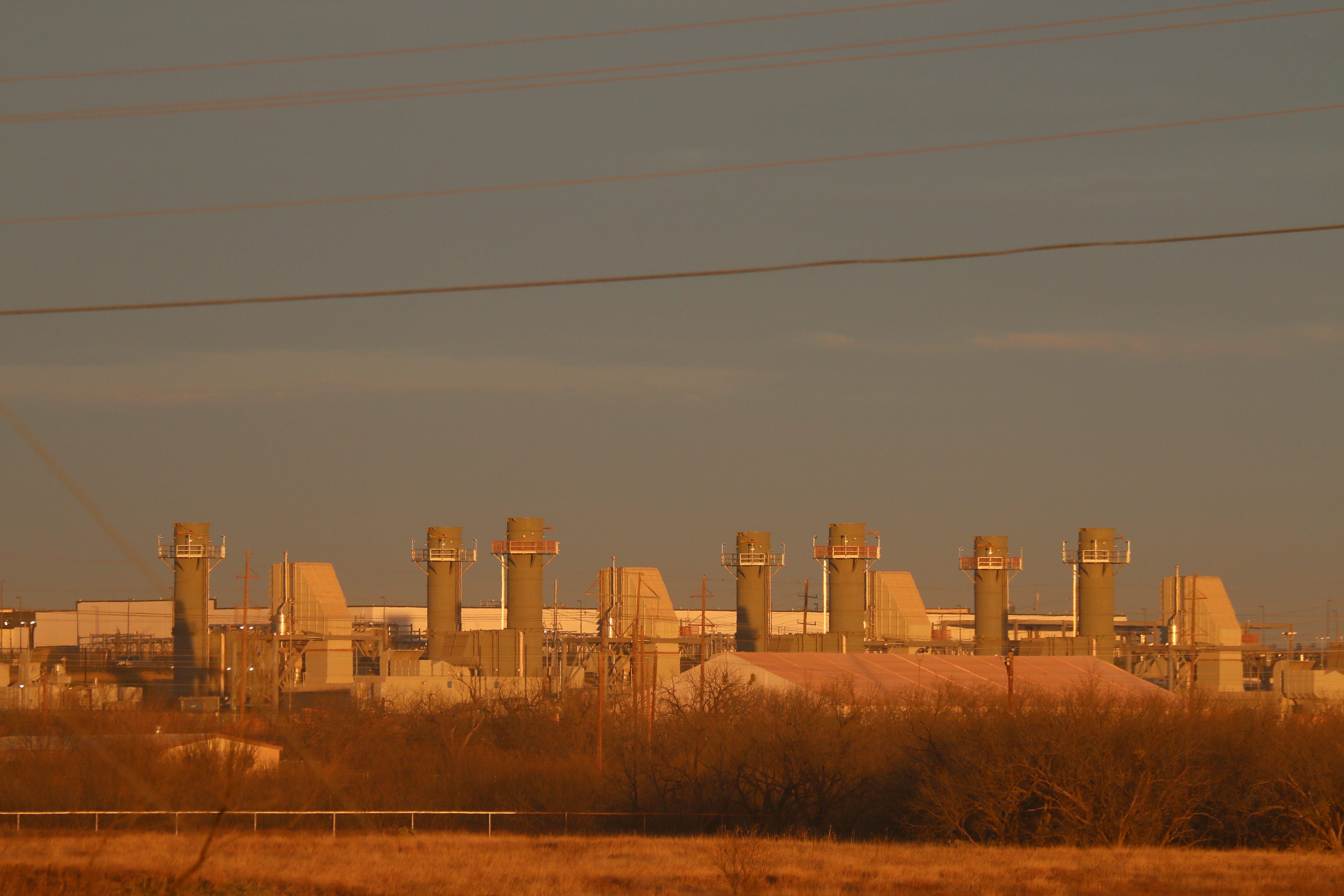
Faster grid access will depend on both data centers and the grid becoming more flexible, able to dial back demand temporarily and draw new supply of power from data centers themselves when needed. The data center industry and the Texas grid operator, The Electricity Reliability Council of Texas (ERCOT), are working on this.
Together, they’re likely to succeed, paving the way for many data centers to plug into the grid in the next few years.
Meanwhile, data centers will be pushing hard to implement first-of-a-kind innovations into their operations at a breakneck pace. These include deploying gigantic new batteries capable of cost effectively storing electricity for weeks or even months, and gaining regulatory approval for novel nuclear reactor designs.
Progress on both those fronts could demote gas from superstar to supporting role in data centers.
More demand for grid power, especially, would spur still more solar and battery installation on a state grid where this duo already proved to be inexpensive and effective. More power generation at data centers with grid access would also bolster the reliability of the grid and cap costs at the same time.
Between these two forces, the gas generation being built today becomes tomorrow’s backup power, to be used sparingly in a pinch, not as the backbone of the system.
Texas oil and gas producers were major backers of the state grid operator’s plan to build high-capacity electricity transmission lines out to West Texas (see map above). They envisioned these providing cheap, clean power to electrify their own operations, freeing up gas for sale and decarbonizing their operations.
Texas data centers may eventually benefit even more by similarly using the expanded grid to largely get off gas. That would make the great data center gas rush a fleeting affair.
Texas natural gas, of course, would still have one more great potential growth market: overseas exports via LNG, or liquified natural gas, the shippable form of natural gas.
As we’ll explore in my next post, LNG’s once-bright future is clouding over as the Persian Gulf war drags on — even as the war supercharges U.S. exports for now.
For U.S. LNG exporters this may prove to be too much of a good thing.
Comments
Nothing yet. Say the first thing.
Sign in to join the conversation.