
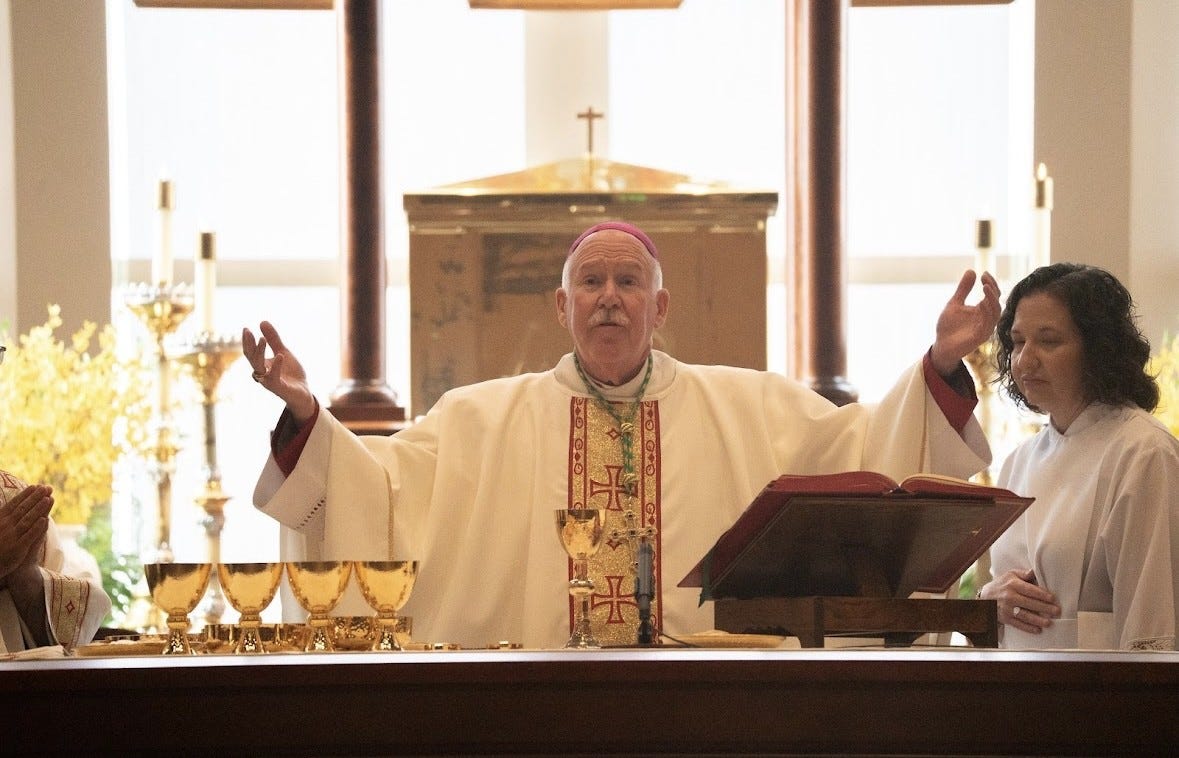
The most revealing sentence in Bishop Mark Eckman’s August 7 letter to Catholics at St. Titus Church in Aliquippa is buried in the middle of the first page.
The Diocese of Pittsburgh had received permission from Rome to continue celebrating the traditional Roman Mass there. The permission came in 2022 for two years. Bishop David Zubik asked for another two years in 2024 and received them.
Eckman could have asked again.
He chose not to.
Then he explained why.
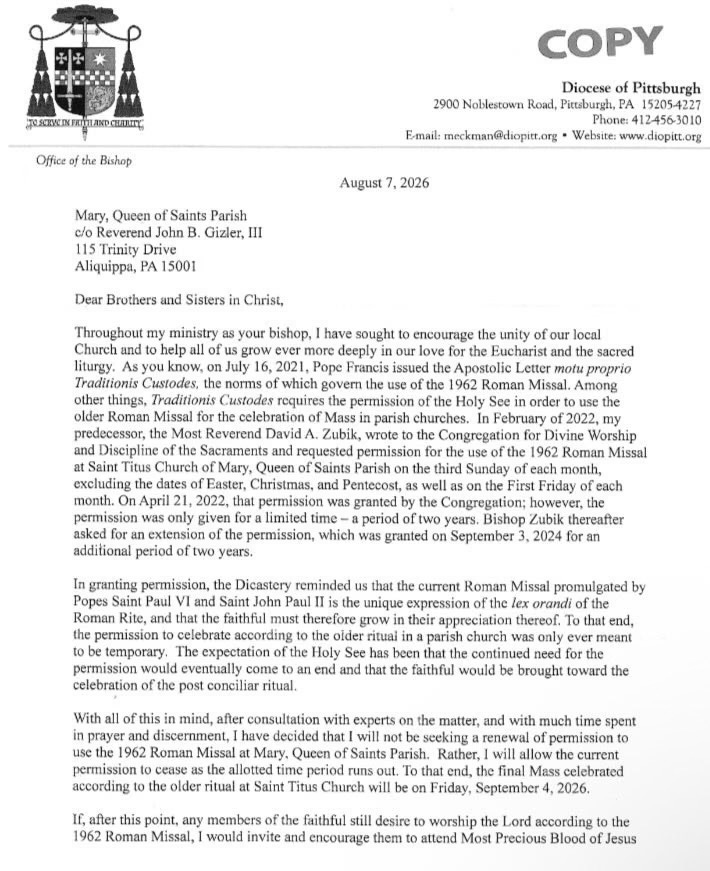
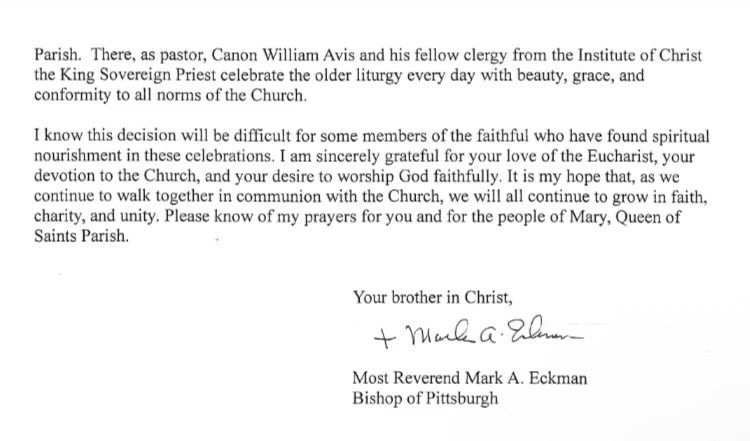
The Holy See’s expectation, he wrote, has been that continued permission for the old Mass “would eventually come to an end” and that Catholics attached to it “would be brought toward the celebration of the post conciliar ritual.”
There it is.
No allegation about a rogue priest. No financial emergency. No shortage of celebrants. No scandal in the congregation. No claim that the parishioners had rejected Vatican II. No pastoral catastrophe requiring intervention.
They simply kept wanting the old Mass.
And eventually they were supposed to stop.
Their final Mass under the 1962 Missal will be September 4.
Pittsburgh Says the Quiet Part Out Loud
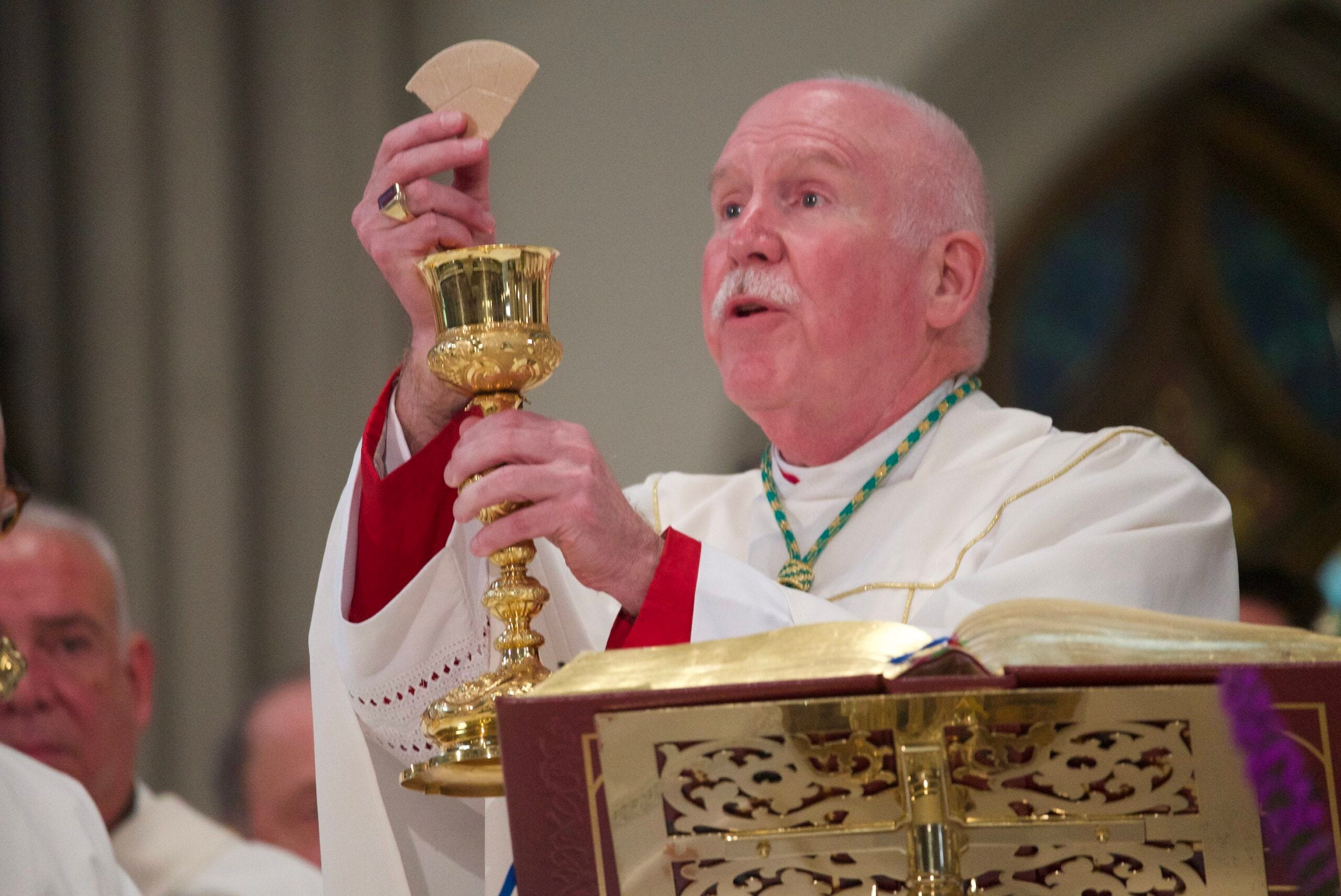
Eckman’s letter deserves more attention than another story about a Latin Mass cancellation, because he lays out the logic unusually clearly.
Francis’s Traditionis custodes declared in 2021 that the liturgical books promulgated after Vatican II constitute the “unique expression of the lex orandi of the Roman Rite.” It instructed bishops to prevent the formation of new traditional groups and ordinarily excluded celebrations under the 1962 Missal from parish churches.
The accompanying letter went farther. Francis described his objective as restoring a single form of celebration and said communities using the older books needed eventually to return to the reformed rite.
Eckman therefore invented nothing. His letter is valuable because it strips away years of soothing language about “accompaniment,” “unity,” “pastoral sensitivity” and “discernment.” The policy contains a destination. Traditional Catholics are being managed toward it.
And that changes the meaning of the permissions themselves. An exemption looks generous if one assumes the old rite enjoys a permanent place in the Church. Under the actual logic of Traditionis custodes, the exemption functions more like a tapering dose. Two years. Then perhaps two more. Review the situation. Encourage the patient toward the desired outcome.
The continued existence of the attachment becomes evidence that the treatment remains unfinished.
There is an additional detail that makes Eckman’s decision especially revealing.
Leo appointed him Bishop of Pittsburgh on June 4, 2025. In November 2025, the apostolic nuncio to Great Britain told the bishops there that Leo had no intention of abolishing Traditionis custodes but was willing to grant renewable two-year exemptions when bishops requested them. A Vatican liturgy official confirmed that such exemptions were already being granted. Leo also personally permitted Cardinal Raymond Burke to celebrate the older Mass in St. Peter’s Basilica.
That makes the Pittsburgh case worse for Eckman and more revealing about Leo. Eckman’s permission was expiring. Renewal remained possible. He declined even to ask.
Leo, meanwhile, has left intact the system that forces Catholics to ask.
This appears to be the emerging Prevost solution to the liturgical war: occasional clemency inside the Francis framework. The cage receives better management. Its door opens for selected occasions. The legal presumption remains exactly where Francis placed it.
And consider what Eckman offers these Catholics instead. He directs them to Most Precious Blood of Jesus Parish, where the Institute of Christ the King celebrates the traditional liturgy daily. That sounds charitable until one considers what the arrangement accomplishes.
The traditional Roman rite can survive in designated enclaves staffed by specialized institutes. It gradually disappears from normal diocesan parish life. Ordinary diocesan priests encounter it less frequently. Young Catholics learn that it belongs to a particular subculture rather than the common patrimony of the Roman Church.
This is preservation by quarantine.
A zoo also preserves endangered animals.
A Catholic Rite Treated as a Pastoral Pathology
Here lies a problem much deeper than liturgical preference.
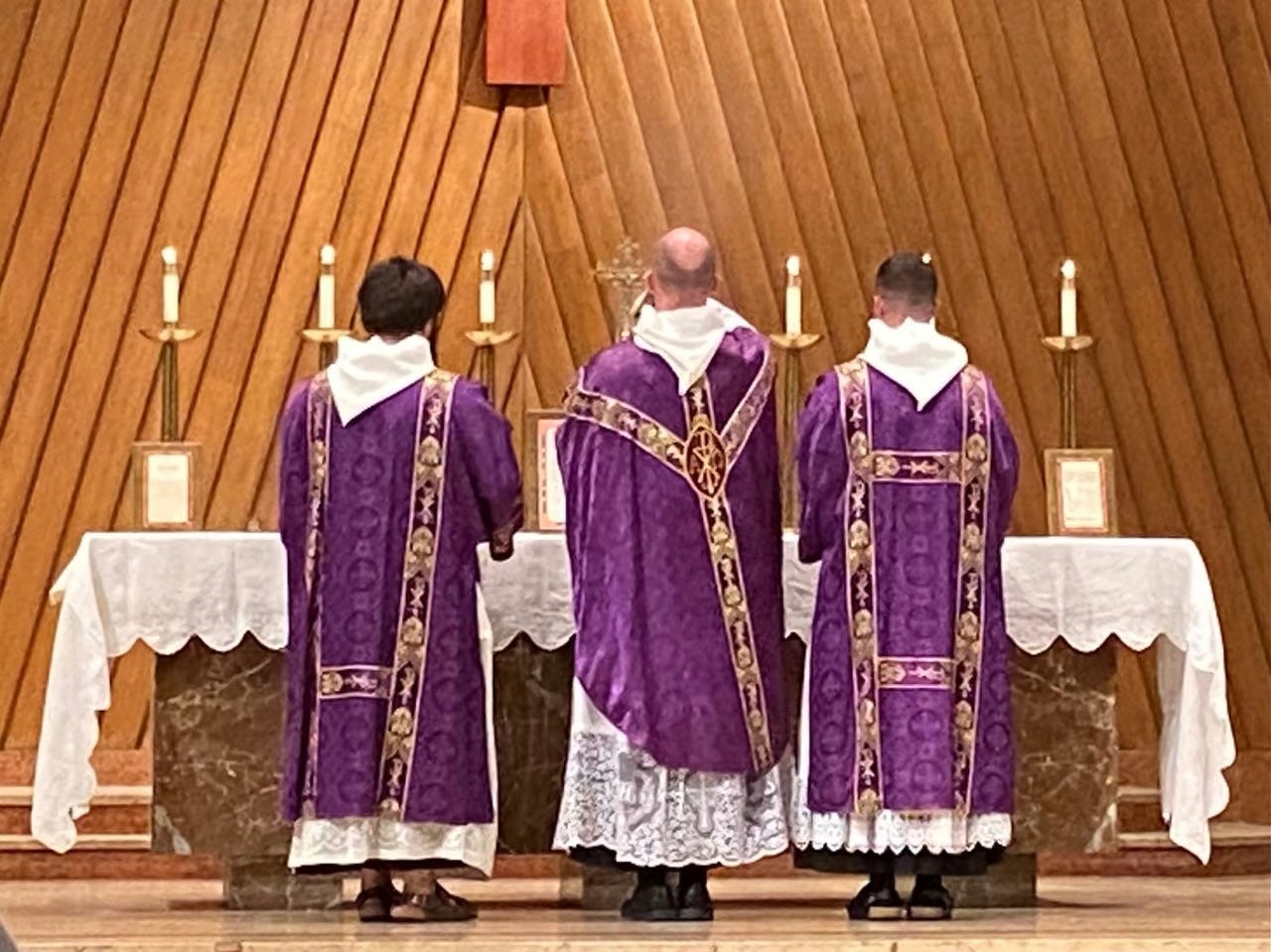
For centuries the Roman Church prayed substantially according to the rite whose final preconciliar edition appeared in 1962. Saints were formed by it. Missionaries carried it around the world. Popes offered it. Martyrs heard it.
Benedict XVI could still write in 2007 that this Missal had never been juridically abrogated.
Fourteen years later, the official premise became that the reformed books alone constitute the Roman Rite’s unique lex orandi, with continued use of the former books treated as a concession headed toward extinction.
What exactly happened to the theological reality of the rite between those two papal regimes? The books scarcely changed. The Church’s history did not change. The saints formed by that worship remained saints.
The thing that changed was administrative policy.
This is one reason the crisis becomes far more serious than an argument over Latin, lace, incense or which decade produced better hymns. A received liturgical inheritance has effectively been recategorized by governing authority as a pastoral problem.
The Church of the Poor Checks Into a Four-Star Hotel
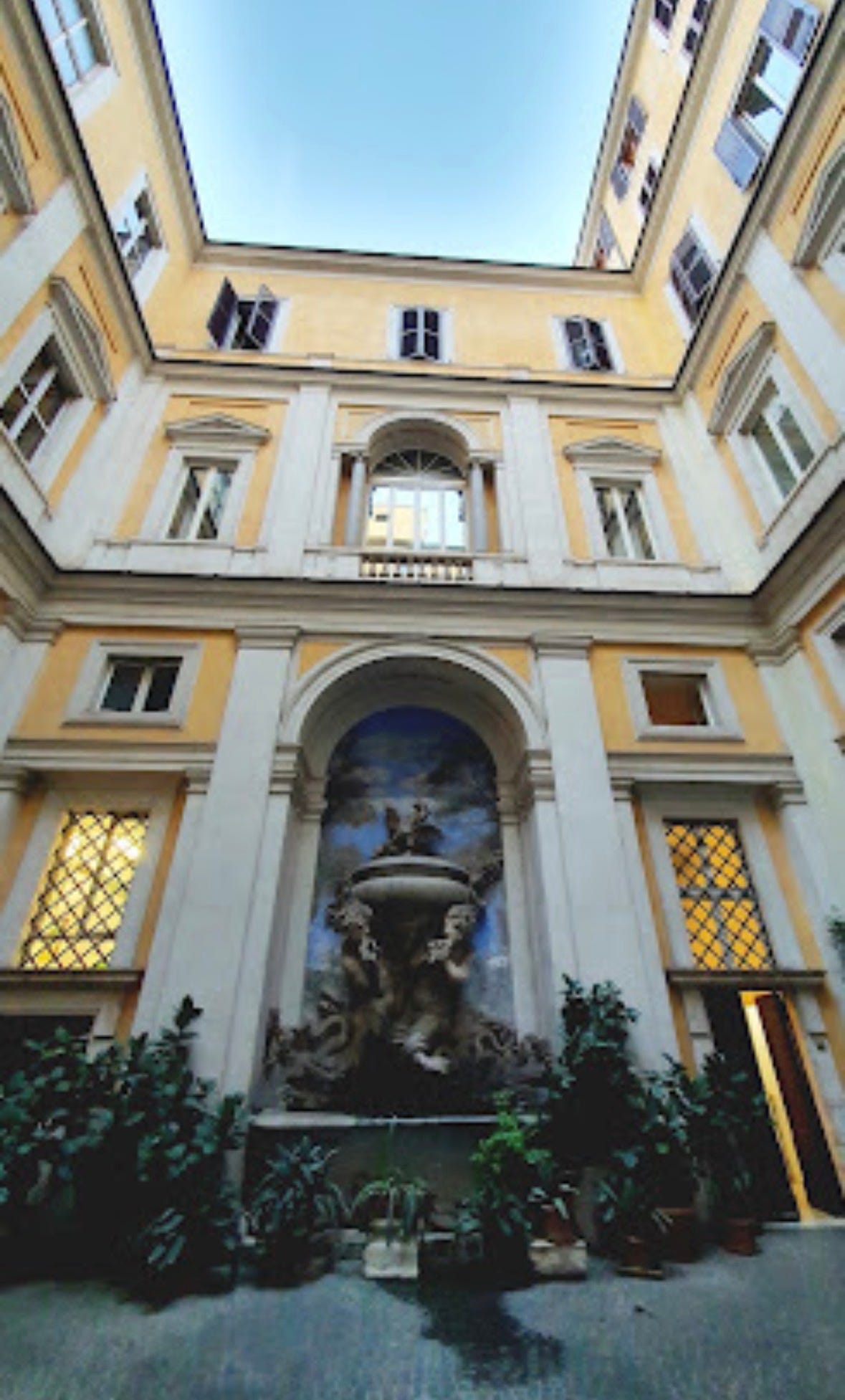
The Domus Paulus VI story would make a competent satirist feel unnecessary.
This is the building Francis returned to immediately after his election in 2013 to settle his own lodging bill, one of those episodes that helped construct the early mythology of the “poor Church for the poor”: the new bishop of Rome carrying his own suitcase, paying his own hotel bill, refusing some of the trappings associated with the papacy.
Thirteen years later, the site associated with that celebrated gesture of simplicity is being prepared for commercial exploitation as a four-star hotel.
According to reporting on the project, elderly cardinals, former nuncios, bishops and priests residing there appealed to Leo XIV to halt the conversion. The project continues. A private operator is expected to receive a long concession while the Vatican collects an estimated €5 million annually.
APSA’s own 2025 financial report describes a patrimony with net assets of €2.686 billion. Its real-estate operations produced €44.5 million in results during the year, and APSA is pursuing a 2025–2027 strategy of disposing of properties considered non-strategic and reinvesting capital in assets offering higher returns.
So we should dispense with the sentimental explanation that this is simply a desperate Church trying to keep the lights on.
It is asset management.
A property once dedicated to housing churchmen is judged according to its economic potential. Its value can be “enhanced.” Its function can change. Fifteenth-century walls can enter a twenty-first-century portfolio strategy. A thirty-year relationship with a commercial operator presents no theological crisis.
Yet Catholics asking to continue the worship handed down to them require renewable exemptions.
That is where the story becomes interesting.
Rome proves perfectly capable of distinguishing an ancient building from its present use. A historic ecclesiastical property can acquire an entirely new purpose whenever administrators see sufficient benefit.
With the Roman liturgy, continuity suddenly becomes dangerous. A residence can become a hotel. A Mass must become a museum piece.
And then comes Medjugorje.
Medjugorje Gets the Mercy Tradition Never Receives
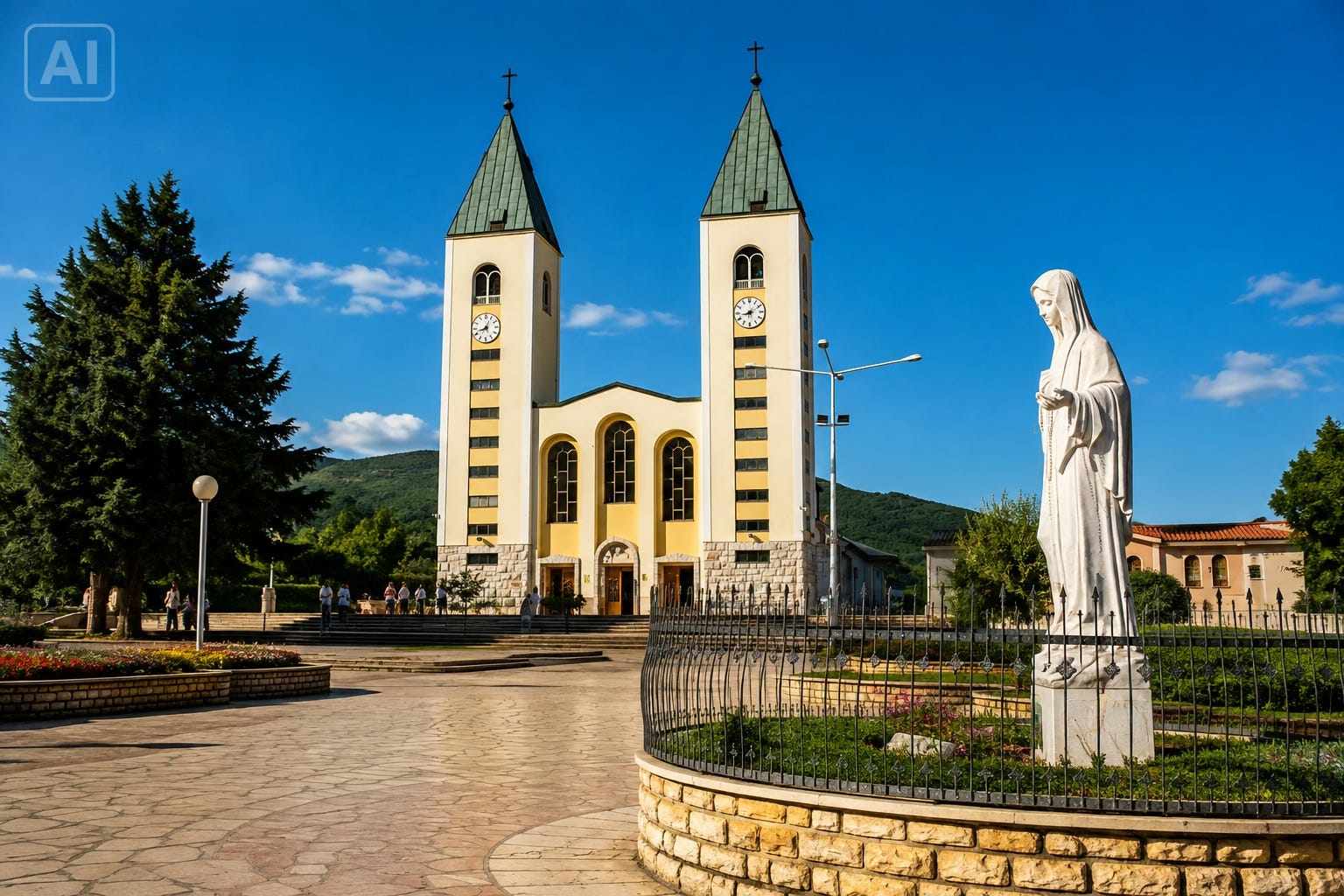
Italian journalist David Murgia dropped an extraordinary piece of information on August 6.
According to documents he says record a confidential 2016 consultation within the Congregation for the Doctrine of the Faith, thirty-three officials submitted written vota after reviewing the Ruini Commission’s work on the alleged apparitions at Medjugorje.
The reported tally was striking:
Twenty-one chose constat de non supernaturalitate — a judgment against supernatural origin.
Nine favored supernatural origin.
Three chose the unresolved category.
Murgia has published the names of the thirty-three participants, although he has not attributed individual ballots to particular churchmen. The leak remains unofficial. However, if the documents are authentic, nearly two-thirds of those consulted favored a negative supernatural judgment.
Something else makes Murgia’s report harder simply to dismiss.
Francis himself publicly confirmed in 2017 that the CDF had serious doubts about the Ruini Commission’s work and wanted the material considered further. He disliked that procedure and asked that the various opinions instead be sent directly to him. He simultaneously praised the Ruini report’s work on the earliest alleged apparitions while expressing his own skepticism toward the continuing claims — especially the idea of Our Lady appearing according to a predictable schedule and delivering messages.
So even without accepting every detail of the leak, the broad institutional conflict was already publicly established by Francis himself. Then came the decisive move. Rome never declared the Medjugorje apparitions supernatural.
Instead, in September 2024, the Dicastery for the Doctrine of the Faith issued a nihil obstat permitting and encouraging the spiritual experience associated with Medjugorje because of its perceived pastoral fruits. The document explicitly stated that this permission carried no declaration of supernatural origin and imposed no obligation on Catholics to believe in the apparitions. Francis approved the Note the previous month.
That procedural maneuver deserves to be studied for years. The central question used to be straightforward: Did the Blessed Virgin Mary appear? The modern Roman solution permits another question to govern practical policy: Does something spiritually useful happen there? That is a profound change in ecclesiastical epistemology.
A disputed apparition can exist inside an officially cultivated zone of ambiguity. Rome can acknowledge questionable messages, decline to authenticate the alleged supernatural events, allow pilgrimages and devotion, and emphasize good fruits.
The traditional Roman liturgy receives a very different treatment. No one needs to investigate whether it actually exists. No commission must determine whether St. Pius V promulgated it. No visionary’s credibility needs examination. No bishop has to establish that it produced saints. Its Catholic provenance is beyond dispute.
Yet attachment to that certitude receives less institutional patience than attachment to an apparition whose supernatural origin, according to Murgia’s leaked tally, was rejected by twenty-one of thirty-three CDF consultees.
That inversion may be the most revealing thing in all four stories.
Ambiguity protects Medjugorje. An exit strategy governs the old Roman rite.
Novelty needs enough pastoral fruit to remain useful.
Tradition must continually demonstrate why it deserves to remain alive.
Rome Has Developed an Extraordinary Tolerance — in One Direction
Then came today’s Vatican personnel announcement.
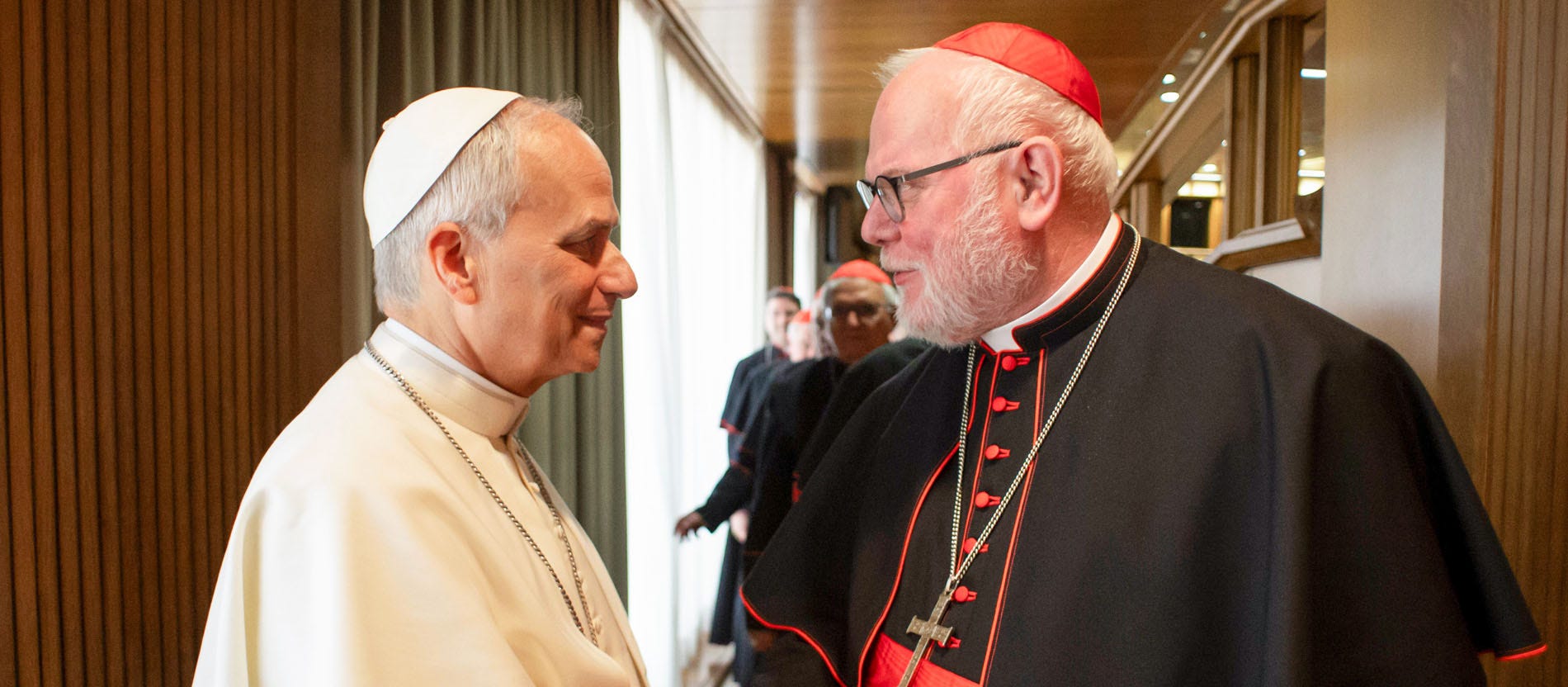
Leo XIV appointed eight new members to the Council for the Economy and reconfirmed Cardinal Reinhard Marx as its coordinator. The new cardinal members are Grzegorz Ryś, Ladislav Nemet, Jean-Paul Vesco and Roberto Repole. Marx remains at the head of the body, with Charlotte Kreuter-Kirchhof continuing as vice-coordinator.
In 2022 Cardinal Marx publicly called for changes in Catholic teaching on homosexuality, argued that the Catechism could be questioned, and disclosed that he had personally blessed a same-sex couple years earlier. The perennial teaching Marx was discussing is equally obscure to no one: the Catechism teaches that homosexual acts are contrary to the natural law and cannot be approved.
One of Leo’s new Council members, Cardinal Jean-Paul Vesco of Algiers, went considerably further in a preface published this year. Vesco argued that homosexual orientation should be understood within the “order of creation” rather than the category of disorder and presented Fiducia supplicans as possessing pastoral and ultimately doctrinal significance. Some reports have gone farther and placed every newly appointed cardinal under the same “pro-homosexual” label.
A cardinal can publicly demand revision of Catholic sexual teaching and remain sufficiently trusted to coordinate one of the Holy See’s highest financial supervisory bodies. Another cardinal can write theology tending toward a fundamental reconceptualization of homosexual orientation and receive a new Vatican appointment.
Catholics in Aliquippa who want the Mass their grandparents knew receive September 4.
This is what makes endless appeals to “unity” increasingly surreal.
Apparently unity possesses tremendous elasticity when theologians, cardinals and episcopal conferences press against inherited moral teaching.
Liturgical continuity strains it beyond endurance.
The Real Dogma Is Direction
These stories look unrelated if each is placed in the ordinary Catholic-news box.
Real estate.
Liturgy.
Private revelation.
Vatican appointments.
Put them beside one another and a governing principle emerges. The postconciliar establishment is remarkably tolerant of movement so long as the movement travels in the approved historical direction.
A clerical residence becoming a commercial hotel can be described as responsible stewardship. A disputed apparition can remain pastorally fruitful without Rome answering the factual question at its center. A cardinal can question settled moral formulations and continue holding positions of extraordinary trust.
A liturgy inherited from the Latin Church’s ancestors must demonstrate repeatedly why it should receive another two years.
The hierarchy operates with different burdens of proof.
The old receives suspicion because it possesses the dangerous quality of completion. It can stand on its own. Its continued flourishing raises an embarrassing possibility: perhaps Catholics never needed the radical liturgical rupture imposed upon them in the first place.
The novel receives room because it points forward. Its ambiguities become opportunities for dialogue. Its contradictions become tensions. Its failures require accompaniment. Its proponents need additional listening.
Traditionalists receive deadlines.
This explains a great deal about the last sixty years that isolated arguments over individual documents never quite capture.
The animating dogma is directionality.
What advances the postconciliar project enjoys enormous elasticity.
What calls that project into question eventually encounters administrative force.
The Question Becomes Harder to Laugh Away
Catholic ecclesiology teaches indefectibility. The Church Christ founded may endure corrupt prelates, wicked popes, dreadful administrators, scandals and periods of extraordinary confusion. Yet the Church cannot become an engine for destroying the faith she exists to transmit.
That creates the central problem of the postconciliar era. How long can Catholics explain the pattern as a succession of unfortunate prudential judgments? At what point does the direction itself become evidence?
Recognize-and-resist traditionalism has generally answered by drawing boundaries around papal authority: acknowledge the office, resist destructive commands, preserve what was handed down, wait for restoration.
That approach can explain a bad pontificate. It becomes harder to stretch across generations.
Paul VI promulgates the new rite. John Paul II protects fragments of the old rite as concessions. Benedict briefly recognizes that the old Missal was never abolished and gives it broader freedom. Francis reverses Benedict and explicitly sets the destination as liturgical uniformity. Leo leaves Francis’s legal architecture standing while administering it more gently.
The trajectory survives the personalities.
That is precisely where critiques gain their force. Their question concerns more than whether Francis was rude, whether Leo is cautious, or whether some bishop in Pittsburgh lacks pastoral sensitivity.
They ask what kind of ecclesiastical authority can systematically place inherited Catholic goods under suspicion while granting extraordinary latitude to forces pressing against inherited Catholic doctrine.
A Catholic can reject their canonical conclusion and still owe them an answer.
Because “bad governance” eventually becomes a thin explanation when the governance is coherent.
Leo’s Moderation May Make the Problem More Difficult, Rather Than Less
Leo presents a particularly interesting case. Francis often made the rupture easy to see. His rhetoric was impatient, his gestures theatrical, his contempt for traditional Catholics frequently undisguised.
Leo is more careful. He permits Burke’s traditional Mass in St. Peter’s. He reportedly allows renewable dispensations. He speaks about healing wounds. He avoids some of Francis’s gratuitous antagonism. And yet Traditionis custodes remains law.
The premise remains that Catholics celebrating the received Roman liturgy in an ordinary parish church require an exemption from Rome. That is why Pittsburgh is key. Leo did not personally order Eckman to close St. Titus’s traditional Mass, so far as any public evidence shows.
He appointed the bishop who chose to do it. He inherited a legal system designed to make these Masses disappear. He has declined to dismantle that system.
For traditional Catholics tempted to build an entire ecclesiology out of warmer gestures from the current occupant of Rome, those distinctions are important.
A velvet glove can operate the same machinery.
Read the Paperwork
There is a temptation during a Church crisis to search constantly for a single decisive outrage: the photograph so scandalous, the quotation so heretical, the appointment so grotesque that everyone will finally understand.
The deeper evidence is less cinematic. It appears in property reports. Thirty-year concessions. Two-year dispensations. Personnel bulletins. Confidential vota. A bishop’s polite letter to parishioners. The Vatican’s 2025 financial report says which assets should produce higher returns. The 2024 Medjugorje Note shows how doctrinal uncertainty can be made pastorally workable. Today’s personnel bulletin shows which churchmen remain welcome at the center of Roman governance. And Mark Eckman’s letter tells Catholics in Pennsylvania exactly what the old Mass is supposed to do.
For all the talk about pluralism, synodality, accompaniment, listening and walking together, Rome has become remarkably clear about one inheritance.
The Catholics attached to it are expected eventually to move on.
The remarkable thing is that they keep refusing.
And perhaps that stubborn refusal explains why a Mass that supposedly belongs to the past still frightens men who claim to own the future.
If you value independent Catholic analysis and want to help keep this work going, you can make a contribution or subscribe below. Every donation and subscription directly supports the writing, research, and production of Hiraeth in Exile.
Thank you for helping preserve independent Catholic journalism rooted in truth and tradition.
Comments
Nothing yet. Say the first thing.
Sign in to join the conversation.