
I’m writing from a New York City hotel, where we’ve been snowed and sleeted in for a day and watching the horrors of Minneapolis unfold. On Sunday, Tom and I slipped our way through mashed potato-y snow to take in a retrospective of the Japanese artist Ruth Asawa. She was held in an Arkansas Japanese internment camp during World War II, only to emerge and become one of the 20th century’s greatest artists, including a masterpiece she sculpted as a memorial to those interned
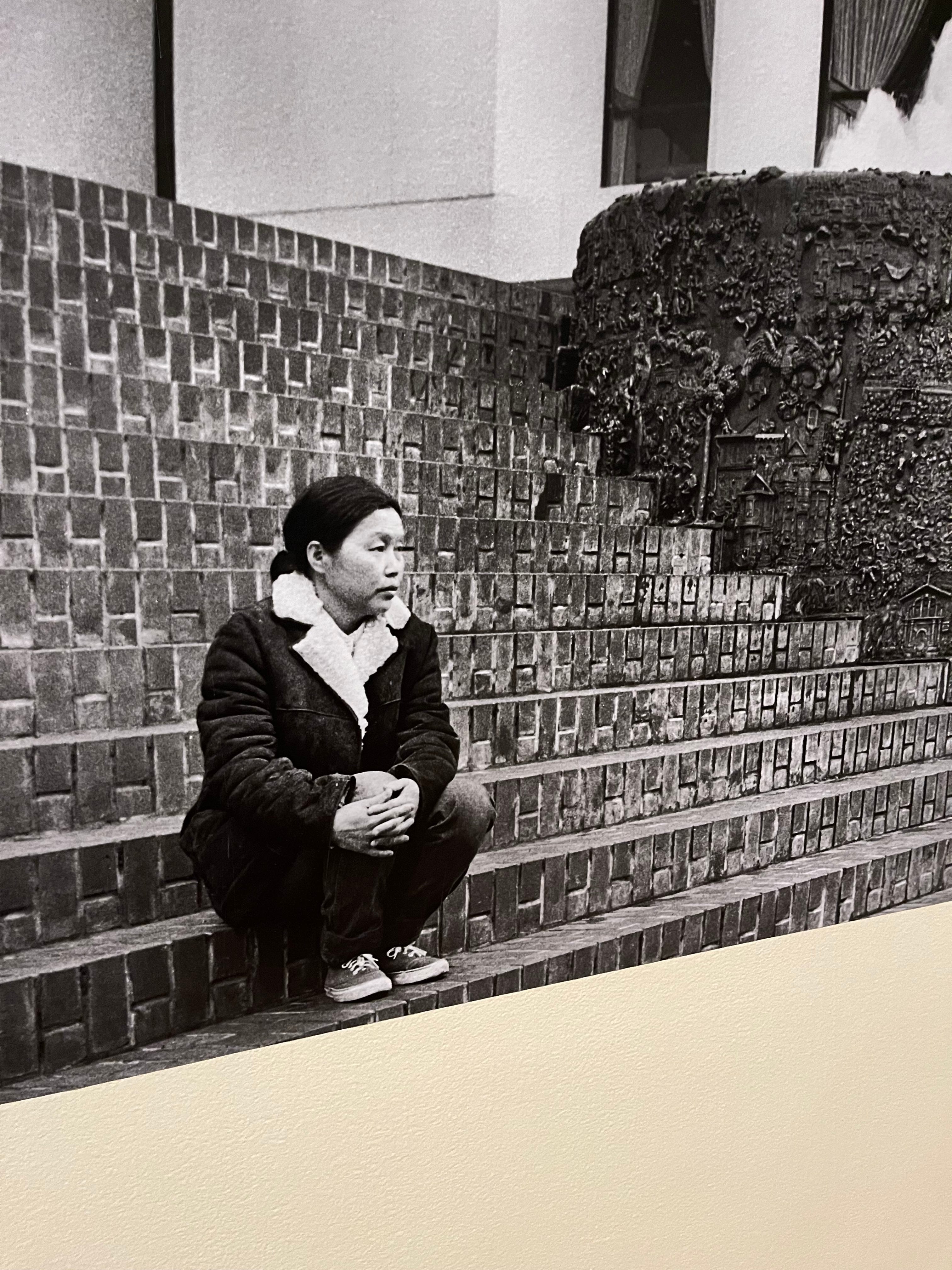
As sleet pinged on the MoMA windows, the parallels to Minneapolis were stark: people ripped from their homes, state-sanctioned murder, children being used as live bait, the education and liberties of children like Asawa interrupted. Asawa (1926-2013) emerged from the horrors of detention to create art that honored her community, often inviting her neighbors to participate in her projects.
Asawa’s work reminded me of a helper network called Rise Above I’d recently observed in Pulaski, Va., an Appalachian city hit hard by the one-two punch of offshoring and overdose deaths. Once a humming furniture town, Pulaski and the surrounding New River Valley suffer from a dearth of resources for addicted people seeking treatment and harm-reduction services. Most participants (roughly 70 percent) are housing-insecure and sleep in tents, on friend’s couches or in trap houses.
Pulaski has no shelters for people who are unhoused, so when people get out of jail, often a trap house—a ramshackle place where drug users frequently converge—is the only place where they can find refuge from the elements. At one recent Rise Above stop outside a trap house, more than 20 people emerged to get clean needles and wound-care kits.
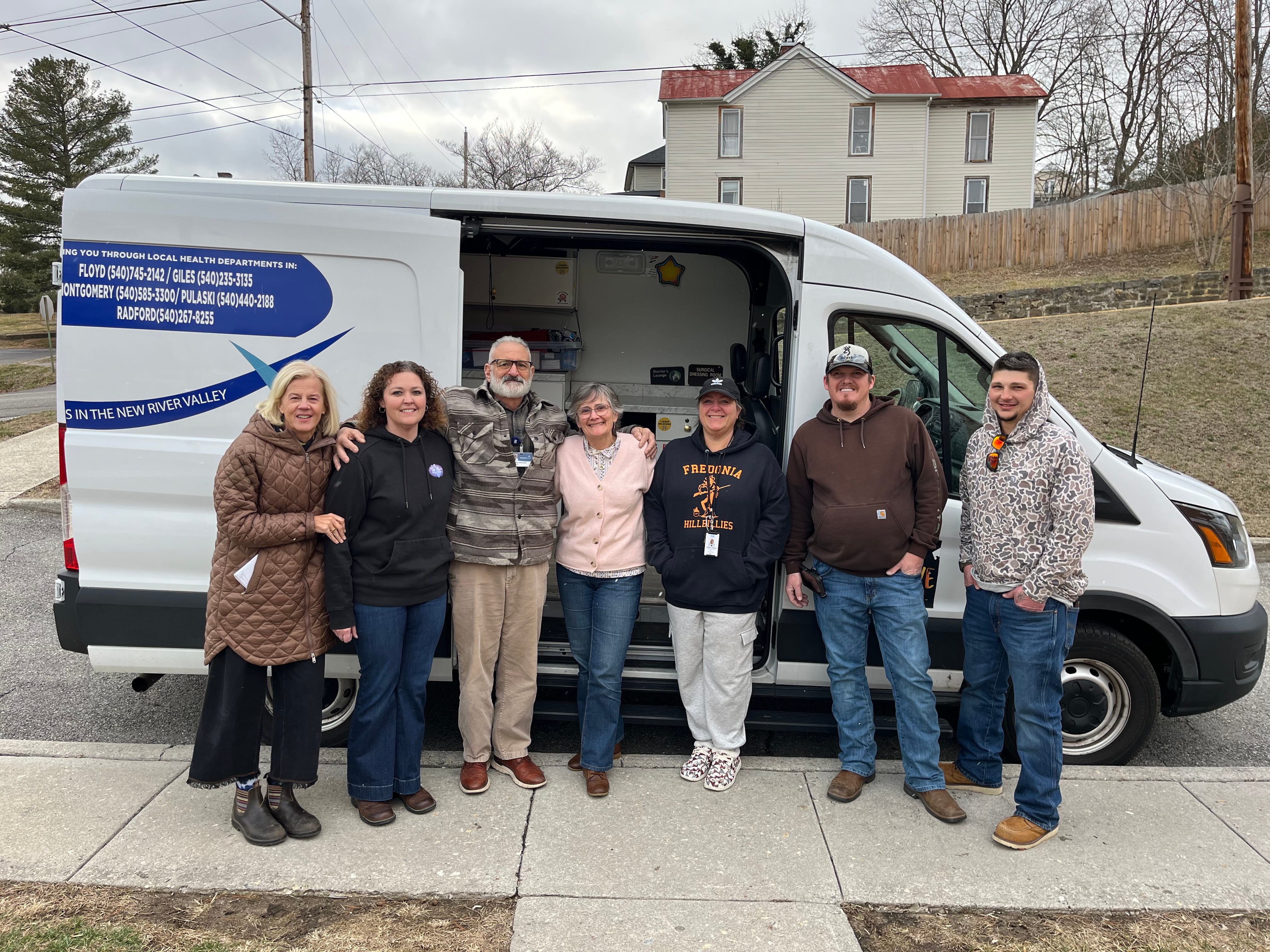
And yet, as in Asawa’s work, beauty has begun to emerge from generations of pain. New River Health District director Dr. Noelle Bissell has created the state’s first VDH street medicine team—a pair of men in recovery who visit area trap houses, offering safe-use supplies and, when participants are ready, connections to care and treatment for Hepatitis C. Adding to the services, pharmacist Charlie Tarasidis sits on the steps outside the health department on Thursday afternoons, inviting people to partake in evidence-based care, including medication-assisted treatment.
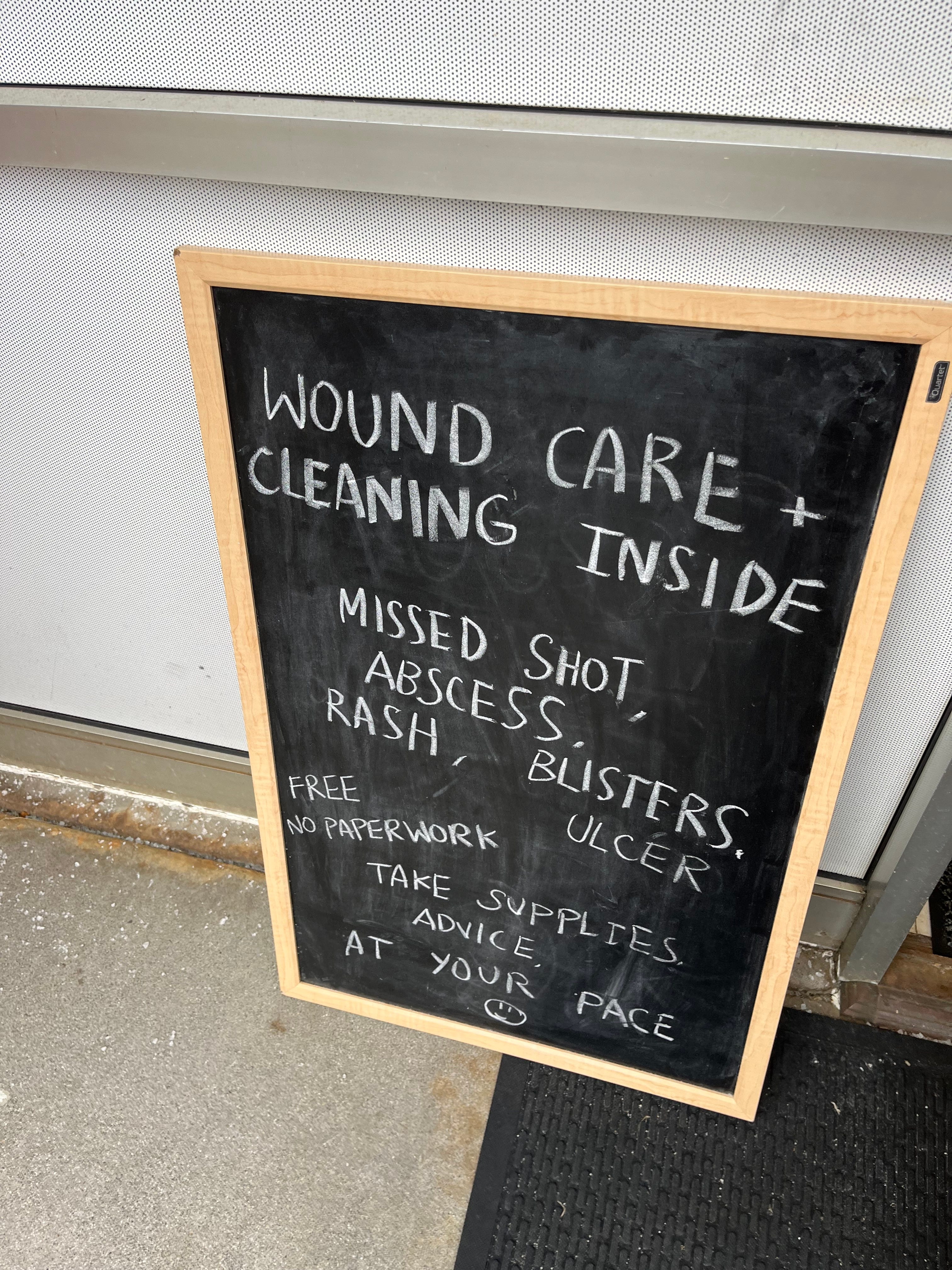
“We’re in the Bible Belt, where people will say, ‘God can fix everything.’ But sometimes he needs a little help from us,” Tarasidis said.
“Our ultimate goal is to break stigma and to get supportive housing,” Bissell added. “You can’t fix people until they have stable housing.”
In the two years since Rise Above began, regional overdose deaths have dropped, down 43 percent in 2024 from 2023; Bissell says nonfatal overdoses are likely still high though largely unreported because of stigma or fear of arrest. Roughly a dozen participants have stopped using illicit drugs altogether and now take medication-assisted treatment, paid for by opioid settlement monies.
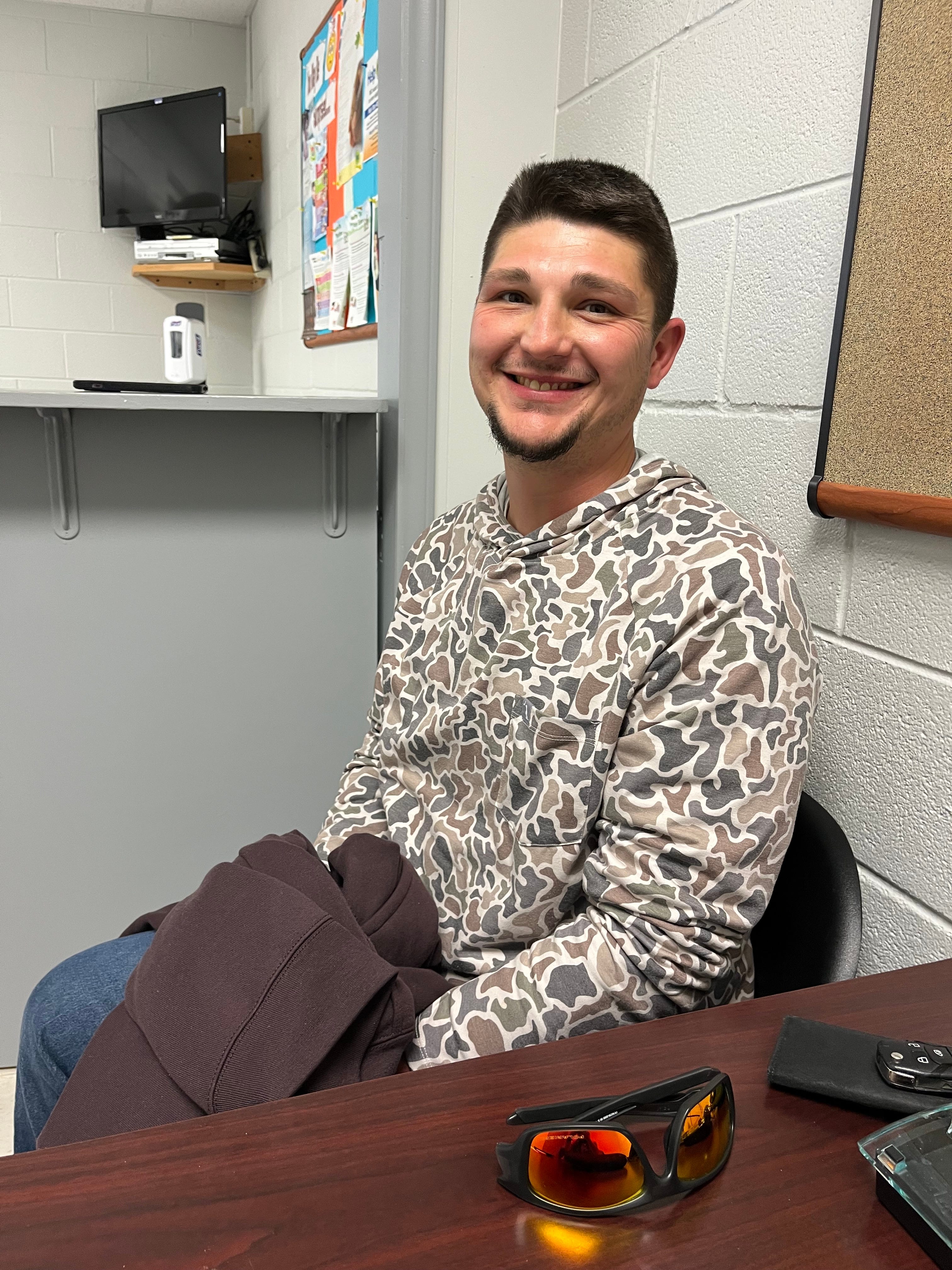
“People go from shooting fentanyl 15 times a day to switching to just meth, then stepping down to Suboxone,” said peer specialist Devin Perdue. “Small steps create huge change.”
Many are former furniture workers, or people who once made truck parts for Volvo in Dublin—people who used to live in homes but now couch surf in trap houses, of which Rise Above staffers say there are 50 in Pulaski alone.
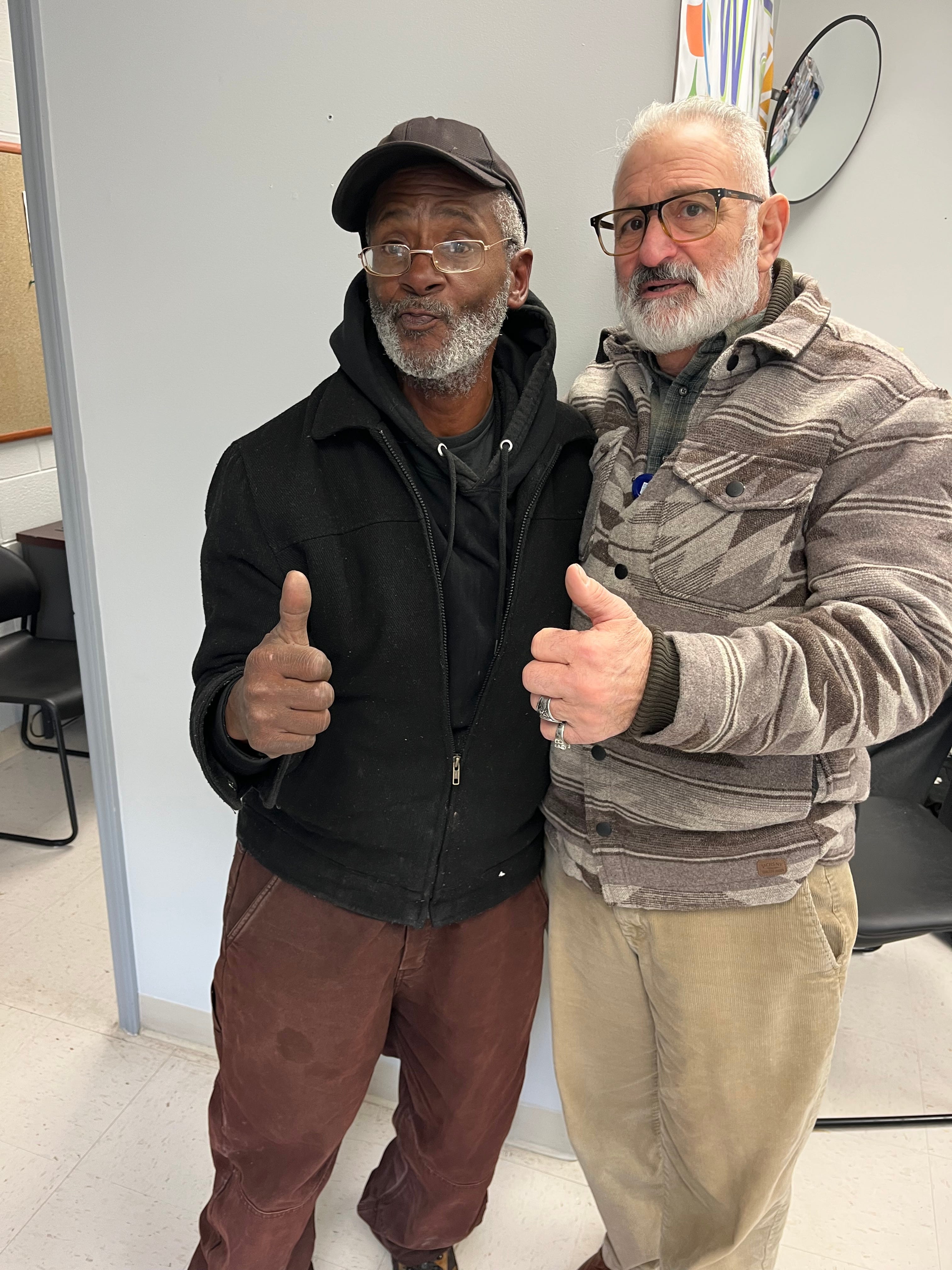
Perdue, who helps man the van, was 14 when his father introduced him to drugs. His dad, first addicted to pain pills, had just emerged from prison on drug-related charges and offered him his first 40-milligram OxyContin.
Perdue, now 36, eventually contracted endocarditis, necessitating heart surgeries and the partial removal of four fingers. He’s been sober now for six years, is married to another peer specialist, and they are benefits-free. So is Josh Talbert, his work partner on the outreach van, now in recovery for 11 years and a homeowner who is married to a nurse.
Bissell hopes New River Valley leaders will consider adopting something similar to the wildly successful shelter model that officials toured in Harrisonburg, called the Navigation Center, where community services are brought to participants, from sexual assault services and domestic-violence therapy to addiction care. “These folks don’t need inpatient treatment; they just need ongoing support,” she said.
Last year, the New River van provided 75,000 syringes, collected almost as many used needles, and handed out enough Narcan to reverse 217 overdoses. Eight participants have died since the inception of the program, which serves 500 people in the New River Valley. Fourteen pregnant women have been connected to prenatal care
“People are still using with their parents,” Perdue told me. “And some are homeschooling because they’re scared of getting truancy charges,” a scenario I encountered while reporting my most recent book, Paper Girl.
With plans to drop more than 350,000 Virginians off Medicaid rolls—diabolically timed after the midterm elections this fall—addicted people, and men in particular, could lose their only means of help. Local addiction doctors Jen Wells and Kim Simcox say many of their patients are, like Perdue, second- or even third-generation victims of a scourge that began with OxyContin over-prescribing and morphed into heroin, then fentanyl and often meth.
“None of my patients can eat oatmeal, take 10,000 steps and eat a turkey sandwich for lunch,” Wells said. “The only way we get them healthy is through access to housing and healthcare.
“Addiction is not going away; it’s a generational genetic disorder.”
Unless we fight back against Trump’s forthcoming cuts to Medicaid and other programs that are critical lifelines for the working class, including those with substance use disorders, more patients will be forced to use emergency rooms for care, a cascade of humanitarian and financial harm that will impact everyone.
“Sometimes good comes through adversity,” as Asawa put it—but only when people work to give God a little help.
HOW TO HELP THE HELPERS
IN MINNEAPOLIS: Donate to Monarca, a coalition network that provides training and resources to community members who want to understand their rights and support immigrants.
Donate to the Women’s Foundation of Minnesota’s Immigrant Rapid Response Fund, a philanthropic effort that provides “fast, community-informed funding to trusted organizations responding on the ground.”
And here is a great curated list of resources, actions, mutual aid, and nonprofits you can forward.
IN ROANOKE, for those who want to help, here’s a reminder that Roanoke Asylum-Seekers Support Network, an all-volunteer nonprofit, is still collecting donations to help pay the rents of immigrant asylum seekers in need and to help families with legal fees. According to its coordinator—whom I’m not naming due to fear of reprisals—the average legal appeal costs $4,000. Last year RASN donated more than $135,000 in mutual aid for local immigrant families. Reach out to me here if you have local day jobs for the group’s clients—thanks to several of you who already have—or if you can help drive folks to immigration hearings and check-in appointments. Checks to RASN can be mailed directly to RASN at P.O. Box 3071, Roanoke, VA 24015
Reminder that DoGood Virginia still collects food at Monday rallies outside our No Show Congressman Ben Cline’s office, noon to 1 p.m. at the intersection of Jefferson Street and Franklin Road. Volunteers then deliver the food to pantries, which are thinning due to USDA and food-stamp program cuts voted for by Republicans like Cline.
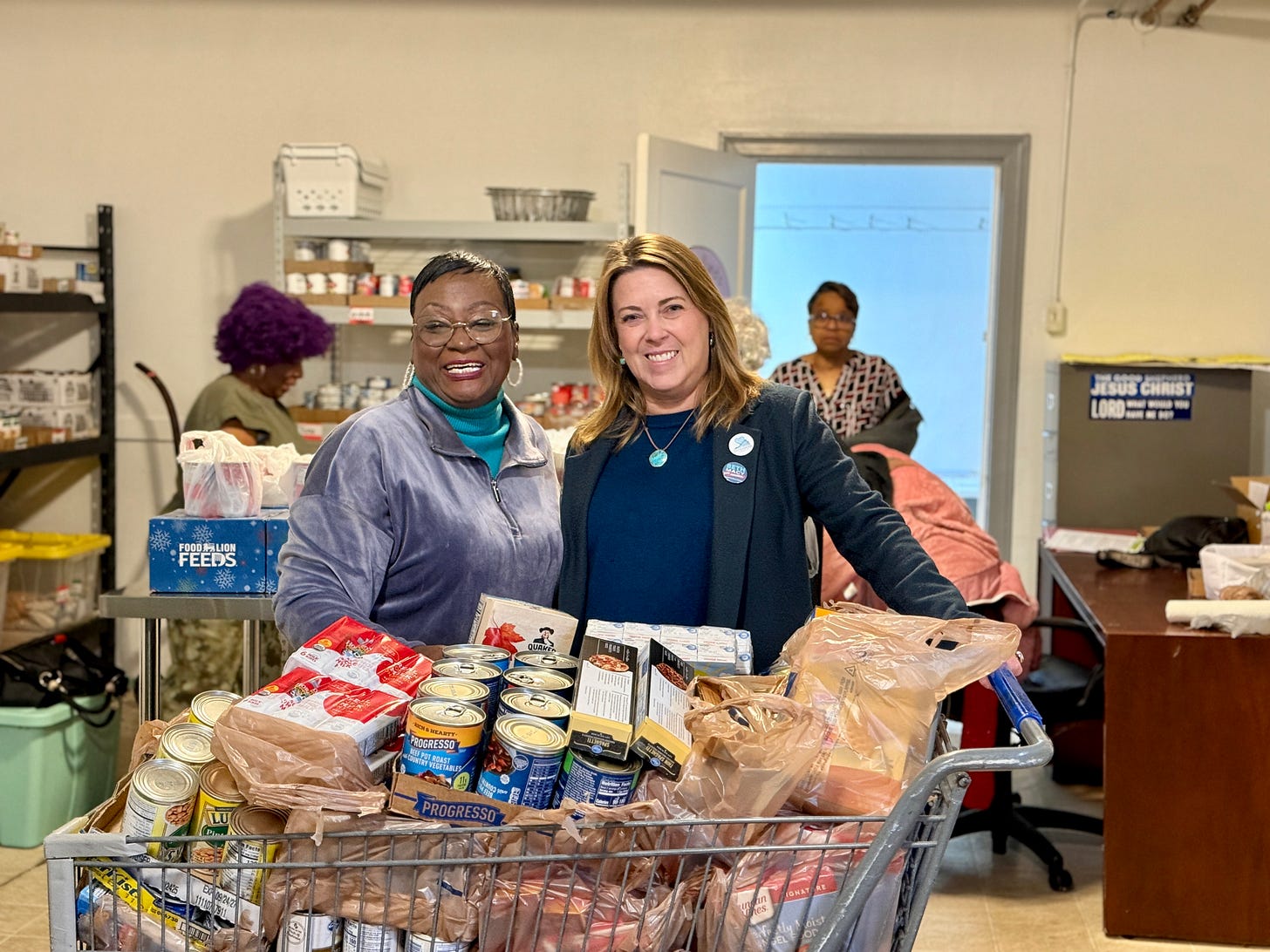
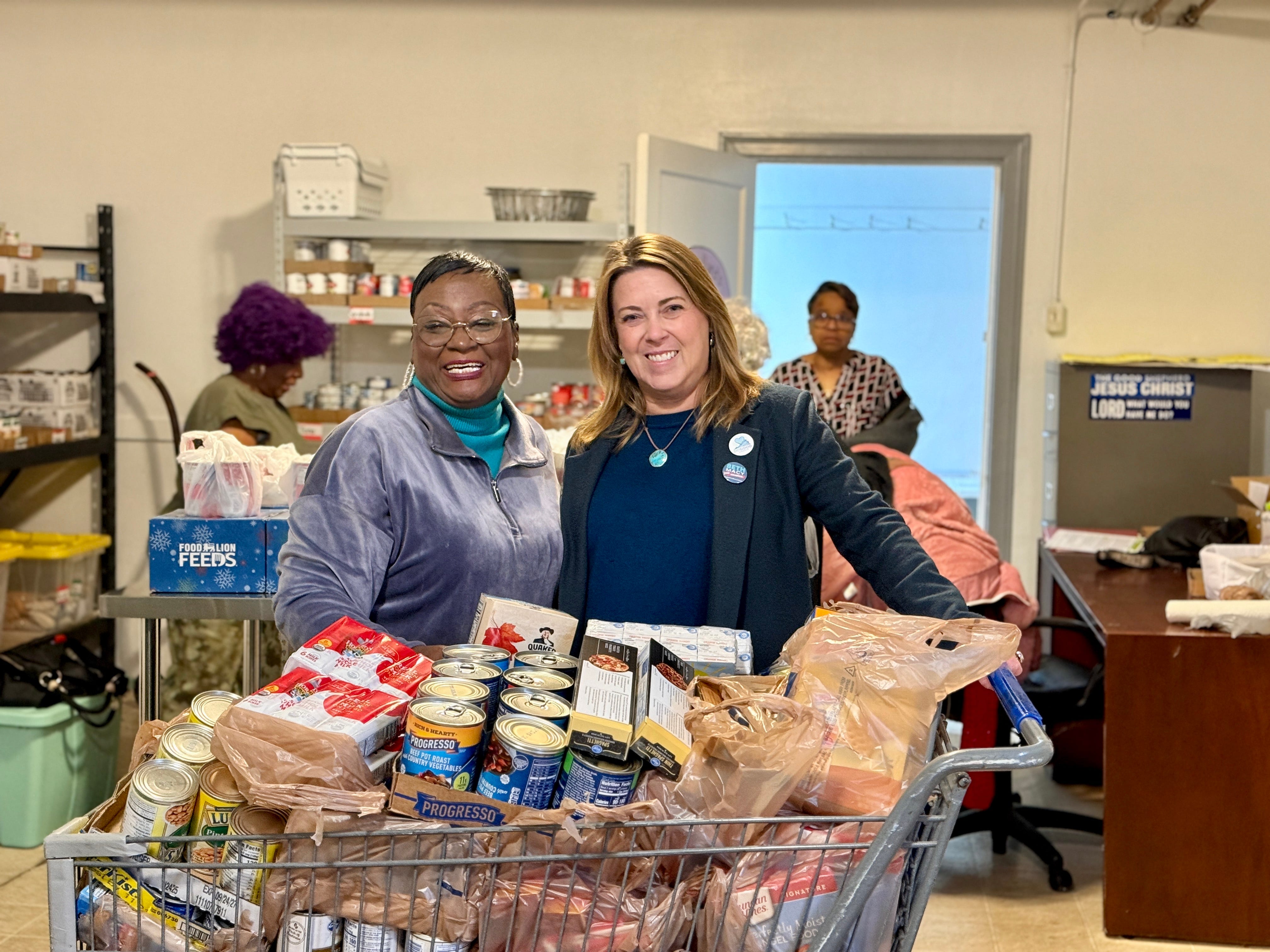
Rev. Amy Hodge of Mt. Zion AME Church in Roanoke said DoGood Virginia pantry staples, delivered by Meredith Roller (right), helped feed 47 people at last week’s pantry, which is open from 11 a.m. to 1 p.m. on Fridays. .
No posts
Comments
Nothing yet. Say the first thing.
Sign in to join the conversation.