
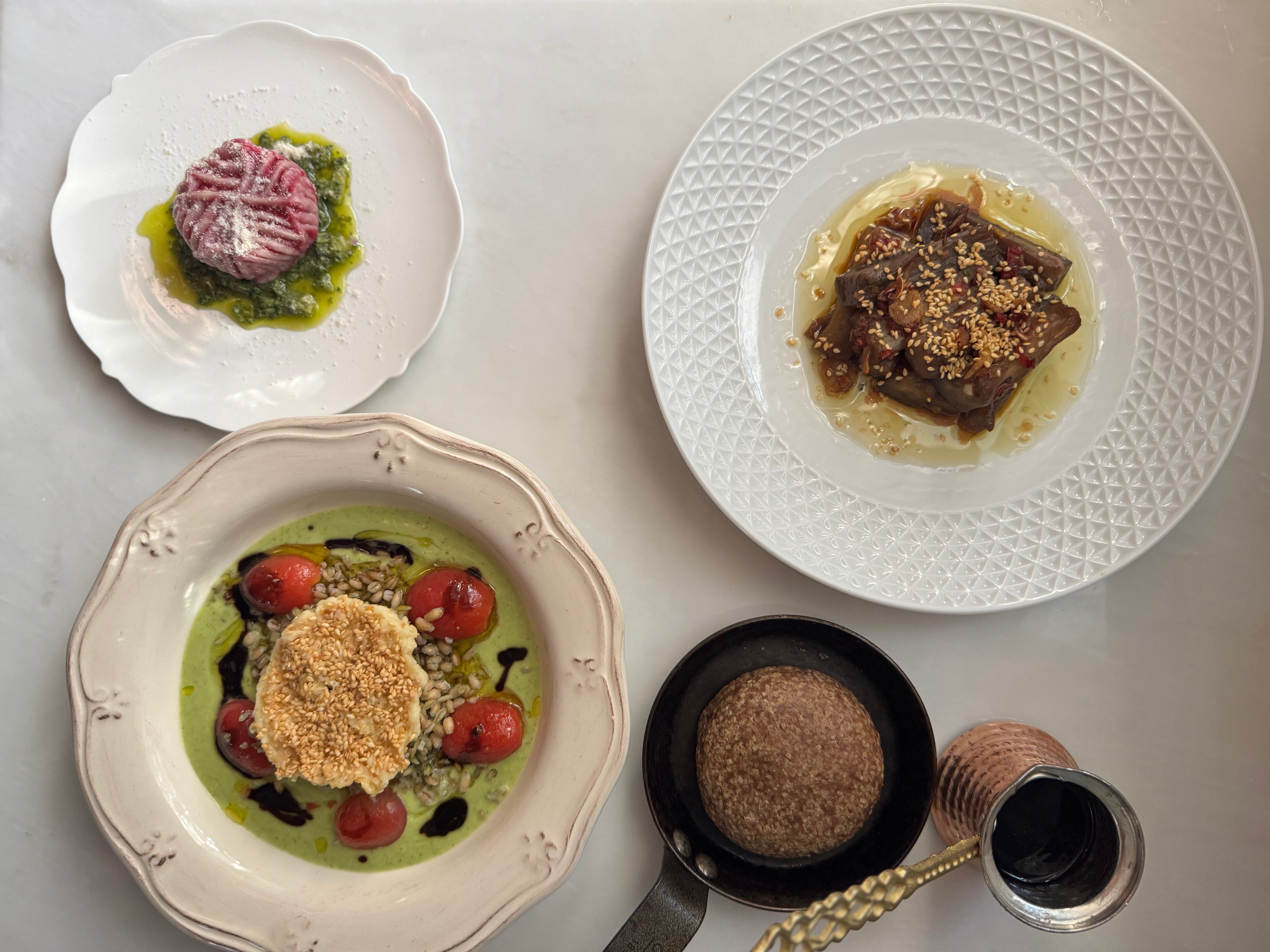
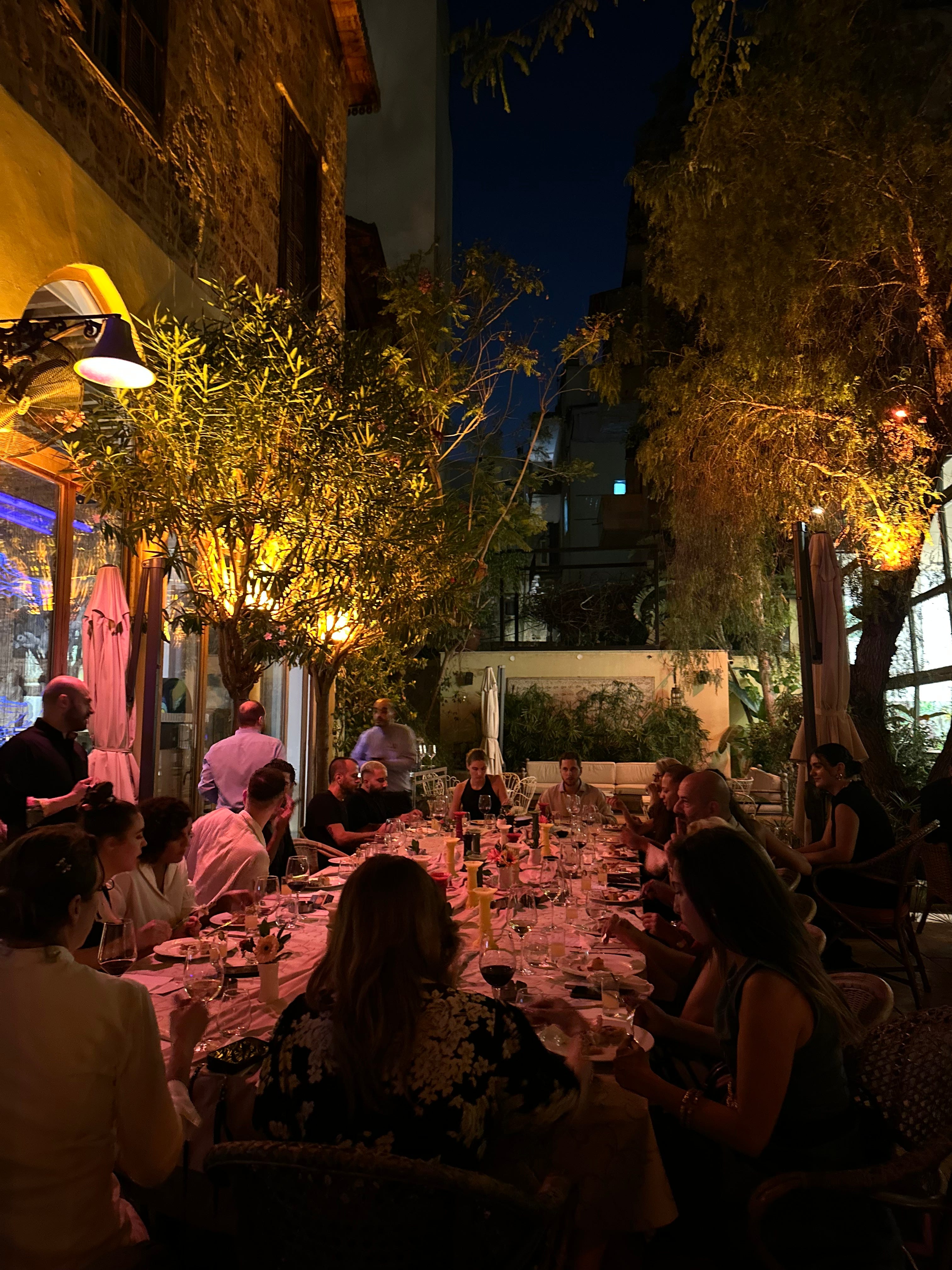
ÈDN Table: CITY has come to a close, marking the end of our first chapter.
ÈDN Table is an evolving series of immersive dining experiences that uses food as a lens through which to explore the intertwined histories, ecologies and cultures of West Asia, North Africa and Southern Europe through the Meso-Mediterranean framework.
For some time, I have found myself constrained by the existing vocabulary we use to describe our food culture(s). National and commercial culinary labels all serve a purpose, but their purpose is to define, reinforce and legitimise modern boundaries than illuminating the layered histories, relationships and continual evolution that have shaped them over millennia.
"Mediterranean cuisine", for example, has become commercial shorthand for olive oil, tomatoes, Greek salads and Italian pasta. Meanwhile, regional descriptors such as WANA or Bilad al-Sham, both of which I use in the appropriate context, remain geographically or historically bounded. The same is true of terms like "Middle Eastern", “Levant”, “Levantine”, or “Mashriq” (which I’ve delved into here and here) and "Arab", a descriptor that reflects only one layer within a far older and more complex culinary continuum, and one I explore in greater depth in an upcoming monograph.
The challenge is not simply that these terms are imperfect or contested. It is that they were developed to describe geographies, identities or political realities, whereas I am attempting to understand a historical system. None fully articulates the long interplay of terroir, ecology, migration, trade, empire and exchange that linked the Eurasian Steppe, Mesopotamia, West Asia, North Africa and the three continents that kiss the Mediterranean. Rather than replacing one label with another, Meso-Mediterranean offers a different unit of analysis. It privileges relationships over borders, historical continuities over modern categories, and synthesis over ownership.
Meso-Mediterranean is not a place, nor an identity to be claimed. It is a way of seeing.
The term does not refer to a static place on a map. It is an analytical framework for understanding the cuisines of a region stretching from the Eurasian Steppe to the shores of the three continents that kiss the Mediterranean as an interconnected historical continuum.
Rather than beginning with the nation-state, a relatively recent historical construct, it begins with the deeper forces that shaped cuisine: geography and terroir, ecology, migration, trade, empire, and the continuous movement of ingredients, techniques and ideas. It asks us to look beneath modern national narratives and recover the layered relationships that long predate the nation-state, revealing the older networks of exchange, adaptation and synthesis that have been obscured by modern political boundaries.
National cuisines are meaningful cultural identities, but they are often poor historical categories. The Meso-Mediterranean framework shifts the unit of analysis from the nation-state to the longer ecological, commercial and cultural systems through which cuisines actually emerged. In doing so, it reveals cuisine not as a collection of isolated traditions, but as an ongoing process of synthesis and exchange.
Unlike fusion, which combines recognisable culinary traditions, synthesis describes the gradual emergence of new food cultures through sustained interaction over time. It is less an act of invention than a process of historical becoming. What is initially perceived as fusion, such as Nikkei cuisine, may, over generations, become synthesis as it develops continuity, depth and its own internal logic.
Think of it this way: fusion is a mosaic, where distinct elements are placed together but remain legible as separate parts. Synthesis is more like watercolour, where boundaries soften and meaning emerges through interaction rather than separation.
Rooted in curiosity and informed by terroir, seasonality and the many historical forces explored throughout the essays to come, the Meso-Mediterranean framework seeks to uncover the stories embedded within ingredients, dishes and techniques. It looks beyond recent political memory towards the longer currents of exchange that have shaped them over millennia.
Rather than replacing one identity with another, the framework offers a different lens altogether. It is not intended to define a civilisation or a people, but to describe a historical system through which cuisines evolved via continuous interaction, adaptation and synthesis across landscapes that political borders would later divide.
If this feels difficult to grasp, good. It’s a sign that curiosity is required to step outside inherited frameworks shaped in part by colonial and post-colonial systems of categorisation that have shaped how we understand cuisine, history and identity.
Sometimes clarity begins with unlearning — including the origin narratives we continue to rely on to anchor belonging and legitimacy.
The point is not to replace one story with another, but to move beyond linear frameworks altogether, and read history as entanglement, movement and continuous synthesis.
ÈDN Table is the practical expression of this framework. It celebrates the entangled table of West Asia, North Africa and Southern Europe (WANASE, pronounced wah-NAH-seh) through immersive dining experiences that value craft, curiosity and hospitality while embracing food as both cultural inheritance and creative expression.
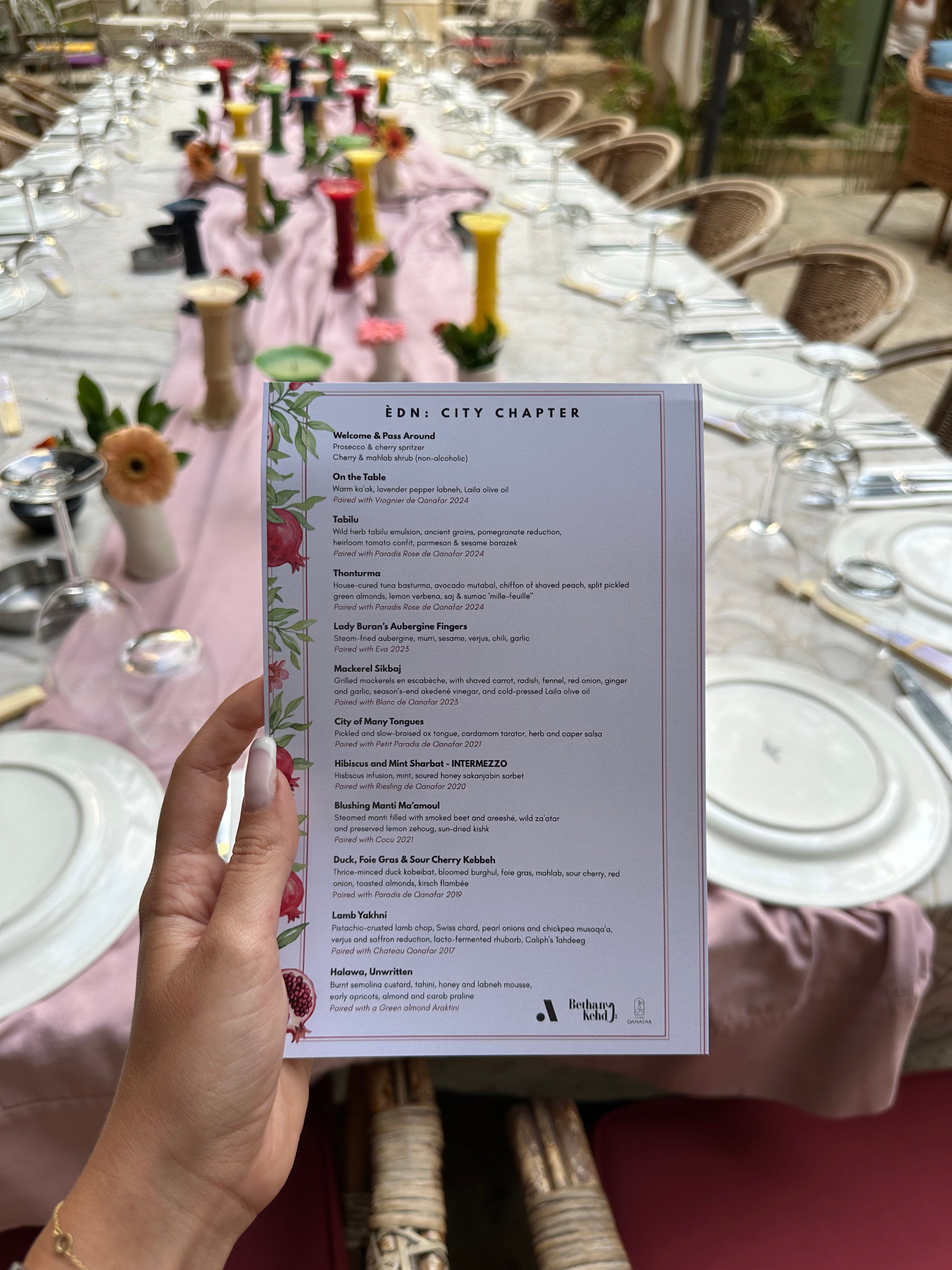
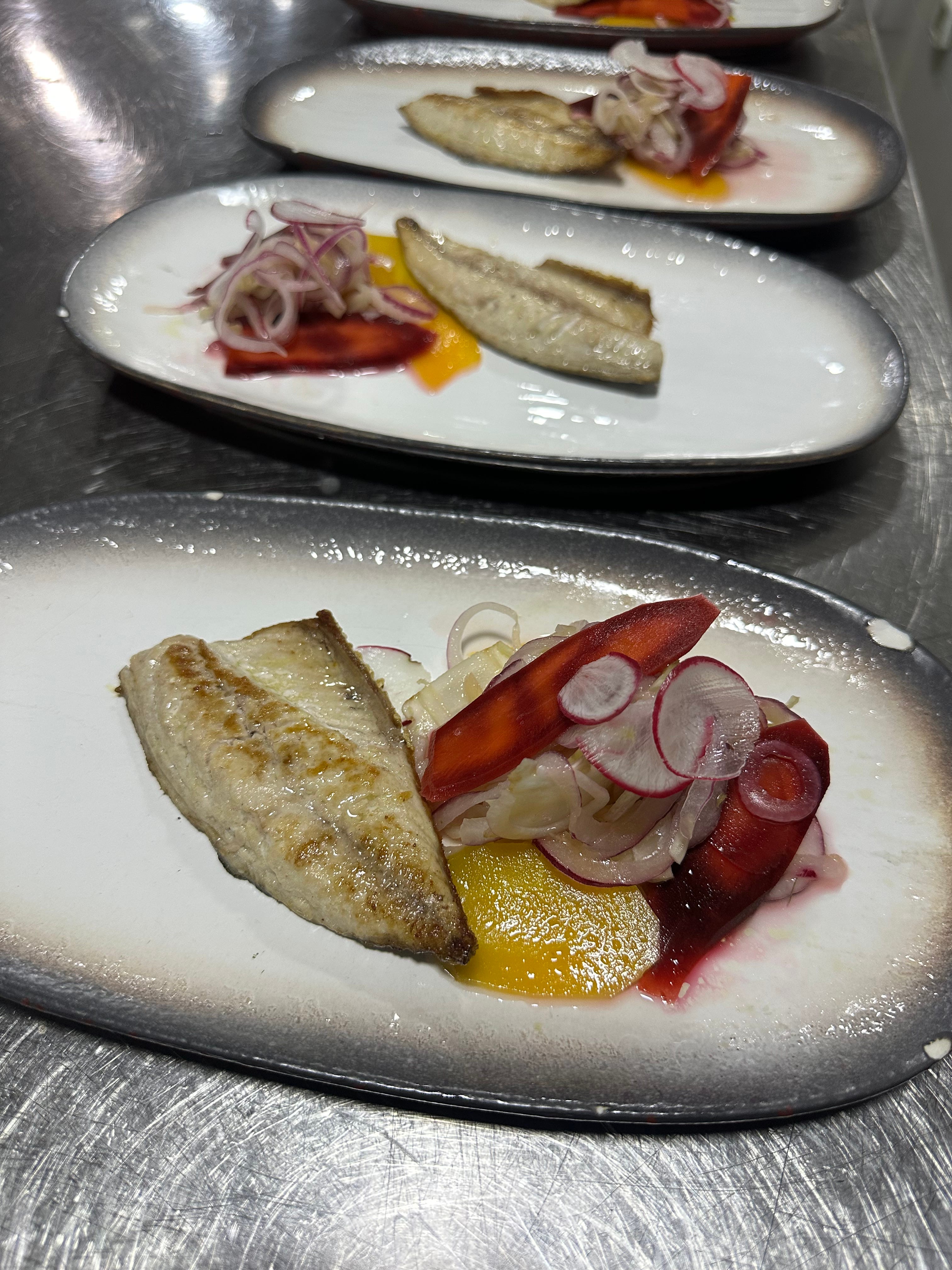
Each ÈDN Table chapter explores a different theme through a narrative-led menu, inviting guests to look beyond the plate and reconsider not only what we eat, but how we understand history, identity and belonging.
CITY was the inaugural chapter.
The journey continues with COAST, the next exploration in the evolving ÈDN Table series.
Join the WhatsApp community via this link for early access to future experiences.
For those interested in the research, historical pathways and ideas behind each chapter, subscribe to this Substack :)
If you’re interested in partnering with ÈDN Table, feel free to get in touch via message or email.
Ma’ esalama (with peace) مَع السَلامة ,
Bethany x
No posts
Comments
Nothing yet. Say the first thing.
Sign in to join the conversation.