
Featured by: The Wall Street Journal
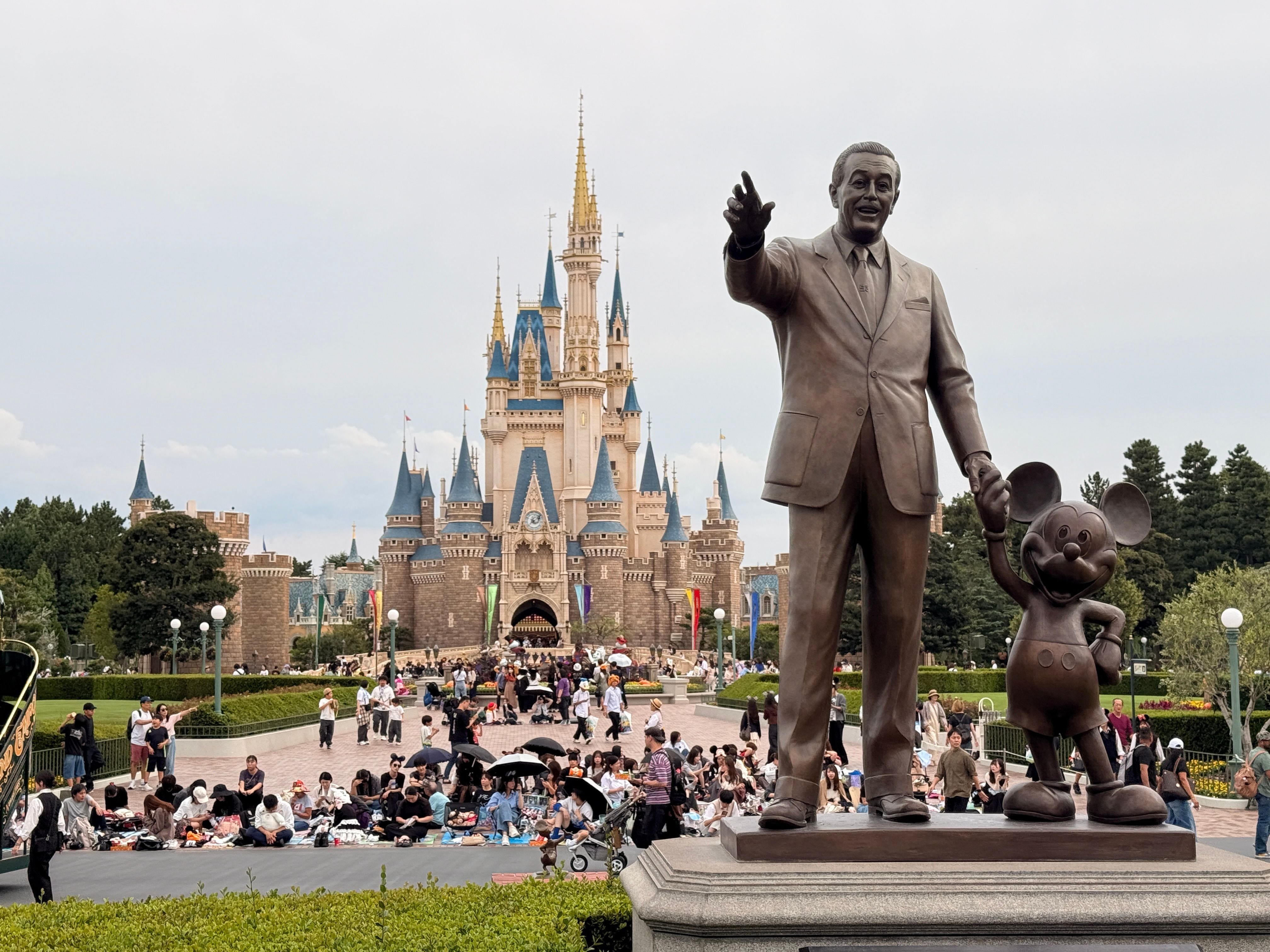
What does it take to make a place feel magical…
For most visitors, Disneyland begins when they walk through the gates. The music is playing, the streets are ready, attractions are operating, and cast members are welcoming guests into another world. The experience feels seamless, but seamless is not the same as simple.
Behind every ride, interaction, performance, meal, safety check, building, and moment of surprise is an enormous network of people making decisions, solving problems, designing experiences, and working together. This Belouga experience invites students to look beyond the attractions and explore the careers and collaboration that make Disneyland possible.
This is where the learning begins.
The video takes students behind the scenes at Disneyland to explore what it actually takes to operate one of the world’s most recognizable theme parks. The scale is immediately surprising. Operating Disneyland is compared to running a small city, with tens of thousands of people contributing to the experience. The day begins long before guests arrive, as teams prepare the park, review plans, address problems, and make sure everything is ready for opening.
From there, students meet the people who bring the park to life. Ride operators are responsible for much more than starting an attraction. They manage safety, communicate with guests, keep operations moving, and create moments that can become meaningful memories for visitors. A simple interaction can become something much larger when someone takes the time to recognize what matters to another person.
Then the experience moves behind the scenes to Disney Imagineering. Here, science, engineering, design, storytelling, technology, and imagination intersect. Imagineers work across more than 150 areas of expertise to develop attractions, environments, restaurants, technology, and experiences that guests may never realize were deliberately designed.
Many of the most interesting careers exist at the intersection of disciplines. Disneyland offers a particularly compelling example because creating an experience requires people with radically different skills to contribute toward the same goal.
An attraction might involve engineering, architecture, storytelling, software, construction, safety, operations, animation, business, hospitality, and countless other areas of expertise. This changes the question from “What do you want to be?” to something more expansive in “What kinds of problems do you want to help solve?” Students may discover that their interests do not need to fit neatly inside a single career. Someone who loves technology and storytelling might find a place in experience design. Someone fascinated by people might thrive in hospitality or operations. Someone who loves building things might contribute to engineering or Imagineering.
The future of work is increasingly interdisciplinary. Learning to see connections between seemingly different interests may be one of the most valuable career skills students can develop.
Disneyland is all about creating experiences.
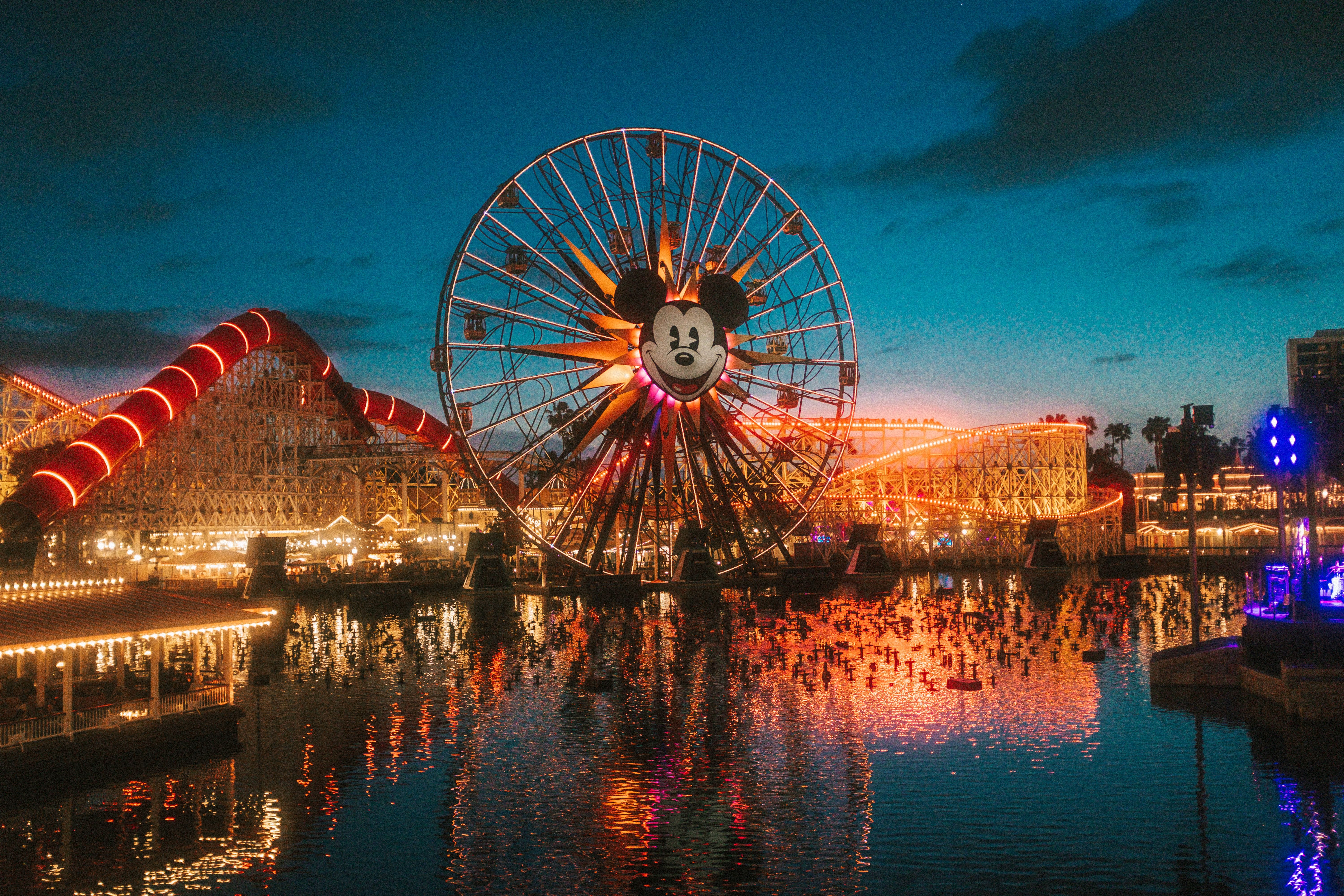
A roller coaster can be evaluated by speed, capacity, engineering, and safety. But the experience surrounding that ride includes anticipation, storytelling, atmosphere, interaction, memory, and emotion. What might look like an ordinary ride to one visitor can carry an entirely different meaning for another.
This reveals something important about experience design, which is that people don’t always remember what you built, but they remember how it made them feel. That principle extends far beyond theme parks, shaping restaurants, museums, sports, games, technology, education, healthcare, hospitality, entertainment, and even the design of public spaces.
This experience is built around three interconnected ideas:
Invisible work: Students explore how large experiences depend on enormous amounts of preparation, coordination, maintenance, and problem-solving that visitors rarely see.
Interdisciplinary creativity: Learners discover how engineering, storytelling, technology, design, business, hospitality, and human connection can come together to create something none of those disciplines could produce alone.
Designing for people: The ultimate purpose of the work is not simply to build attractions or operate a park. It is to understand people and create experiences that feel meaningful, memorable, safe, and welcoming.
This is the deeper architecture behind the experience.
Core Subject Areas: Career Education, Business, Engineering, Technology, Design, Arts, Social Studies
Sustainable Development Goals: Goal 4. Quality Education, Goal 8. Decent Work and Economic Growth, Goal 9. Industry, Innovation and Infrastructure
Age Bands
Elementary (8–11): careers, teamwork, creativity, and the people behind experiences
Middle School (12–14): interdisciplinary careers, problem-solving, design, and collaboration
High School (15–18): experience design, innovation, operations, entrepreneurship, and career pathways
Skill Development Focus: Career exploration, Systems thinking, Collaboration, Creative problem-solving, Communication, Design thinking, and Perspective-taking
In the classroom, this experience can begin with the surprisingly simple question of “What had to happen before you could enjoy your favorite experience?” Students might choose a theme park attraction, sporting event, concert, video game, restaurant, museum, or even a school event. Then they can begin working backward, citing thoughts around who designed it, who built it, who keeps it running, and who thinks about how people will feel.
As students begin mapping these connections, a single “experience” starts to look more like an ecosystem of careers. The Disneyland example also creates an opportunity to challenge students’ assumptions about what certain jobs actually involve. A ride operator is not simply operating a ride. An Imagineer is not simply drawing attractions. A successful experience depends on people who can communicate, adapt, notice details, understand others, and work across disciplines. The goal is to help students see careers as different ways of contributing to something larger.
This week’s Belouga experience also includes downloadable educator and student resources designed to bring career exploration, interdisciplinary thinking, design, and experience creation into classrooms and learning environments. These resources give educators a way to move beyond simply asking students what job they want someday and instead explore the interests, skills, and problems they might want to pursue.
Continue into the full educator guide and student experience pack below.
Comments
Nothing yet. Say the first thing.
Sign in to join the conversation.