
Featured by: DW Planet A
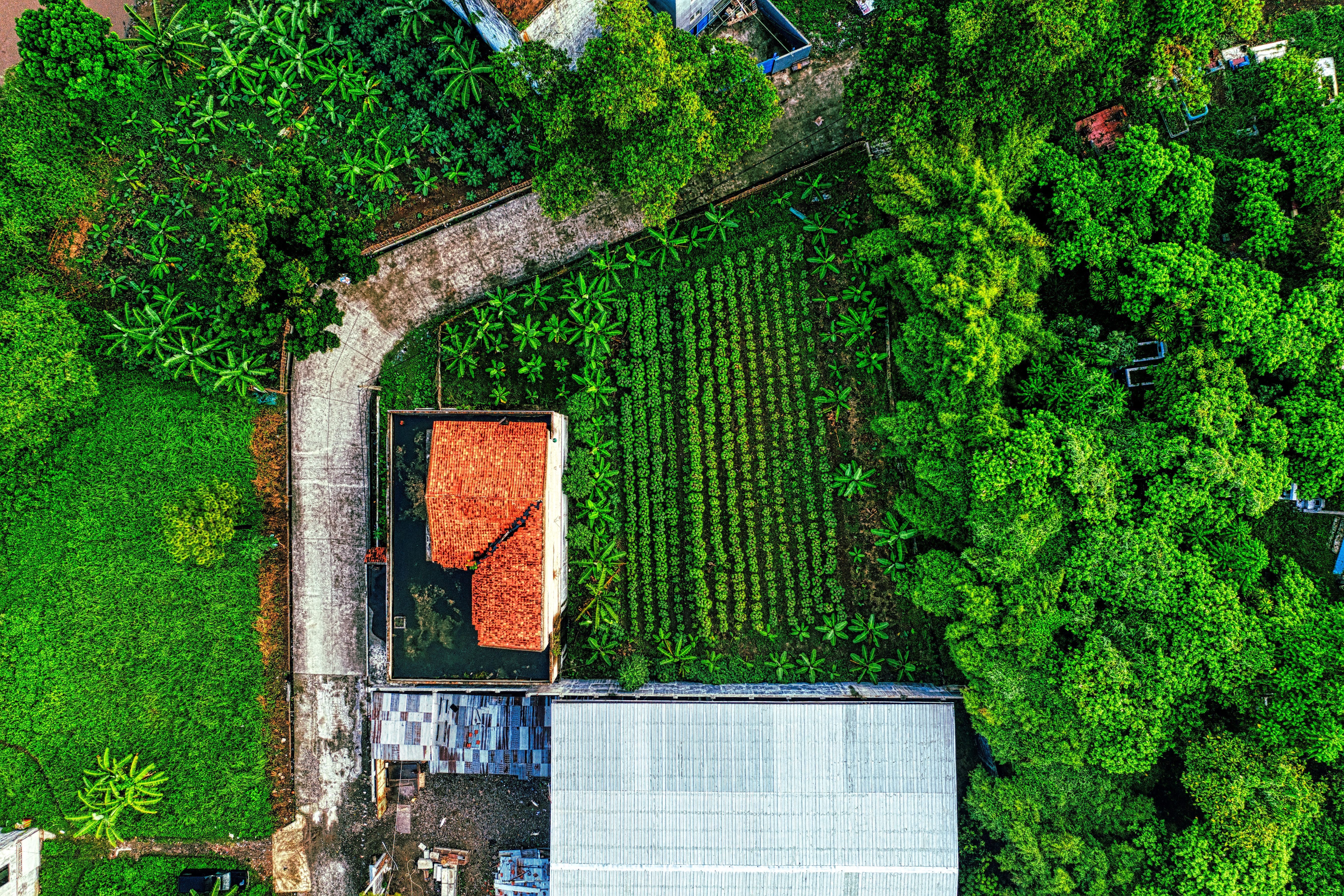
What if farming worked with nature instead of constantly working against it…
This Belouga experience takes students to a small permaculture farm outside Berlin, where Falk Gärtner has transformed a dry, sandy piece of land into a productive and diverse growing system. There are no massive machines moving across the property. Instead, there are swales that capture water, logs that help hold moisture, compost that returns nutrients to the soil, different crops growing alongside one another, and spaces intentionally left wild for insects, birds, and other animals.
Nothing is treated as completely separate. Waste can become fertilizer, plants can support other plants, animals can help control pests, water can be captured and reused, and a failed crop does not necessarily mean a failed farm. What looks simple on the surface is actually a complex system designed around relationships.
This is where the learning begins.
Students are taken inside a small permaculture farm where the ordinary rules of agriculture are approached differently. Rather than relying on heavy machinery, chemicals, or a single crop, the farm is built around relationships between soil, water, plants, animals, and people.
Through the farmer’s work, students see how a swale can capture water, organic materials can strengthen soil, diverse crops can reduce vulnerability, and wildlife can become part of the farm’s natural balance. They also encounter the realities behind those choices: limited resources, crop losses, labor, pricing, and the challenge of making sustainable farming financially viable.
The experience ultimately shifts the focus from “What is permaculture?” to a larger question: What can we learn from designing food systems to work more like living ecosystems?
Food can feel disconnected from the systems that produce it. We see vegetables in grocery stores, meals on tables, and prices on shelves. What we don’t always see is the soil, water, labor, biodiversity, energy, and land required to make that food possible.
At the same time, agriculture is facing enormous challenges, not to mention the pressure on farmers to produce enough food to support growing populations while also navigating economic realities and environmental limits. There is no single solution to these challenges, but that is exactly why this story matters.
Permaculture offers students an opportunity to think beyond the question of “How much food can we produce?” and toward a more complicated one “How can we produce food in a way that allows the systems around us to continue producing in the future?” The answer may involve changing not only what we grow, but how we design the systems in which growing happens.
One of the most compelling ideas in this experience is that the farm begins with observation.
Before planting, Falk considers the landscape. Where does water move? How does the soil behave? What does the climate allow? Where might plants, animals, and people interact? Instead of forcing the land to conform to a predetermined system, the system is designed around the land. A swale captures water, mulch helps protect moisture, trees and plants create habitat, diverse crops reduce dependence on a single harvest, and birds and other animals become part of the ecosystem rather than being treated only as problems. The result is less like a factory and more like a living network.
Students can begin to see agriculture as an exercise in systems design, where the farmer is creating the conditions for many parts of the system to work together.
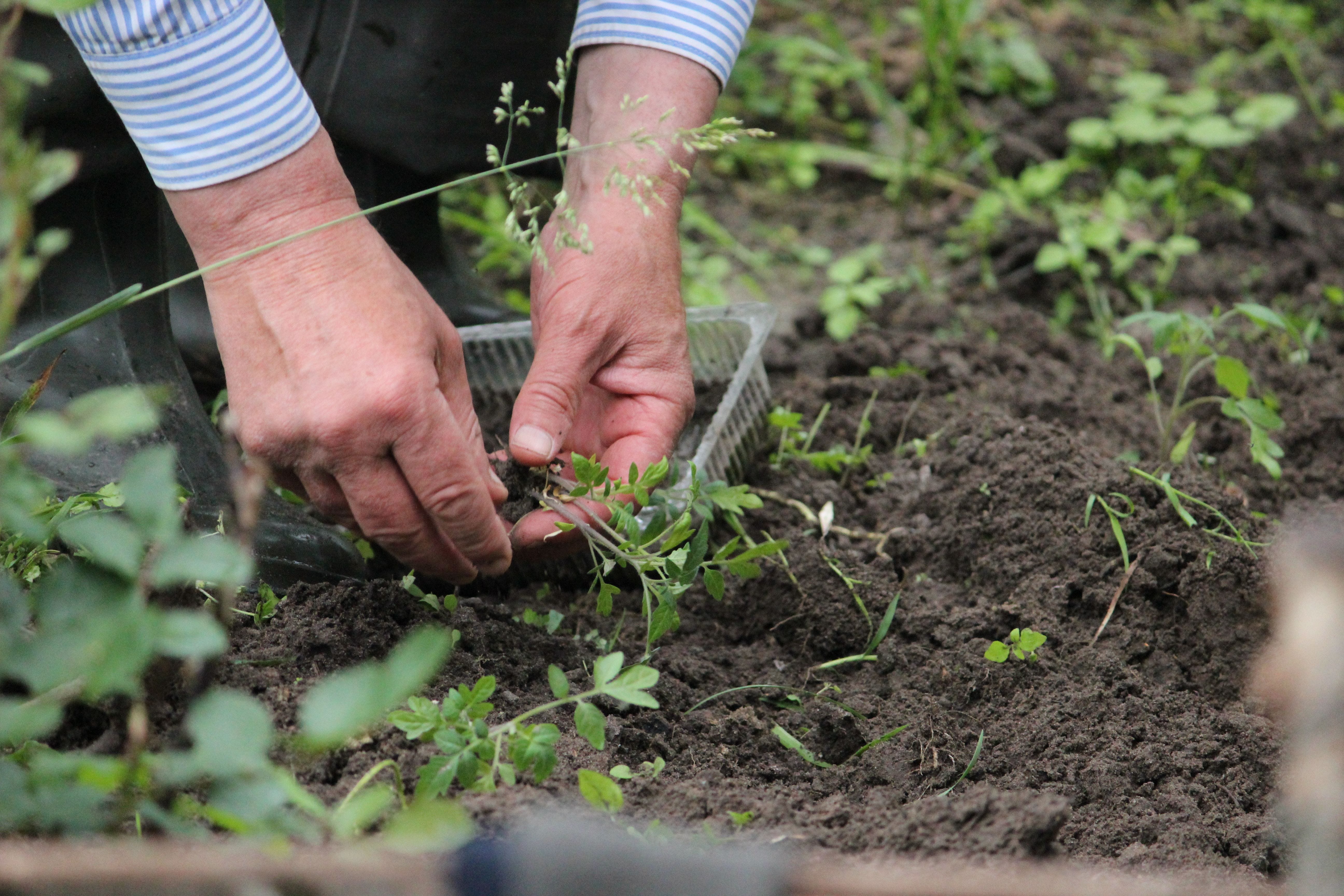
This experience is built around three interconnected learning dimensions:
Working with systems rather than isolated problems: Students explore how soil, water, plants, animals, climate, people, and economics influence one another. A change in one part of a system can create effects somewhere else.
Rethinking efficiency: The experience challenges the assumption that producing more in the shortest possible time is always the most efficient approach. Students consider efficiency through a longer lens: resilience, resource use, waste, and the ability of a system to continue functioning.
Designing for the future: Permaculture asks us to think beyond the next harvest. Students explore what it means to make decisions today that preserve the ability to grow, adapt, and thrive tomorrow.
This is the deeper learning architecture behind the experience.
Core Subject Areas: Environmental Science, Science, Social Studies, Economics, Geography, Agriculture, Design & Technology
Sustainable Development Goals: Goal 2. Zero Hunger, Goal 6. Clean Water and Sanitation, Goal 8. Decent Work and Economic Growth, Goal 12. Responsible Consumption and Production, Goal 13. Climate Action, Goal 15. Life on Land
Age Bands
Elementary (8–11): ecosystems, food systems, nature, resources, and observation
Middle School (12–14): sustainability, biodiversity, agriculture, resource management, and systems thinking
High School (15–18): food security, climate resilience, economics, regenerative agriculture, and sustainable systems design
Skill Development Focus: Environmental literacy, Critical thinking, Problem-solving, Design thinking, Economic reasoning, and Future-focused decision-making
In a classroom, this experience can begin with something students encounter every day…food. Ask where it came from, Then keep going. What did it need to grow? How much water did it require? What happened to the soil? Who grew it? How was it transported? What happens when pests arrive? What happens when the weather changes? What happens to the parts we don’t eat?
From there, students can compare different approaches to agriculture and begin identifying the trade-offs within each. Younger learners might explore how plants, animals, water, and soil depend on one another. Older students can investigate monocultures, biodiversity, food miles, soil health, water management, or agricultural economics. High school students can take the conversation further by asking whether sustainable farming can scale, how food prices reflect environmental costs, and what agricultural systems might need to look like several decades from now.
The goal is to help them recognize that the way we design food systems shapes the future those systems can support.
This Belouga experience also includes downloadable educator and student resources designed to bring conversations around food systems, permaculture, sustainability, biodiversity, and climate resilience into classrooms and learning communities. These resources give educators a starting point for moving from the question of where our food comes from toward the much larger question of what kind of food system we want to build for the future.
Continue into the full educator guide and student experience pack below.
Comments
Nothing yet. Say the first thing.
Sign in to join the conversation.