
Featured by: Coral & Oak Studios
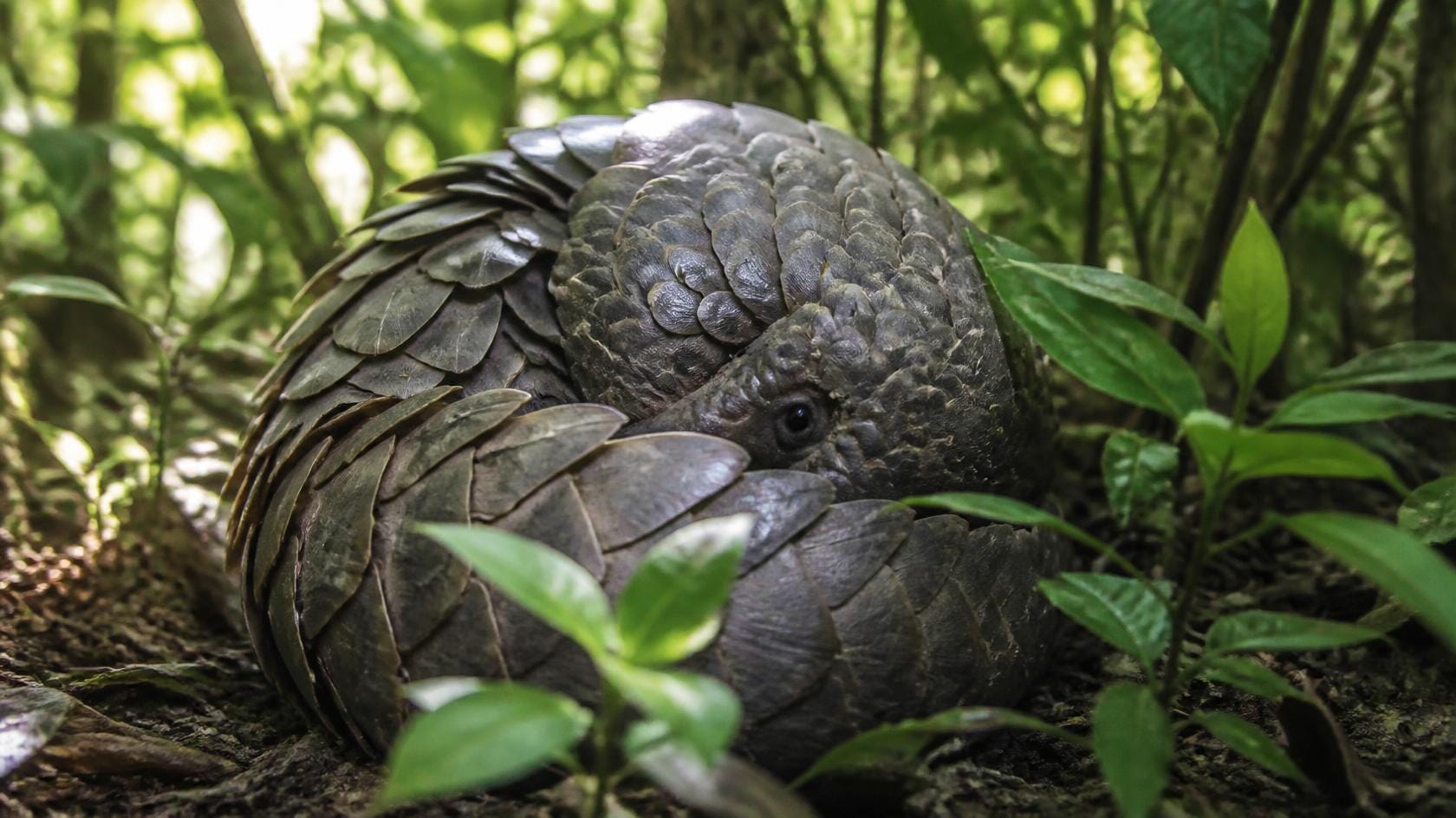
Most people have never heard of a pangolin…
They rarely appear in classrooms, documentaries, or conversations about endangered wildlife. Yet these quiet, nocturnal mammals have become the most trafficked mammals on Earth, hunted for illegal wildlife markets at a pace that threatens their survival. Their story is about the growing relationship between people, nature, economics, and the difficult choices communities face every day.
This Belouga experience introduces students to conservationists in Nigeria who have dedicated their lives to protecting pangolins before it is too late. Through their work, learners discover that conservation is not only about rescuing animals, but also about protecting ecosystems, preserving biodiversity, strengthening communities, and asking what responsibility humans carry toward the natural world.
This is where the learning begins.
Deep within Nigeria, a small group of conservationists works to protect one of the world’s least understood animals. The pangolin spends most of its life hidden from view, relying on its remarkable scales and quiet nature for survival. Yet those same qualities have not protected it from becoming one of the most heavily trafficked mammals on the planet.
The film follows the people standing between these animals and extinction. Their work stretches far beyond rescuing wildlife. They investigate illegal trafficking, educate local communities, rehabilitate rescued animals, and advocate for stronger protection of habitats that support countless other species.
What quickly becomes clear is that conservation requires understanding how livelihoods, ecosystems, culture, economics, and environmental health are deeply connected. The story invites students to see conservation not as an isolated scientific effort, but as an ongoing act of leadership, collaboration, and hope.
The challenges facing wildlife today extend well beyond national parks or remote forests. Habitat loss, illegal wildlife trade, climate change, and expanding human development affect ecosystems across every continent. As biodiversity declines, so does the resilience of the natural systems that provide clean water, healthy soils, stable climates, and food security for people around the world.
Many students already recognize endangered animals as symbols of conservation. What they often do not see are the people working every day to protect them or the complex systems that place wildlife at risk in the first place.
This lesson encourages learners to move beyond sympathy toward systems thinking. Rather than asking only how an animal becomes endangered, students begin asking why these pressures exist, who is working to solve them, and what shared responsibility looks like within an interconnected world.
Conservation is often presented as protecting nature from people. In reality, successful conservation depends on people.
Communities living alongside wildlife make decisions every day that influence the future of local ecosystems. Scientists collect data, educators raise awareness, governments establish protections, and local leaders create solutions that balance environmental stewardship with economic realities.
This experience encourages students to consider questions such as:
How do human choices affect the survival of other species?
What responsibilities come with sharing the planet with wildlife?
How can conservation support both healthy ecosystems and thriving communities?
These questions do not produce simple answers. They invite curiosity, critical thinking, and an appreciation for the complexity of protecting life on Earth.
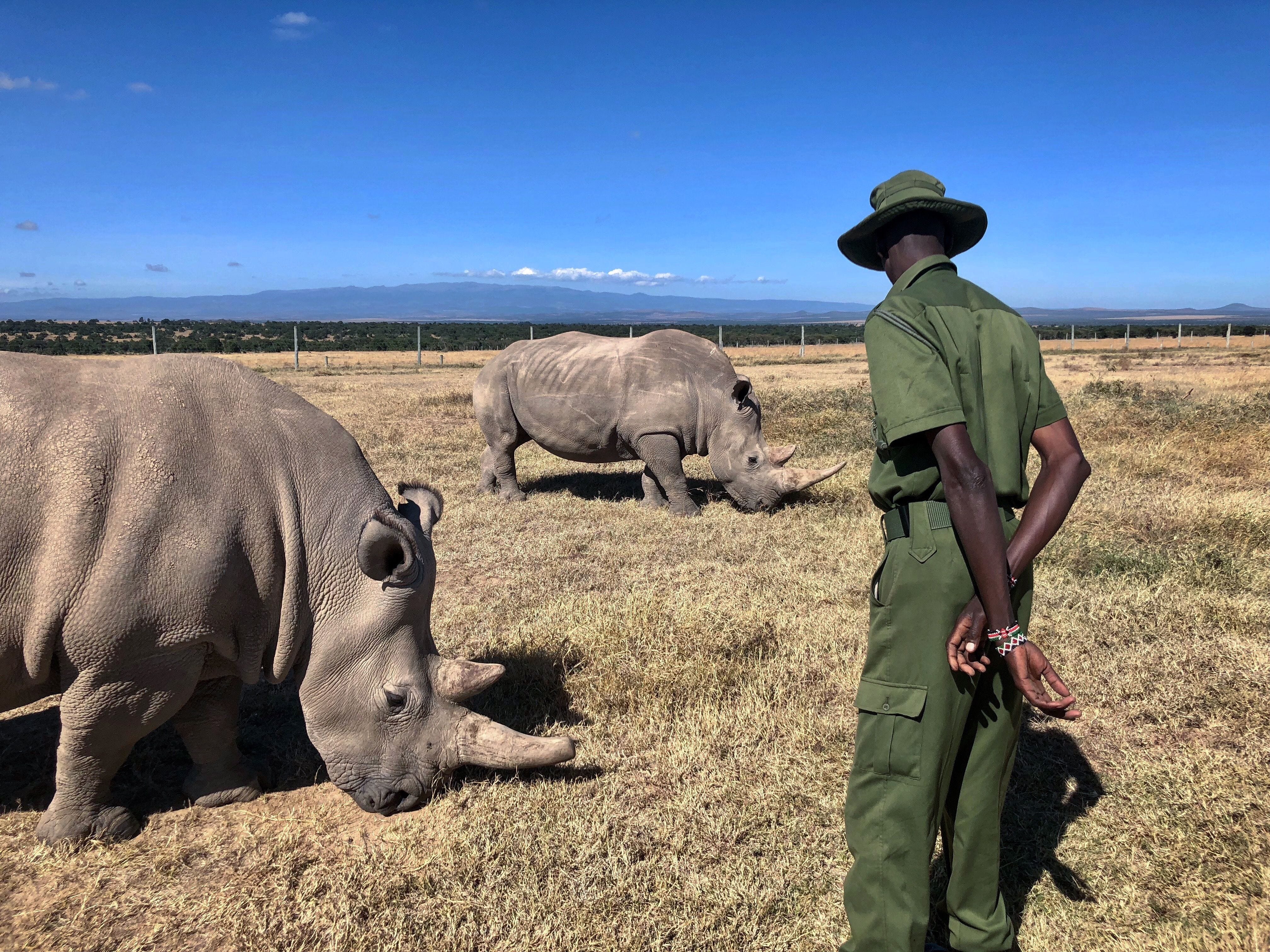
This experience is built around three interconnected learning dimensions:
Stewardship through action: Students explore how individuals and communities can actively protect ecosystems through conservation, education, and advocacy rather than assuming environmental challenges are too large to influence.
Interdependence between people and nature: Learners investigate how healthy ecosystems support human well-being and why protecting biodiversity ultimately strengthens communities around the world.
Hope through collective responsibility: Rather than focusing only on environmental loss, this story highlights the individuals whose dedication demonstrates that informed action, collaboration, and persistence can create meaningful change.
This is the deeper architecture behind the learning.
Core Subject Areas: Science, Environmental Studies, Social Studies, Geography, Language Arts
Sustainable Development Goals: Goal 4. Quality Education, Goal 13. Climate Action, Goal 15. Life on Land, Goal 17. Partnerships for the Goals
Age Bands
Elementary (8–11): endangered species, habitats, caring for wildlife
Middle School (12–14): biodiversity, ecosystems, conservation challenges, environmental responsibility
High School (15–18): wildlife trafficking, sustainable development, conservation policy, human-environment systems
Skill Development Focus: Systems thinking, Environmental literacy, Empathy, Ethical reasoning, Global citizenship, and Collaborative problem-solving
This activity often begins with a simple question of “Have you ever heard of a pangolin?”
For many students, the answer is no. That moment becomes an invitation to explore why some of the world’s most endangered animals remain largely invisible despite their ecological importance.
As learners engage with the film, younger students often focus on the uniqueness of the animal itself and the importance of protecting habitats. Older students naturally move toward broader conversations about biodiversity, illegal wildlife trade, environmental justice, and the relationship between conservation and human communities. Across grade levels, students begin recognizing that protecting wildlife is about preserving the balance of entire ecosystems and understanding how human decisions ripple far beyond our immediate surroundings.
This week's Belouga experience also includes downloadable educator and student resources designed to help classrooms explore biodiversity, wildlife conservation, environmental stewardship, and the relationship between people and nature. These resources support meaningful discussions while helping learners think critically about endangered species, ecological balance, and the role individuals can play in protecting our shared world.
Continue into the full educator guide and student experience pack below.
Comments
Nothing yet. Say the first thing.
Sign in to join the conversation.