
Featured by: Belouga
Some buildings are more than places…
They become gathering spaces. They carry memories, traditions, art, and the voices of the people who shaped them. Over time, a building can become part of how a community understands its history, and part of how that history is passed forward. But what happens when that place closes? When its doors remain locked, its purpose is forgotten, or the stories connected to it begin to fade?
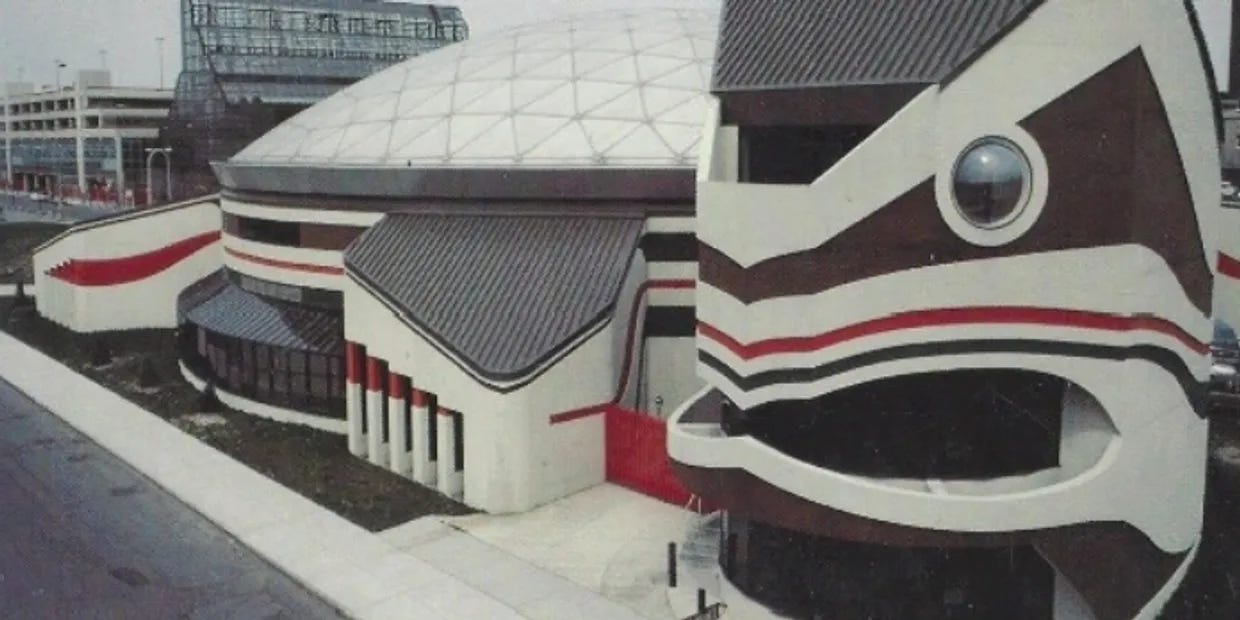
This Belouga experience introduces students to the Niagara Turtle, a one-of-a-kind cultural landmark in Niagara Falls, New York. Inspired by the Haudenosaunee creation story of the Earth forming on the back of a giant turtle, the building was created as a place where Indigenous art, performance, history, and community could be celebrated and shared. Today, Friends of the Niagara Turtle is working to “Reawaken the Turtle,” protecting the building and helping preserve the cultural vision it was created to carry.
This is where the learning begins.
The Niagara Turtle first opened in 1981 as the home of the Native American Center for the Living Arts. Its design was unlike anything around it. Shaped to reflect the Turtle Island creation story, the building itself communicated meaning before anyone stepped through its doors.
Inside, the space became a home for Indigenous visual and performing arts, cultural expression, education, and community gathering. It offered visitors opportunities to encounter living traditions and engage with Indigenous histories through the voices, creativity, and experiences of Indigenous people.
Then, in 1995, the center closed. The building was left vacant, and the future of the Niagara Turtle became uncertain. Yet the story did not end there. Community members, advocates, artists, and preservation supporters began working to protect the landmark and renew its purpose. Through their efforts, students encounter preservation as something active. It is about asking what a place represents, whose stories it carries, and how communities can ensure those stories remain visible for future generations. The Niagara Turtle becomes more than a building, it becomes a meeting point between history and possibility.
Communities are constantly changing. Buildings are renovated, repurposed, abandoned, or replaced. As neighborhoods develop, decisions are made about which places are protected, which are transformed, and which disappear. Those choices are never only about architecture.
Places can hold cultural knowledge. They can reflect the experiences of communities whose histories have often been overlooked, misunderstood, or excluded from public spaces. When culturally significant landmarks are lost, communities may lose more than a physical structure. They may also lose opportunities for connection, education, representation, and remembrance. The Niagara Turtle invites students to think more carefully about the relationship between place and identity.
Who decides which stories are preserved?
What responsibilities do communities have to culturally significant places?
How can a historic space continue serving people without becoming frozen in the past?
These questions connect local preservation to larger conversations about Indigenous studies, cultural continuity, public memory, and community leadership.
Preservation can sometimes sound like an effort to keep history unchanged. But meaningful preservation is about creating opportunities for history to remain present, relevant, and connected to the future. The work surrounding the Niagara Turtle asks students to consider preservation as a form of stewardship.
Stewardship means caring for something that has value beyond ourselves. It requires people to understand what they have inherited, recognize why it matters, and make thoughtful decisions about what should be carried forward. This process involves more than repairing a building. It can include:
Protecting cultural stories and traditions
Creating spaces for community connection
Supporting Indigenous voices and leadership
Educating future generations
Reimagining how historic places can serve contemporary communities
In this way, preservation becomes both an act of remembrance and an investment in what comes next.
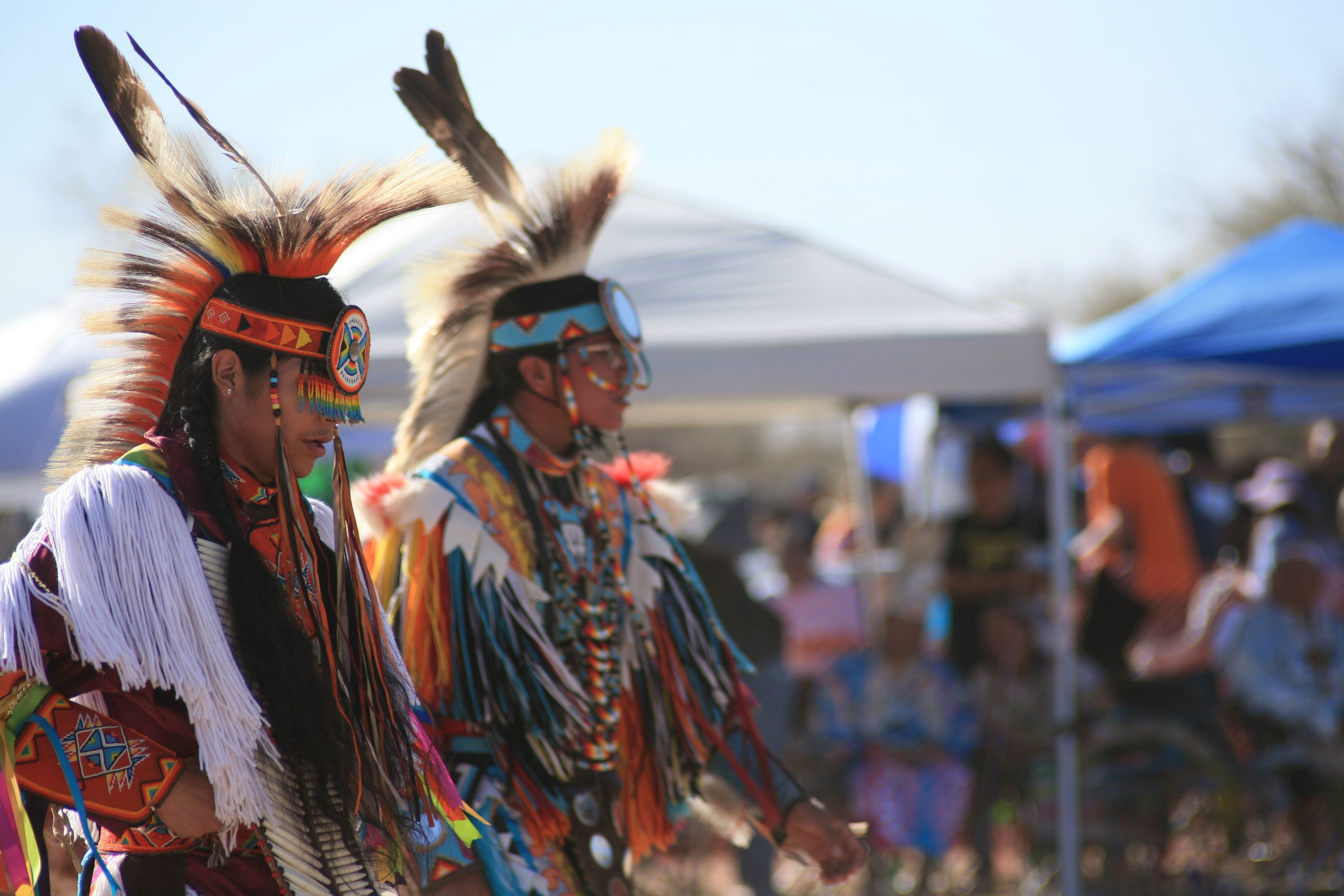
This experience is organized around three connected dimensions of learning:
Place as a keeper of memory: Students explore how buildings, landmarks, and shared spaces can hold stories that connect people to culture, history, and community identity. They consider what may be lost when those places disappear, and what can be protected when communities act.
Cultural preservation as living work: Learners examine preservation as an ongoing process rather than a finished act. They explore how cultural knowledge can be honored, shared, and carried into the future while remaining connected to the people and communities it represents.
Community action and shared responsibility: Students consider how individuals and organizations can advocate for places that matter. The experience highlights how collective action can help protect cultural landmarks and create new possibilities for future generations.
This is the deeper learning architecture behind the experience.
Core Subject Areas: Indigenous Studies, Social Studies, History, Cultural Studies, Art, Civics, Language Arts
Sustainable Development Goals: Goal 4. Quality Education, Goal 10. Reduced Inequalities, Goal 11. Sustainable Cities and Communities, Goal 16. Peace, Justice and Strong Institutions
Age Bands
Elementary (8–11): community stories, cultural symbols, belonging, and the importance of shared places
Middle School (12–14): indigenous history and culture, preservation, representation, and community responsibility
High School (15–18): cultural heritage, public memory, activism, land and place, and the ethics of preservation
Skill Development Focus: Cultural awareness, Historical inquiry, Perspective-taking, Civic engagement, Systems thinking, Community stewardship, and Reflective communication
In classrooms, this experience can begin with a familiar question: Is there a building, landmark, park, or gathering place that matters to your community?
Students may think about a school, library, community center, historic site, place of worship, cultural institution, or neighborhood space. What happens there? Who uses it? What memories or traditions are connected to it? What would change if it disappeared? From there, the learning expands into the story of the Niagara Turtle. Younger learners may focus on the building’s unique design, the meaning of the turtle, and the idea that places can hold important stories. Middle-grade students can explore how cultural landmarks support identity, representation, and community connection. Older students may examine questions surrounding Indigenous sovereignty, cultural preservation, public memory, advocacy, and the role communities play in deciding what is protected.
Across age groups, students begin to see that preservation is about recognizing meaning, and deciding what responsibilities we have to the stories and communities connected to it.
This Belouga experience includes downloadable educator and student resources designed to bring conversations around Indigenous culture, community memory, preservation, and civic action into classrooms and learning communities. These resources help educators move beyond historical facts and create opportunities for students to explore the relationship between people, place, identity, and responsibility.
Continue into the full educator guide and student experience pack below.
Comments
Nothing yet. Say the first thing.
Sign in to join the conversation.