
Featured by: Belouga
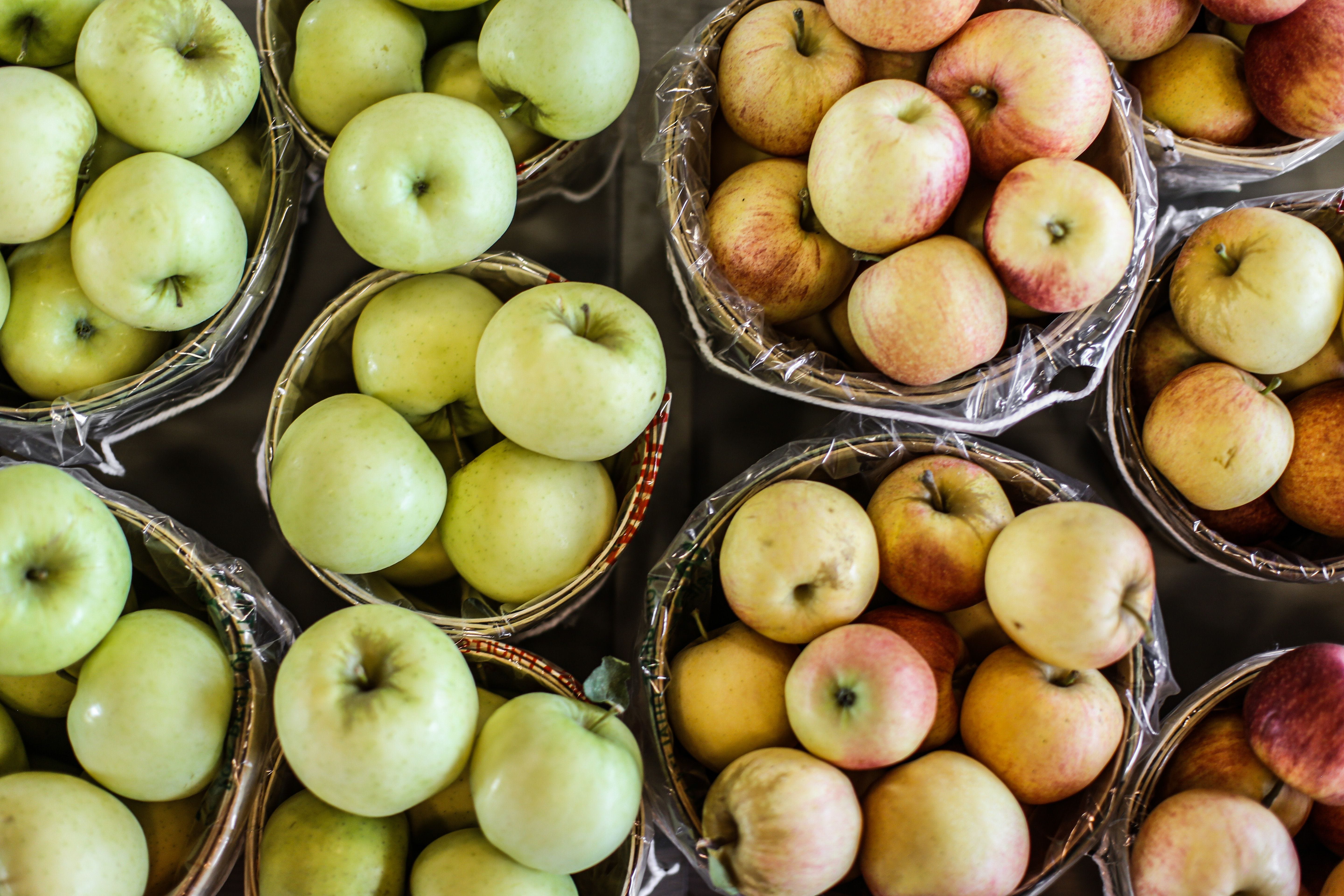
More than just an apple...
Most of us eat food every day without giving much thought to where it came from. We grab an apple at the grocery store, pour a glass of cider, or pack fruit into a lunchbox, rarely stopping to consider everything that happened before it reached us. Behind every harvest is an entire season of planning, science, hard work, and care. Farmers monitor weather, protect crops, nurture the land, and solve new challenges every day so communities can be fed.
This Belouga experience takes students inside a family-owned orchard and cider mill, where they discover that growing apples is about far more than agriculture. It is a story of curiosity, stewardship, innovation, and the people whose work connects the land to our tables.
This is where the learning begins.
Michael Schwartz spends the day exploring Lattin’s Country Cider Mill, following the remarkable journey of an apple from blossom to bottle. Along the way, students discover the science of pollination, the importance of healthy ecosystems, the technology used to grow and harvest fruit, and the many careers that make modern agriculture possible.
As learners move through the orchard, they begin to see farming as much more than planting and harvesting. Every decision, from caring for the trees to pressing fresh cider, requires observation, problem-solving, collaboration, and a long-term commitment to the land. What begins as a visit to an apple orchard becomes an exploration of how food systems, family businesses, environmental stewardship, and innovation work together to nourish communities.
Many young people grow up disconnected from where their food comes from. Grocery stores provide abundance year-round, making it easy to assume food simply appears when it’s needed. Yet agriculture remains one of the world’s most important industries, supporting communities, economies, ecosystems, and food security.
This lesson reconnects students with the people and processes behind everyday meals. It demonstrates that farming today blends tradition with innovation, requiring knowledge of environmental science, engineering, data, business, and sustainability.
As conversations around climate, food systems, and responsible resource management become increasingly important, helping students understand modern agriculture is more valuable than ever.
Growing food requires far more than planting seeds and waiting for harvest. Every successful orchard depends on countless interconnected decisions that balance nature with human expertise. Students are invited to consider how agriculture brings together many different kinds of knowledge:
Science: understanding pollination, plant biology, soil health, weather, and ecosystems.
Innovation: using equipment, technology, and creative problem-solving to improve growing and harvesting.
Stewardship: caring for land today while protecting it for future generations.
Agriculture reminds us that feeding communities depends not only on what we grow, but on how thoughtfully we grow it.
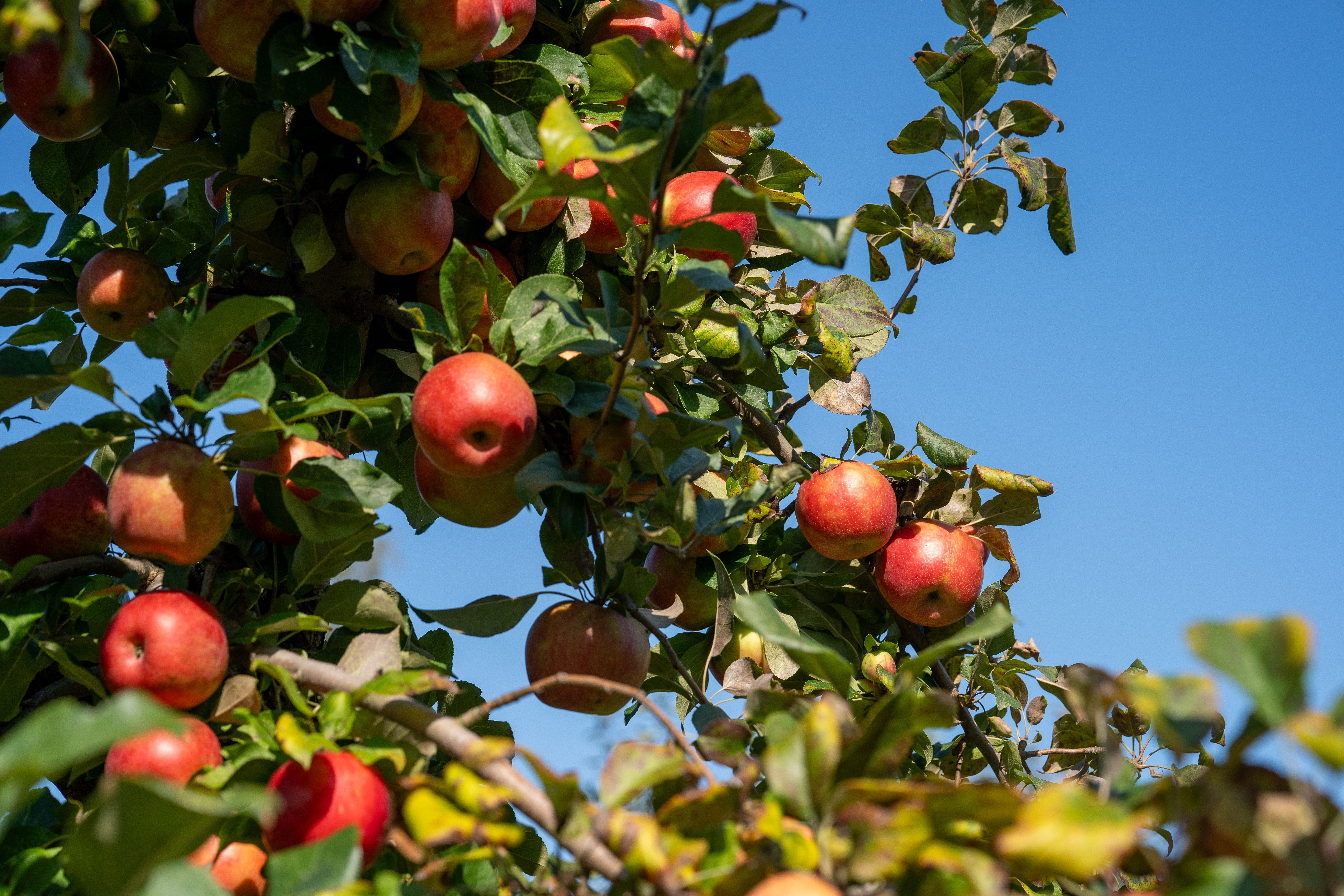
This experience is built around three interconnected learning dimensions:
Hidden systems become visible: Students explore the complex network of people, science, and natural processes behind something they encounter every day.
Stewardship through responsibility: Learners examine how caring for land, trees, and ecosystems supports healthy communities far beyond the boundaries of a single farm.
Curiosity through everyday experiences: An ordinary apple becomes an opportunity to ask larger questions about food, sustainability, innovation, and the careers that make modern agriculture possible.
This is the deeper learning architecture behind the experience.
Core Subject Areas: Science, Agriculture, Environmental Studies, Geography, Career Education
Sustainable Development Goals: Goal 2. Zero Hunger, Goal 8. Decent Work and Economic Growth, Goal 12. Responsible Consumption and Production, Goal 13. Climate Action, Goal 15. Life on Land
Age Bands
Elementary (8–11): plants, seasons, food systems, community helpers
Middle School (12–14): agriculture, sustainability, ecosystems, careers
High School (15–18): food security, environmental stewardship, agricultural innovation, entrepreneurship
Skill Development Focus: Scientific observation, Environmental literacy, Problem-solving, and Career exploration
Students often begin this experience with a simple assumption that apples grow on trees. By the end, they recognize that producing food is far more complex. Pollinators, weather patterns, soil conditions, harvesting equipment, family businesses, transportation, and community all play essential roles.
Younger learners naturally focus on seasons, insects, and plant growth, while older students begin exploring agricultural technology, environmental sustainability, food systems, and business operations. Across every age level, the experience encourages learners to look beyond the finished product and appreciate the invisible systems that make everyday life possible.
Rather than viewing farming as a single occupation, students begin to see agriculture as an interconnected field filled with scientists, mechanics, engineers, entrepreneurs, environmental stewards, marketers, and skilled tradespeople working toward a shared goal.
This Belouga experience also includes downloadable educator and student resources designed to extend learning beyond the video. Together, these activities invite students to investigate food systems, explore careers connected to agriculture, and reflect on the people and processes that help nourish communities every day.
Continue into the full educator guide and student experience pack below.
Comments
Nothing yet. Say the first thing.
Sign in to join the conversation.