
Featured by: On Par.
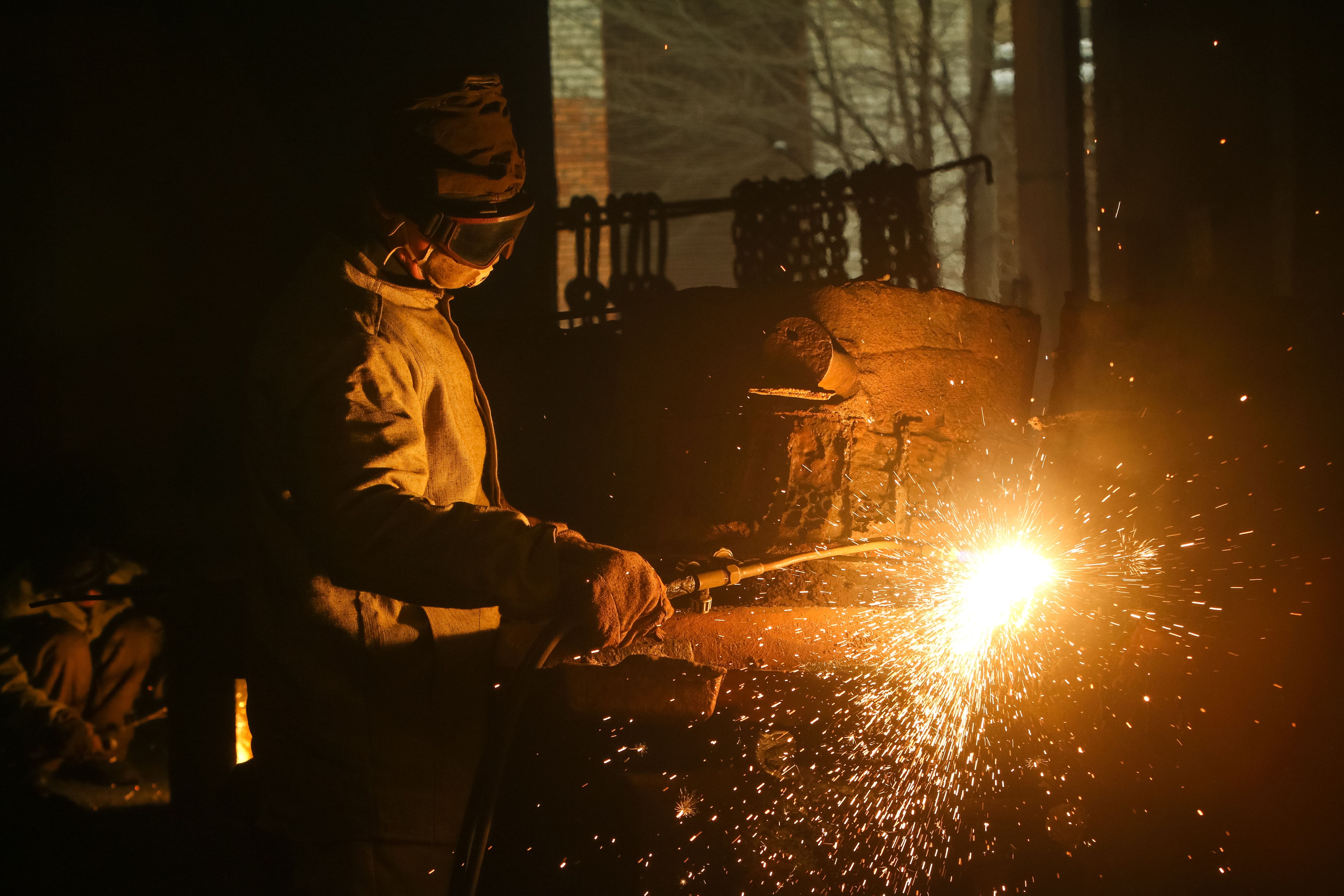
The work that almost vanished…
Most of us rarely stop to think about who repairs the things built generations ago. We replace what breaks, buy newer versions, and assume someone, somewhere, still knows how to make or restore almost anything. Yet many of the world’s oldest trades are quietly disappearing. Along with them disappear techniques, stories, traditions, and ways of understanding materials that have been refined across centuries.
This Belouga experience introduces students to one of Britain’s last remaining cooking range restorers. Through his work, learners discover that craftsmanship is far more than fixing old objects. It is about preserving knowledge, honoring history, and carrying forward skills that cannot simply be downloaded, automated, or recreated overnight.
This is where the learning begins.
The Core Experience
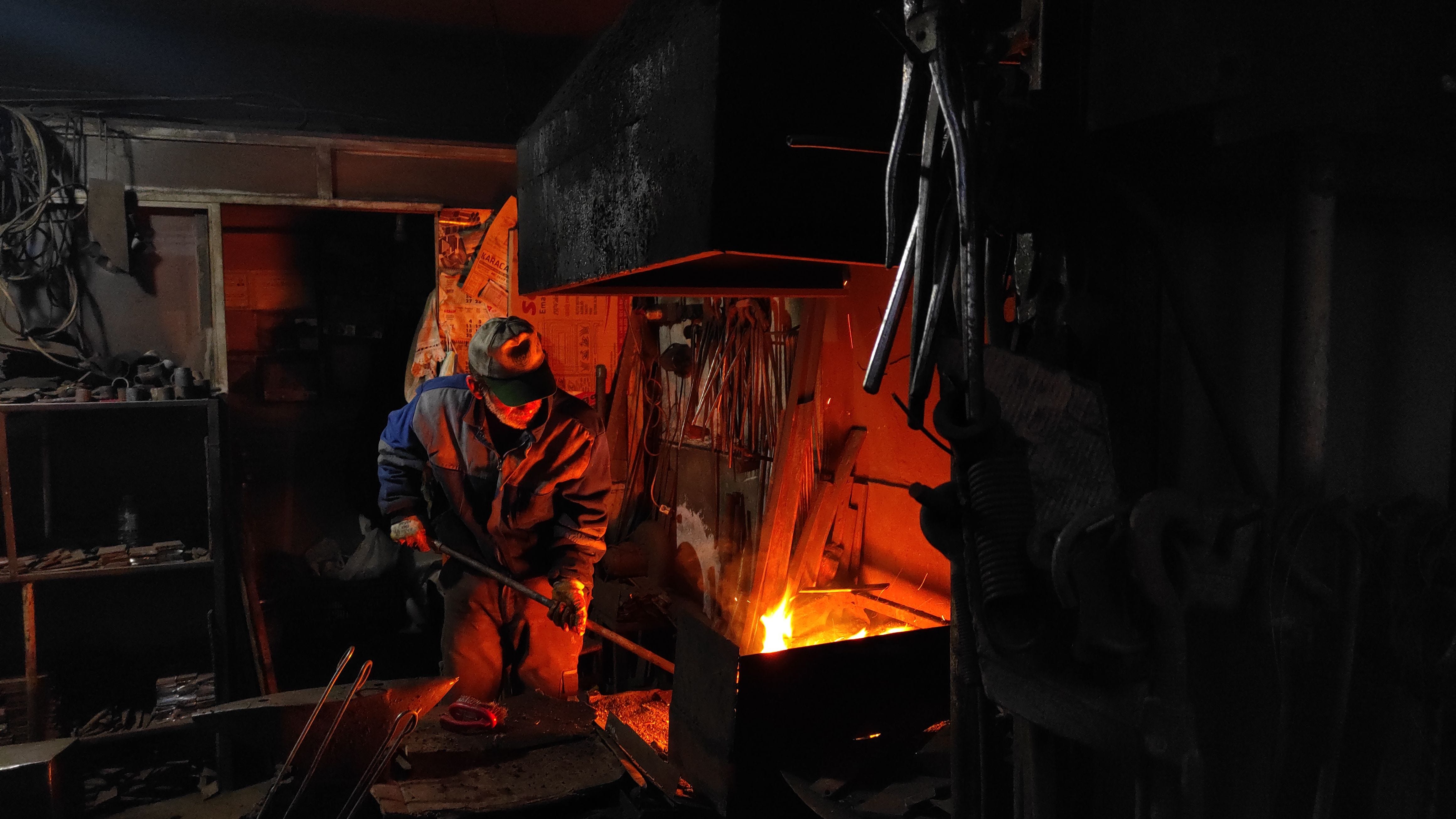
Oliver spends his days restoring cast-iron cooking ranges that many people would consider beyond repair. Every stove arrives with its own history, requiring patience, precision, and thousands of hours of accumulated expertise. His work is meticulous, often invisible, and impossible to rush.
As one of only a handful of specialists still practicing this craft in Britain, Oliver represents something much larger than an individual profession. His story raises questions about what societies choose to preserve, what they allow to disappear, and how knowledge is passed from one generation to the next.
The experience shifts students away from seeing trades as simply jobs and invites them to recognize them as living pieces of cultural heritage that connect craftsmanship, engineering, design, history, and human dedication.
Why This Matters Right Now
Technology continues to transform how we live and work. While new careers emerge every year, many traditional skills are fading as experienced craftspeople retire without apprentices to continue their work. At the same time, growing conversations around sustainability are encouraging people to repair, restore, and reuse rather than constantly replace.
This creates an important opportunity for students to rethink how they define innovation. Progress does not always mean inventing something entirely new. Sometimes innovation means preserving valuable knowledge, adapting traditional craftsmanship to modern needs, or rediscovering skills that remain remarkably relevant today.
Learning to value both emerging technologies and timeless craftsmanship helps students see that the future often depends on understanding the past.
The Meaning of Skilled Work
Skilled trades are often viewed through the lens of what they produce, such as a restored stove, a forged piece of iron, or a repaired machine. But craftsmanship represents something much deeper. It reflects years of practice, accumulated knowledge, and a commitment to doing work well. This experience invites students to consider questions such as:
What makes a skill worth preserving across generations?
Why does mastery require patience, repetition, and perseverance?
What do communities lose when specialized knowledge disappears?
These questions encourage learners to think about the value of experience, the importance of passing knowledge forward, and how meaningful work can leave a lasting legacy far beyond the objects it creates.
The Human Connection Lens
This experience explores three connected ideas:
Preserving knowledge: Students examine how specialized skills are passed between generations and why protecting craftsmanship also protects culture and history.
Purpose through mastery: Learners explore how meaningful work is often built through dedication, persistence, and continuous improvement rather than instant success.
Innovation through restoration: Students discover that repairing, restoring, and improving existing systems can be just as innovative as creating something entirely new.
These ideas become the foundation for deeper conversations about work, identity, and human contribution.
Stay curious with Belouga! Subscribe for free to get new projects, ideas, and inspiration for your learners, delivered straight to your inbox.
Learning Alignment
Core Subject Areas: Career Education, History, Engineering & Technology, Social Studies, Design
Sustainable Development Goals: Goal 4. Quality Education, Goal 8. Decent Work and Economic Growth, Goal 9. Industry, Innovation and Infrastructure, Goal 11. Sustainable Cities and Communities, Goal 12. Responsible Consumption and Production
Age Bands
Elementary (8–11): craftsmanship, making, repair, community helpers
Middle School (12–14): skilled trades, preservation, innovation, sustainability
High School (15–18): workforce development, heritage industries, manufacturing, entrepreneurship, career pathways
Skill Development Focus: Systems thinking, Craftsmanship, Historical perspective, Creative problem-solving, Perseverance, and Career exploration
Classroom Translation
This experience often begins with a simple question: What is something you own that someone had to build by hand?
From there, students begin exploring the hidden expertise behind everyday objects. They investigate why certain skills disappear, what happens when knowledge is no longer passed on, and how restoration differs from replacement.
Younger learners naturally gravitate toward making, fixing, and caring for objects. Older students begin discussing workforce shortages, apprenticeships, sustainability, manufacturing, and the changing nature of skilled labor. Across every age group, students begin to recognize that preserving knowledge is itself a form of innovation.
The goal is to understand why human expertise remains valuable in a rapidly changing world.
Continue the Experience
This Belouga experience includes downloadable educator and student resources designed to help classrooms explore craftsmanship, skilled trades, cultural preservation, sustainability, and career pathways through inquiry and reflection.
Continue into the full educator guide and student experience pack below.
Comments
Nothing yet. Say the first thing.
Sign in to join the conversation.