
Welcome to Being Animal. This newsletter explores the intricacies of human-animal relationships. Through personal stories, commentary on current events, and thought-provoking debates, I hope to challenge your assumptions and deepen your understanding of how animals are treated in our society. How we treat animals matters— for our own health, for our planet, and for our sense of morality and humanity.
I want to make the world a better place for animals. To do this, we have to change how we think about animals. Today, I write about the Super Bowl, the Puppy Bowl, and how both are essentially animal festivals.
Thanks for reading Being Animal! Subscribe for free to receive new posts and support my work.
P.S. I’m so close to 1000 subscribers! If you know anyone who might like this publication, please share it!
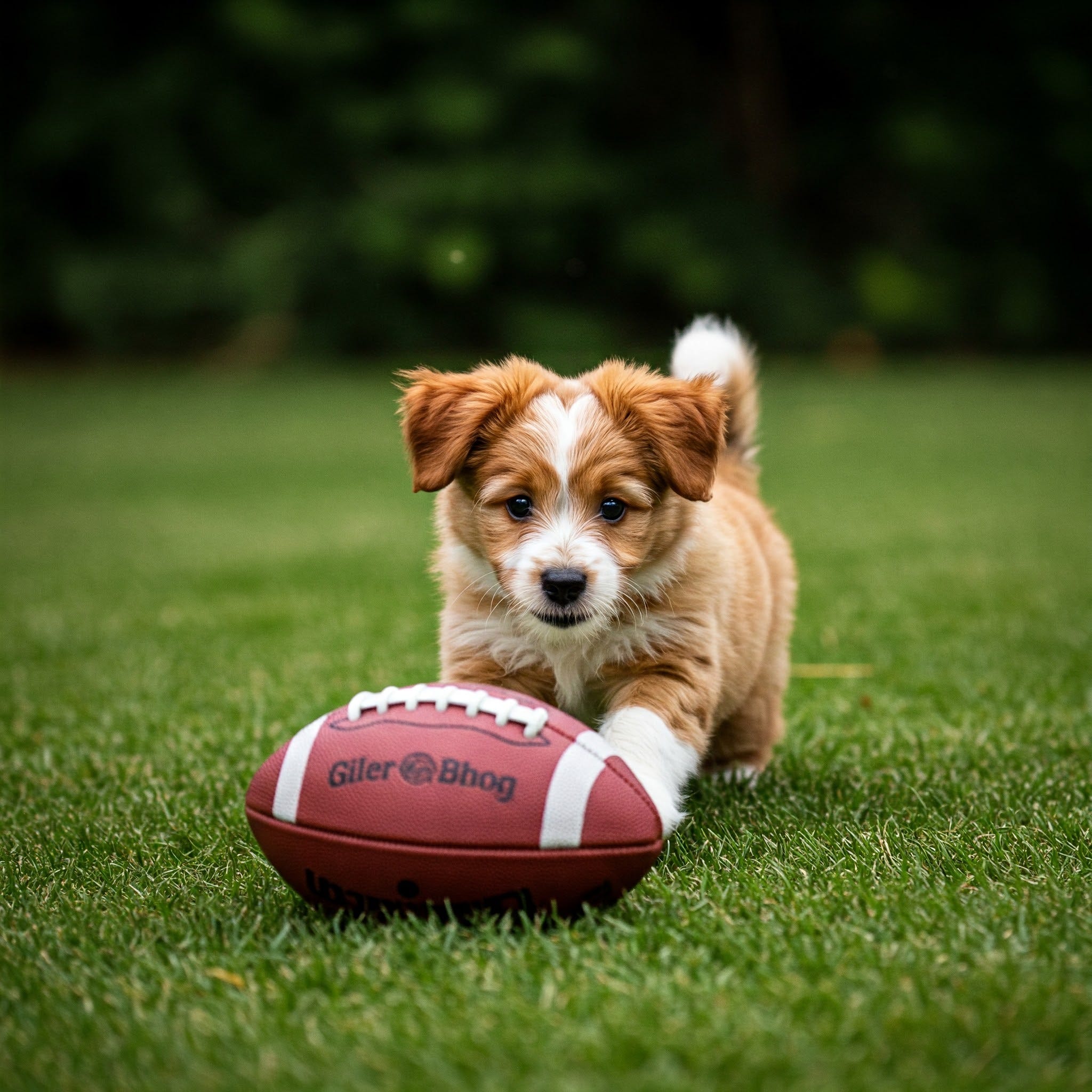
An important question greets you on the homepage of Discovery’s Puppy Bowl: “Will Team Ruff or Team Fluff win the Lombarky trophy?”
Today is the annual Puppy Bowl, a wildly popular television event that precedes the human Super Bowl game. Last year more than 12 million people watched the puppy game. The Puppy Bowl use what one journalist called “aimless cuteness” to raise awareness about the millions of pets available for adoption in the US.
It works very similarly to the human football game: dogs try to get a toy to the end zone. The event is pre-recorded over the course of a few days to account for bathroom delays and other dog-related slowdowns. And referees keep an eye on the game, just like they do for the humans, calling fouls like “pass inter-fur-ence” or “unnecessary ruffness.”
The puppy bowl is what I would call an animal festival.
Animal festivals are events where people use an animal as the focal point of the celebration or activity. These festivals happen all around the country in every month of the year. We just celebrated Groundhog Day last weekend, for example, another festival that uses an animal at the heart of the celebration. Punxsutawney Phil was held up to a crowd of thousands as his entirely made-up prediction was revealed, and around the country, other groundhogs were made to do the same.
Like the Puppy Bowl, many animal festivals are endearing, focused on raising awareness about an animal or its species. Butterfly festivals around the country, for example, welcome migrating monarchs back to town with parades and events that seek to educate the community on conservation and preservation efforts.
But many animal festivals are far more harmful for the animals at the center. Rattlesnake roundups involve hunting and killing hundreds of snakes in public; hunting contests take place all over the country; and many races, like the Iditarod dog sled race, put the animal athletes in harm’s way, win or lose.
My new book, Forget the Camel: The Madcap World of Animal Festivals and What They Say about Being Human, explores animal festivals and tries to answer the question: why do we do these things to animals for fun? I think we use animals as a way to say something about who we are as humans. These festivals are all important cultural events, and we look to animals to help tell these human stories. After all, we’re all on this planet together. It’s only natural that we look to our animal kin to help understand our own embodied place here.
The Puppy Bowl might seem harmless, cute, and funny. And it does raise awareness about animals needing homes. But using animals as entertainment will always mean more than that, too. It reinforces the idea that animals are props, tools, and objects, rather than beings in their own right, with their own needs and wants.
That’s why animal festivals are so interesting: they normalize a relationship to animals based in objectification and exploitation.
And later in the day, of course, is the Super Bowl game, when humans fight it out on the field in a much more serious game. While the Chiefs and the Eagles take the field, millions of Americans will sit down to watch with food and drinks.
Because of this, the Super Bowl is actually a second sort of animal festival.
Americans will eat nearly 1.5 billion chicken wings today alone, an increase of nearly 20 million from last year. On average, that would mean every single American eats 4 wings today. That statistic is counted in wings, not in birds, but that means that over 700 million chickens will lose their lives just for today’s snacks. It’s a staggering number; the National Chicken Council reports that if you laid the wings down next to each other, this amount of wings would circle the globe more than 3 times.
The Super Bowl, for many, becomes an animal festival when these animals’ bodies are put at the center of the celebration. Many see the game without wings as incomplete. Many order wings as a habit, or out of tradition. Many more see wings as a fun, communal way to eat while watching the action.
All of this boils down to the same truth: chickens are victims of our Super Bowl festival. All animal festivals are interspecies events, where one species decides the contour of the celebration and another bears the cost. Today, humans will power on their televisions and laptops and hundreds of millions of chickens will bear the ultimate cost.
People often listen in horror as I explain the most violent animal festivals I study in my book: the rattlesnake roundup in Sweetwater, Texas, where people behead snakes in public, eat the fried flesh, and make handprints with their blood. People gasp and ask how that could possibly be legal. But these same people might order chicken wings today without a second thought.
I wrote my book to help people start connecting these dots. Why is killing an animal any different than…killing an animal?
The difference, of course, is that you don’t have to see the chickens die.
But I challenge you to think critically about what animals you use as part of your traditions and celebrations today. Whether it’s puppies, chickens, or something else, today is a big day for animals, and for animal festivals.
It doesn’t mean we can’t participate. I’m going to make a vegan butternut squash chili, with a side of chips and guac, and maybe some cornbread. I’ll watch the Super Bowl (and look out for Taylor sightings, of course), and enjoy the game and the commercials. (Bonus points for noticing just how many commercials include animals as the narrator, mascot, or butt of the joke! Animal Festival #3 of the day perhaps?)
But we need to start moving towards a world where we don’t normalize and desensitize ourselves to animal harm and objectification. The first step is noticing, and then choosing not to participate in the harm.
What do you think about the animal festivals that are taking place today? I’d love to hear from you in the comments! And if you want to learn more about animal festivals, pre-order my book now anywhere books are sold! It will be published on April 8.
Thanks for reading Being Animal! Subscribe for free to receive new posts and support my work.
Comments
Nothing yet. Say the first thing.
Sign in to join the conversation.