
Welcome to Being Animal. This newsletter explores the intricacies of human-animal relationships. Through personal stories, commentary on current events, and thought-provoking debates, I hope to challenge your assumptions and deepen your understanding of how animals are treated in our society. How we treat animals matters— for our own health, for our planet, and for our sense of morality and humanity.
I want to make the world a better place for animals. To do this, we have to change how we think about animals.
This week, I’m writing about habits. They can be stubborn and hard to break. But they ultimately make us who we are. Making more animal-friendly habits, even tiny ones, can have an outsized impact on our lives.
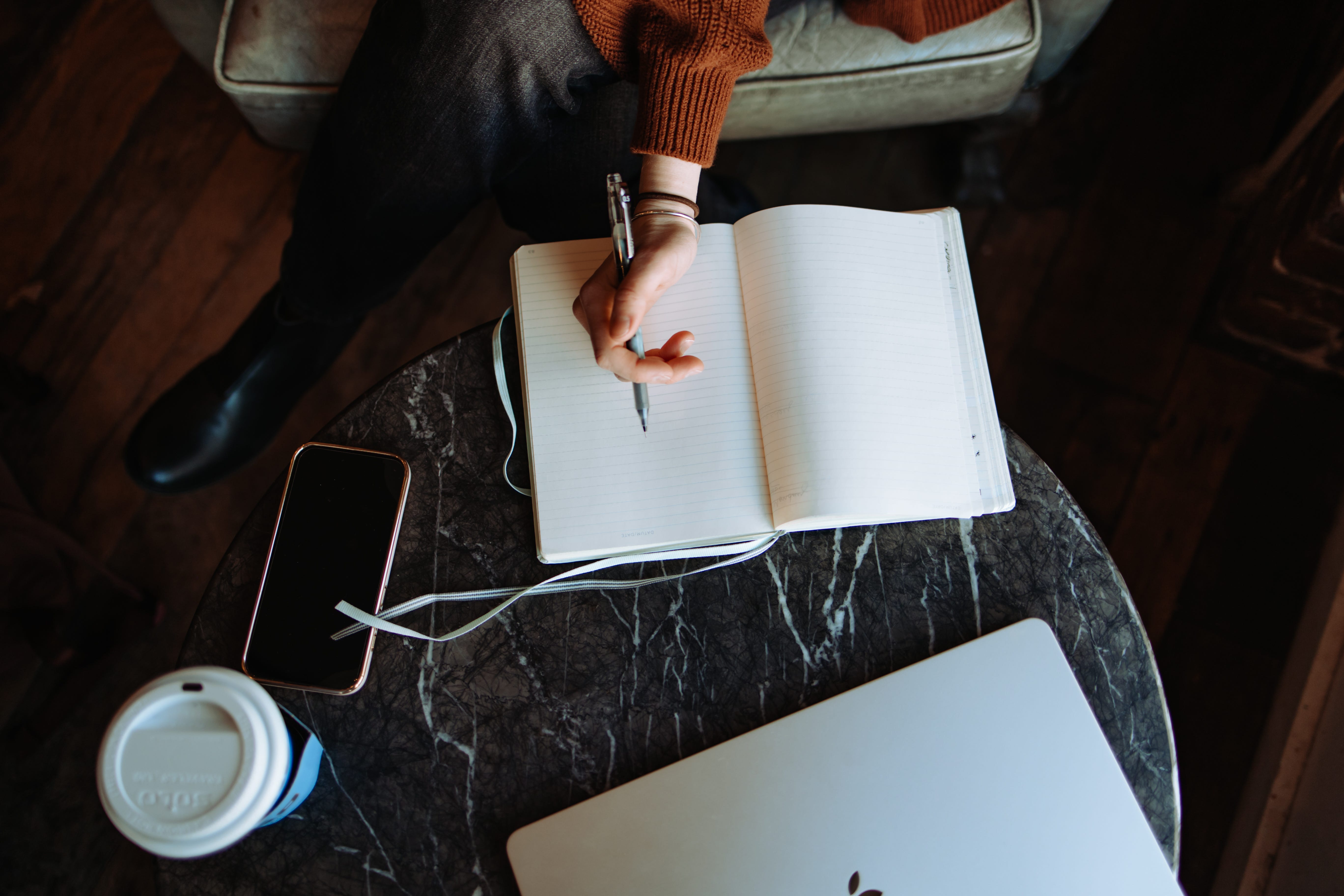
I walk my dog a few times a day. Three times, to be exact, split between my wife and me, depending on our schedules. We walk the exact same route each time, maybe a half mile total, in a loop around the blocks near our apartment.
It may sound boring, but the consistency of the routine provides me a lot of meaning. It’s on these walks that I notice the changing of the seasons, which happens slowly over weeks, one bloom or leaf at a time. I notice the weather and the flickers of nature in my urban city. Because I know the walk so well, my brain can truly turn off while I just exist with my dog on my streets.
Very often lately, I catch myself thinking on these walks: how much of my life, added up, is spent walking around these same six blocks, over and over again, in a loop?
The average person spends 9 years watching TV during their lifetime. We spend 26 years sleeping during our lifetimes. We spend over an hour just eating every single day.
The most mundane activities in our life are actually where we spend the most time. If you really stop and think about it, it’s staggering. We often think our life in terms of a list of accomplishments, a resume, a high-level summary of what makes us us: where we went to school, what jobs we’ve had, who our friends are. But most of our time is not spent getting promotions or running a marathon, traveling to a new country or getting married. Those things happen, if we’re lucky, and they have outsized importance in our minds and the stories we tell about ourselves. But they are the rare exceptions to otherwise daily activities: eating, working, scrolling social media, going to the bathroom, walking your dog.
Emily Dickinson wrote one of my favorite lines of poetry about this exact idea:
Forever – is composed of Nows –
‘Tis not a different time –
How we spend our time comprises who we are as people. But too often, we forget this, focusing instead on a future ideal, spending our energy waiting and working for that goal instead of thinking about the present. Walking my dog seems inconsequential some days, when I’m preoccupied with what my next career move should be. I eat my lunch on autopilot, grabbing the same food that I eat a few days a week out of the cabinet, while I spend hours dreaming about having kids and building a house in New England.
The now gets eclipsed by the someday.
But the “someday” dreams are eternal; they will always be there. No matter what we accomplish, we’ll always want to do the next thing. It’s human nature, I think, to be unsatisfied, to constantly want more.
But there is power in the mundane. Rather than thinking about the quotidian chores of life as bothers, it’s freeing to think about them as part of a life well lived. Cumulatively, walking my dog around the same six blocks will take up days of my singular, beautiful life. As silly as it sounds, measured in time, that’s a bigger part of my life than the 1 minute I spent graduating from law school, or the 16 hours I spent taking the Bar Exam.
We can shape who we are not only by chasing big things, but by reshaping our daily habits. Minute-for-minute, these changes will have a bigger impact on the actual experience of living our lives.
We always think we’ll do better someday—we’ll eat healthier, work out more, sleep more, drink more water, whatever it is. The day is just not today, because our habits run deep. There’s inertia involved when trying to do something new. Overcoming it is incredibly difficult.
I recently listened to a podcast that explained this exact phenomenon as applied to animals. So many people wish animals were treated better and agree with arguments for being vegetarian or vegan, but don’t yet make the change. This contradiction presents a classic “forever” versus “now” dilemma: the “forever” of a world that treats animals well is attainable, but the way we spend our “nows” prevent it from happening. Instead of changing our habits—finding different snacks, swapping out dairy for plant-based milks in our coffee, choosing the vegetarian option at a restaurant to create market power—we just default to what we know.
But each meal choice is a “now” moment. Choosing plant-based options might seem insignificant at any given meal, but over time, these choices compound. A vegan might spend the same amount of time eating as a non-vegan, but she saves over 200 animals per year. That's a powerful “forever” composed of simple “nows.”
This principle applies beyond diet. Every time we choose a cruelty-free product, opt for sustainable fashion, or support businesses with ethical practices, we're aligning our “nows” with the “forever” we want to see. These choices might feel small or inconvenient in the moment, but they're how we build the world we wish to live in.
To wish for a better future is important. But to work for it is how we get there. And this work doesn’t have to be hard; every little bit counts. It’s easy to think, I could never be vegan, so what’s the point? But maybe this week, you could think about what you can do. After all, small habits are how we live our lives. When I spend too much time scrolling on TikTok, I feel icky; when I spend my mornings reading a new novel or getting a jump on writing, I feel fulfilled. The habits of our lives matter, both to who we are and to our sense of happiness and peace.
This week, I hope you reflect on your “nows.” What habits do you do unthinkingly? Which habits do you want to change? What’s stopping you? If you want to do something differently, or accomplish something, now is the time.
Finding joy and meaning in the “now” is part of many philosophical and spiritual traditions. Building habits that align with your values can help facilitate this connection to the “now.” For me, eating plants is a habit that makes me feel more compassionate, more spiritually connected with the earth, and more purposeful in my work. I get to feel like this every time I put a bite of something in my mouth (which is many, many times a day).
My “nows” align with my forever.
If forever is composed of nows, I want to feel proud and satisfied in how I spend my time—not just in the big moments, but in the small ones, too, because those are where our life truly happens.
How will you spend your nows?
Comments
Nothing yet. Say the first thing.
Sign in to join the conversation.