
Welcome to Being Animal. This newsletter explores the intricacies of human-animal relationships. Through personal stories, commentary on current events, and thought-provoking debates, I hope to challenge your assumptions and deepen your understanding of how animals are treated in our society. How we treat animals matters— for our own health, for our planet, and for our sense of morality and humanity.
I want to make the world a better place for animals. To do this, we have to change how we think about animals. This week, I’m writing about the joy and bounty of harvest season. It’s a great time of year to lean into plants and cook hearty food from the earth.
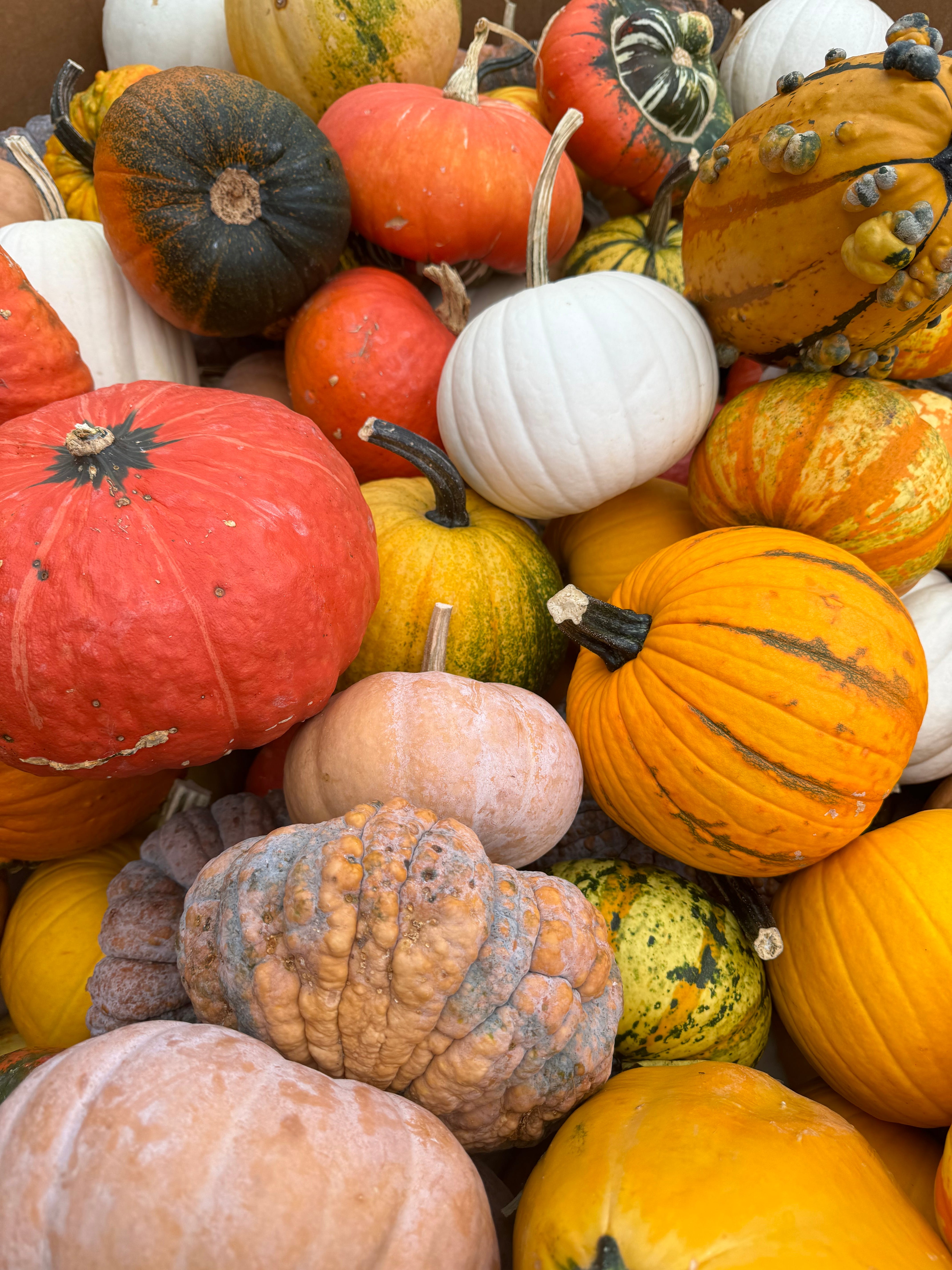
Today is the first day of Fall. And today I have a simple thought: fall is the perfect season to try eat more plants.
When I was growing up, there would be a few weeks a year, right as the heat of summer began to cede to the glow of fall, where we’d make succotash. I’d stand with my mom at the kitchen sink shelling beans, plopping pink-and-white mottled beans out of the rough pods. We’d boil the beans and corn and add some butter and salt and milk. The sweetness of the corn with the savory texture of the beans was a perfect combination.
“Succotash” was a common food for 17th century Native Americans in New England, and they taught starving colonists how to combine these foods for a hearty and nutritious meal. The word itself is an Anglicized spelling of the Narragansett word for “broken corn kernels.”
Often, the simple meal included some sort of squash, to round out the food groups. Corn, beans, and squash were known as the “Three Sisters” because the Native Americans would cultivate them together in a harmonious use of the land. As Robin Wall Kimmerer recounts in her book Braiding Sweetgrass, the Three Sisters each grow at their own pace, and can use the same mound of earth in tandem, refueling the soil with what the other takes. The lesson is one of symbiosis and reciprocity: the Three Sisters grow better together than they do apart.
And when eaten together, these three foods combined create a filling, hearty, and healthy meal. As Kimmerer writes, not one of these plants could sustain human life alone; but all three, combined, work together to completely nourish human bodies.
Autumn carries so many cozy associations: pumpkin spice, apple pie, mulled cider, and more. We love the deep colors that burst forth on trees around the country. The richness of the season is part of why so many people love it so much.
But it’s also an opportunity to notice the variety and richness of plants, and to lean into them a little more on our plates. Sweet potato, delicata squash, butternut squash, pumpkin, and more are suddenly piled on grocery store shelves. Beans and lentils are there for you, too.
Fall is a season for harvest.
One of the most rewarding parts of adopting a vegan diet has been connecting with the seasons more. I often grocery shop by looking for whatever vegetable looks the freshest and most local, and then building a meal from there. In the summer, fresh tomatoes and basil beg to be combined for a fresh salad or a summer pasta. And in the fall, squashes, herbs, and beans call to me.
So many of us rely on animal meat to anchor a meal. We order at restaurants by calling out the meat (“I’ll have the chicken,” or “the pork”). We think of a meal as complete only if animal protein sustains it.
But in fall is a reminder that plants give us everything we need. Rather than start with a piece of meat and add vegetables to the side, this week, I encourage you to start with a vegetable. Even if you include meat or dairy in your meal, this simple mindset shift will help you refocus the central energy of your meal, and help normalize the idea that vegetables can give us everything we need, too.
The truth is that fall makes this easy, because there are so many options for hearty plant anchors: an acorn squash roasted and stuffed with quinoa and beans; a delicata squash air fried and tossed with kale over chickpea pasta; butternut squash chili with avocado and cilantro. The list is endless.
Listen to your body for what sounds good, or check what your local farmers’ market is featuring. Maybe it’s a sweet potato, or a zucchini, or a squash. Think of that flavor, and build from there. It’s a simple change, but it unlocks a whole new way to relate to plants: not as sides, but as mains. As a source of sustenance, better eaten together than one-by-one alone.
Tonight, my wife and I will crack open a pile of pink shell beans and boil some corn, seasoning the mixture with vegan butter. We’ll make our own succotash, and serve it alongside a roasted delicata squash. We’ll lean into the bounty the earth has provided us, eating plants conjured from soil and water and light. It feels so good to connect to our bodies and to the earth’s seasons, eating plants that came from the ground.
It’s a magical season.
Happy Fall, and happy plant-eating.
Comments
Nothing yet. Say the first thing.
Sign in to join the conversation.