
According to the Oxford English Dictionary, the term side quest was coined back in 1978 in the South Atlantic Bulletin. Beyond that it saw greater use in TTRPGs, RPGs, and eventually video games. A side quest is an optional endeavor that is self-contained and not connected to or required to complete the game’s main story. Its main goal is for the player to earn additional rewards. Today, side quest has become ubiquitous outside game contexts to mean impromptu real-life diversions or unexpected undertakings that could relate to careers, politics, or life. For example, I’ve walked past bodegas here in Manhattan that advertise coming inside for a drink or sandwich completes a side quest.
Why is this of interest to us in TTRPGs like D&D? In a collaborative storytelling game, a quest cut off from the main story is a harder sell than it is in a single-player video game. If the ‘goal’ of a side quest is to offer rewards and show a different side of the world, is there a way to simply achieve that as part of the main story? After all, when we hear the word “side quest” we think “skippable”. Most of my players prefer focusing on the main campaign story. They’ve also told me that anything side-quest related should in some way connect back to the main story, tie to one of the character’s backstories, or connect to the world and story as a whole.
If that’s the case, is there ever really such a thing as a side quest in these contexts? Storylines and quests that are truly diversionary run the risk of affecting player buy-in, because players may end up asking what the point is and wanting to skip it altogether.
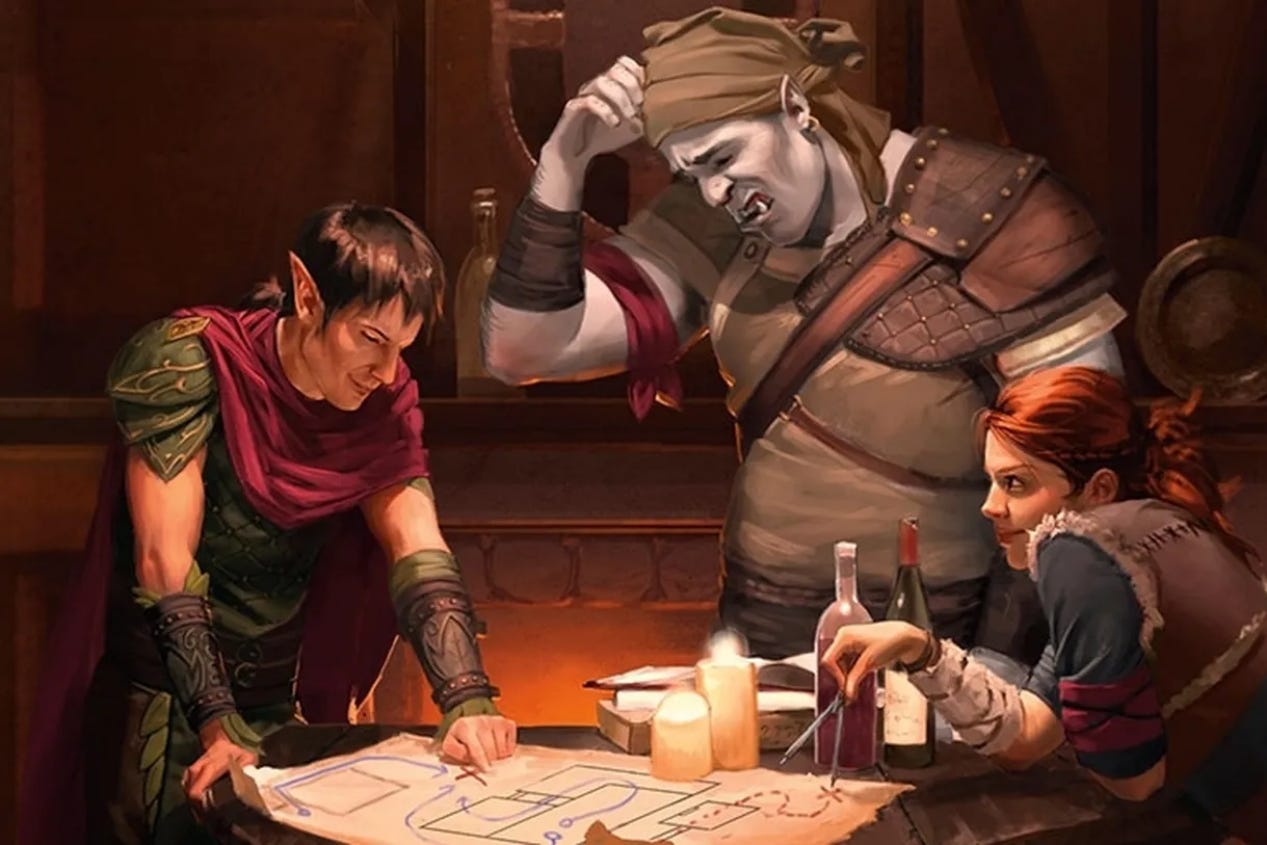
After a string of heavy sessions, it’s not uncommon for players to ask for a lighter diversion or some downtime. Sometimes we might make that call ourselves too. For example, a major villain was just defeated and the next arc needs room to breathe. Side quests are easier to prep, lower in stakes, and a clean way to hand out rewards. That’s certainly why I’ve made them in the past.
Side quests have a place in every gaming format, but the original mold comes from videogames. However, a videogame side quest is often a shorter commitment (e.g., several hours or less), contrasted to the weeks or months of commitment needed for our sessions. The Waterclock Crypts dungeon I built for my players ran five sessions, or five weeks at the table. Roughly 18+ hours in total. The whole thing was rooted in one player’s backstory, and even with that hook driving buy-in, I worried I’d lose the rest of the party along the way.
This is because my worry came from experience. An earlier campaign arc involving Valindra Shadowmantle, the famous D&D lich, had puttered out because I was more focused on consequences than connection. Valindra existed because the party crossed her in a much earlier session and I wanted her to be an antagonist that moved against the party. However, her connection to the main story was undercooked and she felt like a side villain who existed only to be annoying. In essence, a mostly disconnected side quest. Unfortunately that didn’t help carry an arc and my players eventually grew bored of her.
So when I prepped the Crypts, the risk was lower but the apprehension was the same. I planted some insurance: a seed connecting the side dungeon back to the main campaign. Tucked into the villain’s desk was a signed bill of service. The leader of the city had paid him 200 gold a day for thirty days to cast Nystul’s magic aura, a spell that hides the magical qualities of items. And that piqued their interest because my players are hunting for a very special magical item stolen from them. The dungeon was still a backstory payoff for one player, but every other player at the table walked out with a name and a breadcrumb.
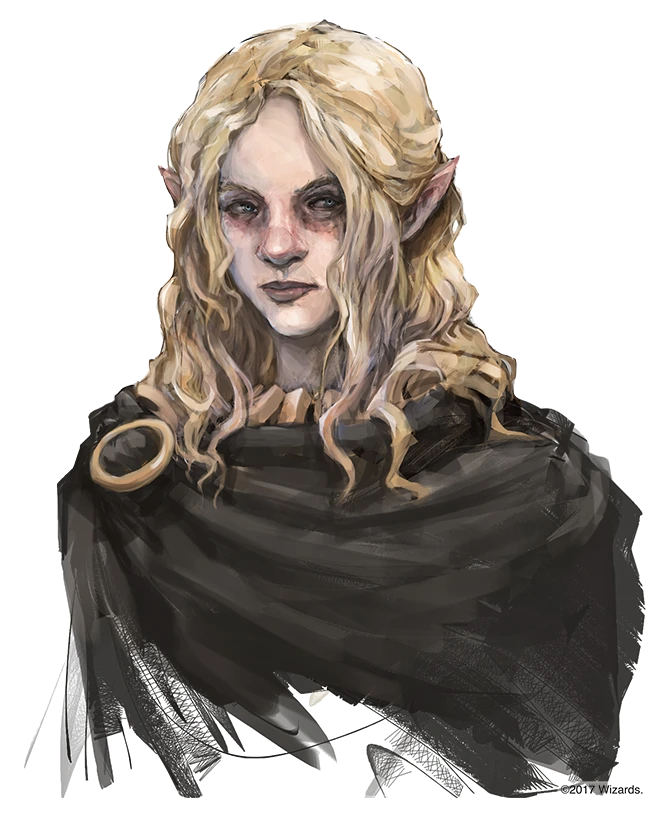
If you’re building a side quest, find one thread that ties it back to something the players already care about. One thread is typically more than enough but there’s no harm in having more. Players don’t need every detail to connect, they just need to feel like the diversion belongs to the same campaign. Now when I prep my side quests, I think of four places to look for connections.
This is the most direct connection. The side quest reveals something new about the main villain, shows the consequences of the players’ choices, or raises the stakes of the central conflict in a smaller frame. The trick is to keep at it and remember that these connections need consistent tending to remain relevant.
If the campaign is about stopping a lich whose armies are marching south, a side quest doesn’t have to be the army. It can be a missing artisan in a border town whose disappearance turns out to be a recruitment effort (of the undead persuasion). The players don’t fight the lich today but they do learn how far its reach has already spread. The main story moves forward even though they took a detour from it.
Ask yourself: What does this side quest let the players discover about the main plot that they couldn’t see from taking it on directly?
A side quest pinned to a PC’s backstory gives that player ownership of the arc. They get a spotlight and the rest of the table gets to learn something about a person they’ve been adventuring with.
The caveat is that it’s easy to stop at the backstory. I’d advise taking things just a little bit further by tying it to something the rest of the party also cares about. The Waterclock Crypts worked because one player’s backstory led the party into the dungeon, but the bill of service waiting at the bottom belonged to everyone. The spotlight player got their resolution, while the rest of the party got their next clue and course of action.
Ask yourself: Whose backstory is this serving and what does it give the other players to chase afterward?
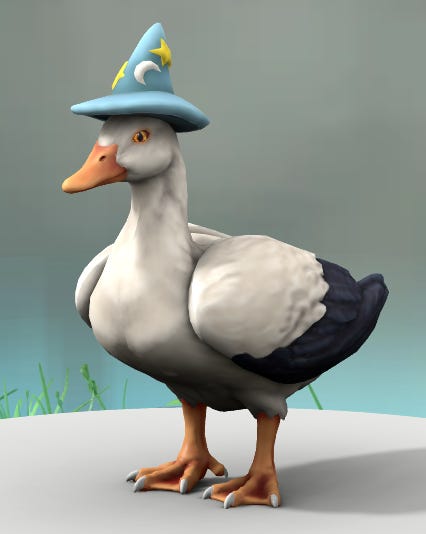
The players already trust the tavernkeeper, the quirky wizard, or the talking duck vendor named Mr. Jenkins. When that NPC asks for a favor or shows up as a victim, the buy-in is automatic.
The trick is to use the familiar NPC as a bridge and not necessarily a destination. The tavernkeeper’s missing brother is a starting point. What the players find when they track him down is what makes the side quest stick. Maybe he’s been working with the main villain’s smugglers. Maybe he saw something he wasn’t supposed to. The familiar face opens the door, while the unfamiliar thread on the other side keeps the campaign moving.
Ask yourself: Which NPC do the players actually care about and what bigger thread can their problem expose?
This one’s slower-burn, but it’s where worldbuilding can be really helpful. A side quest can show the players how this world actually works: what a wedding looks like, how the harvest gets in, what people argue about at the market. The lore stops being something the DM tells the players as part of description and becomes something they actually experience.
The strongest version layers the worldbuilding underneath an actual mechanism. Helping a small town prep for a harvest festival is the surface. The reason the players are helping is to keep eyes on a suspected fence working the crowd. In that way the side quest becomes the stage the main story uses to move forward. The players learn how the town celebrates and they advance the main story at the same time.
Ask yourself: What piece of the world am I trying to show them and what main-story task can ride underneath it?
Before your next session, take any side quest you’ve been planning and run it through one filter. Pick one of the four connections: main story, PC backstory, known NPC, or the world itself. Find one thread, no matter how thin, that ties the diversion back. A name on a piece of paper, a shared NPC, a custom the players have to navigate.
If you can’t find a thread, the side quest might not be a side quest at all. It could just be filler and that is where we risk our players’ buy-in.
No posts
Comments
Nothing yet. Say the first thing.
Sign in to join the conversation.