

For years, marketing had a simple mandate: understand the customer, build consumer desire, and drive demand. The best marketers were cultural observers, storytellers, and creative thinkers, with their role being to understand what people wanted before they wanted it, by turning insights into campaigns that could capture attention, therefore building consumer connection.
But the modern marketer sits in a very different role. Today’s Chief Marketing Officer (CMO) is no longer simply the person responsible for brand perception, advertising, and customer engagement; they have increasingly become the face of the brand itself. The modern CMO has become responsible for driving growth, influencing business strategy, and defending marketing investment at the highest levels of the organisation.
The role is evolving from creating campaigns to creating commercial value. Marketing leaders are now expected to think beyond creativity, culture, and consumers and instead need to understand budgets, financial forecasting, and long-term growth. Not only do they need to explain why an idea matters, but also how it contributes to the future value of the company.
Managing Brand Equity
In 1991, David Aaker introduced the concept of brand equity in his book, ‘Managing Brand Equity’, essentially changing the way that marketers viewed brands. They were no longer simply outputs of campaigns; they were genuine business assets capable of creating long-term financial value and growth.
Over 30 years later, the challenge is no longer convincing marketers that brands create value; the challenge is having the right argument to convince the rest of the executive team.
This sense of disconnect has never been about whether brand matters; it’s about how value is communicated. Marketing and finance teams are all trying to achieve the same end goal: building a more valuable business, but they simply measure growth through different lenses.
Brand teams talk about mental availability and share of voice, whereas finance teams talk about revenue and growth margins; but the best marketers are the ones that can bridge the gap between the two.
How The Role of Marketing Has Changed
Twenty years ago, a successful campaign was often judged by its ability to capture attention, such as whether it created a conversation, if people remembered it, or if it became a part of culture, with the creative idea being the focal point.
Today, the creative aspect is only one part of the equation, with the CMO now considering brand equity, market share, and long-term business growth.
However, the CFO influences what gets funded, how budget is allocated and which investments are prioritised. As marketing budgets face increasing scrutiny, CMOs need the language to demonstrate not only that a campaign is compelling but that it is strategically valuable.
The best marketers are becoming fluent in both these worlds by understanding that creativity creates attention, but investment creates scale. They know that a great campaign can drive short-term sales, but its greatest value often comes from building stronger brand preference over time.
Essentially, the modern marketer needs to become both a creative storyteller and a financially fluent leader.
A Case Study On The Art of Brand
One of the biggest tensions facing marketers today is that brand building often requires investment before it delivers measurable returns. Performance marketing has trained many organisations to expect immediate results, with the time between a campaign launching and the success of the launch being measured within a few days. However, brand does not work in the same way, with brand compounding over time through repeated exposure, emotional connection, and increased consumer trust.
Brands’ impact is usually seen through stronger demand, higher consideration, and increased pricing power. It is at this point that marketers often face resistance; the value of brand is understood by marketing teams, but it is harder to translate across the rest of the business, particularly to CFOs.
Few companies demonstrate the long-term value of brand investment better than The Coca-Cola Company.
Coca-Cola’s success has never been built solely on the products it sells; instead, its advantage comes from decades of investment into consumer memory and emotional associations.
While competitors have often shifted marketing strategies in response to short-term market pressures, Coca-Cola has spent decades reinforcing the same distinctive brand assets and emotional positioning.
Its red colour palette, Spencerian script logo, contour bottle, Santa Claus imagery, “Share a Coke” campaign, Christmas trucks, and consistent association with moments of cultural togetherness have become mental shortcuts that make the brand instantly recognisable around the world.
Rather than reinventing itself every few years, Coca-Cola has invested repeatedly in making these memory structures stronger, ensuring consumers think of the brand first. More recently, the brand has ‘rebranded’ by reinvesting and doubling down into the brand associations we all know and love about Coke, such as its red and white colour scheme and dynamic ribbon.
Coca-Cola showcases that investing in brand familiarity is one of the most valuable assets you can own, so why introduce new visual codes when you can lean into what everyone already knows and loves about you as a legacy brand?
Coca-Cola showcases the value of brand as an investment rather than a cost centre; however, the challenge that many marketers face is the communication of this value to the rest of the business in terms the CFO will understand.
The Translation Issue
The biggest issue for marketers today is not disagreement on growth; it’s that finance and marketing describe growth differently. Marketers measure growth based on brand awareness and future conversion, whereas a finance team may question how this translates into revenue or margins.
This brings us to our brand partner Tracksuit, who have found that while both teams want to drive long term growth, brand is getting lost in translation
Brand teams talk in salience, share of voice, and mental availability, whereas Boardrooms speak in CapEx, compounding returns, and pricing power; both describe how value is built over time but in different languages. Tracksuit University is where marketers go to close this translation gap, with the course teaching the financial language of brand investments and outputs a one-page business plan that can be taken directly to your CFO.
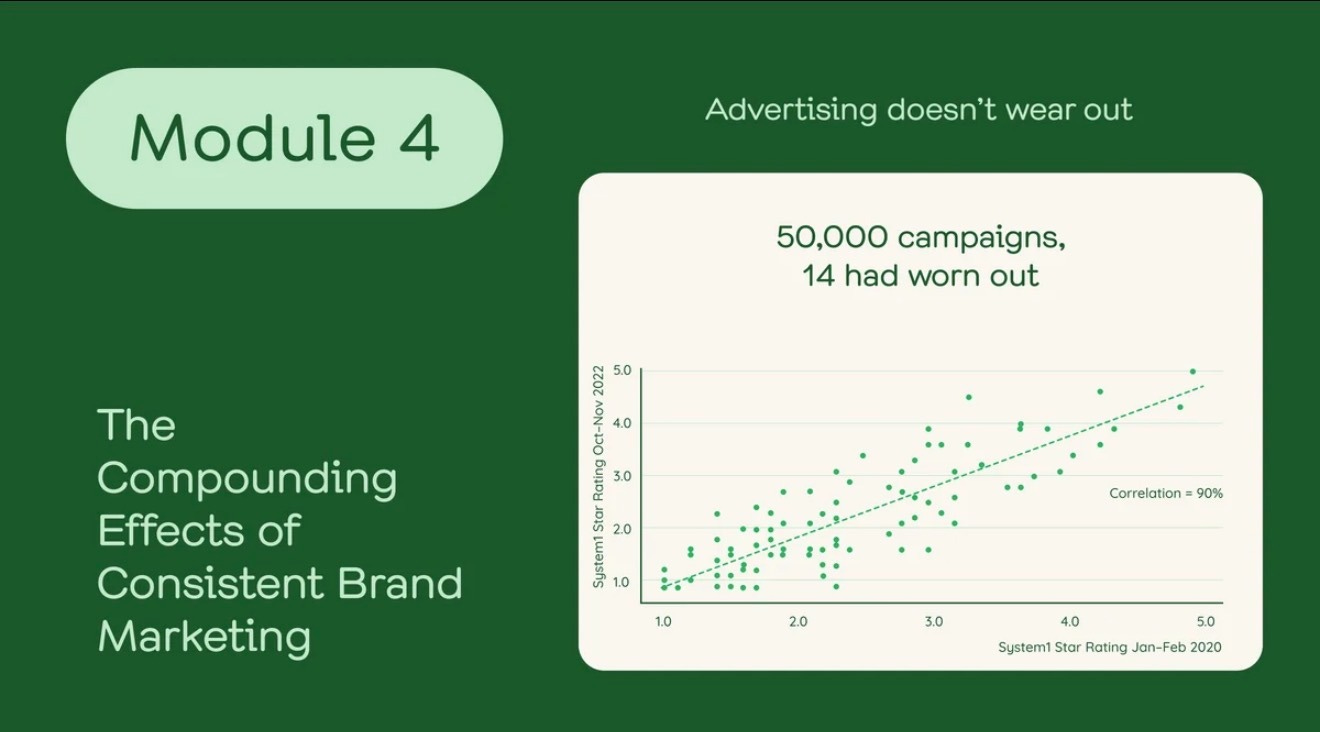
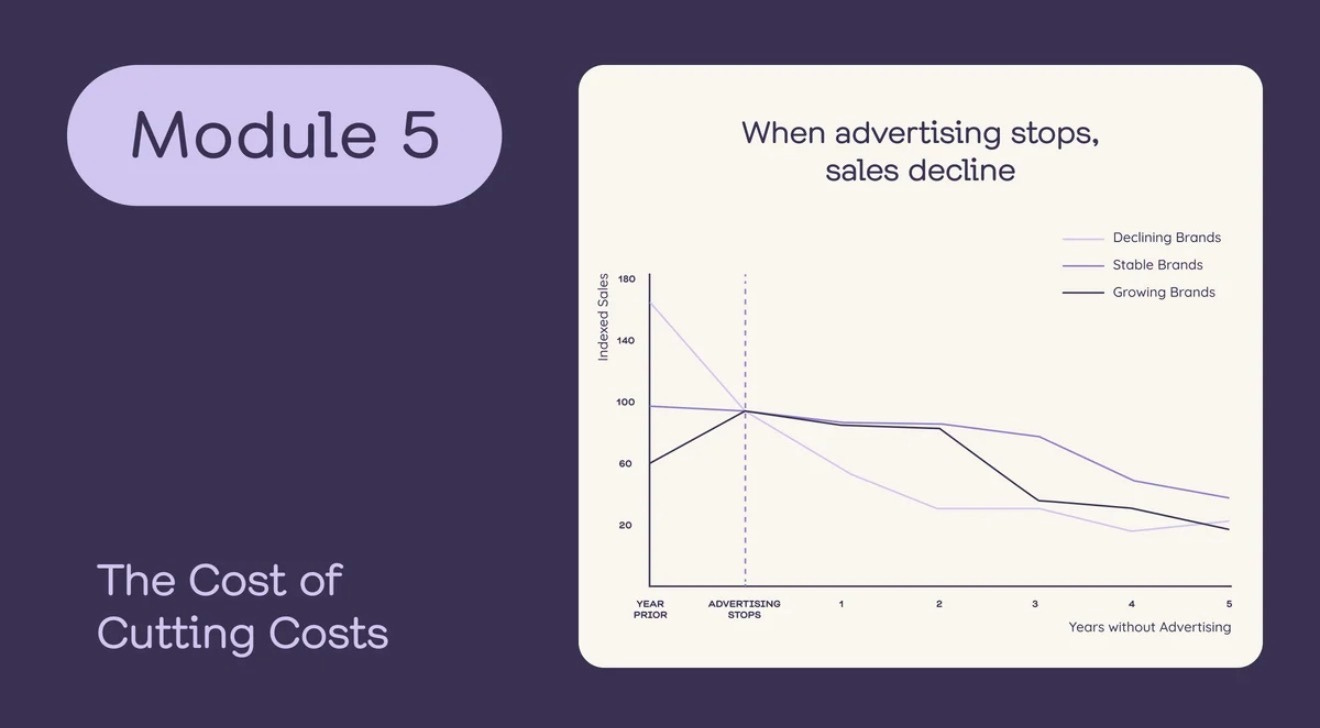
Tracksuit University is where marketers go to close this translation gap. The course is taught by Co-Founder and global marketing effectiveness expert, James Hurman where he shares 8 short modules that can be watched in less than two hours, ensuring you understand the financial language of brand investments.
Learning The Finance Handbook
For the modern marketer, financial fluency will be as important as creativity. The modern CMO won’t have to just present a campaign and explain consumer attention; they will need to have the ability to articulate why this investment matters commercially. Such as, explaining why increased awareness influences future demand and why reducing brand investment can create long-term cost, the ability to translate the marketing world into financial outcomes will become one of the defining skills of the best senior marketers.
Expectations placed on marketing leaders have completely changed, with CMOs expected to influence boardroom decisions, manage investments, and drive consistent business growth, but those without the right formal teaching in how to communicate marketing value in financial terms will never reach their true potential.
Those leading within the marketing world need both education in consumer behaviour, creativity, and brand strategy, as well as the ability to communicate with finance teams and translate marketing outcomes into the language of business growth. The future of marketing belongs to those who can communicate comfortably in both the marketing and finance worlds, not just building brands that consumers love but brands that businesses value.
Grace Kortegast, Global Partnerships at Tracksuit comments:
Marketers and finance both with the same thing, to grow the business. The gap is in translation, not belief.
Creativity and innovation will always remain at the heart of marketing, even in a world increasingly shaped by AI. The ideas that capture attention, build emotional connection and shape culture will always define a great brand. But as consumer attention shifts and becomes more competitive to capture, investment intensifies, and marketers must become as confident discussing commercial value as they are discussing brand value.
Grace Kortegast, Global Partnerships at Tracksuit further adds:
Great brands grow great businesses, proving it has always been the hard part. Getting the whole team on the same page starts with a shared language between marketing and finance.
The modern CMO will present investment cases as well as campaigns, understanding how brand equity creates pricing power and how today’s marketing decisions influence tomorrow’s business performance. Marketers securing the biggest budget investments won’t necessarily be the ones with the loudest ideas, but those who can articulate long-term commercial value.
Learn more about Tracksuit university and receive your one page brand investment plan to take to finance and 20% off the course with the code BECAUSEOFMARKETING.

Comments
Nothing yet. Say the first thing.
Sign in to join the conversation.