
In 2026, we are witnessing one of the biggest wealth transfers to date, as we see the switch from corporations to creators.
With the creator economy predicted to reach $500B by 2027, creators are establishing long-term partnerships over short-term collaborations, a seat at the cap table and even equity in brands.
In partnership with Modash, we examine why creator influence is evolving into creator ownership and why brands are rethinking how they build long-term relationships with creators.
Distribution, community and trust are values brands have spent years trying to build. Creators own all three. With this power, the most influential creators are no longer negotiating payment for a single post. They’re negotiating equity, advisory roles and a seat at the cap table.
As consumer attention becomes more fragmented, the value of trusted audiences continues to rise. Brands once relied on Hollywood celebrities to front campaigns, but today they’re investing in creators who have built highly engaged communities around shared interests, expertise and culture. Rather than borrowing attention for a campaign, announcement or moment, brands are investing in long-term partnerships with people who influence purchasing decisions every day.
Creators have become one of the fastest routes into culture. They understand their audiences better than almost anyone else, they’ve proven they can capture attention, and they’ve earned trust over time. As a result, this era is becoming stronger; creators are becoming strategic business partners, launching products, building brands, joining cap tables and, in some cases, stepping into advisory and leadership roles alongside the companies they help grow.
To understand why creators are moving beyond content creation and into ownership, we spoke with Anna Klappenbach, Senior Partnerships Manager at Modash, on this evolution:
“Creator founders already have an engaged audience. That’s a great and crucial part to get started and get the business off the ground. But to build a consistent revenue stream, they need to build a system that works without them.”
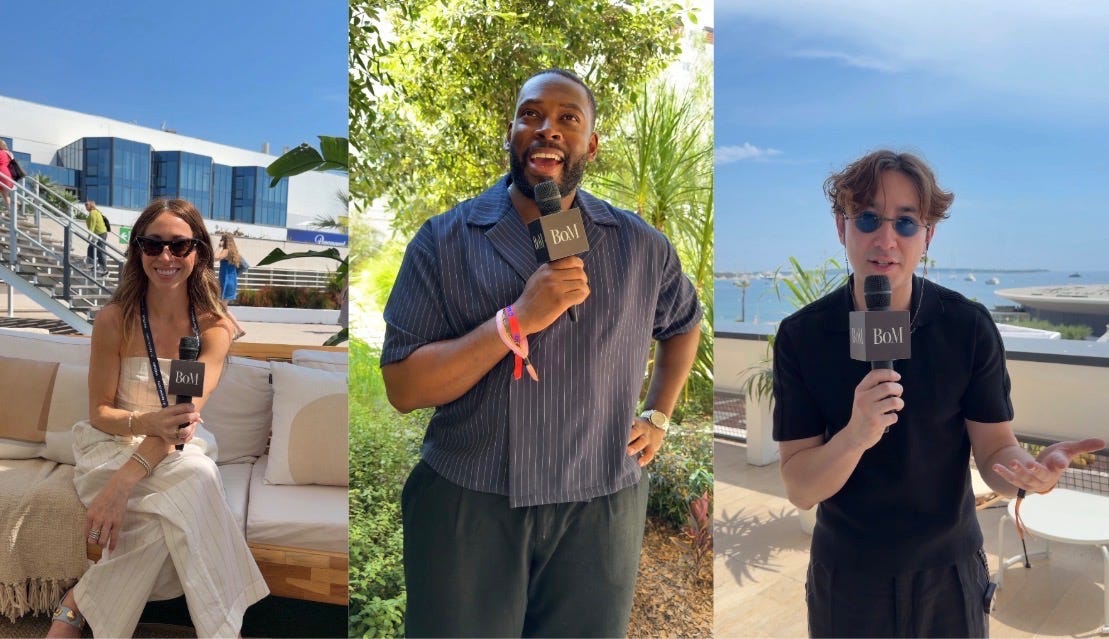
Cannes Lions 2026 is a strong example that creators have entered the boardroom. Once dominated by big advertising agencies and legacy brands, this year’s festival placed creators at the centre of the conversation.
Over 500 creators were in attendance at this year’s festival of creativity, not simply to document the week but to lead the discussions on media, marketing, and the future of creativity.
Klappenbach, Senior Partnerships Manager at Modash, confirms:
“Having an audience is the most valuable currency of our time. And this value has finally won creators a seat at the table. Many still attend to create content for brands, but there has been a significant increase in creator speakers this year, too. And rightly so! The most successful brand partnerships bring the creator on board early on instead of adding them as an afterthought.”
At the festival, Because of Marketing spoke with Eugene Healey, educator, brand strategy consultant, and expert in creator marketing, who emphasised the shift from the celebrity to the creator. In terms of ads using celebrities, he described them as an:
“Empty vessel to read a script.”
Whereas the main differentiator in utilising creators is that they have a defined perspective that is tailored to their engaged audience, meaning brands must recognise that:
“You are taking your brand into the creators’ world through their distribution channels.”
Eugene shared with Because of Marketing how creator platforms have something invaluable to brands: an engaged audience, communities of loyal fans, and distribution channels that will scale and grow brands faster than traditional celebrity-focused partnerships. These key assets are invaluable in a world where marketing is expensive, making creators the invaluable shortcut to culture that brands are reaching for.
Another shift across the industry is the rise of the role, ‘creatorpreneur’.
Speaking with Jaclyn Johnson, founder, Angel Investor and CEO, she emphasised how we will be seeing:
“More and more creators on cap tables.”
Johnson put this down to three reasons: creators have something invaluable to brands: a built-in audience, distribution channels, and trust.
“Therefore brands that can get creators invested both financially and as a partner can scale and grow quicker.”
The startling difference between brands and creators is that creators understand audiences in a way that most brands don’t. They are in constant dialogue with their communities, testing in real time to see what works and what doesn’t to drive purchase decisions. Once a creator starts to contribute to a brand on a commercially valuable level, a traditional paid partnership begins to lose its momentum.
A recent example of two strong creators is Colin and Samir, hosts of The Colin & Samir Show, who secured a four-part YouTube creative series with Lexus. The duo will host Colin & Samir Start Over, a series that sees the pair travel across the country in a Lexus GX 550 and Lexus RZ 550e, discovering and trying new things that spark creativity. Rather than investing in a short-term deal, Lexus invests in a long-term partnership series that already aligns with Colin and Samir’s style, audience, and storytelling, becoming part of a narrative that can stand on its own and that viewers choose to watch.
This style of long-term creator-brand partnerships shows the new approach to the creator economy. Brands are investing in creators as long-term media partners, funding formats and series that can evolve over months rather than weeks. These relationships give creators the freedom to produce work that feels authentic to them and their audience, further building trust, while giving brands repeated exposure within content that audiences value.
Brands investing in creators are also moving beyond partnerships and into the C-suite. Rather than paying creators to promote products, the brands scaling even further are giving them a seat at the table. Take Jake Shane’s appointment as Chief Creative Officer at German gummy brand Katjes as an example. As a genuine fan of the candy for years, organically mentioning them within his content, this appointment made perfect sense. The brand recognised that Shane’s cultural influence and affinity for the brand could help shape its creative direction better than any other partnership, evolving the creator-brand relationship from transactional to transformational.
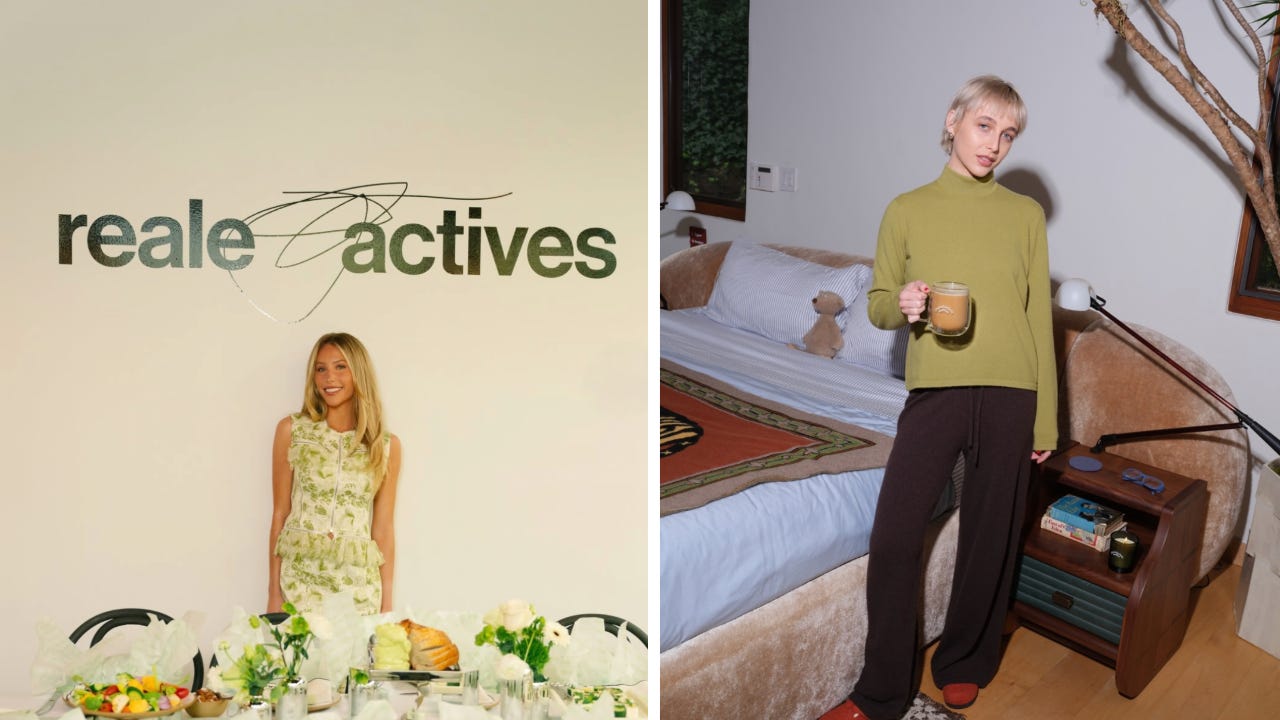
Emma Chamberlain helped define a generation of creators as one of the internet’s first YouTubers to have huge success within the founder space. By transforming her influence into Chamberlain Coffee in 2019, she built a brand that extends further than her YouTube audience, stocked in over 8,000 retail stores spanning Walmart, Target, and Costco. Most recently, the brand opened its first permanent cafe location in Los Angeles, signalling that creators are building brands by cultivating their engaged communities, with the distinction between creator and founder being rewritten.
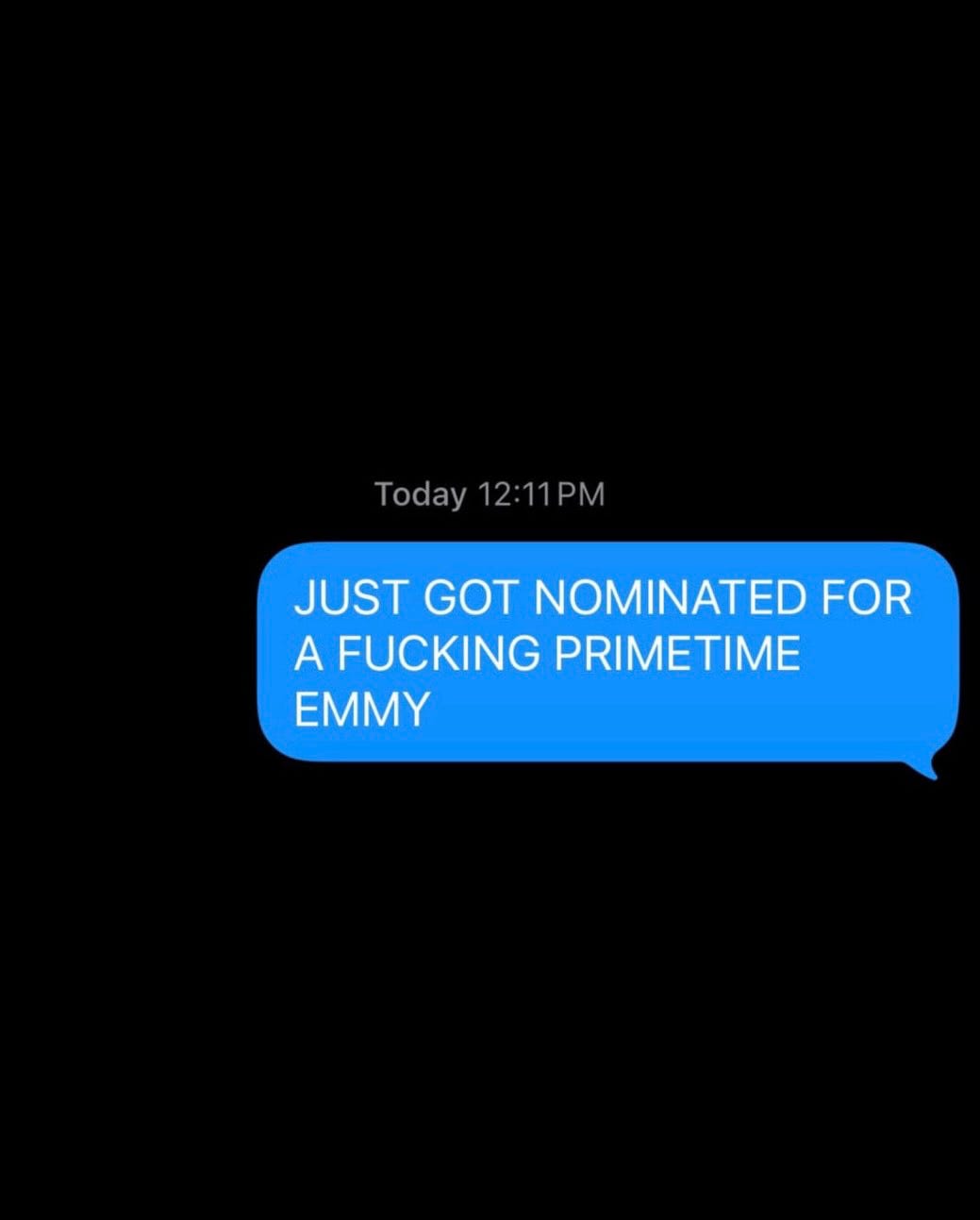
At the same time, the new generation of creators are proving that internet-native formats can evolve into mainstream media entertainment. Most notably, Kareem Rahma’s Subway Takes has grown from a social series into one of the internet’s most recognisable interview formats. The show’s continued growth even earned Rahma’s recent Primetime Emmy nomination, illustrating how creator-led formats are increasingly being recognised alongside traditional media.
Klappenbach, Senior Partnerships Manager at Modash, speaks on the new direction of the entertainment industry:
“The influence of creators has become impossible for the entertainment industry to ignore. Netflix, for example, has promoted new series through established creator formats like Hot Ones with Sean Evans and has even expanded into creator-style content by launching an exclusive podcast series featuring cast members from one of its original shows.”
These examples point to the new phase of the creator economy. The most valuable creators are building brands, producing original formats, and influencing culture in ways that traditional advertising fails to replicate. Whether they are launching consumer brands or taking seats within the C-suite, creators are becoming ‘creatorpreneurs’ by combining the trust and the community of a creator with the strategic ambition of a founder.
Brandon Smithwrick, Content Marketer and Strategist, goes on to explain how Newfronts, which was purely for press, media, and journalism, are now embedding creators into their media strategies, as creators are wanted to break these stories. He states:
“We are seeing a shift in media. Creators are now being embedded in a media strategy.”
Creators are increasingly stepping into roles traditionally held by journalists, hosts, and broadcasters, bringing their own formats, personalities, and communities to spaces dominated by legacy media. On the 2026 Oscars red carpet, creators Jake Shane and Quen Blackwell represented this changing creator landscape, joining the event as Vanity Fair interviewers. By replacing red carpet journalists with creators who already have built-in audiences and cultural credibility, the Oscars demonstrated the surge of creators embedded in media.
For founders and brands, the question isn’t whether to work with creators; it’s about finding ways to build deeper alignment, whether that’s through long-term strategic partnerships or even bringing creators onto the cap table. The value lies in creating relationships where creators are invested in the growth and success of what they help build.
The brands that will continue to push past the competition don’t rely on one-off collaborations or manual outreach every time they launch a campaign. Instead, they build repeatable creator programs that consistently identify new partners, manage relationships, and measure performance, making data critical.
As creator partnerships become more strategic, they also become more operationally complex. Instead of reinventing the creator process for every partnership campaign, brands can establish repeatable processes from day one, allowing a system that’s designed for long-term scale.
Platforms such as Modash are helping brands build those systems, enabling creators to build relationships over time and evolve from one-off campaigns into repeatable partnerships.
Businesses can benefit by bringing creators in early, eventually leading to where equity and formal advisory roles make sense, as they reflect the role a creator is playing in the long-term development of the business.
It’s another sign of how the role of the creator is evolving. As more creators earn equity, join cap tables and step into leadership positions, the businesses that succeed will be those that combine creative instinct with building systems early, allowing for growth and scale later.
When creators are invited onto the cap table, the creator-to-brand relationship shifts fundamentally.
They are no longer being brought in to amplify and spread a brand message; they are helping to define the business itself.
Comments
Nothing yet. Say the first thing.
Sign in to join the conversation.