
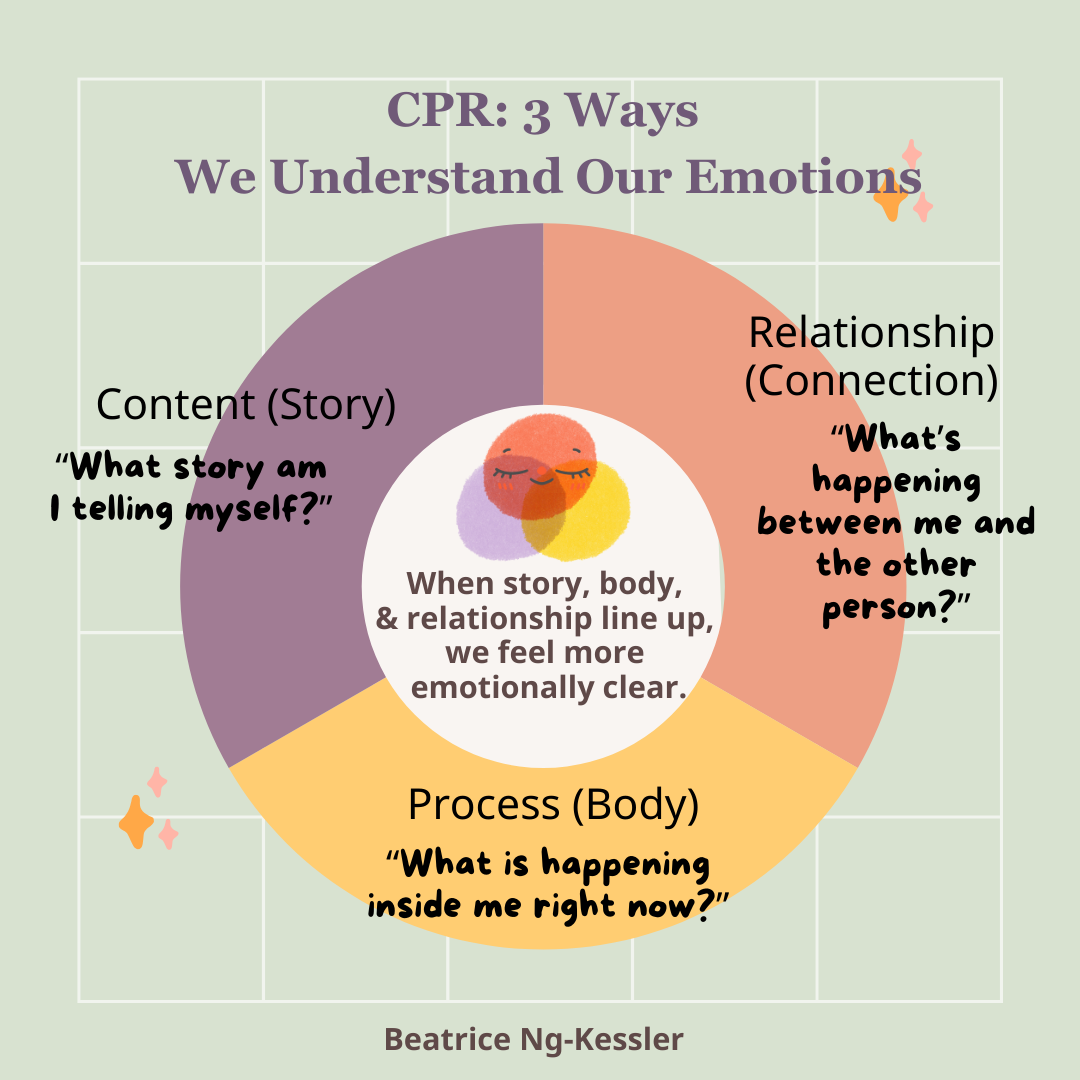
In my previous post, I argued that when the content does not match—that is, when our client does not seem to be answering our questions—we need to look beyond the content itself and examine the Process and the Relationship.
In this post, I would like to take the discussion one step further.
What if the relationship we need to examine is not only the one unfolding between therapist and client, but also the relationship within the therapist?
Just as our clients’ interpretations are shaped by their upbringing, cultural context, and previous relational experiences, so are ours.
How we make sense of what happens in the therapy room is also bounded by our own history, experiences, and predictive infrastructure. Equally important is the relationship we have with our own inner experiences.
What does this mean in practice?
If you did not read Part I yet, here you go:
Comments
Nothing yet. Say the first thing.
Sign in to join the conversation.