
Yesterday, I had the privilege of providing group supervision to colleagues in the Clinical Psychology Department at a local hospital in Hong Kong.
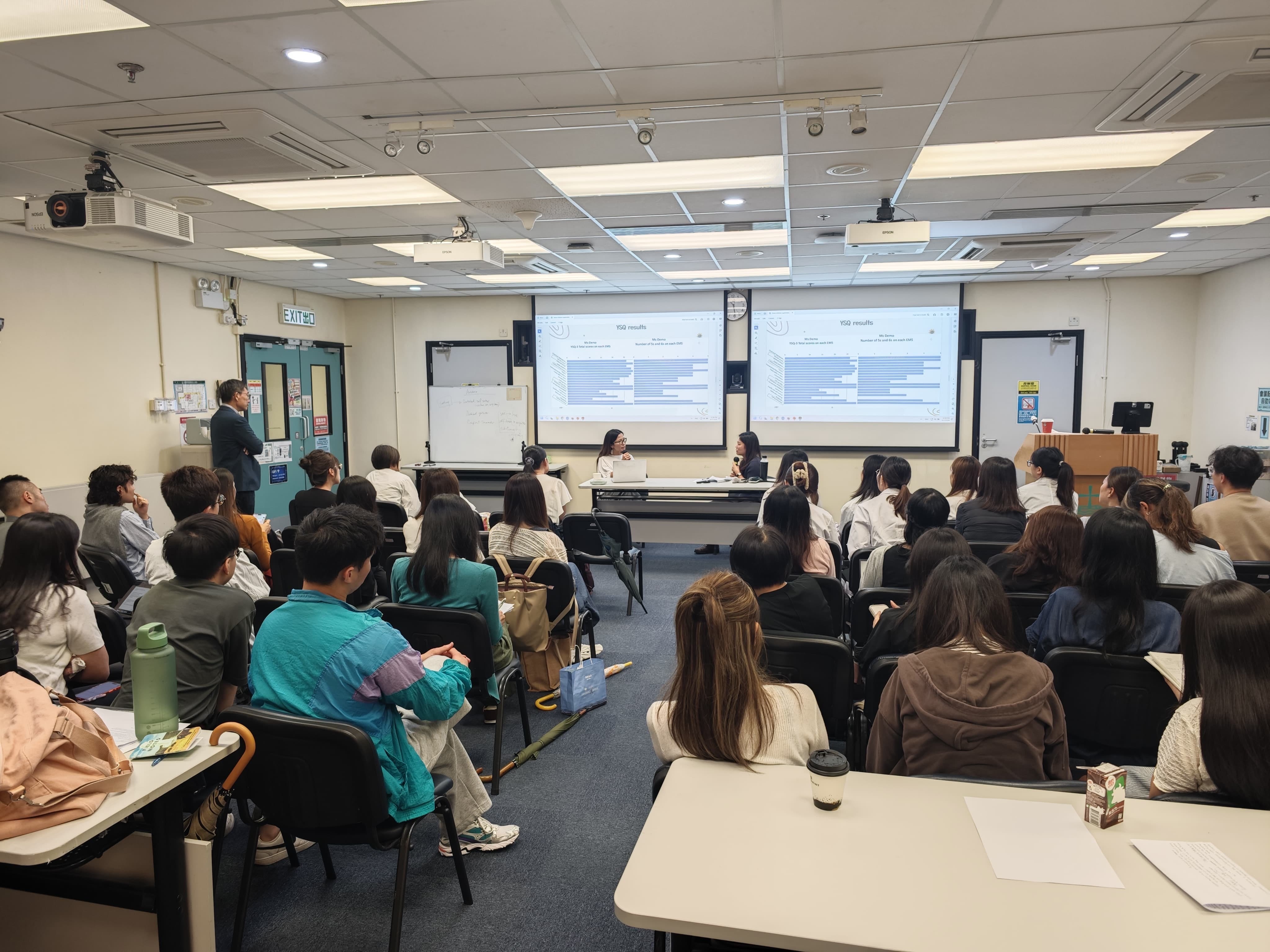
As someone who now spends much of my time between private practice, training, supervision, writing, and research, it is easy to forget how much dedication is required to continue doing thoughtful clinical work within a large public healthcare system. Heavy caseloads, long waiting lists, administrative demands, service pressures, and limited resources are realities that many clinicians face every day.
Yet what struck me most was not the workload.
It was the heart.
Throughout the supervision, I heard clinicians speaking about their clients with genuine care, curiosity, and commitment. Behind every case discussion was a therapist trying to understand a person’s suffering more deeply and wondering how to help a little more effectively.
Perhaps this is one of the reasons I continue to enjoy supervision so much.
Supervision is often described as a space for developing skills, strengthening formulation, or refining interventions. While all of those are important, I increasingly see supervision as something else: a place where we help each other protect the parts of ourselves that first brought us into this profession.
The longer we work in mental health, the easier it is to become preoccupied with outcomes, protocols, service targets, risk management, and efficiency. These things matter. But underneath them sits something more fundamental: the human relationship.
When I listen to colleagues wrestling with complex cases, feeling moved by their clients’ stories, and continuing to show up despite the challenges of the system, I am reminded that good therapy has never been solely about techniques.
It is about people trying to help people.
Days like yesterday leave me feeling grateful. They remind me that amidst all the pressures facing our profession, there remains an extraordinary amount of compassion, integrity, and wisdom in the room.
And that gives me hope.
Comments
Nothing yet. Say the first thing.
Sign in to join the conversation.