
Earlier this month, BCFG Team Scientist Richard Thaler formally retired from the University of Chicago. He’s promised us that his retirement is purely a formality and he will keep doing all the same things: writing great books, attending conferences, picking the wine we drink at said conferences’ dinners, and reminding us to study what matters. But we’re feeling pretty sentimental about this milestone.
Richard’s research (and Nobel Prize) paved the way for our field (and thus BCFG) to exist, and he’s been a great friend and mentor to us. So we wanted to mark the moment. To celebrate Richard, we invited BCFG Team Scientists to share their favorite Thaler stories, thoughts, and images, which you’ll find compiled below. Thank you to everyone who contributed to this celebration, but more importantly, thank you to Richard. We’re so grateful for your contributions to BCFG, to our field and to the world!
Sincerely,
Katy and Angela
1. Thank You for Nudging Us
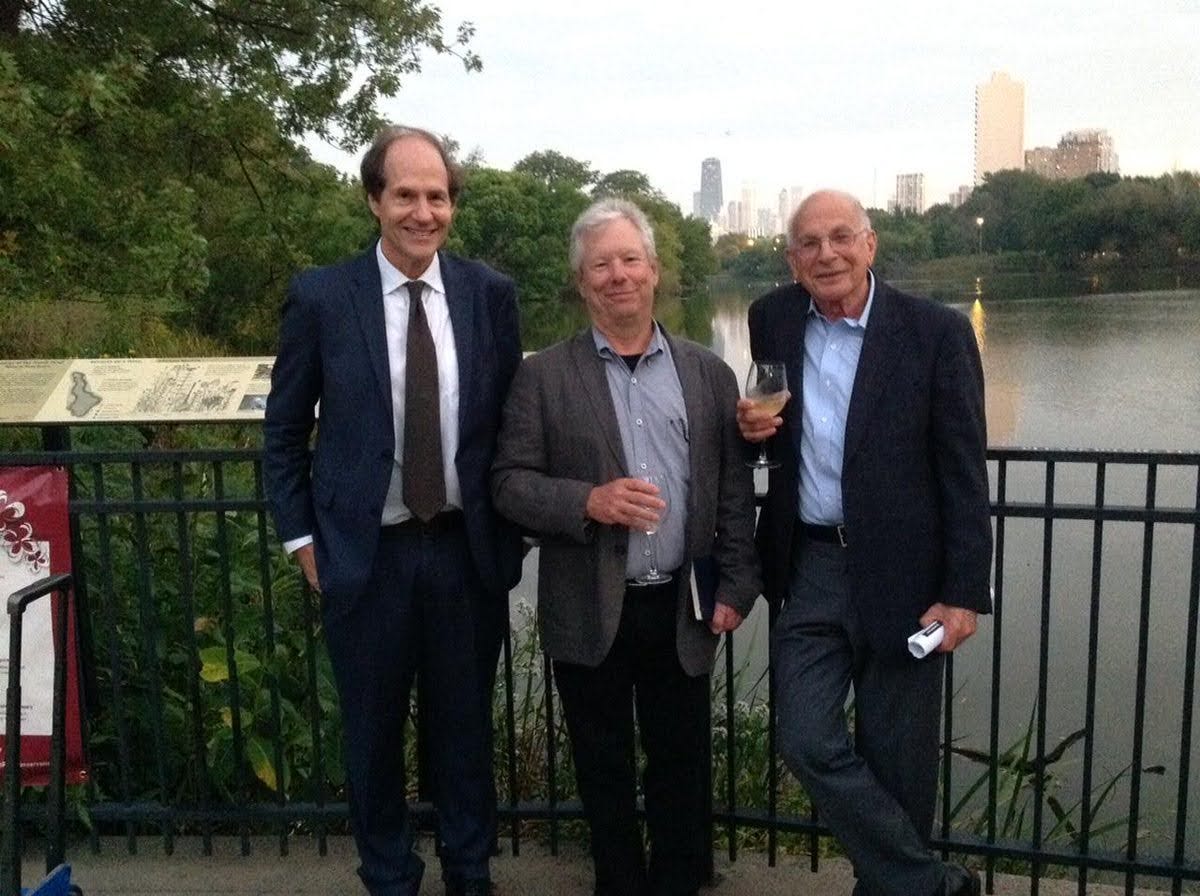
During the writing of Nudge, we found that we had a lot of chapters, and we sometimes weren't clear, between us, which to exclude. Dick developed a rule: If we both don't find it fun, we won't include it. That captures so much about Dick. He cares about fun; he wants his friends to have fun; he makes everything fun. In his hands, fun is a noun and a verb, and it connotes a lot. It contains warmth, energy, movement, creativity, connection, mischief, edge, generosity, and (let's say it) love.
-Prof. Cass Sunstein (Harvard University)
I still remember vividly the day, almost twenty years ago, that Richard Thaler invited me to lunch. He said he was writing a "popular" book on a concept he and Cass Sunstein had developed called "Libertarian Paternalism." I didn't say it out loud, but I thought to myself, "Dick has completely lost his mind!" I had no idea what "Libertarian Paternalism" was, but I was sure that nobody would want to read about it. I'm so glad I turned out to be dead wrong.
– Prof. Steve Levitt (University of Chicago)
Reading the spiral-bound draft of Nudge was a turning point: “This is exactly what I want to do - I just didn’t know it was allowed!” Thank you for your generous encouragement over the years — and for legitimizing our science of how people actually behave, focused on solving real-world problems.
– Prof. Todd Rogers (Harvard University)
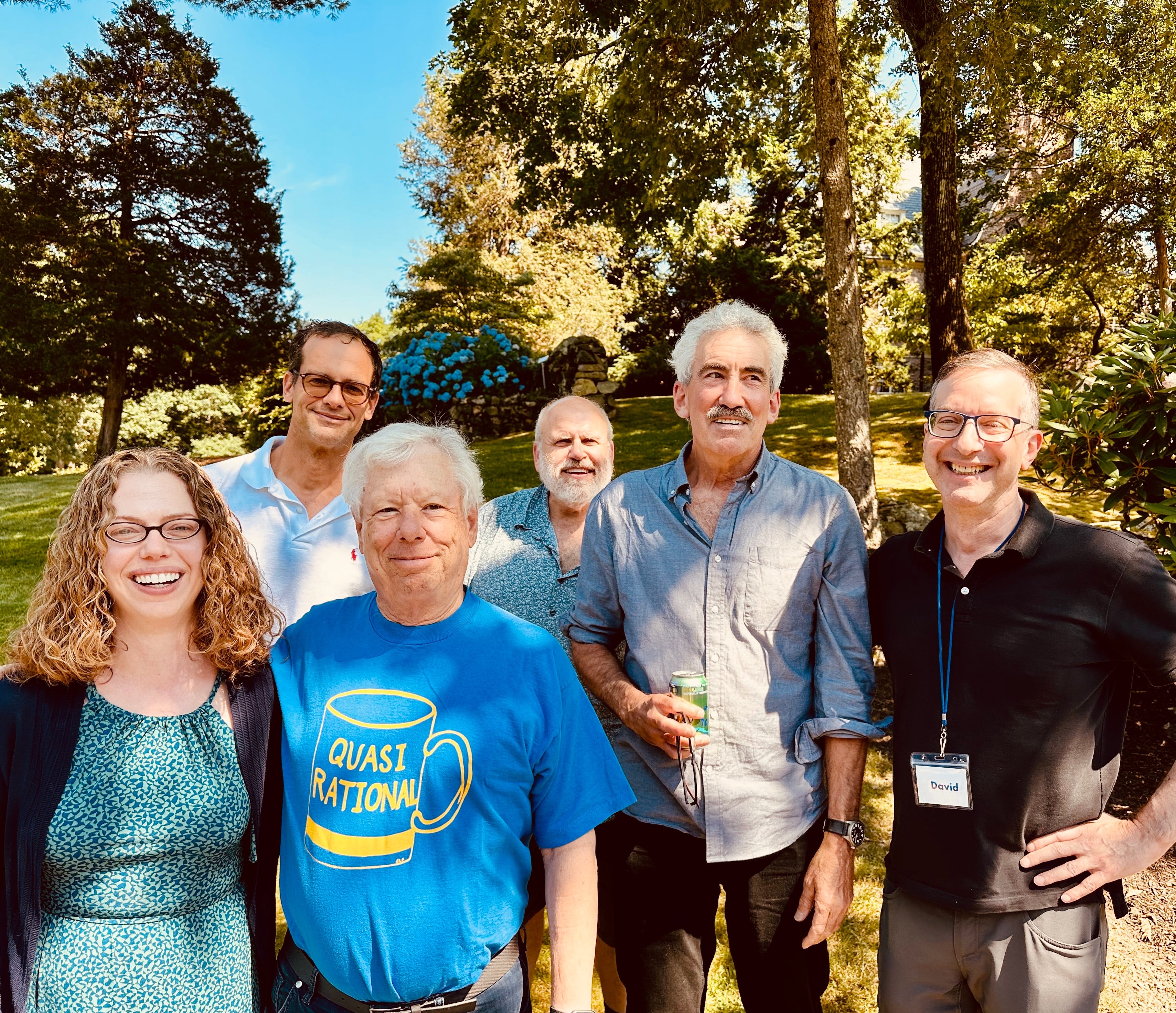
Once not long ago, Richard was in charge of driving us to a conference center after a nice dinner (where some wine was consumed, but not enough to plausibly cause problems). Despite paying close attention to the GPS instructions, we ended up lost, arriving at a prison instead of the conference facility. This seemed very funny to us – a “nudge” from the universe about where such academic misfits *really* belonged!
Since we met when I was a confused 2nd year PhD student in 2006, Thaler has been an incredible source of inspiration, humor, and support. From dim sum in San Francisco to Zooming with NBA commissioner Adam Silver (to offer advice on nudging rowdy basketball fans) to finagling the funding and launch of a half-million dollar vaccine sweepstakes in Philadelphia, Thaler has taken me for many a wild ride (beyond that trip to a prison). I’m so grateful for the groundwork he laid for our field. Reading his books inspired me to become a behavioral scientist; I couldn’t possibly feel his impact more profoundly.
– Prof. Katy Milkman (University of Pennsylvania)
2. Thank You for Guiding Us to Break the Old Rules and Make New Ones

Richard Thaler made me a misfit! While others were writing as many papers as they could, Richard taught us to write fewer yet richer papers. While others were looking to demonstrate surprises, Richard taught us the value of demonstrating things that were ex-post obvious, but that nobody had articulated before. While others were combing through the literature to identify gaps, Richard taught us to do research about the world and not about the literature. While others wrote incredibly complex papers, Richard showed us the value of simplicity in thought and in writing. While others were chasing citations, Richard taught us that the real impact of research is on people's lives. Richard Thaler made me (and several others) misfits in modern-day academia, and for that we are deeply indebted and ever so grateful!
– Prof. Dilip Soman (University of Toronto)
P.S. Watch my Favorite Thaler response to a live interview
One of the first non-academic stories I heard about Richard Thaler was his “mechanism” for ordering collectively at a Chinese restaurant. The rules are simple: (1) order n dishes for n people; (2) anyone can add or remove a dish; (3) the algorithm converges when no one wants to make further changes. What makes Richard so remarkable is that he approaches academic problems like he approaches everyday life. This story illustrates Thaler’s signature style: find a situation where conventional wisdom doesn’t really work, and then a solution that is both creative but just a little mischievous. And along the way, turn something that’s a bit tedious into something fun!
–Prof. George Wu (University of Chicago)
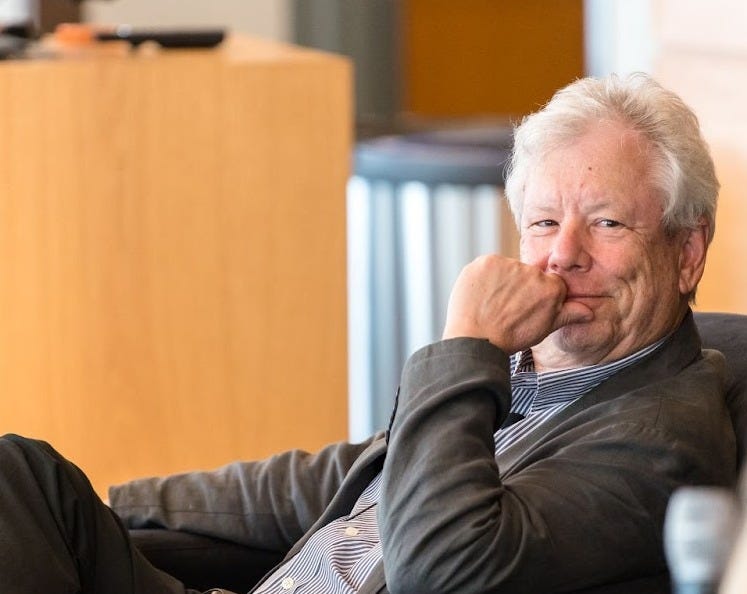
When I was an Econ PhD student at the University of Chicago, I was told I was the "black sheep" of the department because I didn't fit in with the Chicago school way of thinking. When I told Richard about this in our first meeting, he told me to "take it as a compliment." I've returned to those words many times over the years of not always fitting in with the profession, so thank you Richard!
– Prof. Sally Sadoff (UCSD)
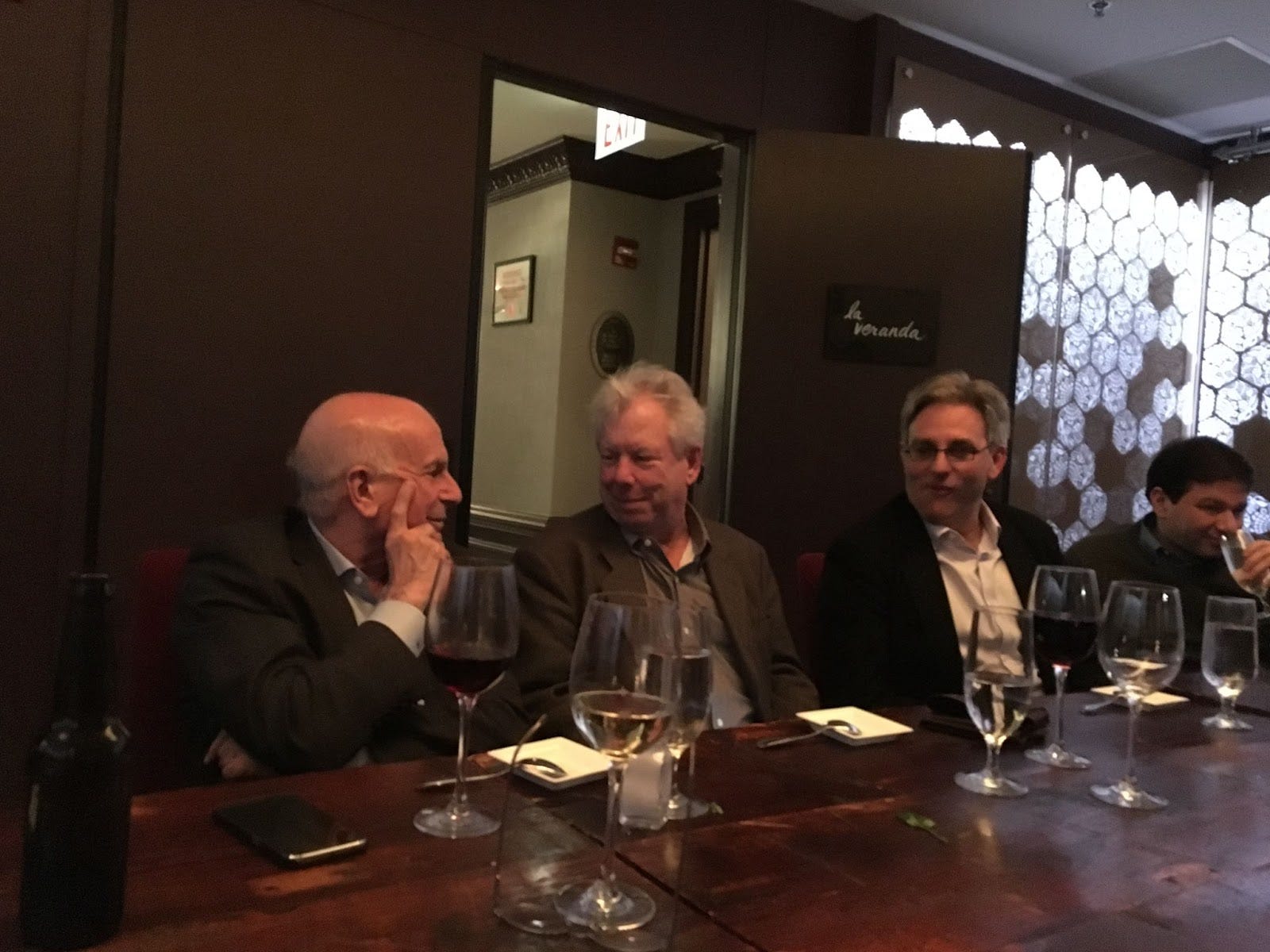
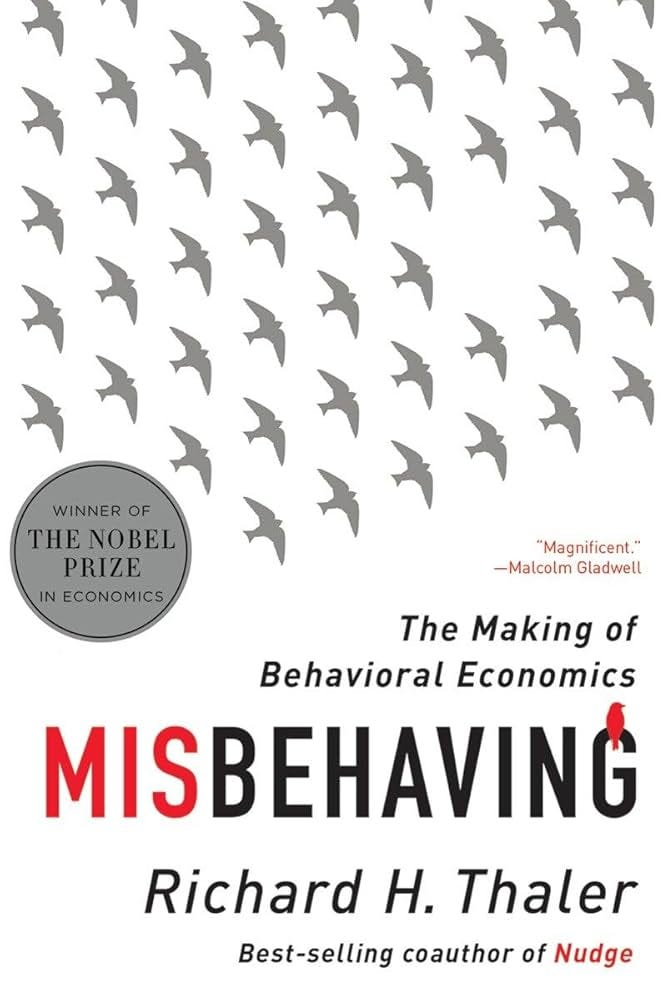
Years ago at the opening reception of the BDRM conference in London, Richard was telling me that had just delivered a draft of his memoir to his publisher. All he needed was a title. Reflecting for a moment on Richard’s joyful irreverence in his approach to economics and life, an obvious title popped into my head: “How about calling your memoir, ‘Misbehaving’?
I'm fortunate to have known Richard since my early graduate school days and he has figured into some of the most meaningful experiences of my career. When my mentor, Amos Tversky, died and the reality of his early passing was still sinking in for all of us, Richard shook his head and managed to articulate something we were all feeling: “I just don’t think of Amos as mortal.” I see Richard in similar terms—larger than life, brimming with keen insights and cheeky wit that makes him the focal point of any room he is in and enlivens any interaction—which can make it easy to miss what an utterly humane and deeply caring person he is underneath.
– Prof. Craig Fox (UCLA)
In one of my first years on the faculty, we were meeting as a group to discuss candidates to fly out for interviews. Richard pointed to one CV and complained that there were too many papers on it (which was the first time that I heard anyone take that position). In just a sentence or two with just a dash of humor, he transformed my thinking.
– Prof. Jane Risen (University of Chicago)
3. Thank You for Your Mentorship
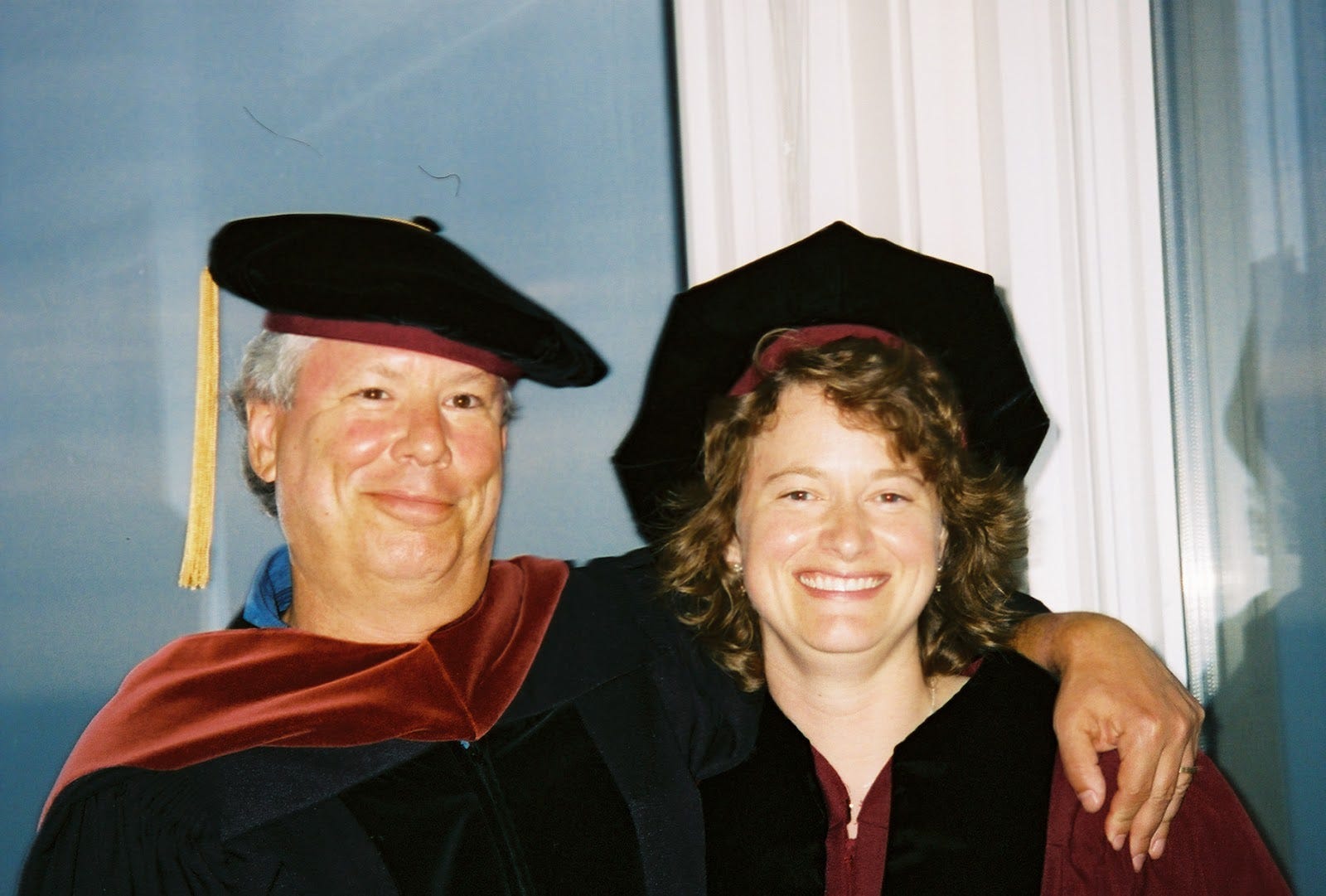
As an advisor, he asked that I bring a list of 10 research ideas to each meeting, which he considered it his duty to try and shoot down (as he had done to other, smarter advisees before me). We called those sessions "will it float?", named after the David Letterman skit where two Hi-Ho girls drop a household item into a tank of water.
– Dean Suzanne Shu (Cornell University)
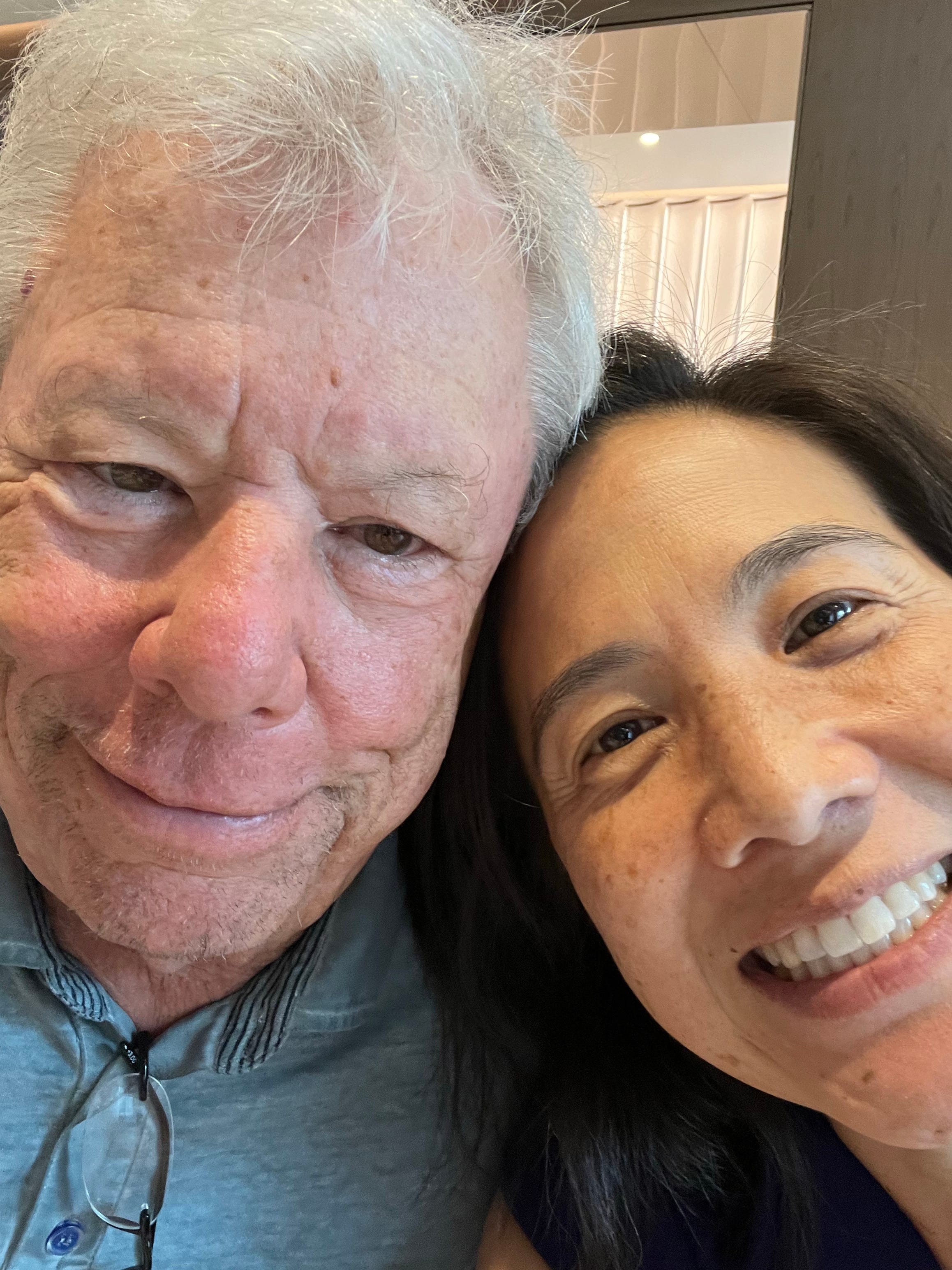
Thaler, as I like to call him, advised Katy and me against trying to solve the challenge of behavior change “for good.” One-time decisions? Sure. But getting your butt to the gym, week after week, year after year? Studying not just once but habitually? Well… He was right, of course, that enduring behavior change is hard. But we persist, and Thaler hasn’t given up on us, so we consider that a kind of “for good” victory. In all seriousness, I have not met a wiser, wittier luminary. And I look forward to seeking (and sometimes ignoring) his advice for many years to come!
– Prof. Angela Duckworth (University of Pennsylvania)
Richard has provided wisdom to so many of us for decades. In the 1980s, I recall sitting in a big auditorium, and like so many others, learning that allocating retirement funds 50-50 (a pretty strange heuristic) to stock and bonds made little sense. So many JDMers are richer today due to Richard telling us to move our funds to stock.
– Prof. Max Bazerman (Harvard University)
Thaler's work, especially his philosophy on research, has had a strong impact on mine. He has many mottos about research. One is "Don't be a wimp. Do something big!" Another is "The best research results are usually so simple that you don't need stats to appreciate them." A related motto (which I particularly like) is "There are no three-way interactions in real life." I have tried to follow these mottos in my own research, and the result is that many of my papers got rejected (lol). But I am still trying…
– Prof. Chris Hsee (CKGSB)
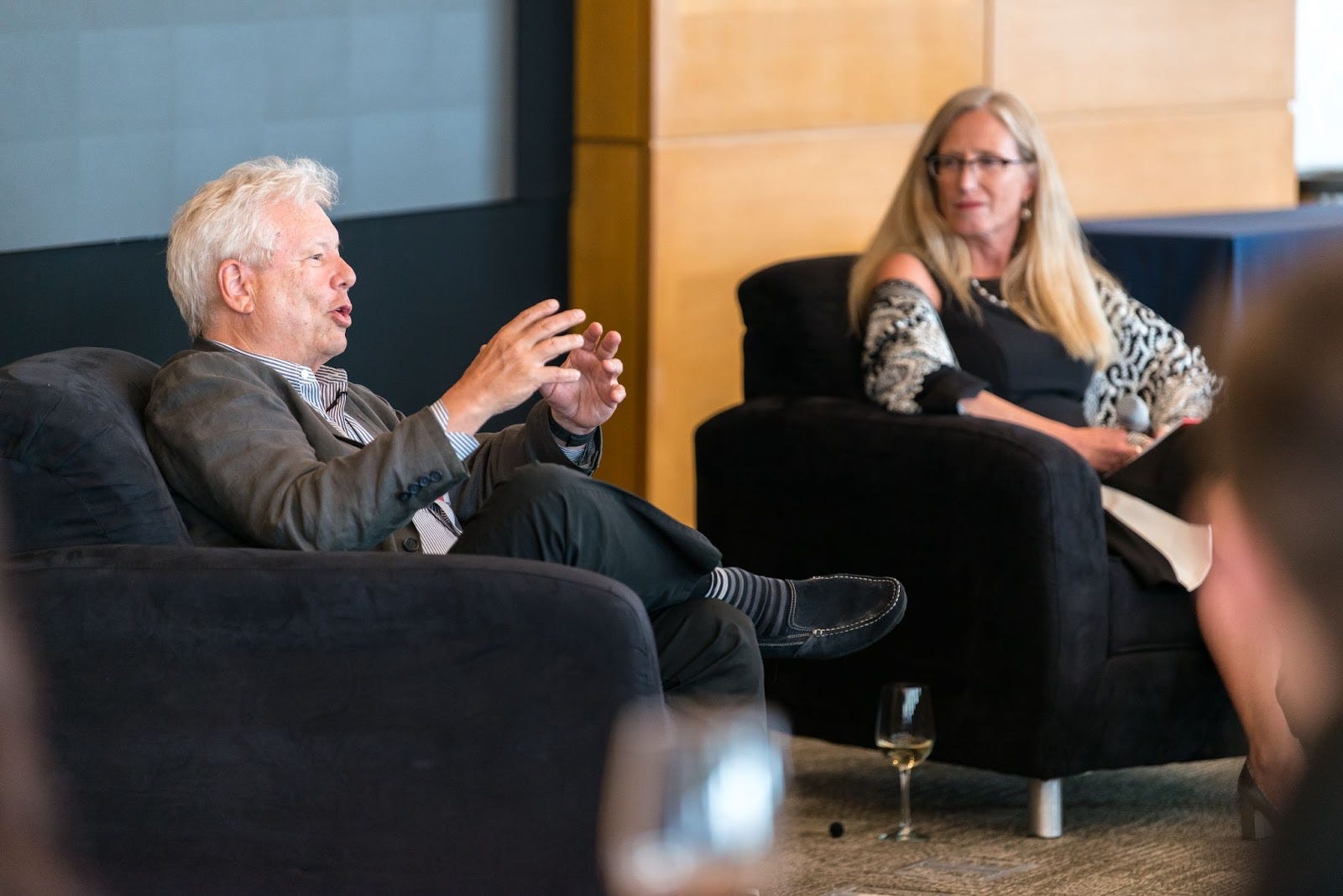
Of course Richard is well known for his scholarship and his quick wit. But there’s another side that I’ve been fortunate enough to get to know and that is his deep affection for his colleagues. He’s been a great mentor to me and to so many others in the field. That legacy is just as valuable as his many prizes.
– Prof. Linda Babcock (Carnegie Mellon University)
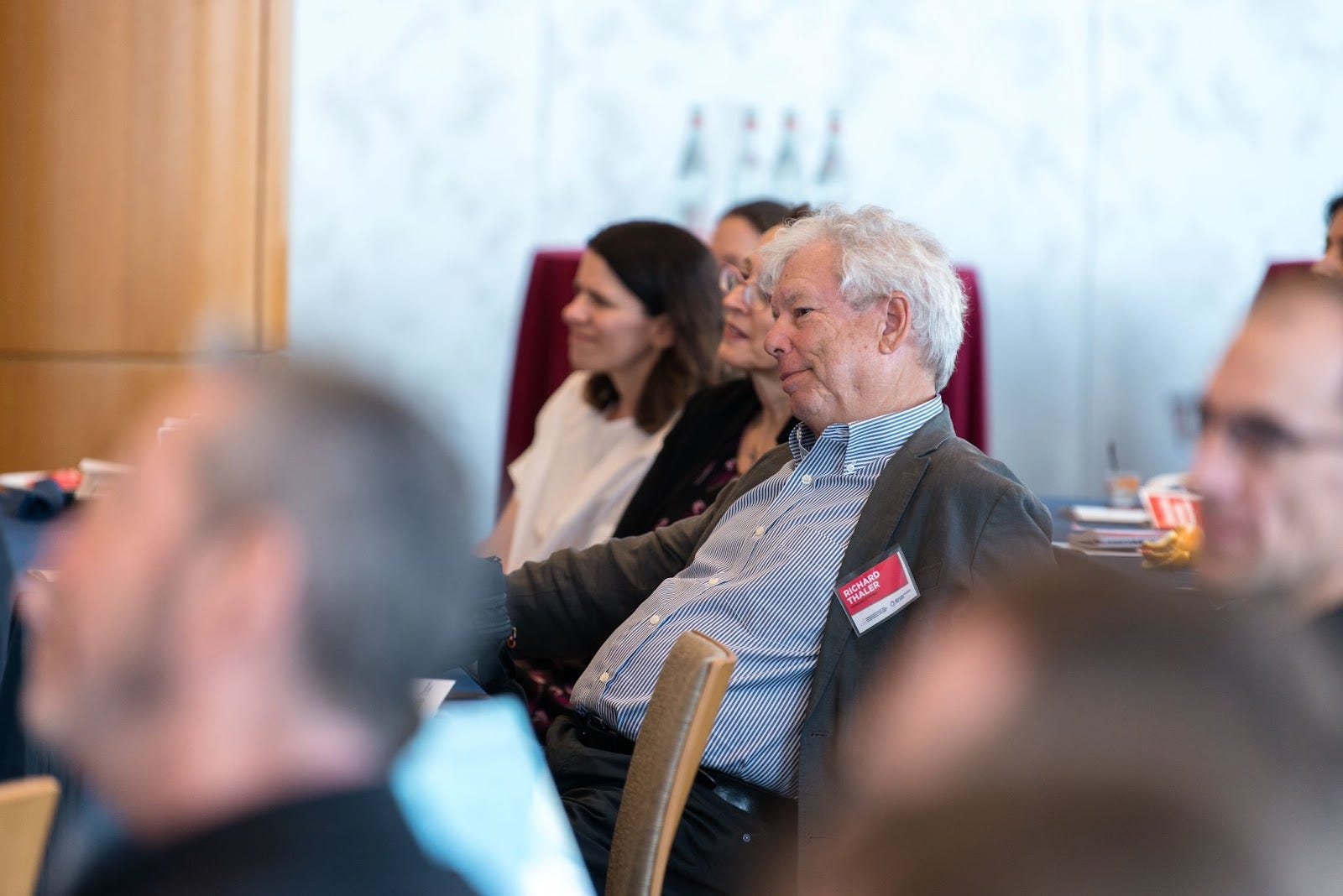
My anecdote goes back 25 years, to my job interview at UChicago. You know how Richard always makes the sharpest comment / asks the toughest question? The problem is, he’s also painfully clear. You can’t blame your poor answer on the question being obscure or esoteric. It’s always simple and direct, and you just don’t have a great answer. So his very first question to me (and keep in mind, I felt like I had just met the academic Robinson Crusoe. It was surreal to be in the same room with him) goes something like this: “We behavioral economists are applying second-grade psychology to influence economic behavior. Your research is PhD-level psychology. Can you dumb it down so we can work with it?” It was brilliant. In one sentence, he managed to flatter me, challenge me, and assign me 25 years of homework. And honestly, I’ve been trying to make my research relevant to the real world ever since. One day I’ll be able to give him a good answer.
– Prof. Ayelet Fishbach (University of Chicago)
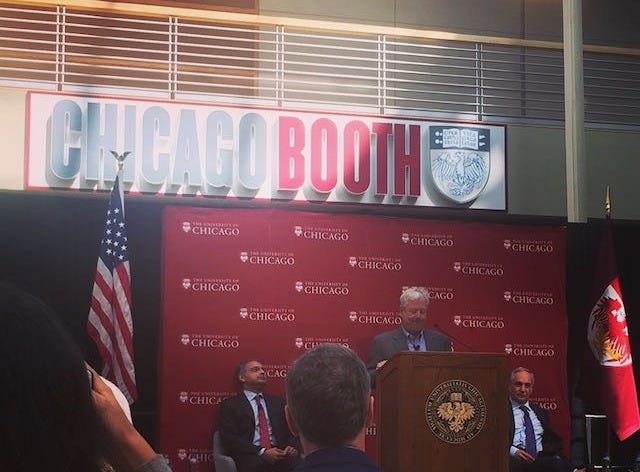
When I was doing my PhD at UChicago, Richard showed up unexpectedly in the front row at my first seminar presentation. Of course, I was extremely nervous, expecting a searing, insightful critique of the research. Halfway through the presentation, after I had just shown a photo of myself recruiting participants in a train station, Richard finally raised his hand. My heart stopped as I called on him (with great excitement and trepidation). He said thoughtfully: “you know, grad students are a lot like homeless people.” Well, it wasn’t the comment I was expecting, and the crowd went wild. It took more than 10 minutes to re-gather everyone’s attention to get back to the research, and by that point, I think Richard had already left so I’m not certain he ever actually heard the results. Afterwards, it became an inside joke among the grad students - any time we wore sweat clothes, searched for food in the building, etc. we’d repeat: “you know, grad students are like homeless people!” Richard had an outsized impact on everything in the group, even when it was (mostly) unrelated to research! Beyond his searing intellect, he was always hilarious and added a lot of entertainment to the seminars.
– Prof. Juliana Schroeder (UC Berkeley)
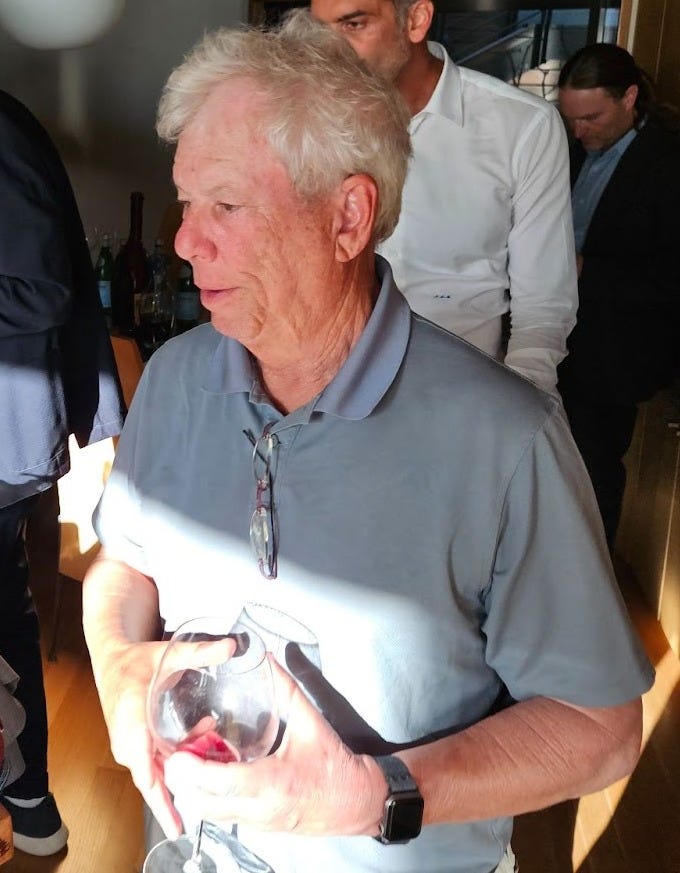
I served as editor for a paper by Sue Dynarski documenting how a simple nudge sent to Michigan high schoolers closed half the SES gap in UMichigan college enrollment. When I mentioned this outstanding paper to Richard, he said he had a funny story about it. You never want to miss a Richard funny story! He said that Sue came to present the paper at the University of Chicago and the faculty at the talk did what they do at Chicago, give plenty of critical and pointed comments (to use understatements). After all this played out, near the end of the talk, Richard raised his hand and said – "I am pretty sure this is not allowed at a seminar in this place, but I just want to say – what a great, important paper" and he rested his case. This is Richard – clever, funny, generous, and... ever so eager to break a social norm!
– Prof. Stefano DellaVigna (UC Berkeley)
Richard was always encouraging of me as a physician working on behavioral economic interventions. I suspect this was partly because of the novelty dating back to when this was unusual and partly because he genuinely was interested in and supportive of my ideas. As many of you know, Richard often has sage (and witty) advice. I remember a long conversation with him about a book idea where he said “Don’t write it unless you are going to enjoy the journey” – words of wisdom that I have tried to incorporate in what I do day in and day out. I very much appreciate his making himself available to provide guidance to me and so many others.
- Prof. Kevin Volpp (University of Pennsylvania)
4. Thank You for The Inspiration
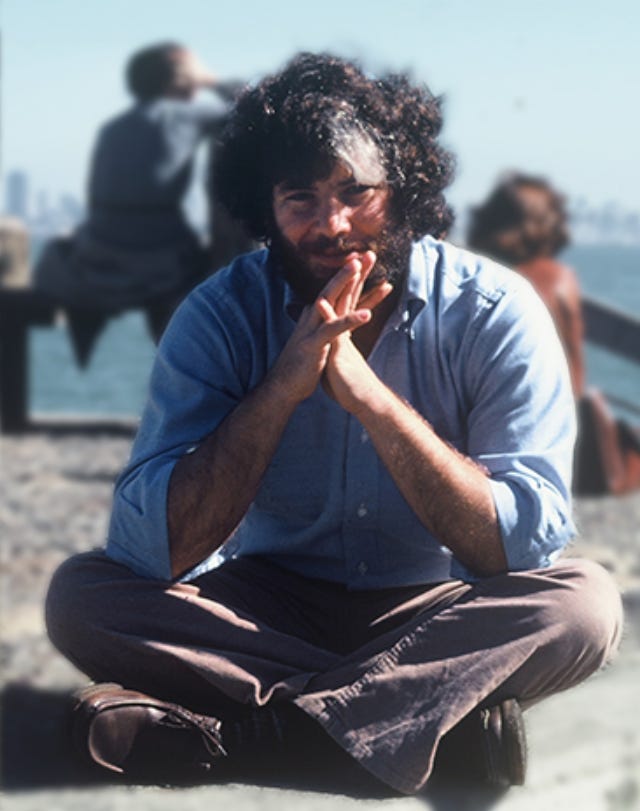
I once asked Dick, "Were you always Richard Thaler?" and he said no, it was a semi-accidental connection with Kahneman and Tversky that did the trick. It scares me to think how many of his stunning insights and contributions the world could have lost without the true Richard Thaler.
– Prof. Bob Cialdini (Arizona State University)
When I once talked to Richard about his early career experiences with top economic journals he said: "Every paper was a battle". I think that this could be a good lesson for everyone interested in being a "disruptive pioneer" like Richard.
– Prof. Ernst Fehr (University of Zurich)
The most important lesson I learned in a class came from Richard. There were only three of us in the class. Richard, however, was co-teaching it, with two people. So there were also three faculty. And he arranged guest lectures. The lesson: Richard has life figured out.
– Prof. Sendhil Mullainathan (MIT)
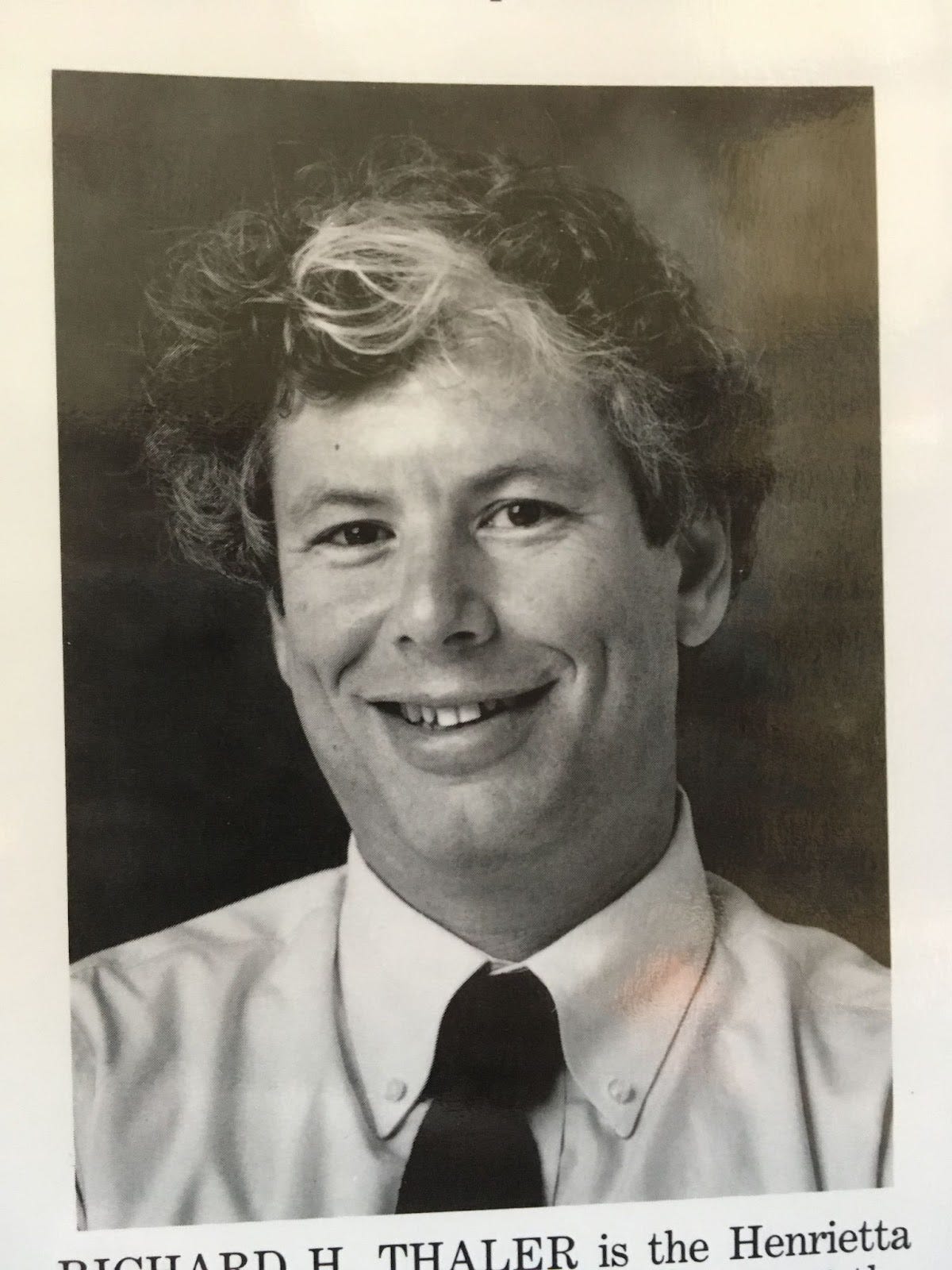
I invited an all-star team of behavioral economists to advise the NIH on behavior change. We each received a $200 honorarium for the full-day visit to Bethesda MD. Richard argued convincingly that the sum was too small to mentally categorize as compensation (for a day of work and a second day of travel), so we should instead mentally code the payment as a justified splurge. We went to a “fancy restaurant” and had fun. An important lesson on framing.
More seriously, Richard spent 10 years getting attacked by mainstream economists and rebutting those attacks so the rest of us could enter a field that had credibility. Thanks to Richard for taking 10 years of blows in the 1980’s, paving the way for the next generation to get good referee reports and jobs in the 1990’s.
– Prof. David Laibson (Harvard University)
Congrats on your retirement Dick! From the moment I stepped into your office at Rosenwald, you've been a steadfast supporter of my work, even when you strenuously disagreed (which was often!). Your wit, brilliance, and unyielding candor have left an indelible mark on our field, and I know you'll never truly "retire" from inspiring and challenging us. Please keep shining my friend—our science needs you.
– Prof. John A. List (University of Chicago)
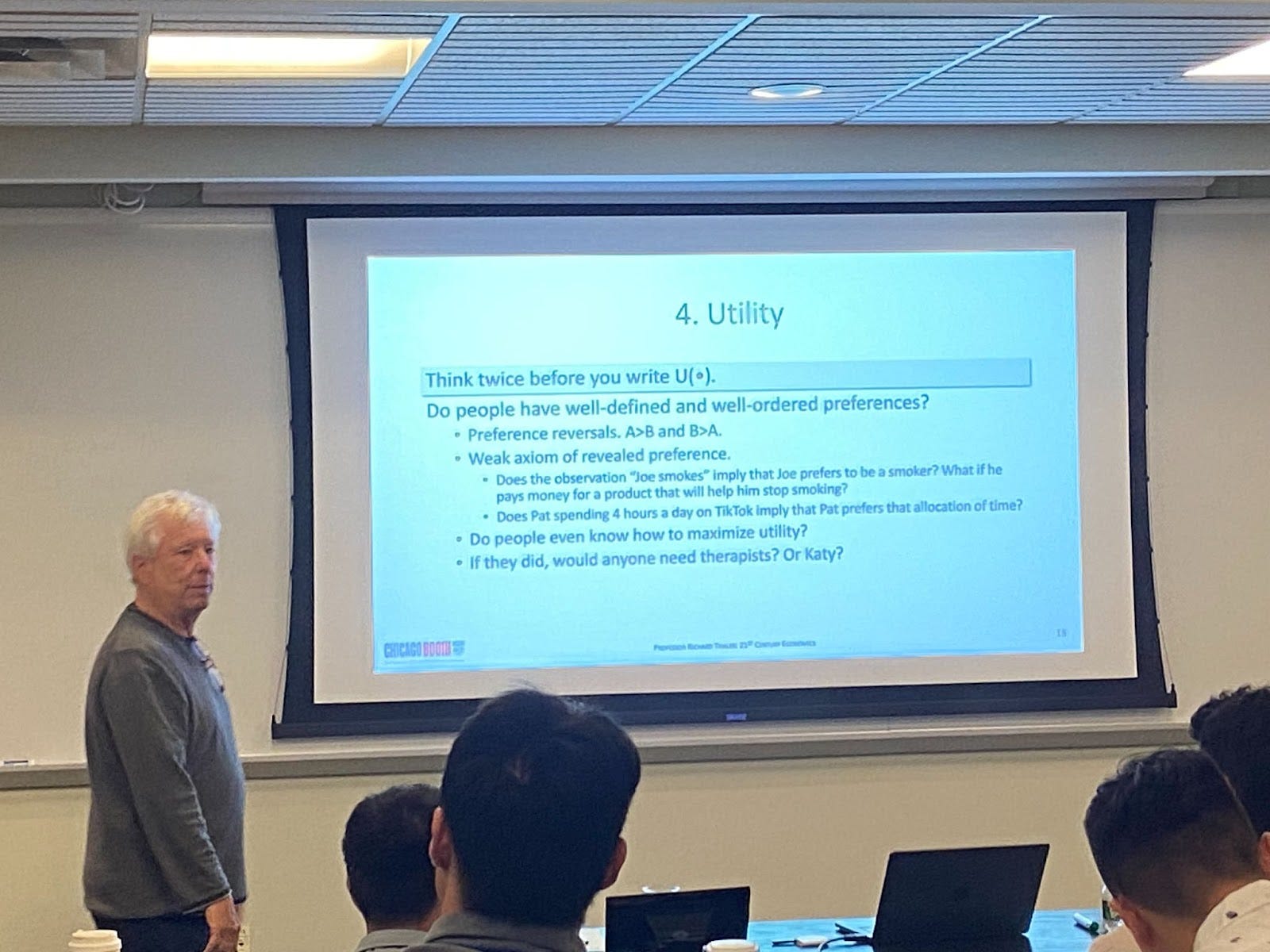
Back in 2021, Richard generously guest lectured for my PhD Experimental class. As usual with Richard, the Q&A was incredibly entertaining, and I think that over the course of an hour he single-handedly converted a dozen PhD students to become behavioral economists!
– Prof. Judd Kessler (University of Pennsylvania)
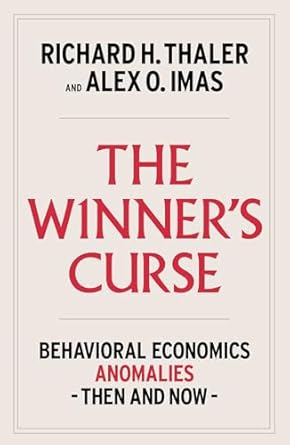
When I first arrived to UChicago in 2017 I was *extremely* intimidated. Richard did so much to bring me in and put me at ease—from frequent coffees and dinners, to asking me to co-teach a class with him in Behavioral Economics. During my first weeks there Richard won the Nobel prize; being there when my intellectual hero won the Prize was incredibly special and something I will always fondly remember.
– Prof. Alex Imas (University of Chicago)
I love the story of the paper review that Thaler submitted to a journal whose editorial tastes didn’t always match his. He wrote that the paper had lots of problems but that if they published it, it would be the best paper they published all year.
– Prof. Don Moore (UC Berkeley)
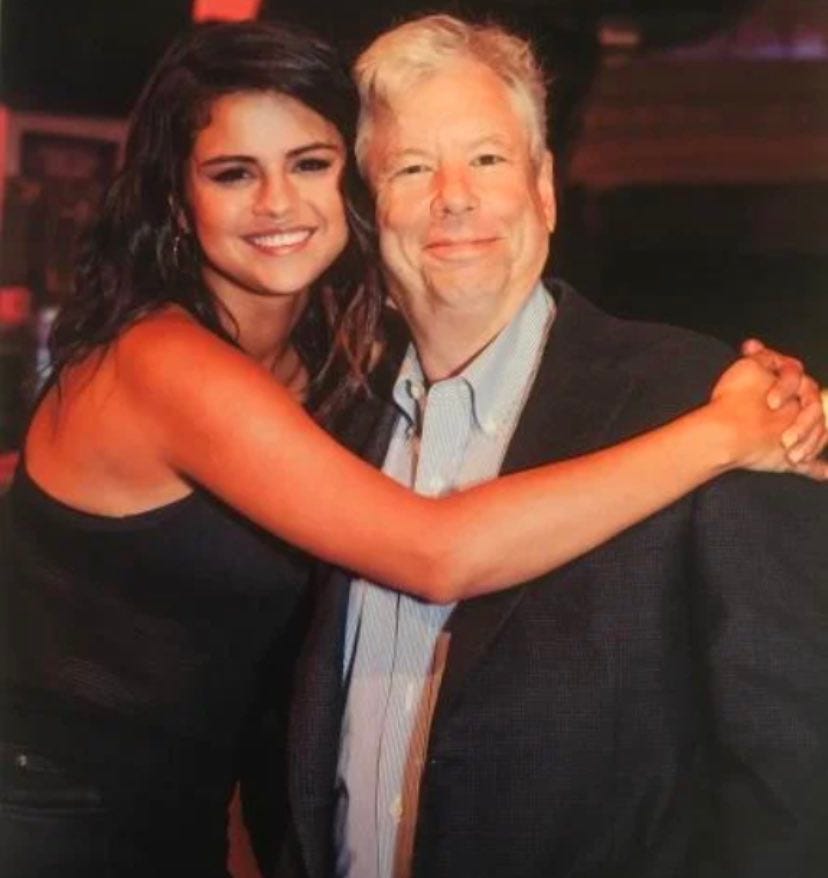
Dick Thaler is a leading light who blends dry wit with brilliance. After winning the Nobel Prize, he took the time to meet with my PhD class on Decision Making to talk about one of my favorite papers—Mental Accounting Matters. This article is breezy, conversational, and packed with generative ideas. Dick talked through the genesis of the paper fielding every question, including why it was published in JBDM. More recently, Dick told me how, after winning the Nobel Prize, a caddy at a golf club was super impressed to see Dick Thaler… because he had appeared in a movie (The Big Short).
– Prof. Maurice Schweitzer (University of Pennsylvania)
5. Thank You for Occasionally Stunning Us by Behaving Like a Homo Economicus
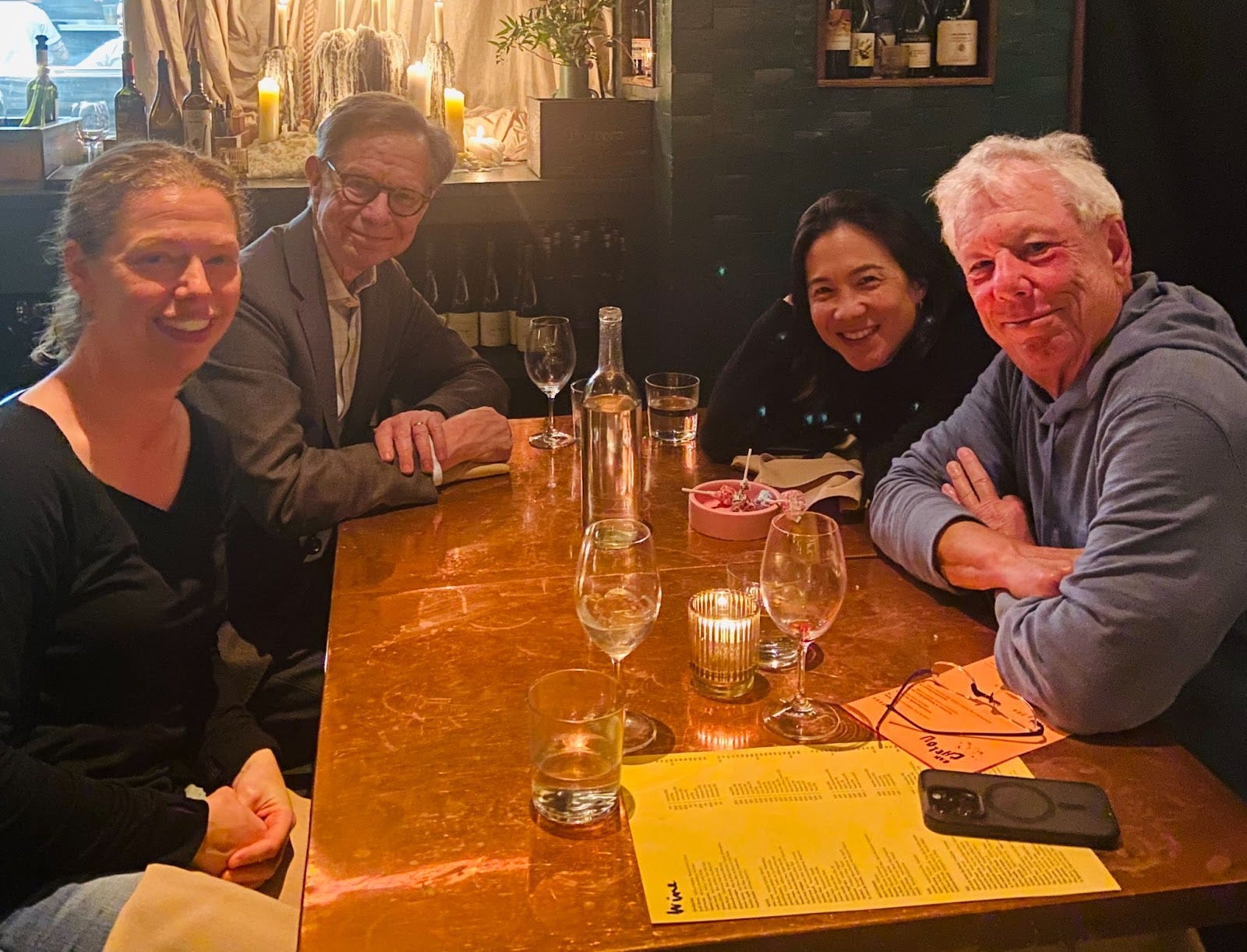
I remember a couple of occasions when Homo economicus Thaler couldn’t help himself. The first was in 1983, when he was visiting CMU as a relatively unknown economist at the invitation of the Dean, Bob Kaplin. One event held by the MBA students was a betting pool, where people bid sequentially for teams in the NCAA Basketball Tournament. Thaler, of course, was interested, and we — along with David Schkade and his officemate — formed a consortium. We had decided in advance that North Carolina State was a good value, since they lived and died by the three-point play. High-variance underdogs are a good recipe for an upset. When it came time to bid on NC State, we were in the thick of it, but soon they were valued higher than the previous team. Richard insisted that we not bid further because it would be a violation of dominance: the prior, higher-ranked team had gone for less. Of course, the Wolfpack won, and rationality cost us a four-figure payoff. It was worth it, of course — for the story.
Another time revolved around a boat trip in Chicago. As is often the case, an entrepreneurial photographer took pictures of groups arriving to board. Afterward, they would sell the photographs when people disembarked, no doubt overvaluing the photo due to the nice memories — and the drinks. Richard, Homo economicus, of course said, “Let me handle this.” He proceeded to explain to the photographer that unless he sold us the photo at a discount, it would be worthless to anyone else. After all, what was the photographer’s BATNA? The Homo sapiens photographer was not moved, and we left without an agreement — or a photograph. One of the few regrets I have is not keeping images like that. But somehow, Homo sapiens Thaler saved the day. On the occasion of a milestone birthday, my present from Richard and France was that photo. I don’t know how they did it, but it made me very happy — and it’s among my (no doubt overvalued) prized possessions.
– Prof. Eric Johnson (Columbia University)
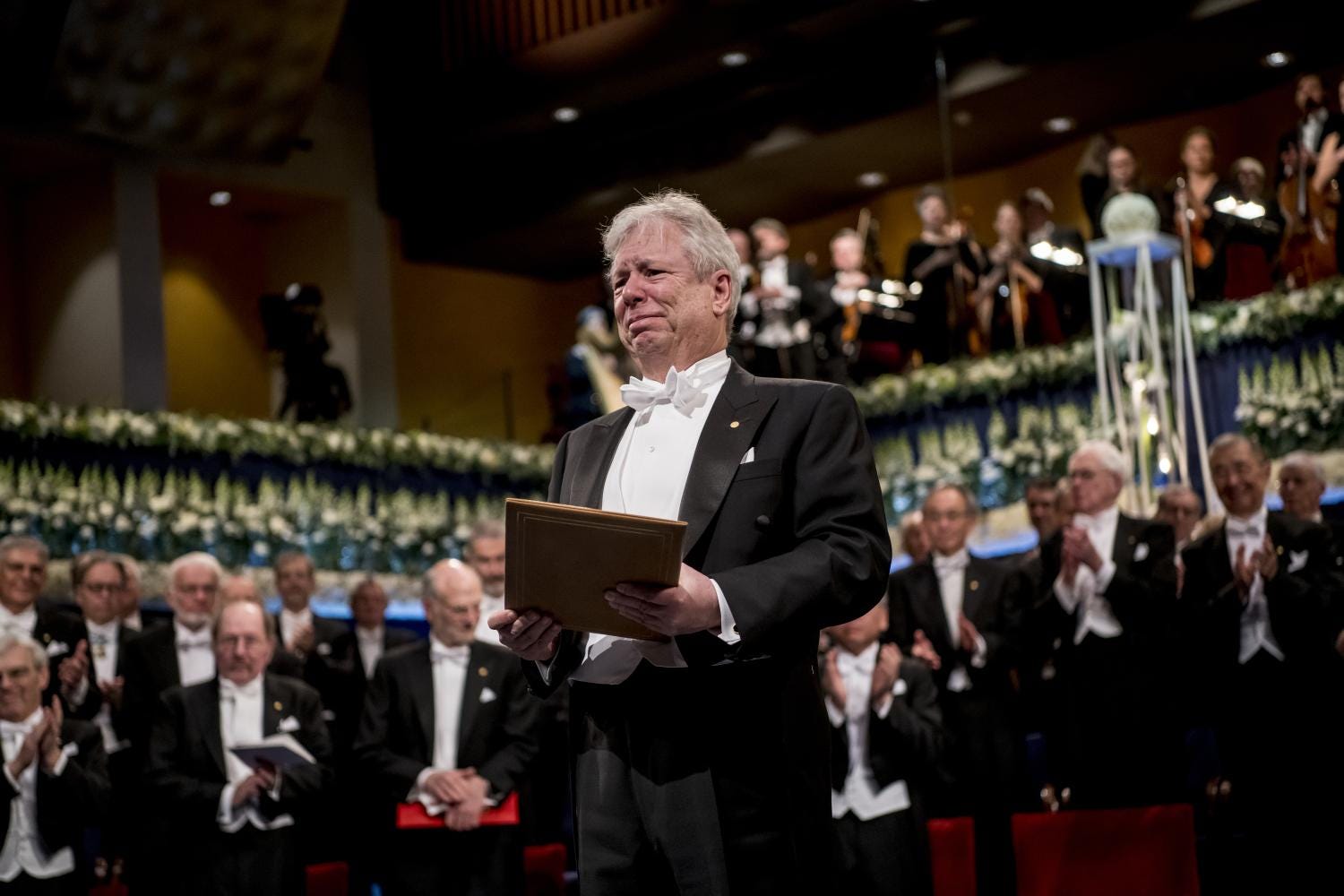
Richard Thaler is the most relaxed public speaker I’ve ever seen. He is the only person I know whose blood pressure actually goes down when he’s at the lectern. That fact made me especially eager to check out his speech at the Nobel Prize banquet. If ever there were a time for nerves, that was it. But no, those eager to see signs of nervousness in Thaler will be disappointed when they look it up on YouTube. He seemed about as nervous as most of us would be while giving, say, a toast at Thanksgiving dinner among family and friends. And lest you think that he wasn’t nervous because he’s not human—like the mythical Econs he’s spent his career arguing don’t exist—take a look at the end of his speech when he gets very visibly choked up. To be so relaxed when experiencing such powerful human emotions, well, that’s the sign of someone in a whole other league of calm.
– Prof. Tom Gilovich (Cornell University)
6. Thank You for Helping BCFG Get Out the Vote
We couldn’t be more grateful for you, Richard. Congratulations on your retirement, but please keep your promise to change almost nothing about what you do in this next phase of your career! This is a case where we’re all rooting for the status quo.
– The Entire Behavior Change for Good Team
Thanks for reading the Behavior Change for Good Newsletter! Subscribe for free to receive new posts and donate to support our work.
Comments
Nothing yet. Say the first thing.
Sign in to join the conversation.