
Text within this block will maintain its original spacing when published
Look at the birds. Even flying
is born
out of nothing. The first sky
is inside you, open
at either end of day.
The work of wings
was always freedom, fastening
one heart to every falling thing.
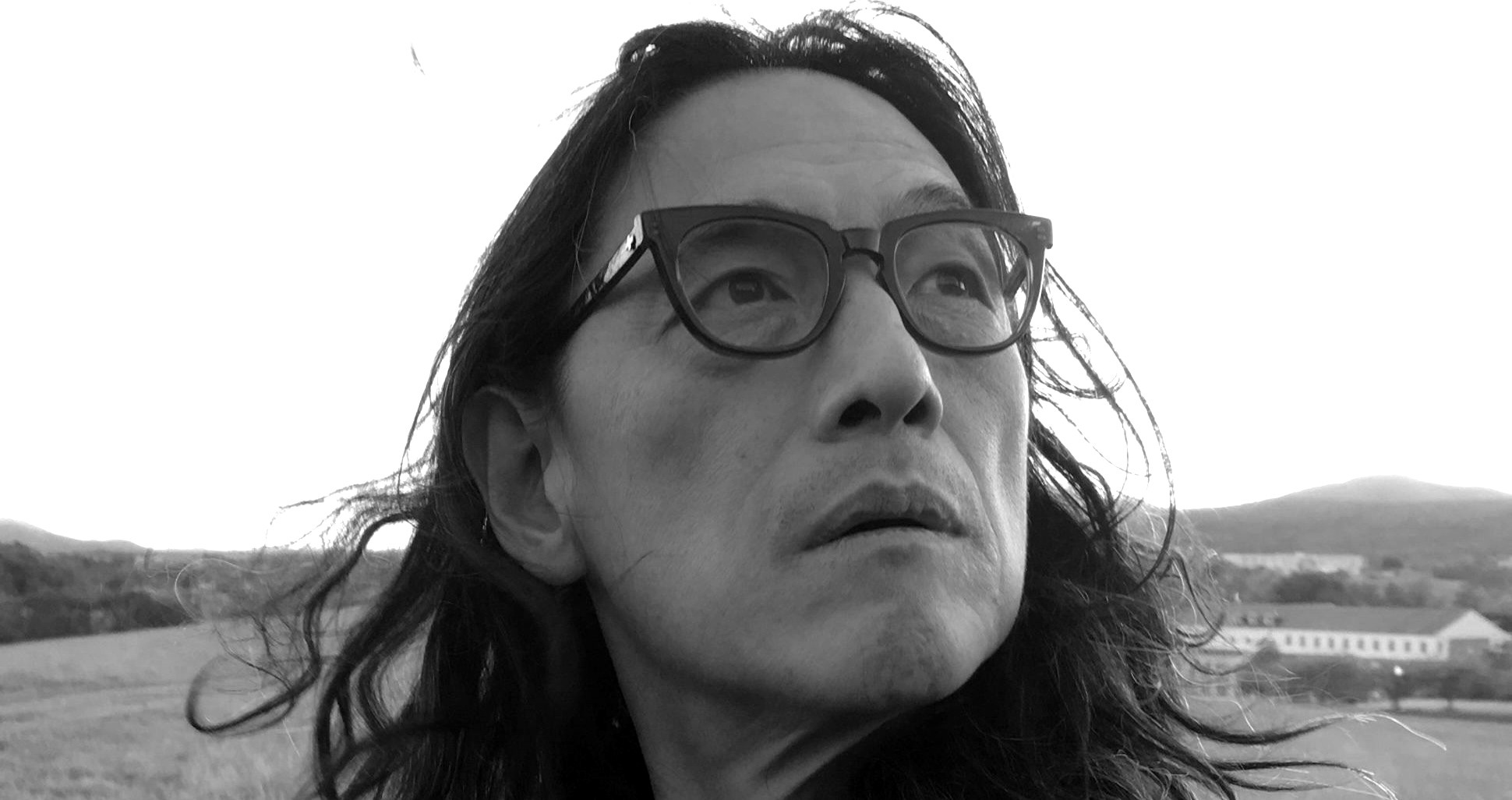
I’ve exchanged jetlag for a cold. The silver lining being the continuity within the fog. It’s blended with the covering of snow we’ve got here in NYC and the empty house I find myself in this morning to become something meditative. Ever the pragmatist, I decided to squeeze whatever I could from this contemplative state by diving into a piece. I started to write a completely different intro and look at a poem by Lihn Dihn, but I decided to save the complications that come with that sort of exercise for another day. Instead I cracked open Li-Young Lee’s 2001 Book of my Nights and flipped through until I found something that resonated with my current haze. Let’s jump in.
Lee begins with an imperative. It’s firm and balanced. Look at the birds. The blunt, instructional language creates a tone and expectation that is going to be subverted and it is in the friction that we will find gold. The poem begins with a clamp, but Lee softens it through the enjambment of his next line. “Even flying” is softer in mouthfeel, sound and breath. It softens the image of the birds as well. They are no longer flesh and blood. They have become the concept of flight, which is a hell of a lot for one image to carry. But Lee’s firm introduction holds us there, watching the bodies aloft.
Lee interrupts this observation of grace with a turn towards labor. The plosives are echoed to highlight “born” in a way that is complemented by the line break. Lee is highlighting the birth of a concept rather than an organism. That fractured line is also mechanically balanced. “Even flying/ is born/ out of nothing.” Even flying/ is born/ out of nothing. The birth is isolated physically and metrically. All of this combines to give a significance that our brains can’t help but probe at.
The connective tissue holding the center of this poem together is on display here towards the middle of the piece. Conceptually we are locked on flying, and that focus is rewarded to our ears with “The first sky/ is inside you, open/ at either end of day.” That attention to sound is why Lee is called a lyrical poet. He has transferred the vastness of the concept of flight and the idea of the sky onto the interiority of self. The introduction of “you” grounds the poem from some abstract thought exercise on scale to an intimate study on soul. It’s still a big topic, but it’s a different type of big.
“Either end of day” could be morning and night as easily as it could be birth and death. The isolation of “open” feels almost like an instruction, matching the energy of the first line of the poem. The word open physically opens the mouth, an embodied instruction that basically makes the reader perform the poem with their face. You linger on that word across the blank line between the stanzas. And again, Lee shifts from grace to labor. “The work of wings” strips all lofty symbolism of flight from the image and straps it with industry. We’re given the plosive k again, just like in “look.” This pragmatic turn is in some ways a preparation for the idea that freedom isn’t escape here. It’s attachment. It’s fastening. The poem refuses the cheap version of transcendence. The wings are actively working to overcome the reality that the body is falling at any moment. Freedom isn’t some state of being bestowed as a reward, but rather it requires constant work to achieve and maintain. I find myself wanting to make political allusions in light of the general state of the world but I’ll allow you to draw whatever through lines you see fit. The point is that falling is not failing. Gravity is an unavoidable part of the equation. But effort must be persistent and consistent. Birds don’t escape the pull of the earth, they negotiate with it over and over again.
A last note on sounds: “work of wings/ was always freedom, fastening/ one (won) heart to every falling thing.” That shit is just fucking magical.
No posts
Comments
Nothing yet. Say the first thing.
Sign in to join the conversation.