
Text within this block will maintain its original spacing when published
I stood at the southwest window for
a long time just staring out at the field
and empty road. A hawk on the telephone
line studied the field for any sign of move-
ment, then eventually he swooped down and
had his snack. A tractor pulling a wagon-
load of hay has crept over the hill. Five teen-
agers in a green convertible passed him at
a great speed and disappeared behind a cloud
of dust. A storm was rolling in, I could
feel the barometer dropping. This is where
the chicken catches the ax.
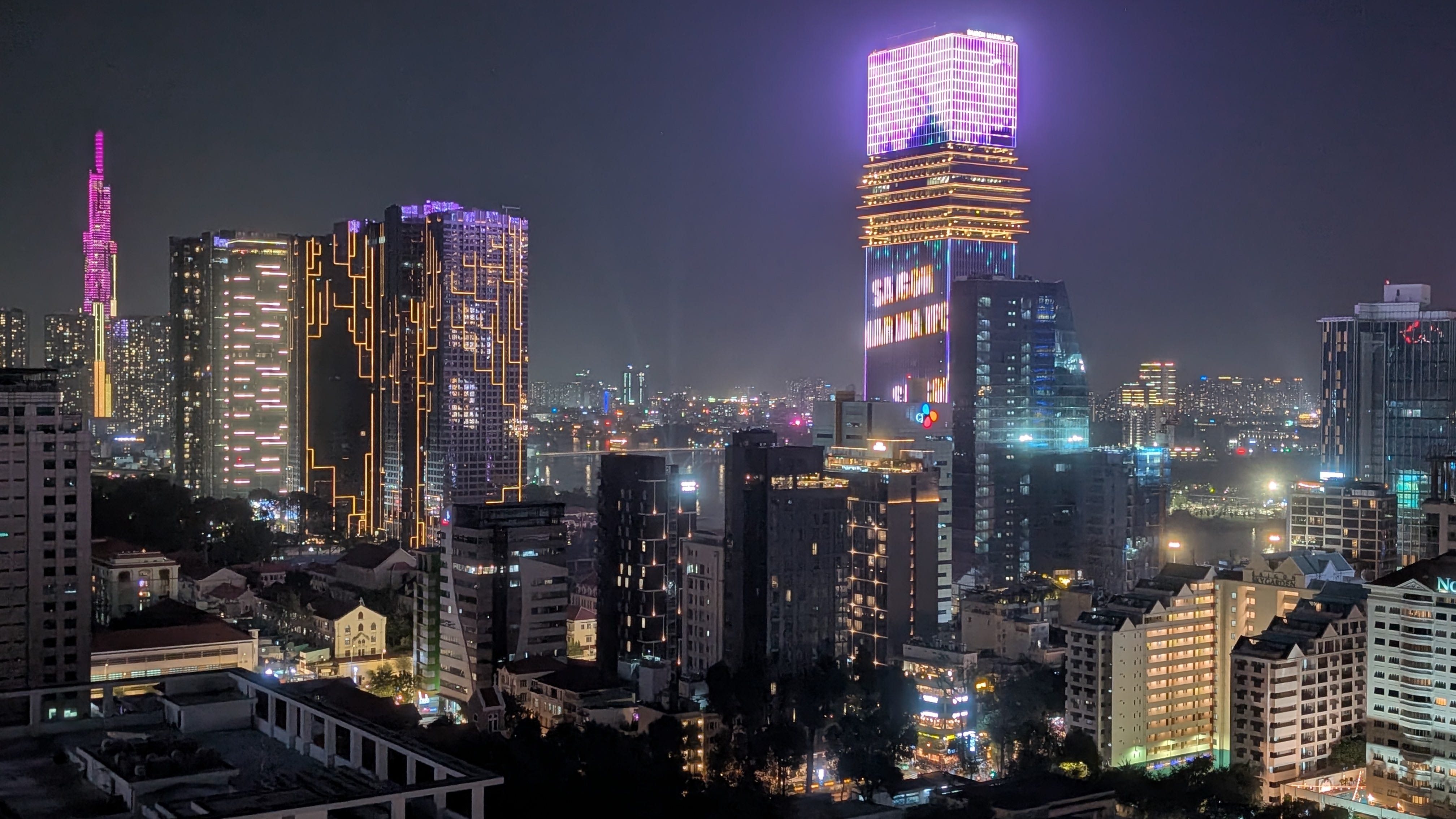
As I write this, I’m sitting on a balcony overlooking a brightly-lit Saigon, sipping some barley tea. Within 12 hours of our landing, my daughter came down with (what I can only assume based on the season and the happenings at her school is) the flu. While she slept, I decided to come out here and read some of the Tate and (Marie) Howe that kept me company on the flight. My thoughts kept getting interrupted by this sort of imagined conversation between the three of us on poetry. Naturally, I decided to come on here and give form to the soul of those thoughts.
A lot of people come to poems looking for the wound. By that, I mean that the place where recognition happens fast and clean. I think what I love most about Tate is that he isn’t especially interested in that exchange. His focus is often more on the machinery than the wound. I think I finally figured out the topic for my next CWC talk. Machinery vs Wound. Actively resisting the overwhelming urge to go shape that right now.
What I mean here is that Tate shines a light on how things line up. His pacing and word choice create a slight but deliberate distance from feeling that requires the reader step into the moment he has built. Work is required by the reader. Howe and other wound-ier poets meet the reader where they are emotionally. I don’t think there is a better method, but I certainly think there is a more popular one. There’s so much to unpack there about movements and the overall response to modernists but I think I’ll just get to finally digesting this piece today.
Take opens with a deceptively undecorated description of looking out a window. But there is a lot happening with sound even if there is nothing particularly noteworthy happening with the world he has built. “I stood at the southwest window for/ a long time just staring out at the field/ and empty road. A hawk on the telephone.” Substack is severely limited in its ability to highlight things. I want to underline those vowels (window, for, long, road) and highlight those heavy stops from the d’s sprinkled through it. But for now let’s look at the way the sibilance creates a sort of slide that keeps us above the surface of the poem. We are, like the speaker, not particularly interacting with anything. We are waiting for something to happen. The w sounds, rounded and hovering, slow us without stopping us. I can almost imagine the dust being blown across the road the speaker describes and I feel a bit like the dust, caught on an unseen updraft and spun back on myself a moment before continuing forward. The end of each of the first three lines is pushed forward with the fricative f.
The hawk is our first real sign of action and even it is just sitting there. When it does finally do something, the action is stripped of drama. “Eventually he swooped down and/ had his snack.” No metaphor. No blood. No moral charge whatsoever. It’s presented so casually that it drains all violence from the act and presents us only with function. Or, entertain me here, the machinery rather than the wound. This is how things work: this eats that. There’s flow in the line (the rhyme of line and sign, the echo between move- and swoop) that pulls it all together and gives it the pace that feels like the connective tissues of this collection. The hawks hunt has opened the floodgates of action. A tractor that “has crept” into the scene with a verb that carries a lot of weight. It suggests slowness but also effort and care, giving a further dimension to the load it carries. Against that image, the green convertible flashes by as the very antithesis of everything the tractor represents. They are fast, young, and carefree. They are eager to pass through this scene of middle-aged contemplation as quickly as possible. The speaker neither follows them nor spends a second wondering anything about where they might be going. Their brief existence in the world outside his window is as mechanical as the hawk having its snack. And really that’s the connection and contrast that Tate has built through the poem. The juxtaposition of slow, empty moments with flashes of incidental action.
What’s important here is that Tate never inserts himself emotionally into the scene. The speaker is present, but not expressive. He doesn’t tell us how he feels about the hawk or the tractor or the kids. He tells us where he is and what he sees. The storms arrival is just another form of data: “I could/ feel the barometer dropping.” Not dread. Not anticipation. Just measurement. Distance. This is where readers who come to poetry looking for recognition can feel stranded when reading Tate (and this collection in particular). There’s no mirror being offered. Tate isn’t asking us to see ourselves in the speaker. He’s asking us to stand at the window with him and watch how a moment assembles itself piece by piece. In doing so, he’s leaving the emotional read and unpacking of that moment to us, allowing our brains to have as much time with the feeling as our hearts.
And then the last line comes: “This is where/ the chicken catches the ax.”
This feels brutal and sudden on the tail of the rest of the poem. It’s all hard consonants. The mouth tightens and the throat is suddenly active after a poem full of open vowels. There’s no lesson attached. The poem ends alongside the chicken, with the verb “catches” giving some agency and intention to the executed. As a reader, we are left with questions that force us to reread. Perhaps we missed something. Perhaps we could have seen this abrupt end coming, and there were hints loaded into the earlier events. Or, maybe that’s just life. A lot of nothing, with some bursts of action and an abrupt end. We look back and we can swear we felt something coming but we didn’t know what it was. There was just something in the air.
No posts
Comments
Nothing yet. Say the first thing.
Sign in to join the conversation.