
Just as the blue tip of a compass needle
stills to north, you stare at a pencil
with sharpened point, a small soapstone
bear with a tiny chunk of turquoise
tied to its back, the random pattern
of straw flecked in an adobe wall;
you peruse the silver poplar branches,
the spaces between branches, and as
a cursor blinks, situate at the edge
of loss—the axolotl was last sighted
in Xochimilco over twenty years ago;
a jaguar meanders through tawny
brush in the Gila Wilderness—
and, as the cursor blinks, you guess
it’s a bit of line that arcs—a parsec
made visible—and as you sit,
the imperfections that mark you
attune you to a small emptied flask
tossed to the roadside and the X,
never brewed, that throbs in your veins.
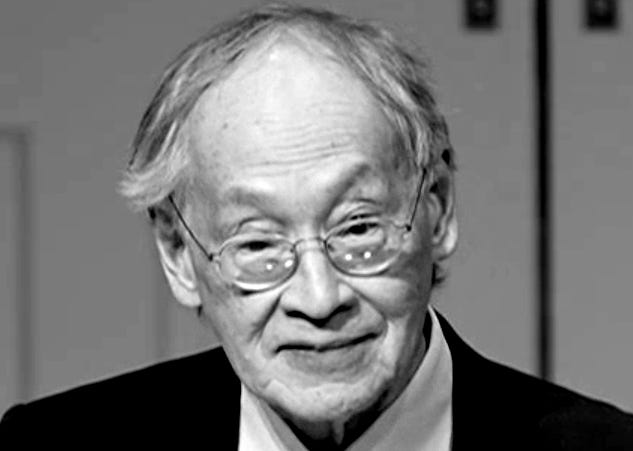
Stillness is transitory at best. It’s an illusion, really. Nothing is ever still. That is especially important to remember about ourselves, as this one-moment-in-time perspective we find ourselves stuck in can sometimes make things feel quite stagnant. It’s only on a thoughtful look back that we are reminded of the vast amount of movement that has occurred. This poem, from Arthur Sze’s 2019 Sight Lines, has me lost in a swirling vortex of thoughts on stillness. The United States is a fucking mess. My to-do list is hiding somewhere behind the soothing green of this window. My hands are absolutely abusing this poor keyboard. But there is this feeling of stillness as an action that has completely washed over me.
Sze’s opening line delays the noun head, which also does the job of setting the pace immediately. The poem is immediately contemplative and measured. You have to wait for the compass needle to make its appearance and in the process everything slows down. When we finally know the focus of our attention, there is a softness that feels appropriate within the speed Sze has set. The needle doesn’t point. Pointing is aggressive and active. The verb switch allows the image to capture a lot more of the process of bobbing back and forth until it’s been locked in by the magnetic field. Rather than hand wave the process away, Sze allows us to capture that process in the same number of words.
I feel like this is a poem given as a gift to poets, or perhaps writers writ large. The second line targets the writer at their desk looking for inspiration. He also gives us a sound pairing that will appear throughout: s p. Stare at a pencil with a sharpened point. Later there will be soapstone, silver poplar and arcs—a parsec. This is all the sonic DNA that ties the piece together. There are other similar moments of cohesion. A “bear with a tiny chunk of turquoise tied to its back” and “edge of loss—the axolotl was last sighted in Xochimilco over twenty years ago.” It’s subtle, but it’s there and it’s guiding your ear just so.
So we have a writer at their desk, looking first at the random items strewn across it, then to the wall and finally out the window. All this while the cursor blinks expectantly. Sze doesn’t allow the poem to reduce to a single scale of attention, which feels right considering the title and its implication of process. We bounce with him between axolotls in southern Mexico City and the Gila Wilderness in New Mexico. Two locations with contrasting histories (a major waterway in longstanding urban hub vs the world’s first designated wilderness area) paired with two organisms of contrasting fierceness. They are entirely different registers of aliveness, from the inexplicably adorable to the undeniably untamed. Then, he contrasts the cursor (“a bit of line”) with a parsec, which is a distance greater than 3 light-years. There is a vastness of possibility here, all tucked into that cursor while the “you” of the poem remains pretty damn passive. “you guess” and “you sit.” The stillness isn’t peace, though. The cursor is almost expectant of you and the pacing picks up towards the end with all of the pre-AI em-dashery quickly pulling your attention one way and then the other.
Sze ends the poem without resolution. The last couplets are a bit clunkier, but shift agency. Now things are happening to you. The sounds shift, too. Even though this is syntactically an enjambment, ending the line on you makes it feel somewhat final. The result is a false stop of sorts. “the imperfections that mark you/ attune you to a small emptied flask/ tossed to the roadside and the X,/ never brewed, that throbs in your veins.” The same things happens with the flask, which feels similarly dead-ended by the image it is presenting. A small, empty flask feels kind of terminal but these are ends that aren’t quite ends, serving as a perfect balance to all the inspirational beginnings that weren’t beginnings littering the first part of the poem. Whatever it is you’ve been looking for in the tip of your pencil or cursor on your computer, the treasure buried beneath the X, stays inside of you. The poem ends without you ever having created anything.
Comments
Nothing yet. Say the first thing.
Sign in to join the conversation.