
Text within this block will maintain its original spacing when published
A single apple grew on our tree, which
was some kind of miracle because it was a
pear tree. We walked around it scratching
our heads. “You want to eat it?” I asked
my wife. “I’d die first,” she replied. We
went back into the house. I stood by the
kitchen window and stared at it. I thought
of Adam and Eve, but I didn’t believe in Adam
and Eve. My wife said, “If you don’t stop
staring at that stupid apple I’m going to go
out there and eat it.” “So go,” I said, “but
take your clothes off first, go naked.” She
looked at me as if I were insane, and then
she started to undress, and so did I.
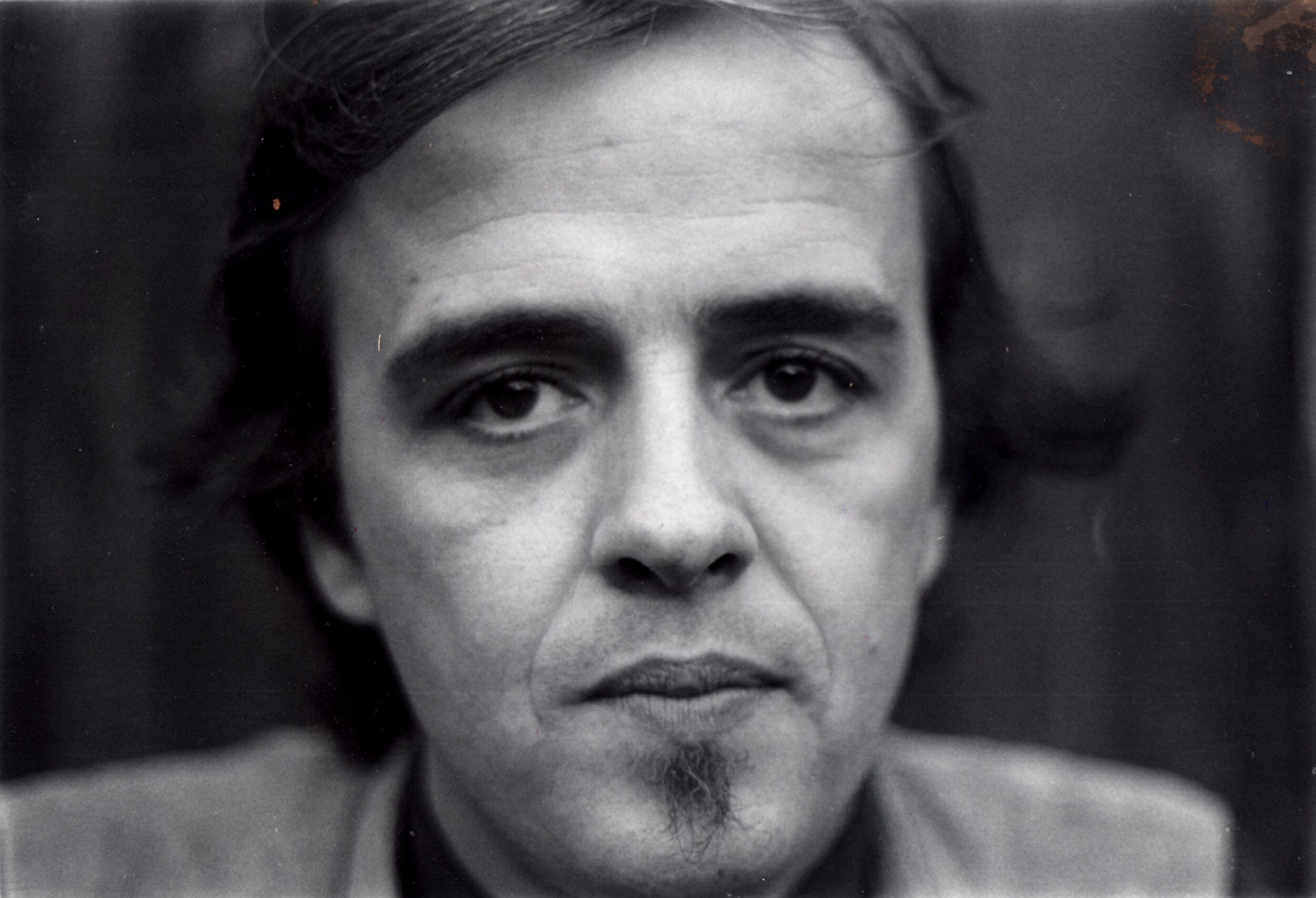
Hey there. It’s been a while. October and November were a lot. I spent a few weeks rewiring the second floor of the house, which involved quite a few hours crawling around the attic. There was something spiritual about the combination of darkness and isolation, both physical and temporal. There were fragments of newspaper from the 30s and “12-24-80” written with a finger dragged through what was, even then, a dusty window pane. Of course, I added my own legacy in the thicker dust beside it. I wrote more lines of poetry up there in that month than I have in the last few years, albeit in the form of verses spoken in the notes app on my phone. As I was rereading some of it, I was reminded of poets I enjoyed greatly in youth but haven’t interacted with much in the last 15 years. Namely, I thought of James Tate. Sometime late last month, my wife and I decided to grab brunch in Tarrytown. Speaking to youth and time, we spent many days during our courtship grabbing lunch along the main street there, so it all feels so universally appropriate. I popped into (and fell in love with) Transom Bookshop and stood at the poetry section with every intent to buy 2023’s Hell I Love Everybody: The Essential James Tate. But a copy of 2002’s Memoir of the Hawk kept pulling my eye back. I’d read the collection a couple of times in the past, but I never owned a copy. That changed that day.
In so many ways, my love for Tate’s absurdist snapshots is closely related to my love for Charles Wright’s meditative vignettes. In fact, now that I type that out, I feel like there should be a subgenre of poetry called vignette poetry. Wright gives you these charged still-lifes and Tate essentially answers the question “what if Charles Wright popped an acid tab a couple hours before staring at his backyard?” This collection was heavily criticized following its release. Critics felt that it was a bit too absurd, and that in the process it lost its emotional grounding. This is a common complaint for more experimental poetry and one that frankly pisses me off for entirely selfish reasons. There is a place for poetry that has muddled, disconnected metaphors. There is a place for confusion and ridiculousness in the medium as much as there is a place for ham-fisted political discourse or confessional self-therapy. People process the world in different ways, and sometimes those ways are fucking absurd.
Tate opens the poem with a simple world-building observation, but immediately throws the world’s logic into question. A potentially mundane pastoral moment becomes a glitch in the matrix. It’s a great little image to launch the poem from, but it’s the way that he launches it that is more impressive. “A single apple grew on our tree, which/ was some kind of miracle because it was a/ pear tree.” The echo of “tree” frames the moment, and the central clause is framed even tighter by the syntactic bracket created with the repetition of “was”. Miracle is the spotlight here, and a seed has been planted (pun?) for the metaphysical twist that is coming down the line.
There’s another highlight happening that is a bit more subtle. By front-loading the sounds of the “single apple,” Tate is priming our ear to feel the weight of the miracle just a little more. All of these techniques serve to give significance to something that might otherwise seem like random happenstance.
Tate advances the scene in a run of paratactic sentences — each one self-contained and emotionally sealed. The lack of subordination mimics how a dream moves from action to action without connective rationale. We are falling through this scene around the tree, but to keep us from speeding past the interaction, Tate includes a string of long i sounds in “my wife. “I’d die first,” she replied.” Each raised sound adds a sharpness that almost makes the language itself flinch at her hyperbole. There is no wiggle room for play here.
Halfway through the piece, we get another echo in “I thought/ of Adam and Eve, but I didn’t believe in Adam/ and Eve.” Tate delivers it in that flat, almost bureaucratic rhythm that doesn’t allow the myth to inflate the scene. This is the poem acknowledging the old story without granting it any real authority. He reaches for the archetype and finds static. There’s no revelation here, no sudden rush of meaning, just the human impulse to name a thing even if it requires reaching into a reference box that we don’t necessarily value or subscribe to. And because we’re basically little pattern-recognition machines, the moment he says it, the connections flare up. The apple offered and so vehemently denied takes on new weight. The scratching of the head, this confusion and lack of knowledge, starts to feel like it’s gesturing toward something more.
The apple is an agent of chaos in Tate’s little universe. It destabilizes their world first by being impossibly confusing, then by splitting their reactions: her disproportionate defensiveness, his quiet fixation out the window. Both of them are knocked off balance in ways the other can see, and are suddenly (and weirdly) revealed. So when she threatens to go out and eat the apple, his answer “but/ take your clothes off first, go naked” is full of hesitance in the form of hard stops. These little consonantal brakes make the dare feel cautious and tender. He’s not challenging her; he’s offering a way back toward him. And this is where the distance between them finally collapses. “She / looked at me as if I were insane, and then / she started to undress, and so did I.” The long o in “looked” softens the air, and the slack u in “undress” is a vowel that loosens the body as it’s spoken. The line builds an intimacy out of parallel motion. The apple that was rejected at the start of the poem becomes a shared temptation. And what I love is that nothing resolves. There’s no lesson here and no meaning delivered. The apple never explains itself. It just becomes the spark that reminds two people how to arrive at the same moment together.
No posts
Comments
Nothing yet. Say the first thing.
Sign in to join the conversation.