
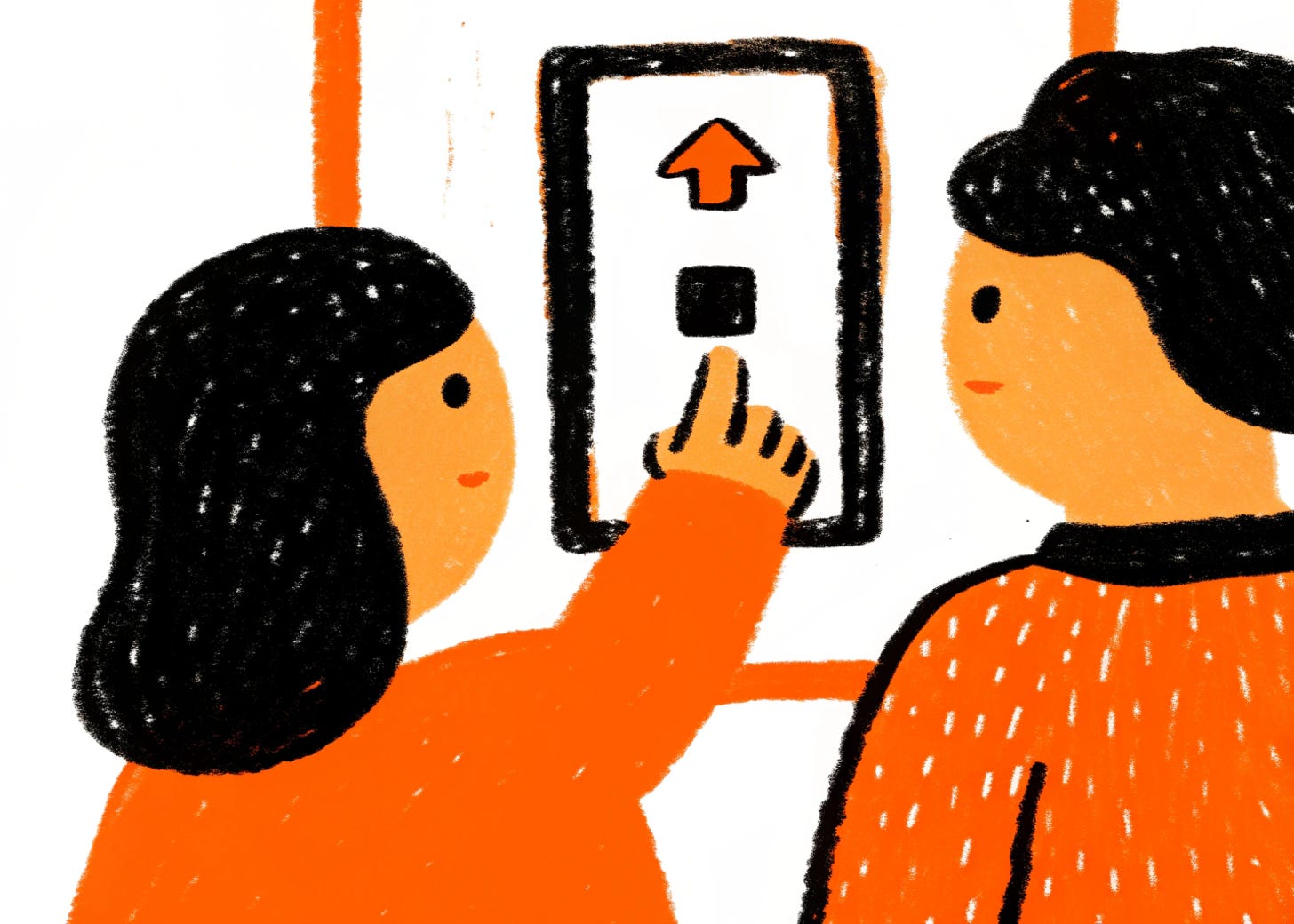
I watched Max Schoening from Notion on Lenny’s Podcast and one idea won’t leave my head: the people who shape the next decade won’t be the most skilled. They’ll be the ones who see something broken and just go fix it.
Max said something early in the conversation that stuck with me. Software is made by people no smarter than you. Systems are changeable. And the difference between someone who complains about how things work and someone who actually changes them comes down to one thing: the reflex to act.
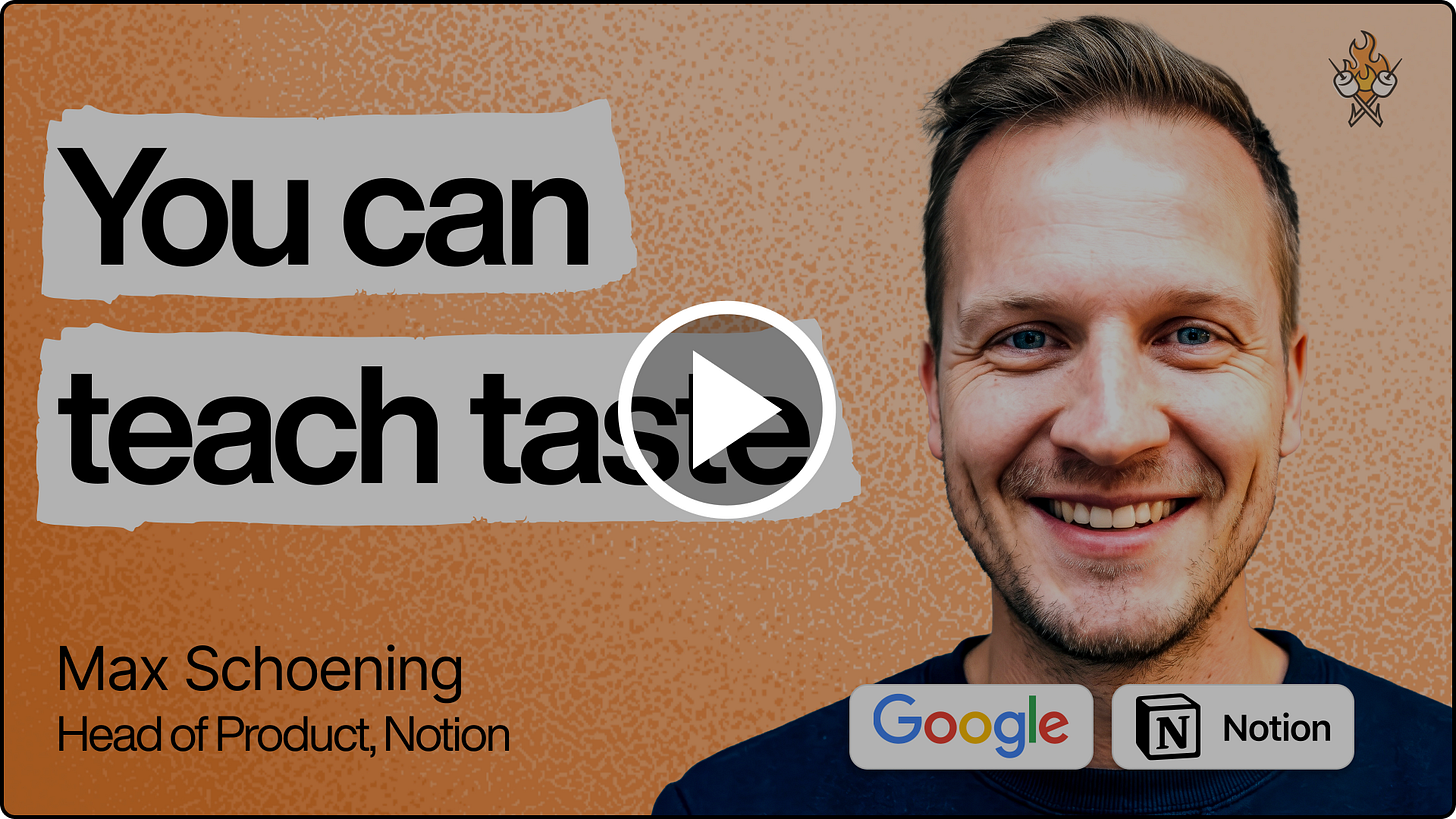
He calls it agency.
I’ve been thinking about it as the willingness to start before you feel ready.
AI made that reflex wildly more powerful. A year ago, acting on an idea meant learning a new skill, spending weeks building a prototype, or convincing someone to allocate resources. Now you can prompt a rough prototype in 30 minutes, generate working code from a description, and test whether an idea has legs before lunch. The cost of taking a first step is basically zero.
What hasn’t changed is that most people still don’t take it. They wait for permission, for a planning cycle, for someone to tell them it’s okay. The gap between “I could do something about this” and actually doing it is where agency lives. And that gap is getting more visible every month.
One thing Max described about Notion’s culture that I keep coming back to: their designers and PMs prototype in code and terminals. They’re not trying to become engineers. They’re trying to work in the actual material of the product instead of staying one layer removed in mockups and documents.
I’ve felt this tension in my own work. Figma is great, but a Figma prototype is still a performance of the product. It looks like the thing without being the thing. When I started using Cursor to build rough working versions of Brisk features, the feedback I got was completely different. People reacted to real interactions instead of imagined ones. Bugs surfaced. Edge cases appeared. The conversation changed because the artifact changed.
AI makes this accessible to anyone willing to try. The first 10% of any idea (a rough prototype, a working direction, something you can click through) is nearly free now. You can explore far more ground before committing real resources to any single direction.
The last 10%, the taste, the reliability, the nuance that makes something feel finished, is still entirely human. AI gets you to a starting point fast. The judgment about what to do with that starting point is yours.
Max used a phrase I really liked: “malleable software.” The idea is that people don’t want rigid apps that dictate their workflow. They want tools that bend to how they already think.
Notion’s blocks are a good example. So are spreadsheets, which have been the most malleable software for decades. These are systems you reshape without fighting the tool. You bring your own structure instead of adapting to someone else’s.
AI is making this cheaper to build. Customization that used to require dedicated engineering time can now happen through natural language. General tools become more powerful because you can teach them your specific needs without writing code.
I don’t think SaaS goes away. I think the products that win will be the ones that let you compose your own version of “good enough” without starting from scratch every time. The platforms that are rigid enough to be reliable and flexible enough to feel like yours.
This was the part of the conversation where I started taking notes faster.
Great products rarely win by adding more features. They win by having one interaction that’s so sharp it becomes the reason people use the product.
Heroku had git push heroku main.
GitHub had pull requests.
Dropbox had the tray icon that just synced.
Notion has blocks.
Each of these products has hundreds of features now, but the reason people fell in love with them was one specific thing that worked better than anything else available.
AI makes it tempting to generate surface area. You can build features fast, so you build more of them. The discipline is knowing when to stop and spend the extra time making one interaction feel right instead of building four more that feel okay.
That discipline is taste. And taste comes from doing the work over and over, not from reading about it or watching someone else do it on a podcast.
Max made a point toward the end that I think about a lot. Knowledge work is, in a way, already a form of universal basic income. We sit at computers, paid well, moving pixels and words. That’s an extraordinary position to be in historically.
AI might restructure parts of that. But I think the bigger risk for most of us isn’t displacement. It’s complacency. Getting comfortable enough that you stop building things that matter to you and just execute what’s assigned.
Agency is the opposite of that. It’s treating every tool, every evening, every side project as a chance to make something you care about. Using AI to ship your own ideas, not just to be faster at executing someone else’s.
I’ve been freelancing and building Brisk while working full-time, and this conversation crystallized something I’d been feeling but hadn’t put into words.
The title on my LinkedIn profile matters less every month. What I’ve built and how quickly I can shape the next thing matters more. The people getting ahead right now aren’t the ones with the best credentials or the deepest expertise in one tool. They’re the ones who see a problem, open a terminal or a Figma file or a prompt window, and start.
Since watching this I’ve changed one thing about my week. When I have an idea for a Brisk feature or a newsletter topic or a design experiment, I give myself 30 minutes to make something real before I decide whether it’s worth pursuing. No planning doc. No outline. Just a rough version I can look at and react to.
Most of those 30-minute experiments go nowhere. A few of them have turned into the best work I’ve shipped this year. The ratio doesn’t matter. The reflex does.
Agency isn’t a personality trait. It’s a habit and right now, with the tools available, there’s never been a cheaper time to practice it.
Thanks for reading :) If something in this issue resonated, please reply and tell me.
Even one line. These replies are my favorite part of writing this newsletter.
See you next Thursday 🙌
— Balint
What else I’m working on?


No posts
Comments
Nothing yet. Say the first thing.
Sign in to join the conversation.