
“If you are not pre-diabetic/diabetic, do you recommend eating 3 meals a day or 5-6 smaller meals a day? Do you recommend checking blood sugar, and how often?” - Brooke

Dear Sister!
We’re happy you asked. Blood sugar management is so ghatttt damn underrated and a real NEEDLE MOVER for our energy, hormones, cravings, and mood.
When we were thinking about our answer, Alaina realized that there was a season where she carried a little notebook around everywhere. Seriously. Every few hours, she’d prick her finger manually, write down her blood sugar, then scribble what she’d eaten and how she felt.
That feels hilariously old school & archaic (oh how far we’ve come, lmao).
Back then though, she was DESPERATE to understand what the heck was happening inside her body. PCOS & the insulin resistance that came along with it had turned her hormones upside down. She wanted different answers than the ones she was getting.
Especially that one day when her doc called with her recent bloodwork results.
Him: “You’re one point away from being pre-diabetic.”
His advice? “Lay off the sweets.”
Her: EXSQUEEZE ME?!
How could that be?
She had played college soccer. She still exercised regularly. Ate salads. She wasn’t living off soda and candy. She genuinely cared about her health...
...yet somehow her blood sugar still wasn’t where it should have been for a health-conscious 25 year old gal.
That moment was a lesson for all three of us (because we obviously do everything together, lol).
We honestly thought blood sugar was something only our grannies & diabetics worried about.

But NO MA’AM, blood sugar is one of the biggest drivers of how we all feel every single day, no matter what age you are! And it should be something we care about longggggg before we’re almost diagnosed with pre-diabetes like Alaina.
We’re proud to say that at this point, our daily habits are consistently supportive of blood sugar. They’re so habitually built into our lives that we don’t even think about it anymore – from our meals, to our movement, and even when we drink our coffee!
We want this for you, too.
So with all that being said…
To answer your question, Sister, we first have to talk about insulin. Trust us, this is the missing puzzle piece.
Blood Sugar. Sugar…. that’s in your blood.
You can’t say that title didn’t just demystify everything for you right there. HAHAHA.

Glucose, aka blood sugar, is the fuel from your food (mostly carbohydrates) once it hits your bloodstream. Your body doesn’t want all that new glucose lingering in there for long, so it releases the hormone insulin.
Insulin’s job is to help move the sugar into cells where it can either be used for energy or stored for later when your body needs it. Snaps for insulin!
Now, when most women hear “balanced blood sugar”, they picture flatlined levels on a graph. When in actuality, what we’re referring to is gentle ebbs & flows of blood sugar, like a kiddie ride. That’s what we want!
What we DON’T want is an intense rollercoaster with high spikes and low crashes. That can happen when you eat big carbohydrate meals, high-sugar or high-starch foods, skip meals, or even in situations when you’re experiencing something super stressful (fight or flight response = more available blood sugar so that you CAN fight or fly to survive!).

One really important thing to note is that blood sugar isn’t its own isolated system in your body.
It’s foundational… and not to be dramatic, but it’s actually tied to EVERYTHING. When it swings hard, it drags a lot of other hormones around with it – from your thyroid to sex hormones and hunger hormones. So if you’ve ever felt moody, foggy, exhausted, or “off” and couldn’t figure out why… blood sugar is almost always the VERY FIRST place we tell our clients to look.
When it comes to meal frequency…
Insulin naturally rises after meals and then gradually falls. That’s the norm.
One of the ways we can run into trouble is when we’re constantly eating from the minute we wake up until bedtime, never giving ourselves much time between meals. In this scenario, insulin is spending more of the day elevated because it’s just doing its job shuttling the influx of sugar out of your blood and into your cells.
That may not be ideal because unfortunately, chronically high levels of insulin can eventually lead to a lot of unwanted things down the road like increased inflammation, insulin resistance (when you can’t store sugar properly), and increased male sex hormones like testosterone. This can be a HUGE hidden factor of why your cycle is wonky, painful, or full of annoying symptoms.
And, did you know that there is an interplay between insulin and your hunger hormones? When you’re grazing all day and your insulin is always high, your signals can be totally thrown off – causing you to feel STARVIN’ very shortly after having a full meal.
Kelly LeVeque, author of Body Love calls this “hormonal hunger”, where your body is constantly driven to eat. You think you are simply struggling with will power, but really the need to eat has everything to do with your biology, instead.
When you give yourself adequate time between meals, insulin can return to baseline and you can save yourself from this drama.
There’s another reason we generally don’t love constant consumption: digestion is one of the most energy-demanding things your body does. Giving yourself a few hours between meals allows your digestive system to finish one job before starting the next. On the off times when your body is NOT digesting, then it gets the chance to do important tasks like cleaning up our organs, replacing damaged cells, detoxing, etc. And not to mention…burn fat.
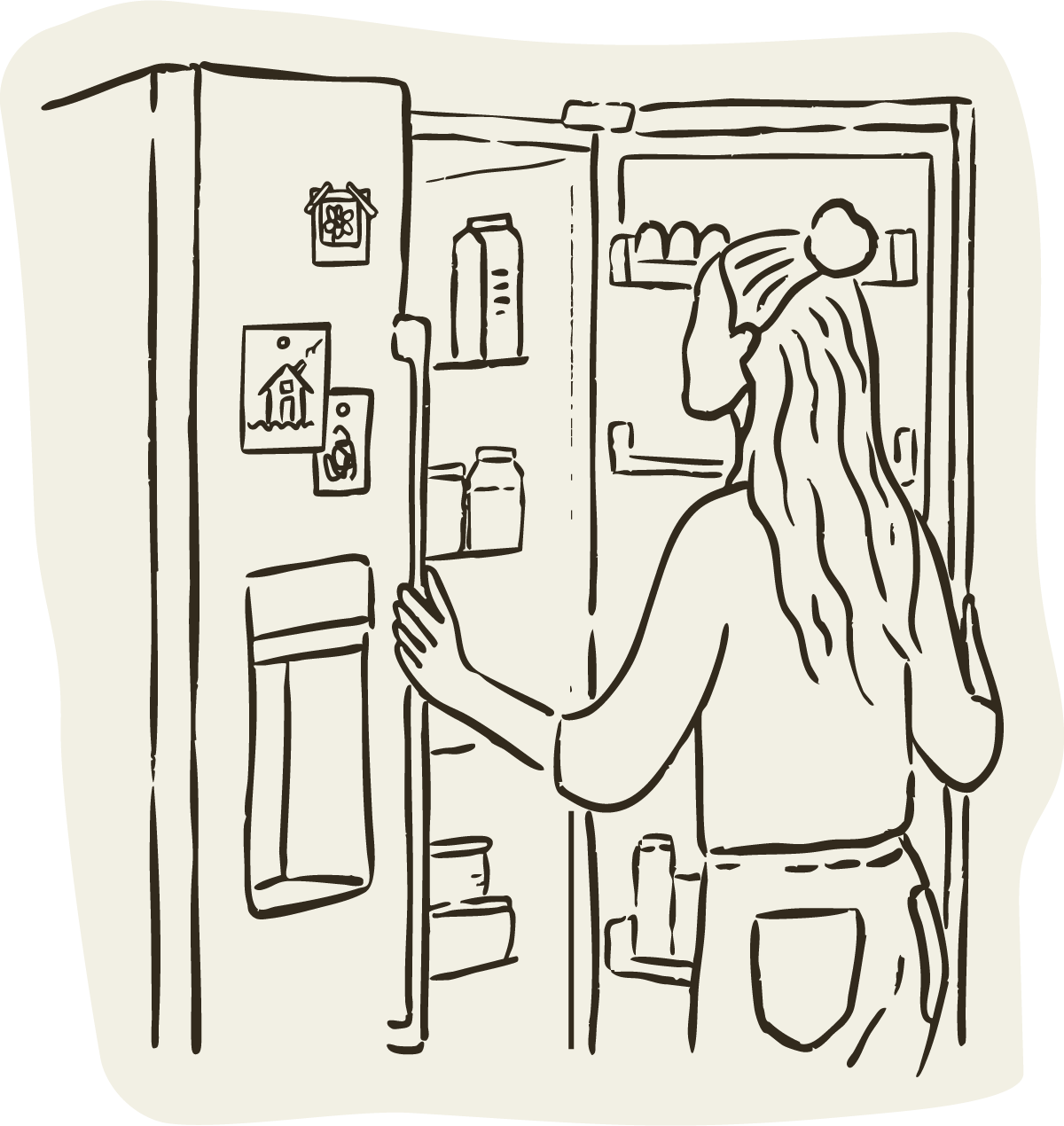
If you are always thinking “I’m stilllllllll hungry” or standing in front of your fridge yet again, that’s usually not a sign you need MORE meals. It’s a sign your PLATE needs more ON it.
Make it bigger. Are you eating enough overall?
Add more protein. Protein keeps you SATIATED. Fuller for longer.
Add more fiber. Fiber slows down the absorption of carbohydrates, which will help keep your blood sugar ebbs & flows steadier.
Add more fat. Fat gives you that “Ahhh, I’m so CONTENT” blissed-out feeling.
Drink more water.
Dig even deeper: Is this body hunger or is my spirit hungry for connection, creativity or authentic expression?
…if all that doesn’t help, then maybe your body DOES thrive on adding that extra balanced snack per day.
Remember, this is not one-size-fits-all. It’s bio-individual. So give yourself permission to experiment and find YOUR rhythm. At the end of the day, we’re looking for satiety and steadier energy, so mess around and figure out what gets you there.
Also let’s not forget, blood sugar is not just about food. It is impacted by our lifestyle, too.
Poor sleep.
Stress & fear.
Caffeine on an empty stomach.
Little muscle mass.
Lack of movement daily.
No sunlight exposure.
Unmet feelings or unresolved emotions.
…the list goes on! We will share more of our favorite lifestyle blood sugar tips below.
When it comes to checking your blood sugar…
We actually don’t recommend STARTING with a continuous glucose monitor (CGM). In an age where technology can give us massive insights into our health, we still feel like women are deeply disconnected from their bodies to begin with. We’re not a fan of outsourcing our inner knowing to apps without nourishing that connection with ourselves first.
So for that reason, what we recommend is simple: check in daily on your body’s cues.
Are you having mid-morning crashes and/or afternoon slumps?
Do you feel shaky or hangry without food after a few hours?
Do you have sugar cravings at night?
Is your energy all over the place?
That’s your body flagging blood sugar mayhem in real time. Ask yourself these questions a few times a day. ‘Errrr day.
We’d even recommend writing things down to see if there’s patterns.
For example: “Drank a smoothie at 8am. I was starving by 10am.” That’s the stuff you want to pay attention to. That really happens to Alaina - no smoothie can keep her full for long, so she makes them sparingly and they are never a meal replacement for her.
If you want to dig deeper, you CAN invest in a continuous glucose monitor (CGM) and track quantitative data more closely at home & in real time. We’ve personally experimented with them and loved them for the bio-individual data. You can experiment and learn a lot fast – like discovering that no matter how balanced Carly’s oatmeal was, it still sent her blood sugar through the roof! We recommend Nutrisense or Levels if you want to try one out.
If a continuous monitor isn’t in your budget, you can also grab the simple glucose monitors from your local CVS like Alaina did a decade ago. Like we mentioned, it’s much more manual and involves lots of finger pricking (lol), but it was a budget-friendly way to geek out over her blood sugar after meals.
If you want to check in with your PCP, it looks like the guidelines suggest getting formal bloodwork with your doctor roughly every 3 years starting around age 35. If you have risk factors, like PCOS, a family history of diabetes, carrying extra weight, or a history of gestational diabetes, your doctor may want to test you sooner and more often.
Comments
Nothing yet. Say the first thing.
Sign in to join the conversation.