
Hi there, and welcome to a Sunday Special of Bake Experiments, a collaboration with Italian food writer Giovanna Solimando.
I am so thrilled to have you here. And if you like what you read, please do press that heart, share, or subscribe. Thank you.
Many months ago, Giovanna approached me with the idea to discuss and experiment with a relatively simple baking question - how do you prefer to measure your ingredients, in weights or volumes?
What began as a fairly technical conversation, covering cups, grams and ounces, became broader and deeper.
In time we were discussing how we grew up in the kitchen. How our personalities shape our approach to recipes. And that delicate balance between precision and intuition - how our senses, what we can see, feel and taste, are as vital a guide in the kitchen as our weighing scale and tape measure.
Below we have shared some of those conversations. Alongside many tips on how to balance precision with intuition when cooking or baking.
This is a co-authored post, so you may come across it in both of our newsletters. Do take a look at both posts. While some sections are shared, each of us has added something extra.
Based in California, Giovanna Solimando was born and raised in Puglia, in the Northern area known as Capitanata or Daunia, at the foothills of the Gargano peninsula.
On Substack she writes My half Apulian table, where she shares recipes and stories rooted in seasonality and regional Italian flavors. Her writing explores the ways food carries memories and traditions, drawing on her Pugliese heritage and her life between Italy and California.
You can read more about Giovanna and her newsletter here.
Giovanna: In my family, we used grams and scales, but also un pizzico (a pinch), a occhio e croce (by eye), quanto basta (as much as needed). Whether it was baking or cooking, there was always this balance between precision and intuition. And that balance is still how I cook today.
I remember my paternal grandma, a brilliant cook and baker, making wonderful pies entirely by eye. I always wondered how she did it. I think she made the same recipes over and over, so she knew them by heart. She also had her own personal way to measure: her trusted wine glass for the milk, her favorite spoon for the sugar, and her classic espresso cup for the olive oil. In a way, a lot of her baking was volume-based, but it depended just as much on how the dough looked and felt.
My mom is an amazing cook, but she doesn’t love baking or handling dough. I’ve never seen her weigh ingredients on a scale. Her dishes don’t taste exactly the same from one time to the next, but they are consistently delicious. She’s had a few baking mishaps, usually from wanting to just wing it and see how it turns out. Even then, it’s never so disastrous that she can’t “just dunk it in milk for breakfast”, as she always says — apparently even a “failed” bake tastes good that way.
I’ll tell you one last story. Recently, I worked on my pastiera recipe guided by an Apulian mom and grandma. She measures everything by eye, so she wasn’t sure how many grams of flour went into the pasta frolla, or how much wheat she put in the filling. After some back and forth, I realized that she finds figuring out proportions every time a bit flustering. Still, she prefers it this way. There’s certainly variation in her pastiere, but she doesn’t mind it — anyone who cooks this way accepts that unpredictability.
Personally, I like getting bakes just right and being able to replicate them consistently. For cooking I’m more flexible, but for baking I prefer precision. Repeatability matters to me: it’s exciting when I achieve the ideal flavor or texture, and not knowing how I did it, or how to do it again, would be a shame.
But as my stories show, I grew up in a kitchen where the scale sat next to the spoon. It taught me that precision and intuition can live side by side, and I carry both with me.
Shell: Unlike many Italians, I don’t have many memories of cooking and baking with my family growing up. I’m sure I baked simple things like muffins or cookies with my mum, but we don’t have quite the same food culture here in the UK. Well, we didn’t in the eighties anyway.
From a young age, I have loved books, and I love to read. So, it makes sense that my love of cooking and baking was born from books too. Filling my shelves with dozens of cookbooks, before heading off to patisserie college and then moving into custom cake decorating.
Perhaps because I initially learnt from a library of cookery and baking books (and still do), I have always used the precision of a weighing scale and am quite wedded to it, almost always baking and cooking in grams and ml. Using a scale is common in the UK too.
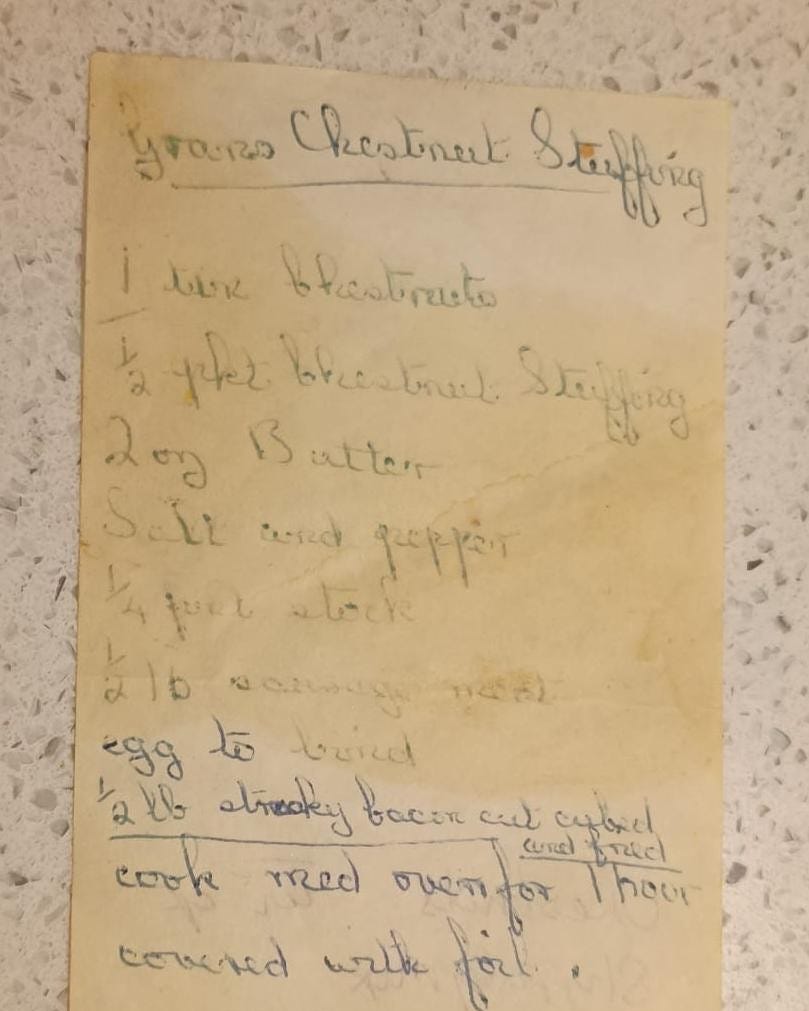
All that said, my mum and gran were good cooks, and I do have a memory of my mum asking my gran for her rather spectacular chestnut stuffing recipe one Christmas. My gran kept delaying, saying she would ‘get to it’. Eventually my mum did get some sketchy instructions with rough measurements on a bit of note paper. My gran had made that stuffing for decades so she didn’t need to weigh anything out or follow a recipe. It was automatic in her brain, like muscle memory.
My mum loves a cookbook, just like me. We are always looking at what each other has just picked up from the bookshop or library. Although she often adapts recipes and makes meals on the fly, adding a bit of this and a bit of that depending on flavour. I have lost count of the times my dad has said: “that was just perfect, do make that again” and my mum cannot remember exactly what she did!
While, like my mum, I am more relaxed with cooking, with baking, I like precision, control, and repeatability. I find following a precise recipe very reassuring. I love knowing that if I do X, then Y will happen. It is a comfort, a bit of control in an uncontrollable world.
Giovanna: When I’m cooking, especially something familiar, I go a bit off-piste. Usually, I look at the ingredient list, glance at the quantities, and then improvise. If it’s a cuisine I know pretty well, I trust myself to get it right without too much guidance. If it’s something completely new or particularly difficult to make, I follow the method quite carefully, at least the first time around. More often than not though, even with new recipes, I tend to follow the ingredient list loosely and scan the method.
With baking, I’m stricter, at least with the weights. I usually follow grams closely and read the method carefully, unless it’s something I’m very familiar with and confident about — in that case, I might not read the method at all.
However, with both cooking and baking, I recognize that when I just scan the ingredient list and method, I’m most likely not tasting the dish or bake as it was meant to be, and every time I make it I’m getting a slightly different result.
Overall, I believe that if a recipe is new to you, following it closely is important, and using weight measurements is more precise. If you know the recipe well you can lean on intuition more, but for consistent results precision is your ally.
In short, precision guides you, but it’s not the whole story. Intuition matters too. To build intuition, and with it confidence, you need repetition and practice.
Shell: When we first started this conversation, I would have said I follow and analyse recipes quite closely, particularly with baking. But in our discussions for this piece, I’ve realised I do now use a lot of intuition in the kitchen, in both baking and cooking.
I made some buns for my daughter recently and purposefully used less dough for each bun than the recipe suggested. As I knew once they had risen, they would be too big for her little hands.
In cooking, I adapt recipes to suit my own preferences and taste buds, maybe adding some extra lemon juice as I like a dish to be tart, substituting for an ingredient I can’t get hold of, or playing with flavour profiles by adding herbs or spices. Using precision and intuition is vital for a successful dish or bake that you and your family are going to love.
I recently read a wonderful piece by food writer Elizabeth Pizzinato where she says: “cooking, at its best, is a form of play…. The kitchen becomes a place where rules can be tested and discovery is constant.” This is my ethos with baking too, one of play and experimentation. Breaking recipes apart to see what works for me, and then building them back up again.
Yet, to do this I think you need experience and a bit of knowledge in the kitchen. Elizabeth quotes Pablo Picasso: “Learn the rules like a pro, so you can break them like an artist.” That is particularly relevant for baking as you do need some rudimentary understanding of the science behind it, and the basic ratios. And some of the skills, like piping, do need practice.
In today’s society, with speedy reels and instant gratification, quite understandably it can be difficult to accept that you need to spend time learning the baking craft. Following recipes closely is a good way to start out, and you can grow from there.
Giovanna: In general, I think that baking requires greater precision than cooking to give good and consistent results, especially for things like enriched doughs, patisserie, and more technical bakes.
With practice though, even baking becomes intuitive. Take bread, for example: through repetition, you learn how it’s supposed to look and feel. I go into more detail on the topic in this post.
In baking, I always measure in grams. I’m particularly careful with small and impactful ingredients such as salt, spices, citrus zest, vanilla. A few extra grams of salt can completely change the flavor and structure — once, I followed the teaspoon measurement the recipe provided instead of weighing the salt in grams for my usual pain de mie, and it turned out noticeably saltier. The same applies to zest or spices: too much or too little of it can change the flavor profile or be overpowering — they may not be dramatic differences, but they’re noticeable.
Dough hydration is another example. A small change in the water-to-flour ratio can make a beautifully elastic dough frustratingly sticky. For someone experienced, that’s manageable, but for a beginner, a few percentage points in hydration can mean the difference between confidence and discouragement.
Eggs are another thing I like to weigh as they vary so much in size — using “two eggs” doesn’t always mean the same thing. If I want repeatability, I weigh them using grams. Having said that, recently, while making choux over and over for several weeks, I realized something: even when you weigh the eggs, it’s not enough. Different flours behave differently, the panade might be more or less dried and, as Shell mentioned in this post, even humidity changes things. So you still have to look at the dough. You have to see how it falls from the spatula. You have to judge the texture.
Grams reduce that margin of error. At the same time, while precision helps, intuition finishes the job.
I also really like using baker’s percentages, and measuring ingredients in grams lets me scale recipes up or down, or make modifications easily.
In my experience, cooking is more forgiving than baking, and gives more flexibility to improvise, so I approach it a bit less precisely at home. Of course, if I’m chopping vegetables, the volume changes depending on how fine I cut them — using cups for something like that can be misleading. But cooking allows you to taste and adjust as you go, so the risk is lower. That said, repeatability suffers. There’s a difference between making something once and being able to make it the same way again and again — using grams helps ensure that consistency. So even with cooking, whenever I share a recipe, I like to be as precise as possible, that way you can successfully and consistently achieve the intended result.
Shell: Oh yes, when it comes to weighing in grams, I agree on all fronts Giovanna. Also, when you are selling bakes, you do have to be very precise with your ingredient measurements. It’s how you work out how much you are going to change for a custom cake, for example. You have to be strict with measuring small amounts too. I measured out a tbsp of milk powder recently. It was only 7g, less than half the 15g quoted on my tbsp.
Your comments about eggs are so true as well. In the UK, large eggs weigh between 63g -73g in their shells. I know this doesn’t seem like much variation, but for some bakes this could have a big impact on your final product. For example, if you use too much egg white in macarons, it can mean a hollow shell.
In college we were given cartons of egg whites and yolks. I still use cartons of egg whites at home, although egg yolk cartons are harder to find. I want my recipes to be accessible to the home baker so I don’t tend to weigh out egg yolks, but always use large eggs.
I find with cups, you need to use your intuition a lot more. I made a pie once for an American client, she specifically wanted her Mum’s pie crust recipe but it was in cups. I watched the mixer very closely to ensure the dough was the right consistency. The pie came out absolutely fine, but I confess, I found it quite an unnerving experience. Particularly as US and UK cups are different measurements (US cups are 240g compared to British 250g). I am more comfortable using cups in cooking, because you can be more flexible and taste as you go.
Giovanna: At home, I don’t always measure pasta sheets, cookies, or pans. I divide the dough by eye, and roll it until it “looks right”. I don’t reach for a ruler.
But when I develop and test a recipe for publication, I measure everything, including pan size, pasta sheet dimensions, and dough weight per portion. That’s because I want you to get the dish or bake as close as possible to the intended result.
Take pizza ripiena for example: in my recipe I provide the pan size, and that’s because proportion affects structure — it changes the thickness of the pizza and the ratio of dough to filling, and consequently the way it tastes and feels when you bite into it.
Measurements matter if someone else is trying to recreate the recipe, especially when they are making something entirely new to them, or if they are complete beginners. They reduce guesswork and give you a reliable starting point.
But I always like to reassure people by mentioning in my recipes that in my hometown no one measures taralli or pasta sheets at home. It doesn’t need to be perfect. You don’t need to measure every millimeter.
In essence: precision helps you reproduce something accurately, and experience gives you freedom to improvise. I don’t think precision and intuition are opposites, I think they’re partners.
Shell: Absolutely, I agree with all of this. You want to be able to create a recipe that’s repeatable, and in a kitchen which isn’t yours! But also encourage a baker or cook to hone their intuition, so they can recreate the recipe in their own environment.
I measure everything when I’m baking. I admit, I’m a bit paranoid with it. I use a tape measure to check everything, the size of cases and tins, how deep I want things to be. And I use a spirit level for layer cakes (and on my camera for photography too!).
And I love my trusty kitchen thermometers, I have two. An internal one for a higher level of accuracy, and to check inside bakes to make sure they are cooked to perfection. And an infrared thermometer. That one is particularly useful when you want to check the temperature of Italian meringue or Swiss meringue buttercream but don’t want to stop whisking. My son also likes to pretend he is shooting aliens with it.
My husband says all this is a level of nerdiness he really enjoys. Although I am confident with rolling pastry and biscuit dough by eye. I know the thickness I am going for.
With recipe writing, I do feel that push/pull between making recipes accessible, and very technically precise. On the one hand, I am always thinking of myself when I was a novice, who hadn’t developed that intuition yet, who wasn’t quite sure of the right consistency of crème pat. But on the flip side, I don’t want to overwhelm anyone with too much detail, and scare them off!
Giovanna: Precision and intuition aren’t opposites — they complement each other, and learning how to balance them and combine them helps make cooking and baking more rewarding and enjoyable.
To get there, start by measuring carefully, then notice how small adjustments affect the final result. This is especially important in baking, though you can apply the same principle to cooking, tasting as you go.
Finally, practice the same recipe multiple times and observe the dough, batter, or sauce — how it looks and feels matters just as much as the measurements. Through repetition, you’ll become more confident in relying on your intuition.
Shell: Precise measurements in recipes, alongside sensory cues, can reassure someone who doesn’t feel confident in the kitchen, or if you are trying a new recipe or cuisine. A comfort blanket of sorts.
With both cooking and baking, recipes can be a place to start learning the culinary craft - particularly if you don’t have someone you can learn from, or if you can’t afford culinary school. With practice, your intuition can come into play more and more.
Over time, you begin to understand what consistency your batters and creams should be, the thickness of pastry. Once you learn your ratios, you can start to play with ingredients in your bakes, such as different sugars and flours. And flavours too… in time you learn that you can balance a very sweet fruit such as grapes, with a savoury herb like tarragon. Or that sharp citrus will balance out a floral flavour like lavender.
But this does take time, often years, and that is ok! As author Julia Cameron tells us in The Daily Artist’s Way, “Mastery is not the prerequisite to begin.”
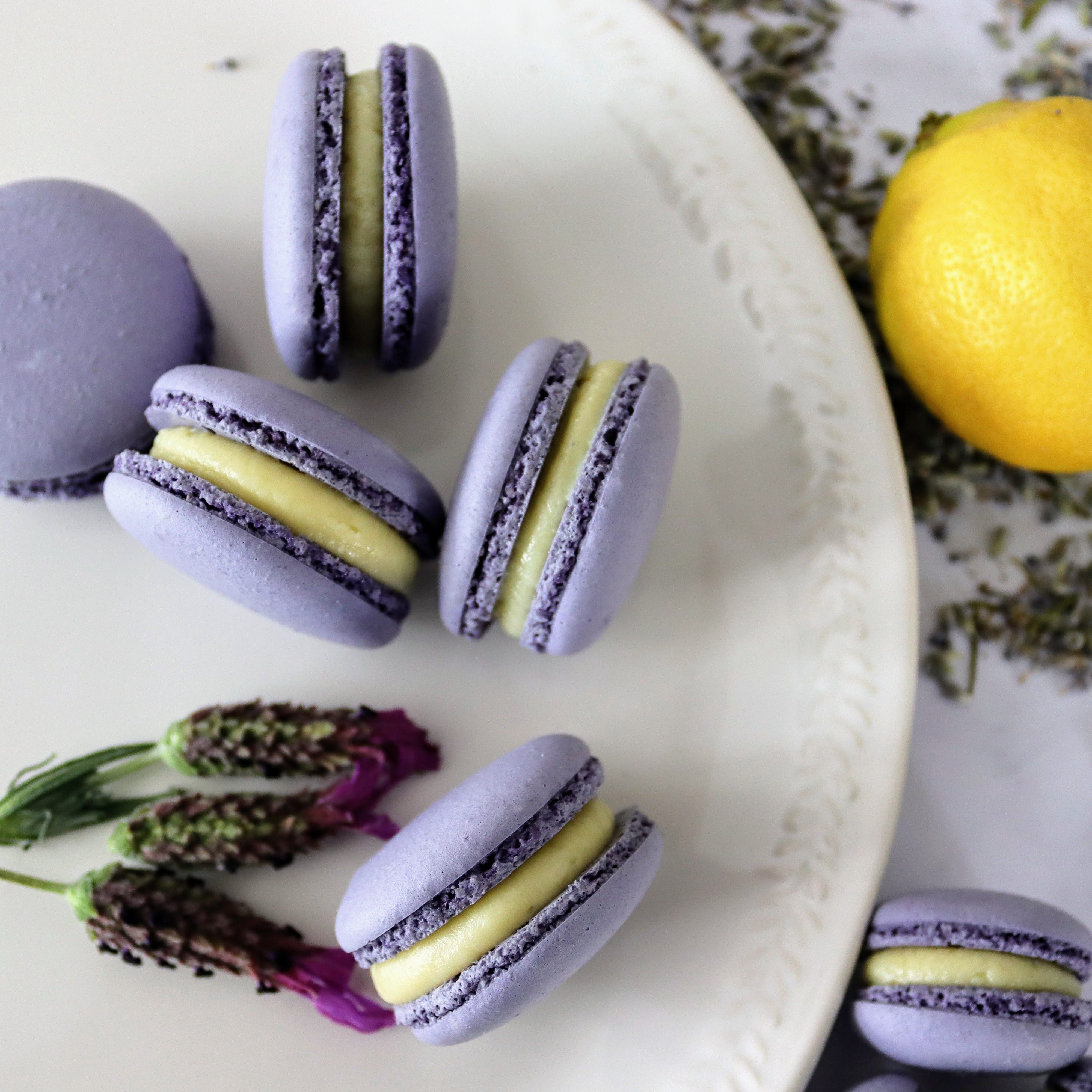
Macarons, such as these Lemon & Lavender Macarons, definitely require precision. Yet intuition is still required, to judge when your macaronage (when you fold your meringue and almond paste together) is the correct consistency for piping to ensure perfectly smooth shells.
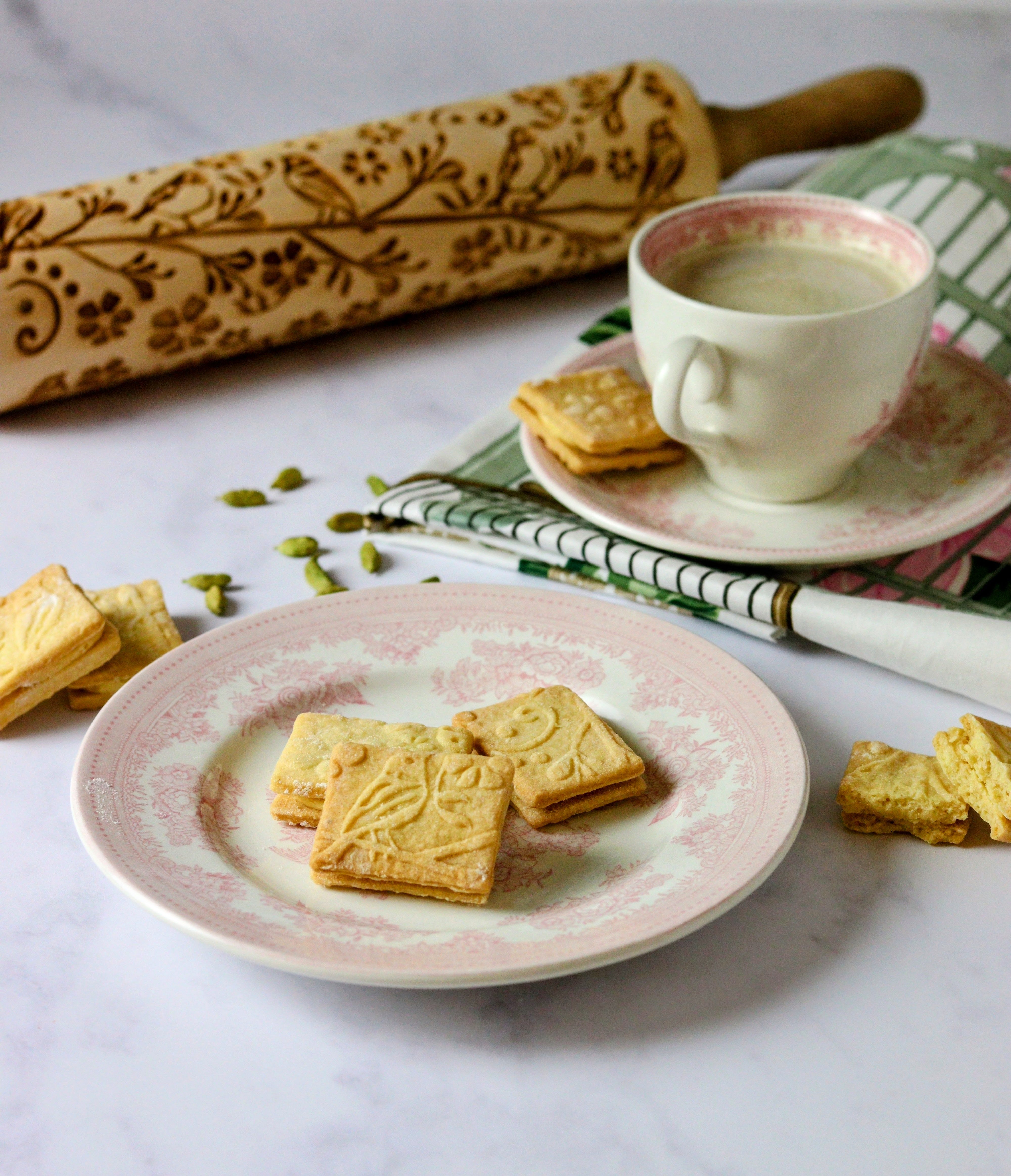
Rolling pastry, or biscuit dough, is a fantastic place to start honing your intuition. Sure, you can pull out your tape measure and check that it’s definitely 2mm. But this is the perfect time to start relying on your own eyes, as a slightly thick bit of pastry or biscuit isn’t much of a baking disaster.
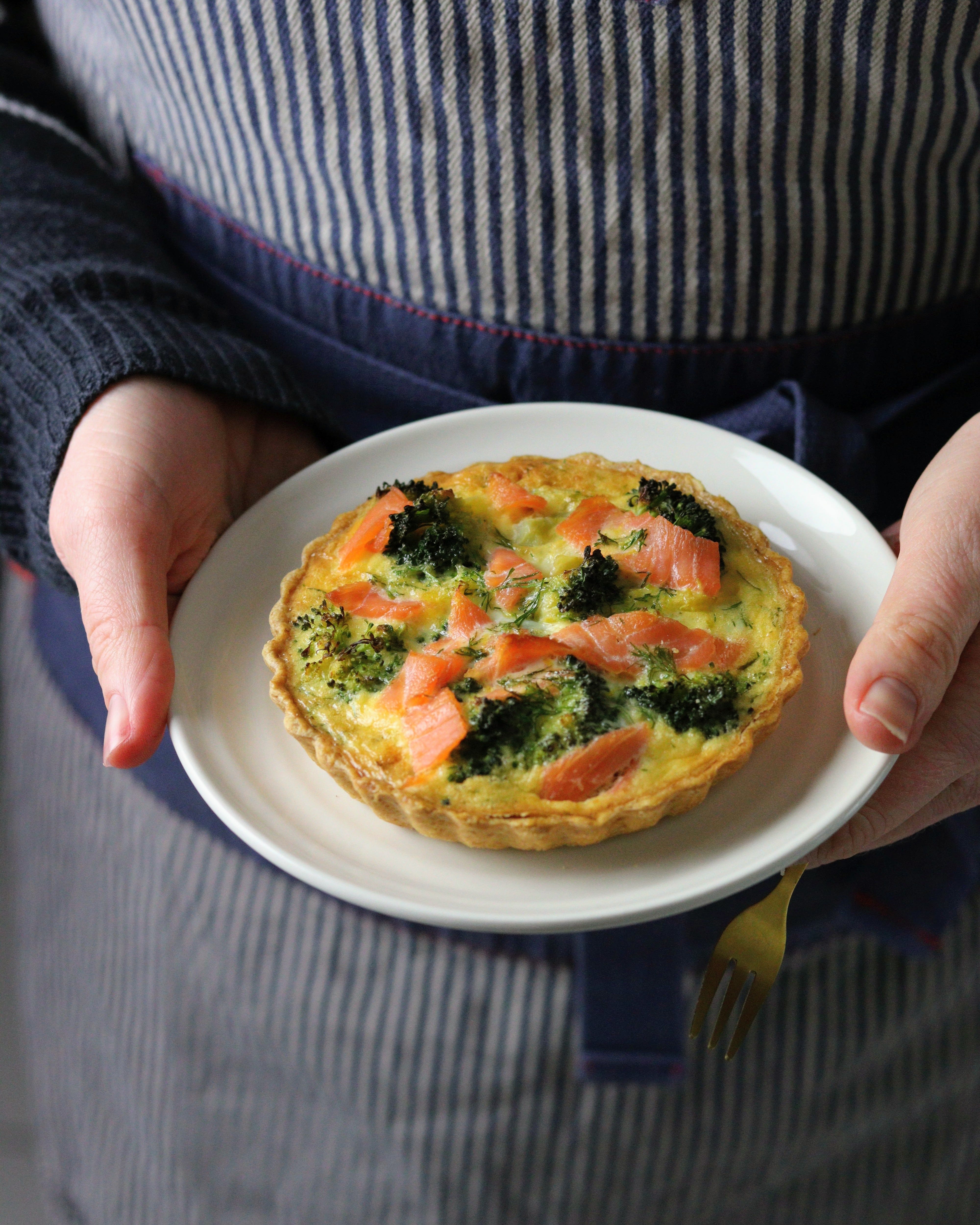
These Broccoli & Salmon Rye Tartlets, and Coffee & Cardamom Custard Creams, are a great way to get practicing.
Choux Pastry is another area of patisserie where the balance between precision and intuition is paramount.
While specific measurements are key, there is a great deal of intuition in making choux - as Giovanna mentions above, knowing how long to cook out your panade (the fancy name for your dough before you add eggs), or how much egg to add. These things take time and experience to get right.
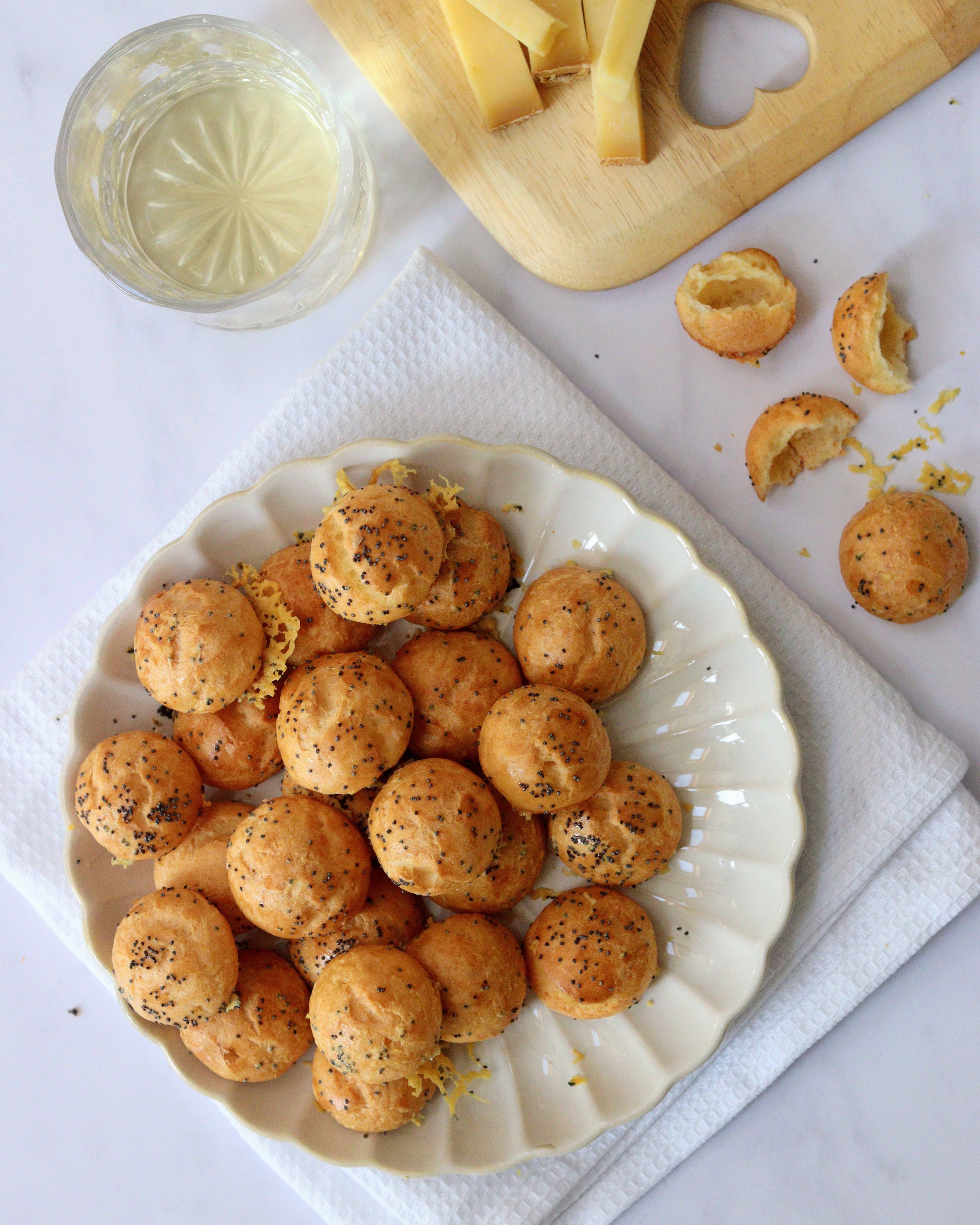
These Cheesy Gougères are a perfect starting point.
Until next time…
Have you heard about the Bake Experiments Recipe Index? An easily searchable one stop shop for all Bake Experiments recipes and experiments.
Comments
Nothing yet. Say the first thing.
Sign in to join the conversation.