
This is Part III of the Author Visibility Series. If you missed the earlier posts:
Part I: Why Book Marketing Has No Easy Button
Part II: Why Author Visibility Comes Before Sales
Most readers don’t buy the first time they see a book or author. In the last series article, we talked about visibility. Readers need to notice you before anything else can happen. Now let’s talk about trust.
Noticing someone and trusting them are two very different things.
Visibility introduces you. Trust is what turns that attention into a real reader relationship. And we, as humans, know this instinctively.
💥 Gratitude to my exclusive advertising sponsor, the always-free Booklinker, and the paid tool, GeniusLink. I love both💥 (affiliate link).
Visibility helps readers notice us. Maybe they see our name pop up a few times online. Maybe they read one of our posts or heard someone recommend our book.
At that point, they’re aware you exist. But awareness alone rarely leads to a sale. Trust usually develops more slowly. It forms when readers consistently see more of our work, recognize our voice, and begin to feel confident that what we write is worth their time.
Visibility helps readers notice us. Trust helps them stay and continue the connection in the future. The cycle looks something like this:
Visibility → trust → discoverability → readers → sales.
Trust rarely happens after a single post. Readers usually encounter an author several times before they begin to feel comfortable with them. They might read one article, see your name again later, or hear someone mention your book somewhere else.
Each interaction adds another layer of familiarity. Psychologists often call this the mere exposure effect. People tend to feel more comfortable with things or people they encounter repeatedly over time, and that familiarity slowly turns into trust.
Many writers assume authority comes from credentials, impressive degrees, pedigreed awards, a huge following, and traditional publishing deals. Those can clearly help, but they aren’t what most readers see first online.
Authority usually grows in a simpler way. Readers keep seeing you be there. When someone writes regularly about a topic, readers begin to associate that person with that subject. Over time, the author becomes a recognizable voice; not because they declared themselves an expert, guru, or visionary (and isn’t that kinda ridiculous anyway), but because readers experienced their work repeatedly.
Consistency builds familiarity. Familiarity builds trust. And trust builds authority.
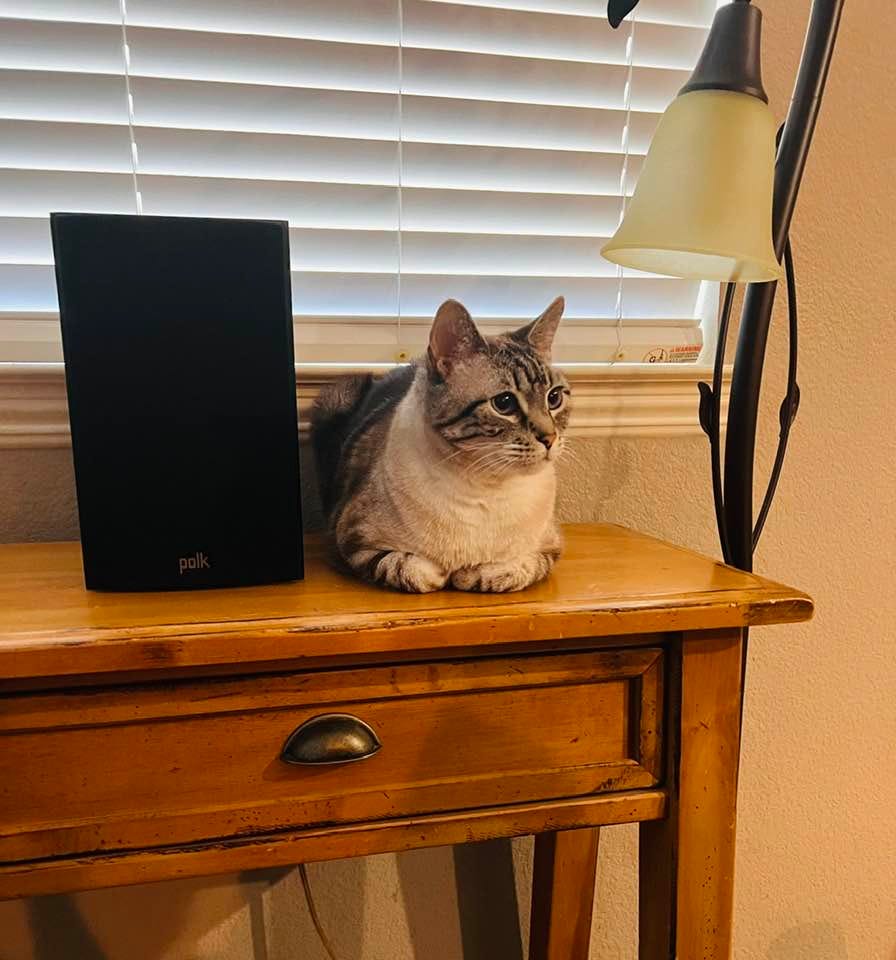
Why are you here reading this? (It could be Pip-related. I don’t mind.)
This is one reason newsletters are so powerful for writers. Social media posts appear briefly and disappear quickly - hopefully, strategic enough to be indexed. A reader might see one post and never see another.
A newsletter works differently. When someone subscribes, they’re choosing to hear from you again. They’ve opted in (required by law). Each post becomes another opportunity for readers to understand how you think and what you care about.
Eventually, they stop seeing you as just another author online, and they start seeing you as someone whose writing they trust.
Platforms like Substack make this kind of relationship easier because writers can communicate directly with readers without relying entirely on social media algorithms or on back-and-forth email.
This is the part many writers struggle with, myself included. You might publish a book and start marketing right away. From your perspective, everything feels urgent, except readers don’t live inside your launch timeline. Shocking, I know.
Someone might discover you today, subscribe to your newsletter, read quietly for months, and only then decide to buy your book. To the writer, that delay can feel discouraging. To the reader, it’s completely normal.
Trust builds slowly, and slower relationships tend to be stronger ones. I’ve seen this happen with authors many times. Someone subscribes to their newsletter and reads quietly for months. No comments. No replies. Nothing obvious is happening.
Then one day, the author suddenly sees an order come through for two or three books. From the author’s perspective, it feels like it happened overnight. But from the reader’s perspective, it didn’t. They had been watching, reading, and getting comfortable with the author’s voice for a while.
Trust was forming the whole time.
Another factor that builds trust is social proof. When people see others recommending a book, sharing an article, or talking about an author’s work, it signals that the work may be worth paying attention to.
Behavioral science research shows that people often rely on the persuasive behavior of others to help guide their own decisions.
The word platform scares a lot of writers. It sounds like you’re supposed to become a celebrity or build a massive audience before your writing matters. Other writers feel it’s a nebulous marketing term without meaning.
That isn’t what platform means. A platform is simply a place where readers can find you and hear from you consistently. Your newsletter. Your blog. Your website. Your social accounts.
We don’t need millions of followers. We do need readers who recognize our voice and trust what we write. Give it time, because those spaces become the foundation for visibility to turn into trust.
And trust is what eventually turns readers into buyers. Marketing research consistently shows that people rarely act after a single exposure. Instead, familiarity develops over time through repeated encounters with a message or creator.
If your goal is to sell books, it helps to ask a slightly different question than most writers do. Instead of asking: How do I sell more books today?
Try asking: Am I giving readers enough chances to trust my voice?
Trust grows through visibility, consistency, and time. Once readers trust you, the path to sales becomes much easier. Research consistently shows how important trust is in purchasing decisions. The Edelman Trust Barometer reports that more than 80% of consumers say trust strongly influences their purchasing decisions.
A few writers and publications regularly talk about platform, visibility, and reader relationships in thoughtful ways. These writers have spent years helping authors understand publishing, audience building, and long-term reader relationships.
The Creative Penn (Joanna Penn)
If this helped make book marketing feel a little less mysterious, feel free to share with another writer who might benefit. And if you’d like the rest of this series, please subscribe so you don’t miss the next part. FREE to sub; paid appreciated but never required.
Most of what I write focuses on book marketing, Substack growth, writing and productivity, and helping writers become more visible online without losing our minds in the process. Sometimes I write about sci-fi, too, because, nerd.
Free Substack Tips: https://badredheadmediallc.substack.com/s/substack-tips.
Not quite ready to subscribe? I have a tip jar - any amount appreciated. 🙏
🌻 Free or paid, I’m glad you’re here.
The truth is simple. Most authors don’t fail because their writing isn’t good. They struggle because readers never get the chance to find them.
Part I: Why Book Marketing Has No Easy Button
Part II: Why Author Visibility Comes Before Sales
Part III: Visibility Helps Readers Notice You. Trust Makes Them Buy. You are here.
Next: Discoverability, Indexing, and the Long Tail
Later: What Success Actually Looks Like for Most Authors
I’m available for hire. See my website or email me!

Comments
Nothing yet. Say the first thing.
Sign in to join the conversation.