
By Emma Bacon, CEO of Sweltering Cities
As an Australian heat expert, I was surprised to sweat and struggle through the hottest June day ever in London as part of the extreme heatwave that closed schools and shut down transport.
Ironically, I was in the United Kingdom for London Climate Action week, to share my experience of helping Australians better understand and manage worsening extreme heat.
June 2026 was the hottest June recorded for western Europe and the second warmest globally. The extreme heat is estimated to have contributed to 10,000 excess deaths in Europe alone.
In Australia, I’ve watched people underestimate heat again and again. I’m the founder and executive director of Sweltering Cities, Australia’s national community voice for heat safety.
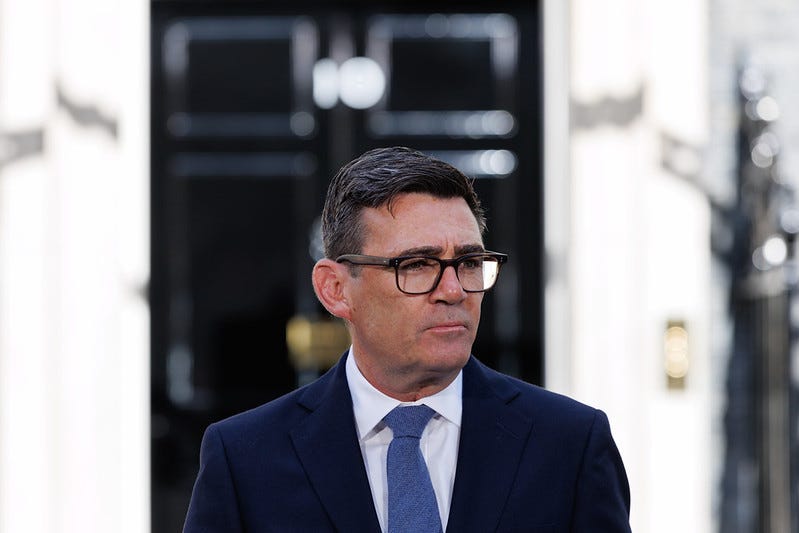
In my experience, there are a number of areas where the UK and new Prime Minister Andy Burnham could learn from the Australian reality of having to regularly manage high temperatures. Interestingly, in my conversations with Australians about what they consider ‘hot’ they will often say 35-37°C if they live on the mainland. While in the UK, people told me that 28-30°C can feel extremely hot.
The built environment in your cities is making it worse. Like in Australian cities, the Urban Heat Island Effect means that some urban areas can be 10-15° hotter than others. Why? Too much concrete, dark surfaces and having no shade or trees all mean that the temperatures you’re experiencing might be much higher than the weather reports. When Melbourne was reaching over 40°C in January, I took a terrifying temperature reading of 68° on the pavement at a bus stop.
Political Leadership
Because heatwaves can be a ‘silent disaster’ that don’t get the same attention as floods, fires or storms, people are left to manage the danger by themselves. If we see extreme heat as a problem that we expect individuals to manage, then the focus will be on drinking water, staying in the shade, sitting in front of a fan or other heat safety measures.
But heat doesn’t impact one person at a time, it can impact millions. If we understand the scale of the crisis, then the solutions clearly need to be urgent, systemic and ambitious.
That’s why political leadership for heat solutions – like safe homes, cities, transport and work – needs to come from the top. These are transformative projects that require coordination and action across multiple departments, agencies and levels of government.
The UK needs to urgently adapt
It is important for cities and local governments across the UK to better understand this impact and take action to plant more trees in urban areas, provide shade options in public spaces and open up air-conditioned public buildings to people who are struggling.
When upgrades are made to public infrastructure and especially public transport, the ability to handle future heatwaves needs to be an important part of planning. Another challenge is that in Australia our houses are better designed to handle heat. Far fewer British homes have air conditioning or even ceiling fans, and your houses are designed to keep the heat in during winter.
Even with temperatures dropping overnight, people are sweating it out during sleepless nights. New research found that temperature-related sleep loss due to climate change has doubled in the last 50 years in all major global cities. Some of the worst physical and mental health impacts of heat are driven by high night time temperatures, as our bodies don’t have time to recover.
Downing Street needs to work with local government to adapt existing upgrade programs or offer new subsidies, low interest loans or grants to help more Brits upgrade their homes to be cooler or even install energy efficient heat pump air conditioners.
I’ll never forget the story of a mum in Melbourne who would put her two children under five in the coolest room in their home during heatwaves. She had a fan pointed at each of them, but would watch them toss and turn and sweat all night. She was anxious about their health, and furious at her landlord for not making any upgrades to keep their home a safe temperature.
Like in Australia, the heatwaves in the UK are happening in the context of a cost of living crisis. Even though far more Australian homes have air conditioning, in Sweltering Cities’ 2026 Summer Survey more than 60% of respondents said that concerns about cost stop them turning it on.
Perpetuating Inequality
Just as in Australia, the impacts of extreme heat affect people differently depending on their wealth and work situations. Some people in the UK can work from home or in air conditioned offices on very hot days, but gig economy workers, people who do outdoor labour, those who provide care and others have been forced into trying to manage dangerous heat at work.
The people most at risk are always the people who cannot afford to keep cool and who have no choice but their dangerously hot homes and workplaces.
The difficult truth both Brits and Aussies have to grapple is that what feels extraordinary will become our new normal. I’ve spoken to people across Australia who said the same things I heard in London in late June.
Every story that we hear about schools closing, people collapsing at work, public transport being cancelled, infrastructure failing and our friends, families and neighbours getting sick in the heat should be a reminder that while global temperature increases might sometimes feel abstract, their impact is extremely local.
It’s also an urgent reminder of why our governments must stop approving new coal and gas projects, and support the switch to renewable energy, to reduce emissions and tackle climate change; the root cause of worsening heatwaves. So it was really pleasing to see that UK PM Burnham will maintain the ban on North Sea oil and gas exploration.
Every fraction of a degree that the planet warms means more of us will experience dangerous, inescapable heat and its deadly consequences.
Emma Bacon is the founder and CEO of Sweltering Cities, Australia’s national community voice for heat safety.
No posts
Comments
Nothing yet. Say the first thing.
Sign in to join the conversation.