
By Joanna MacGregor
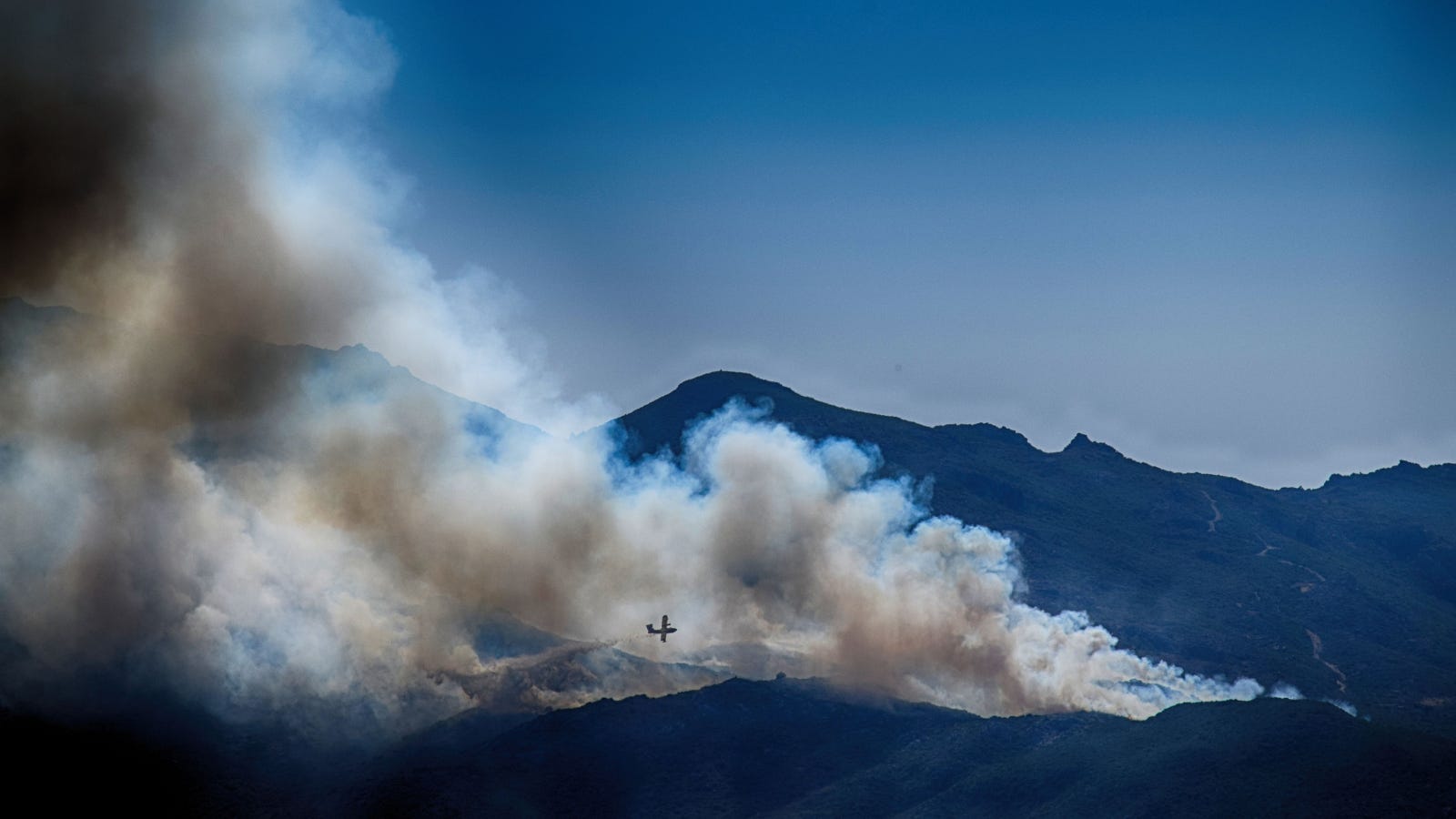
As I write, wildfires continue to blaze across Europe – having already incinerated almost half a million hectares of land. Hundreds of people have died as heat caused blackouts across Libya’s energy grids. In China, Typhoon Bavi became one of the most powerful storms of the year. Oil and fertilizer prices continue to yo-yo as war ramps up once again in the Middle East.
For the first time ever, firefighters in the Gironde in South West France were faced with pyrocumulonimbus clouds, literal fire weather, that made the blaze unpredictable and nightmarish to control. This isn’t just your normal list of horrifying events. The intensity and severity of the impacts have increased because of climate change.
Billions of people are now living in a world that is hotter, drier, and more dangerous.
Meeting the moment
When pollsters call, people are asked about distinct priorities. Climate, energy security, and inflation are treated as separate issues. They are not. Today we face a series of deeply interconnected crises. Luckily, so are many of the solutions.
There are actions governments, businesses, and citizens can take right now. Clear choices that, if we get right, will ensure that countries can protect their people from global shocks and build a more livable future.
That is why COP31 in Antalya matters. In a year where the world experienced the biggest energy crisis ever, it is not simply another climate conference. It is an opportunity for governments to demonstrate that they understand the new reality: climate policy is now energy policy, industrial policy, economic policy and national security policy rolled into one.
Electrifying opportunities
In contrast to narratives of a decade ago, renewables are almost boring in their stability. Every solar panel, wind farm, battery and electric vehicle reduces dependence on fossil fuels and the volatile global markets that determine their price. That insulates economies from geopolitical shocks and brings down prices for consumers.
But it’s not enough to build clean energy. We have to enable it to power more things in more places. That’s why it’s essential that we electrify our economies and build modern grids, fit for a new age of electro-tech, and bring on more storage, to increase efficiency, twenty-four hours a day.
And this isn’t just about rich countries. The opportunity is everywhere, especially for those with limited energy access. In the next couple of years, we should be in a position to ‘electrify the last mile’ - connecting areas previously off-grid. More and better international climate finance is essential to make this happen.
Governments are already seeing the green transition as a way to boost economic growth. Out of some 70 trade deals signed from 2025 until June this year, 37% included renewable energy provisions. Increasing green trade will promote energy security, help reduce prices for consumers and cut emissions.
Turkey and Australia, this year’s COP Presidents, have seen this chance and are pushing for voluntary global electrification targets. This is good news, but targets, by themselves, won’t do the job. We need grid operators, investors, utilities and infrastructure companies to come to COP. Cut the deals and invest the dollars to get this done.
As well as electrifying, we must act faster to deal with methane, including from waste. And, while we continue to use oil and gas, we need to make sure we’re not spewing this highly polluting gas into the atmosphere; limiting this can help oil and gas producers too - saving money while they produce and action their own transition plans.
Boosting resilience
At the same time, we need to get serious about adapting to our new reality – boosting our ability to protect people and increase our resilience to fires, floods and droughts. We need to ensure our hospitals are cool, that our food is secure and affordable, and that we use the information we have to predict what’s coming next.
Implementing National Adaptation Plans across every country is key. Ensuring climate resilience is part of every major decision will save money and time, and reduce the cost and impacts of disasters.
In India, cities are leading the way with Heat Action Plans, health systems are working to become more resilient, and the Early Warnings for All initiative seeks to improve warning systems to protect more lives.
Multilateralism matters
No country can deal with these problems alone.
But to get there means doing things differently. At the UN we’re doing our part. In parallel with negotiations on important issues - like ensuring a just energy transition for workers and communities - this year’s COP, and all the climate events leading up to it, will have an even stronger focus on implementation - taking the incredibly important words we agreed and working to turn them into projects on the ground, through the Global Climate Action Agenda.
The world wins when it moves together. We saw the best of this when countries like Turkey and Czechia sent planes and helicopters to help France and Spain fight fires. It’s in everyone’s interest that this spirit is reciprocated everywhere. We have the technology, tools, and know-how to solve these interlocking crises, and where we don’t, cooperation and investment can create innovation.
Joanna MacGregor is Senior Adviser to the Executive Secretary of the UNFCCC.
Comments
Nothing yet. Say the first thing.
Sign in to join the conversation.