

54% of social media users say they have a personal connection with at least one influencer. [PEW Research]
They have never met.
More than half the people scrolling your ads right now feel genuine emotional closeness to someone who doesn’t know they exist. They trust that person’s recommendations more than their friends’. They feel personally hurt when that person does something disappointing.
And your brand is trying to reach those same people with a quarterly influencer brief and a 15% welcome discount.
You’re not serious.
One thing most brands get wrong about the loneliness economy: they think the influencer deal is the answer.
The influencer deal is you renting someone else’s belonging infrastructure for 72 hours. The creator keeps the community, the trust, the warmth, the years of daily presence that built it. You borrow a window into it. Sales may spike but once the post archives, the belonging goes back to its original owner.
You got a media buy. You didn’t get belonging.
There are three things the loneliness economy actually runs on. Most brands are paying for access to one and ignoring the other two.
Part I: The Rental Problem
Creators built companionship infrastructure by accident. By showing up every day, being present in people’s routines, accumulating intimacy over time. It wasn’t intentionally engineered but by golly, it compounded.
When you run an influencer campaign you’re not buying that infrastructure. You’re borrowing a window into it temporarily. The customers who come through are loyal to the creator, not the brand. When the creator moves on, so do they.

The counter-example is Tracksmith. The Boston-based running brand built their belonging infrastructure entirely in-house — a community club called Hare A.C., a quarterly magazine with zero ads, hand-stamped finisher posters at major marathons. None of it borrowed from a creator. All of it attached to the brand itself.
At the 2020 Olympic trials, 120 of 500 starters were wearing Tracksmith. Because the brand had built something people wanted to be part of, and that belonging had nowhere to go except back to Tracksmith.
Rented proximity expires. Owned proximity compounds.
Part II: The Product Ritual
The loneliness economy runs on routine and repetition. The creators with the deepest audience bonds are the ones who show up at the same time, in the same way, reliably. The audience structures their day around them. Fixtures feel safe. Safe things get defended.
Most D2C brands are designed for the transaction. The product is purchased, used, and forgotten until the next campaign nudges the customer back.
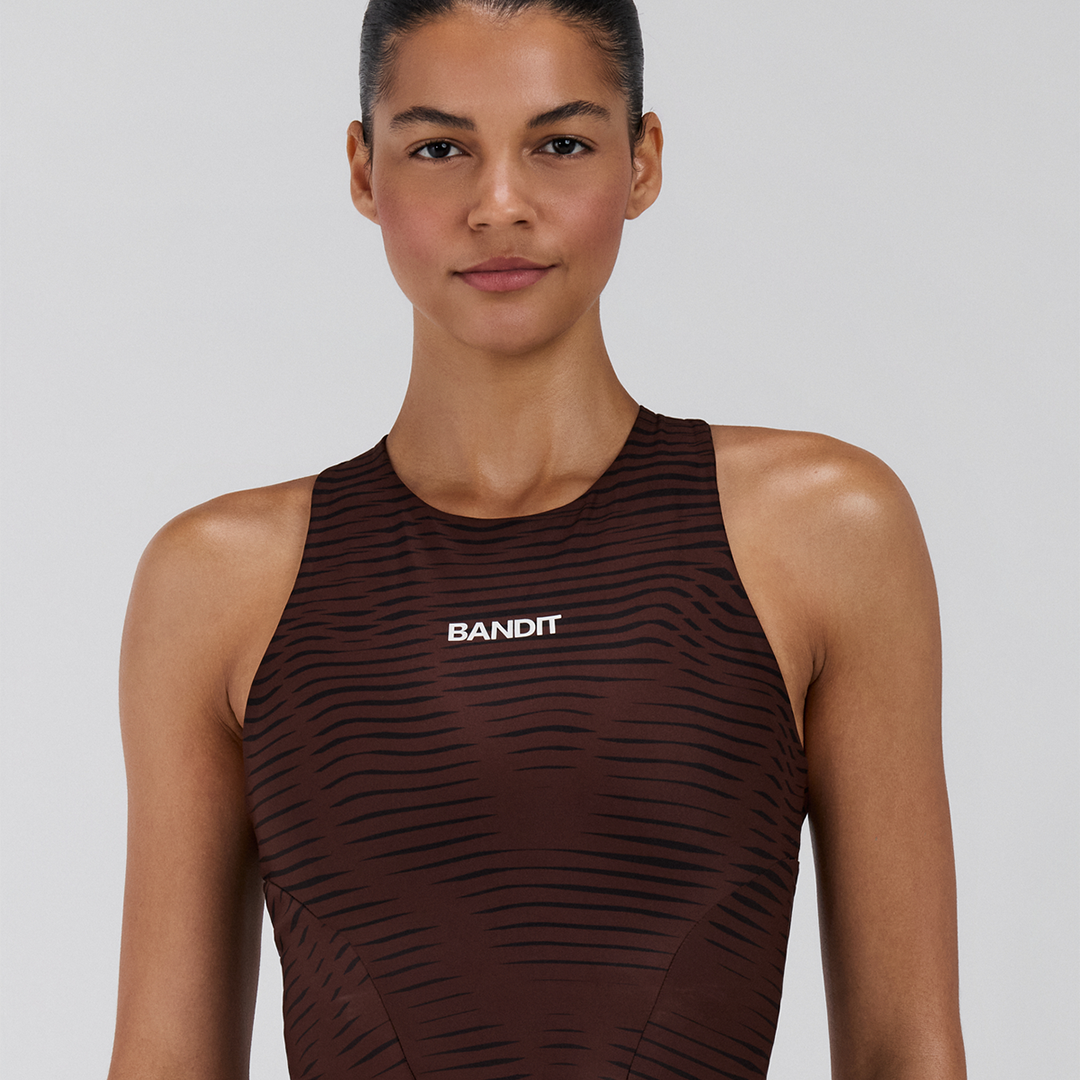
Bandit Running is the exception. Founded in Brooklyn in 2020, starting with a sock that founder Tim West wore to his local track club without mentioning it until people asked. The brand runs community runs every Saturday, rain or shine, in every city they operate in. Not as a campaign or seasonal activation. Every week, reliably, for years.
The brand shows up in their customers’ lives on a Saturday morning whether or not anyone is buying anything. That’s called residency! And residency builds the kind of loyalty that doesn’t need a discount code to fire.
Transactions get replaced. Rituals get defended.
The brief: how does your brand show up in your customer’s life when they’re not thinking about buying anything? If the answer is “it doesn’t”, you’ve got a design problem.
Part III: The Insider Economy
The loneliness economy is partly an antidote to feeling unseen. The flip side of that is the status of knowing something other people don’t.
The most loyal customers of cult brands don’t feel like customers. They feel like they’re in on something. There’s a knowledge asymmetry — you know about this brand in a way most people don’t. That knowledge is social currency. It makes you interesting in rooms. It makes you the person who introduced someone else to the thing.
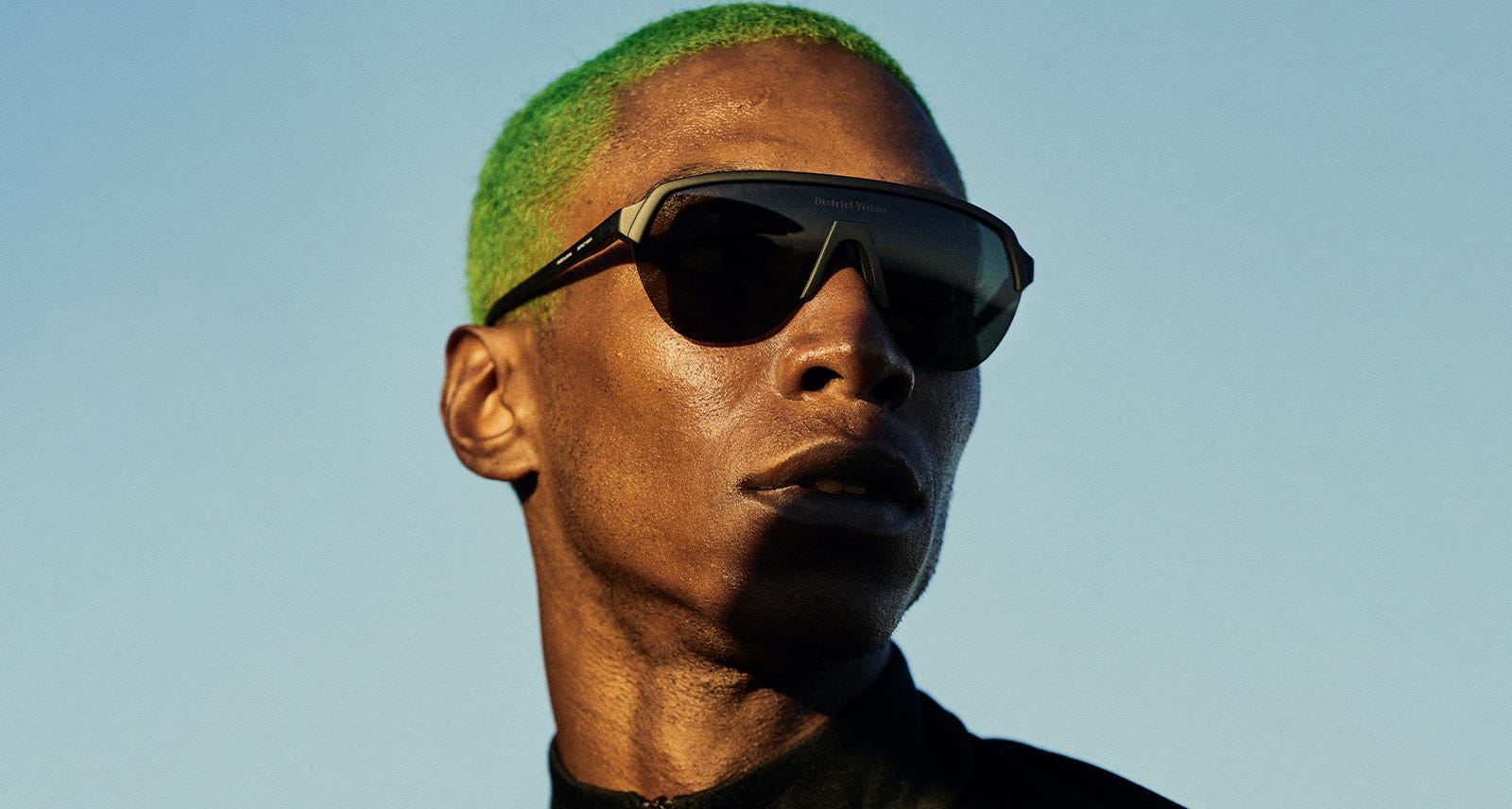
District Vision runs on this entirely. The meditation-meets-running brand sources its eyewear from Japan, sits at a price point that filters casual interest, and has built a following that includes Jeff Goldblum and elite athletes without ever chasing either. Knowing about District Vision signals something specific about who you are and how seriously you take the sport. The product is almost secondary. The knowledge asymmetry is the actual product.
You don’t need Japanese sourcing or a cult reputation to build this. You need something your best customers know that your newest customers don’t. Access that has to be earned or discovered. A product that rewards people who actually use it deeply with knowledge that occasional buyers don’t have. The sense that being a real customer of this brand is different from just buying it once.
You’re selling the right to be the person who knows about it.
Three questions, because I like you.
If your best creator partnership ended tomorrow, what belonging infrastructure would remain inside your brand?
Does your brand show up in your customer’s life when they’re not thinking about buying anything?
Do your best customers feel like they know something about your brand that most people don’t?
If the answer to all three is no, you might indeed have a good product. But, you don’t have a loneliness economy play. And in 2026, that gap is getting expensive.
The loneliness economy won’t be solved by the next influencer brief. It’ll be built by the brands that stop renting and start owning… companionship you build, rituals you design, insider mechanics you create deliberately.
None of these require a bigger budget. All of them just need a different brief.
— Ayo
The Culture Brief publishes essays and signals for D2C founders. Subscribe free
Comments
Nothing yet. Say the first thing.
Sign in to join the conversation.