

A tech billionaire walked Paris Fashion Week in February.
Bryan Johnson, the man spending millions of dollars a year attempting to biologically reverse his own ageing walked a runway to make a point. “Culture is speaking through clothing. Humans are starting to treat aging as a solvable problem. And that has begun to change where power will sit.”
Fashion is one of the places where cultural changes show up first, he said. Designers take ideas already circulating and make them visible.
He’s right. And what fashion is currently making visible is that status migrated. And the new address is your body.
Meanwhile, your Instagram feed is full of people performing the opposite. Soft life. Slow mornings. Cheap wine. H&M basics worn like a personality. “I don’t do status anymore” posted from a flat that costs £3,200 a month.
The rejection of status is its own status performance now. Which means we’ve looped all the way back to the beginning.
I’m not buying it. And I don’t think you are either.
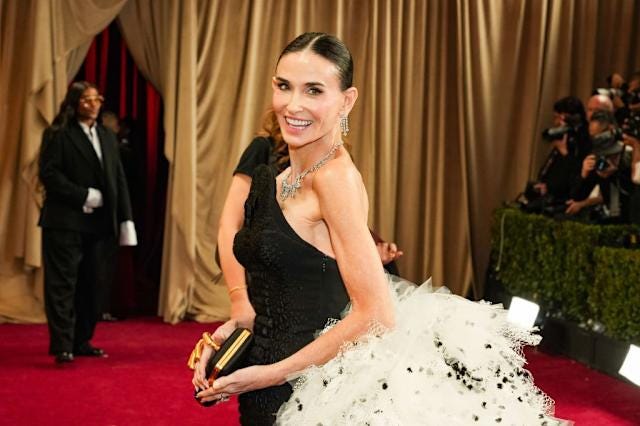
Let’s talk about the elephant that’s lost 40 pounds in the room.
Ozempic and its siblings is the most honest status signal in a generation, dressed up as a medical decision. Skinny was always a status symbol. And not because thin is inherently aspirational, but because looking after your body requires time, money, knowledge, and access. Those four things are unevenly distributed. Always have been.
Previously, the body you had telegraphed how much of those four things you had. Now you can buy the outcome without the inputs. Which is exactly why it’s deluding people. No, not because weight loss is bad, but because people are confusing the appearance for the thing the appearance pointed at. The appearance of discipline without the discipline. The look of health without the work, sacrifice or system.
The people who actually have the four things know the difference.
This matters for brands because a whole generation of consumers is now deeply attuned to the difference between real and performed. They grew up watching influencers sell authenticity with ring lights and PR packages. They are not fooled. They are, in fact, professionally suspicious.
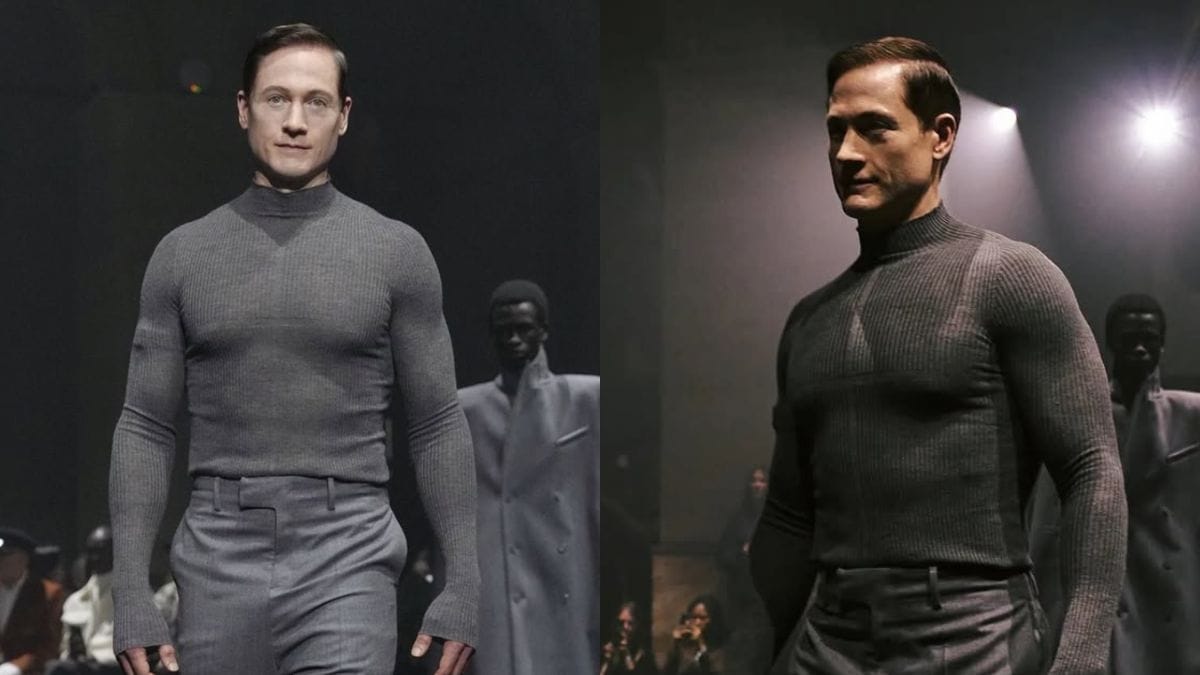
Johnson didn’t walk Paris Fashion Week because fashion is the most efficient broadcast system for cultural ideas, and he had a specific idea to broadcast: power is migrating from what you own to what you can do to your own biology.
For a long time power was defined by wealth, status, political position. Now a new axis is emerging: control over biology. The ability to measure, modify, extend the human body. Longevity science becoming a symbol of that shift.
This isn’t even a tech bro thing. It’s a real cultural movement with serious implications for what status looks like, who holds it, and what it costs.
The new premium is the blood panel, it’s the VO2 max. The fact that your resting heart rate is 48 and you know what that means and you did the work to get it there.
And this status is much harder to fake than the old kind. You can lease a car. You can’t lease the body composition. You can buy the Ozempic, but most people know what earned looks like versus what borrowed looks like.
The body is becoming the most honest ledger of how someone actually lives. Very inconvenient for everyone who built an identity on looking like they live well.
There are two groups completely talking past each other right now.
One posts about slow walks, cheap wine, healing, basics. The content is optimised for relatability. The performance is of not performing. “I don’t do status anymore” as a personality. And I get it, the old status playbook (logos, holidays, restaurants, cars) is exhausted. Everybody’s done it. It feels crass and obvious.
But.
The other camp isn’t posting much at all. They book a private table without photographing it. They have the medical team, the protocol, the body that reflects years of actual investment. Their calendar is a flex nobody sees. Their network operates in group chats that don’t have an IG moment. The status is ambient, felt in the moment and not broadcast to feeds.
Both groups are signalling. One is just much better at pretending they’re not.
The rejection of visible status is itself a visible status move. And it’s working. Which means the signal just got more expensive. Now you have to perform the rejection convincingly while actually living the thing you’re pretending not to care about. Exhausting. Really.
Luxury handbags feel so desperate now. Crass, even. Status migrated.
Before Ozempic normalised the shortcut, physical condition read as a record of how someone lived. Increasingly, the markers that matter aren’t the ones injectable. Grip strength. VO2 max. RHR. Bone density. Bloodwork that takes years of boring consistency to get right. The supplement protocol that doesn’t make content because it’s just vegetables and sleep.
The people playing this game long-term aren’t biohackers performing on YouTube. They’re consistent, and their body is the evidence. We clock it.
Everybody flexes money. New power is the calendar with nothing in it that you chose to leave empty. Middle class energy is the packed diary — “so busy,” the back-to-back as proof of worth. Actual power is the 10am Tuesday workout, the week offline with no announcement, the ability to reply when you feel like it without consequence.
Time sovereignty is the rarest resource. A salary you can approximate. An empty Tuesday morning is different.
AI absorbed the entry level. Scripts, chatbots, customer service that makes you want to throw your phone. Access to actual humans is quietly repricing as the premium signal. Personal shopper who texts you first. Slack with the founder. GP who voice notes you back within the hour (not three weeks and a form). Actual PA, not seventeen productivity apps pretending to be one.
Everywhere an “agent” does triage, high-status people have a real person with a direct number. Human infrastructure as the new luxury good. Which is bleak when you think about it for more than thirty seconds.
Influencers commodified visibility. The move in the other direction is radical footprint reduction. Minimal digital footprint. No performative LinkedIn posts about lessons learned. Private accounts with sporadic content that somehow still gets screenshotted and shared in the right group chats.
You hear the name in certain rooms. You don’t see the grid. That gap is the tell. Power coded, asymmetric influence.
Proximity to silence. Green space. Clean air. Shops that sell fish you actually recognise. The unInstagrammable village. An address that requires someone to have told you. Travel too. Less Dubai infinity pool, more un-tagged islands and member clubs nobody will confirm exist. Travel where you won’t tag because tagging would defeat the purpose.
The feed sees almost nothing, the group chat sees everything. The relevant people are in the group chat.
We’re past crystals and pressed juice. The new flex looks clinical and unsexy.
Eight hours sleep. No filler in your face. Teeth (yours), hair, joints that work properly. Regular bloods, boring meals, heavy compound lifts.
Health as an actual infrastructure for wealth and power. The flashy biohacking setups feel try-hard now (too many supplements, too much signalling). New status keeps the protocol medical-grade. basically, your bloodwork should be more interesting than your personality.
Most people scream for reach. This new type of power walks into rooms where everyone already knows the name. No introduction needed.
Board seats. LP positions. Ownership stakes in venues, platforms, IP nobody’s heard of yet. They trend in cap tables (not on TikTok). When they do post, it feels optional, almost generous. When they speak, other people turn it into content. I think that’s one of the real new markers—being someone else’s case study.
Culture still runs on status games, but differently.
Expect more: Small trusted circles over mass followings. Archive and custom over seasonal drops. Private experiences over public flex. Service structure over luxury objects.
The gap between “premium Instagram aesthetic” and actual high-status life is widening. By the time a status marker hits Zara or TikTok Shop... it’s peasant-tier now.

You can’t sell status with louder logos anymore. Too obvious. Too... 2019.
You sell it through layers that can’t be easily copied. Or screenshotted. Or drop-shipped from Guangzhou.
Loud logos for people performing wealth. Seasonal drops for people performing taste. Community theatre for people performing belonging. All of it aimed at the feed, optimised for the screenshot, designed to be seen.
The consumers who actually have money to spend — and who will still have it in five years — are moving in the opposite direction.
Most status play happens in kitchens, bathrooms, dressing rooms. The weight of something in your hand. Fabric that genuinely ages well. A scent only people who own it would clock. If your product only works photographed, you have an expiry date.
The brands winning with this audience have disproportionate investment in actual people — staff who know names, service that doesn’t require escalation, access that feels earned not automated. This is more defensible than any ad creative.
Memberships that actually mean something. Waitlists that signal demand rather than manufacturing it. Micro-communities that feel like conspiracy rather than CRM. The product that unlocks something else reads differently in every room that matters.
Your CS team, store staff, stylists, account managers deliver more status than your logo will. Train them properly. Pay them properly. Give them actual authority to solve problems without seventeen approval layers. Quiet competence at every touchpoint makes customers feel looked after. That feeling compounds faster than any ad budget. Though I’m not saying abandon the ad budget entirely!
If they’re performing the rejection of status, your brand needs to let them perform it well. If they’re in the quiet-accumulation camp, your brand needs to reward them privately for it. These are different briefs. Running the wrong one for the wrong customer is why a lot of very competent brands feel inexplicably off.
Oh and…
Make scarcity structural
You don’t need saturation. For certain lines, limited distribution is the strategy, not the failure. Deliberate under-marketing. Tight control on retail partnerships. Saying no to obvious collabs that would dilute the thing you’re actually trying to protect.
Build for longevity by default
High status expects durability and retained value. They move things on through private networks, not Vinted or Depop. Brands that support repair, authentication, trade-in, private resale signal confidence. “This will matter for years” equals expensive in the right way. Expensive in a way that justifies itself over time.
Bryan Johnson walking a Paris runway is fashion absorbing a cultural shift that’s been building for years. The body as ledger. Biology as power. Health infrastructure as the new luxury stack.
And Ozempic is the counterfeit running alongside it — the look of the new status without the thing the new status actually requires.
Your customers can tell the difference. They grew up learning to read fakes.
— Ayo
The Culture Brief publishes monthly essays and weekly signals for D2C founders.
No posts
Comments
Nothing yet. Say the first thing.
Sign in to join the conversation.