
I am 34 years old, and I have helped two loved ones die.
That is not exactly what this article is about. But it’s the starkest manifestation of a philosophy I have: that death is not a failure. It is as part of life as our joy and our sorrow, our birth and aging and change.
As the new year rolls around - a time where many people take the opportunity to create change - this felt like a potent article to write, if only to help remind me of my own views.
We are taught that something ending means we have not done well enough. That a good relationship should endure forever. That a company must always grow.
I see this view as corrosive.
If we believe endings are failure, then we are constantly failing.
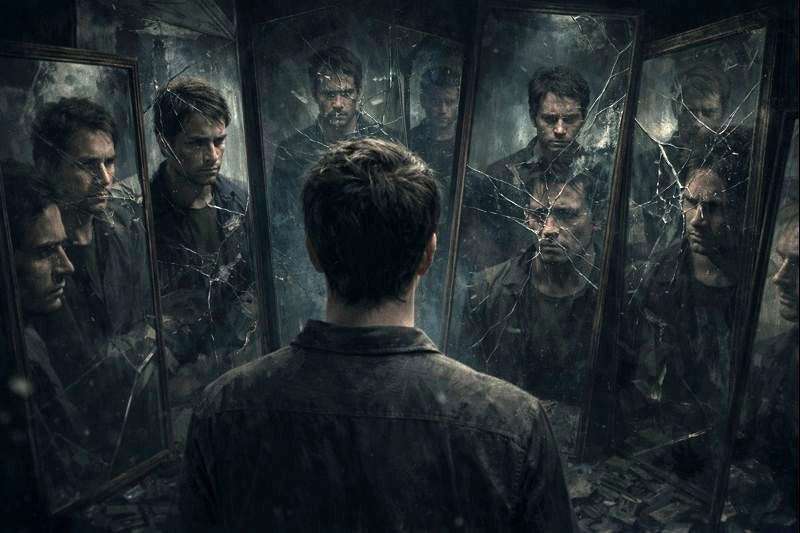
We go through many deaths in our lives. Those of others, but also of ourselves: our job-selves, as careers change; our parent-selves, as children move out; our partner-selves, as we weather separation.
The core of many philosophies, especially Eastern ones, is that change is a way of life. That, in fact, being unattached to an outcome - or to anything at all - is the ideal. The release of attachment is the release of pain.
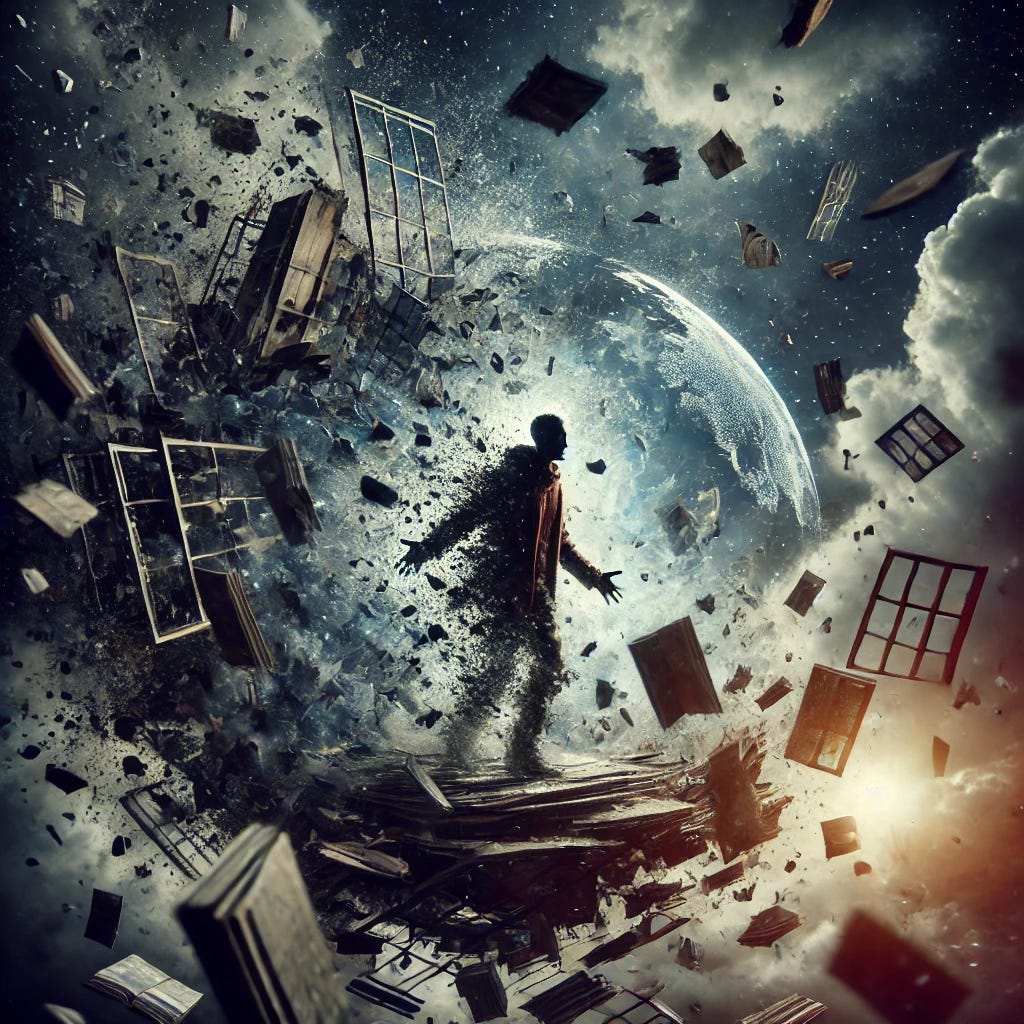
Impermanent are all component things,
They arise and cease, that is their nature:
They come into being and pass away,
Release from them is bliss supreme.
Aniccaa vata sa”nkhaaraa — uppaada vaya dhammino
Uppajjitvaa nirujjhanti — tesa.m vuupasamo sukho.
— Mahaa-Parinibbaana Sutta (DN 16)
This is not a philosophy I’ve adopted. Being a Westerner, I enjoyed my obligatory early-twenties Vipassana retreat, but as it is said, “It’s a nice place to visit, but I wouldn’t want to live there.” I like my attachments; I see them as love. They create pain. The avoidance of pain is not a key goal of my life.
Nevertheless, I am prone to avoiding endings. This causes me more pain than allowing them. I stayed attached to my business far past the point that it brought me value or joy. And, like most of us, I have allowed relationships to continue even when I saw no future potential.
To pursue change is energetically expensive. Routine behaviors that follow established neural pathways take less energy than ones that involve the prefrontal cortex, which is in charge of decision-making and new behavior (citation).
Moreover, to allow change is to allow the self to be destroyed. Like all living things, the self will fight for its survival.
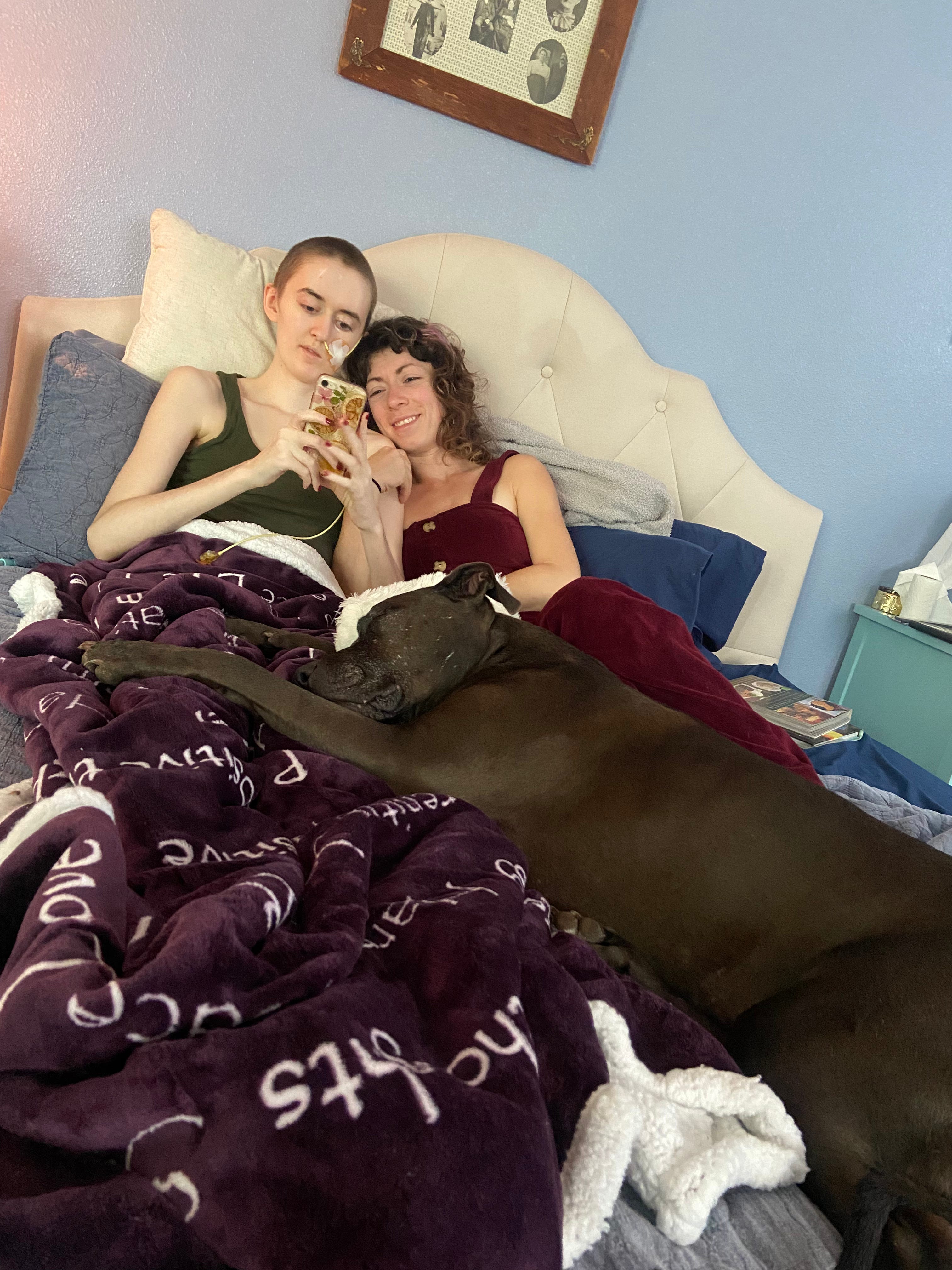
Several years ago, I sat by the bedside of my goddaughter as she took her last breaths. It was an ending she chose, rather than continuing to live with cancer, speechless and deaf. My father later chose the same end, allowing death to be in his power rather than Alzheimer’s.
Laws and religion tell us this is illegal or a sin - that suicide is failure to the point of landing one in hell. In the 5th century, Augustine, in his text “The City of God”, interpreted suicide as being an extension of the “Thou shalt not kill” commandment, and thus prohibited by the Bible (citation).
I watched my grandmother choose to endure to the end, even as cancer wracked her body. I saw the painful effect of this on her, and the people around her.
Death is never a glorious thing. But I have seen peace in its choice.
(Sidenote: This is not to say that I see suicide as a solution for any pain. After spending 25 years undiagnosed bipolar, I know how beguiling depression can be in its story of forever. When inside, time warps. It seems like things have never been any less painful, and never will be. Panta rei: all things change. Yet our mind is the true creator of our reality, and it insists this is not true. Death is not a failure - but it is also not always the solution, especially when a better situation may be on the horizon (modern medication is a wonderful thing).)
Helping someone choose death changes you. I recently witnessed a lamb sacrificed and skinned in front of me, in a beautiful ceremony honoring the source of the food we eat. I held multiple people while they cried. I myself remained dry-eyed. The lamb did not choose its death, but we choose the death of animals every day. To have watched someone die is to understand this process.
Here is how I try to hold the death of things I love.
I celebrate the learnings and successes, instead of allowing myself (or others) to name the end a failure.
I go back to when I last felt inspiration, instead of trying to build sunk costs into something new. Even when it means throwing out a lot of work - or a full project.
I allow myself to be in the void before something new appears. One of the hardest things for me is when I have to end something before a new path appears - but this often needs to be the case.
I see myself as a process in change, not a static being.
Am I always successful? No. But these are my mantras and my reminders. As my dad once said,
The challenges are to know what you did, not only only ruminate and self-flagellate about it; to allow yourself to know that you were a different person then, though you can’t erase the bad things you did; and to live the best and most rewarding life now.
- David E. Ness
As you enter your 2026, I hope you accept the parts of yourself that are dying, and the parts that are born anew.
I hope that you welcome death with open arms, while fostering what is still alive.
And I hope you have grace for the failures - that are really just a process in change.
Your Loving Thought-Dom,
Sara Ness
Share this with someone you love, and/or who would love to read it
Comments
Nothing yet. Say the first thing.
Sign in to join the conversation.