
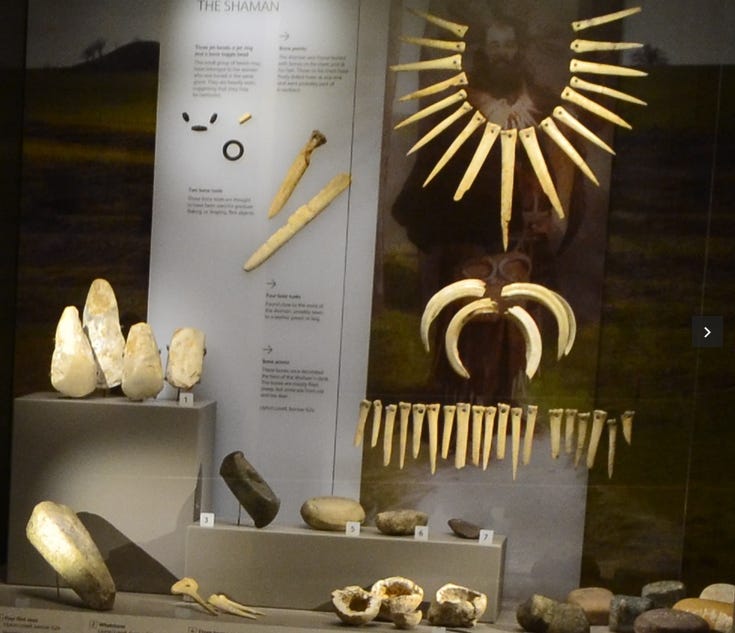
For over 200 years, one of the most peculiar Bronze Age gravesites in the Stonehenge area held the remains of a man.
Or so it was believed.
The body had special stone tools which were used for gold-working. Microscopic analysis revealed remnants of gold which were still attached to them.
The individual who was buried there was doing something cutting-edge for the time.
Archaeologists referred to the person as a man.
Then came DNA.
She was a woman.
This looks like just one example of corrected identification.
But that’s not all.
For most of the history of archaeology, scientists did not have ancient DNA or dental enamel proteins to tell them about chromosomal sex. They had bones, incomplete skeletons, burial goods – and often made assumptions based on who they imagined they would be finding with the sword, making the gold, or lying in the special grave.
Now they have a chance to test those assumptions.
And they’re beginning to get some surprises.
Viking warrior burial with weapons: believed male. DNA proved female.
Wealthy, richly furnished Bronze Age gold-worker: believed male for two centuries. DNA proved female.
Older gravesites are being exhumed.
Older museum artifacts are being reexamined.
And now it is suddenly clear that an even larger question is looming:
How many women have been in the archaeological record, identified as “man”?
On Tuesday, I’m going digging.
I’ve got my receipts right here.
Comments
Nothing yet. Say the first thing.
Sign in to join the conversation.